Story audio is generated using AI
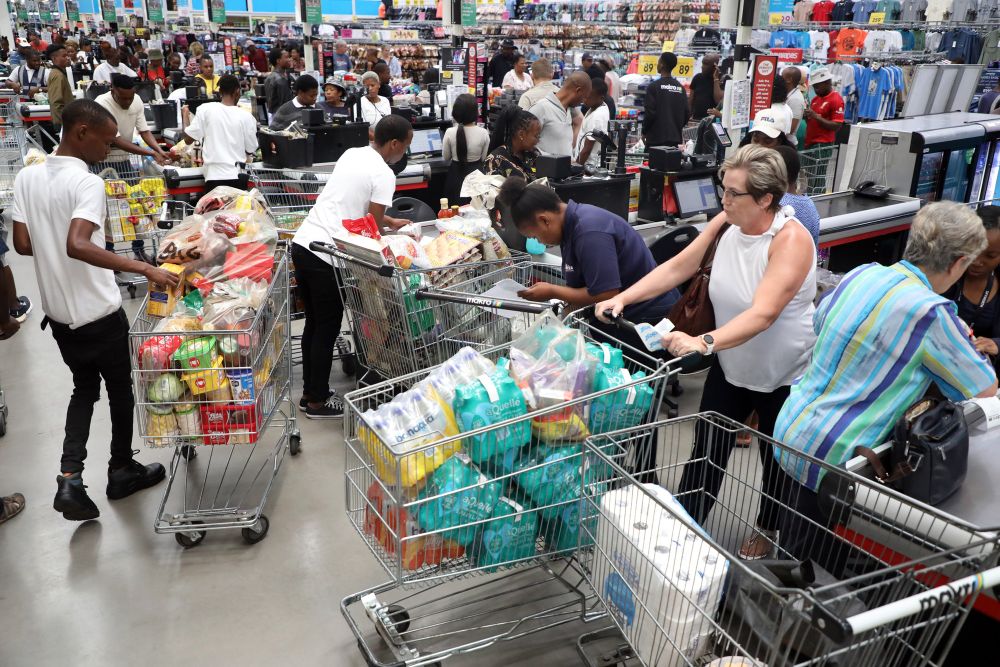
Two recent business confidence surveys are testimony to the famous resilience South Africans are known for, which has held up even as companies and consumers are buffeted by steep fuel prices driving the cost of everything else up.But Stats SA’s latest GDP report suggests that resilience will be sorely tested and there will be very little to be confident about the rest of the year, painting a rather grim picture of an economy struggling to grow meaningfully, nowhere near the levels needed to create employment.Unless that elusive ceasefire in the Middle East that we have all been waiting with bated breath for finally materialises there is little prospect of an improvement in the months ahead, given that South Africa is a net importer of the oil that drives our industries.The latest South African Chamber of Commerce and Industry (Sacci) business confidence index shows local companies were slightly more upbeat in May than the previous month as they reconciled themselves to the higher input costs linked to the US-Iran conflict. Similarly, a survey of about 700 manufacturers conducted by Absa and the Bureau for Economic Research shows that second-quarter business confidence edged up, supported by improved export sales volumes and selling prices in domestic and international markets, despite a deterioration in business conditions.The latest Naamsa numbers show our love for cars was undiminished in May, with vehicle sales hitting a 13-year high despite the eye-watering prices at the fuel pump. But Naamsa warned that continued higher fuel prices and last month’s interest rate hike will soon have a sobering effect in a sector in which the majority of purchases are credit-financed.Adding to the good news, we are still riding on the wave of a credit rating upgrade by one notch to “BB” from Fitch, which cited prudent fiscal management despite weak growth and economic shocks. This after Moody’s lifted the outlook on the country’s rating to positive last month.But, as Sacci was quick to point out, these positive reviews don’t erase the fact that the domestic economy remains hostage to structural constraints and the impact of the war in the Middle East. The latter we cannot do much about, but the former we can.The 0.5% quarter-on-quarter growth mustered in the first quarter of 2026 is nothing to get too excited about, particularly as it shows that finance and business services once again did the heavy lifting while manufacturing output contracted.Even more worryingly, household consumption, historically a key growth driver, expanded by a marginal 0.1%, the lowest growth rate in eight quarters. It will only get worse as consumers contend with higher interest rates to try keeping inflation in check.The GDP number was only a pleasant surprise for economists because they had expected much worse, given the higher costs stemming from global oil price shocks.It’s worth noting that manufacturing was again the main drag as economic growth limped to 1.1% last year.This is an industry that used to contribute about 23% to GDP but has now fallen to 13%, as the government acknowledges in its recently published revised industrial development strategy.So yes, there is no doubt a lot to be cheerful about in the South African economy. But there is also a lot more to be worried about and 2026 will certainly test that all-famous resilience to the very limit.