This content was published on
June 15, 2026 - 03:57
6 minutes
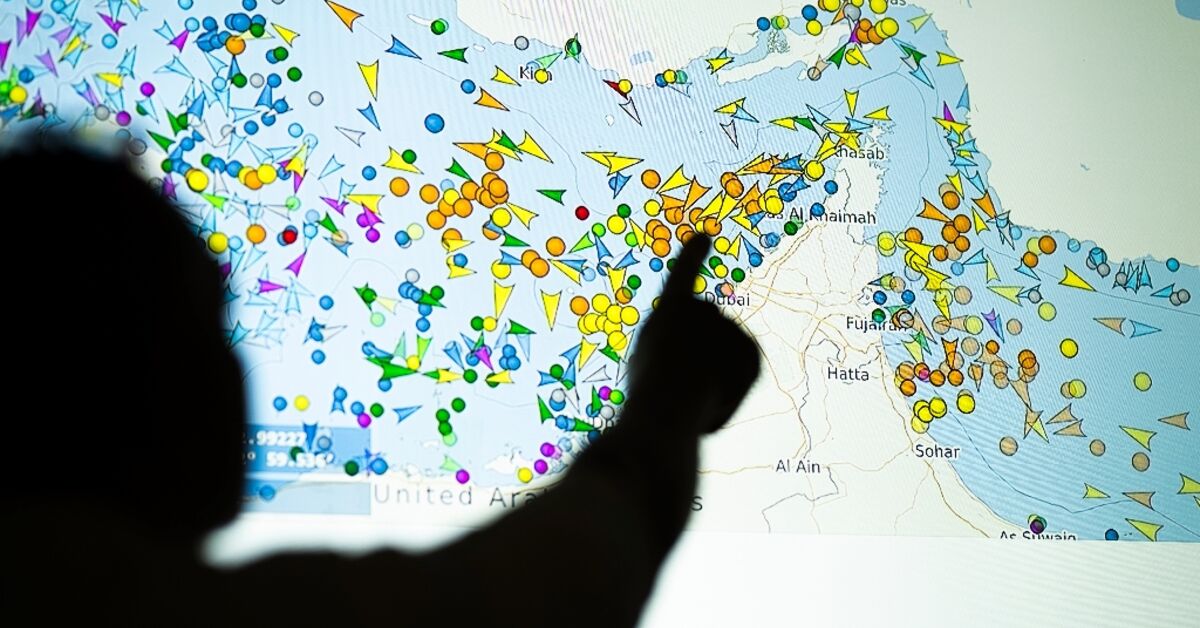
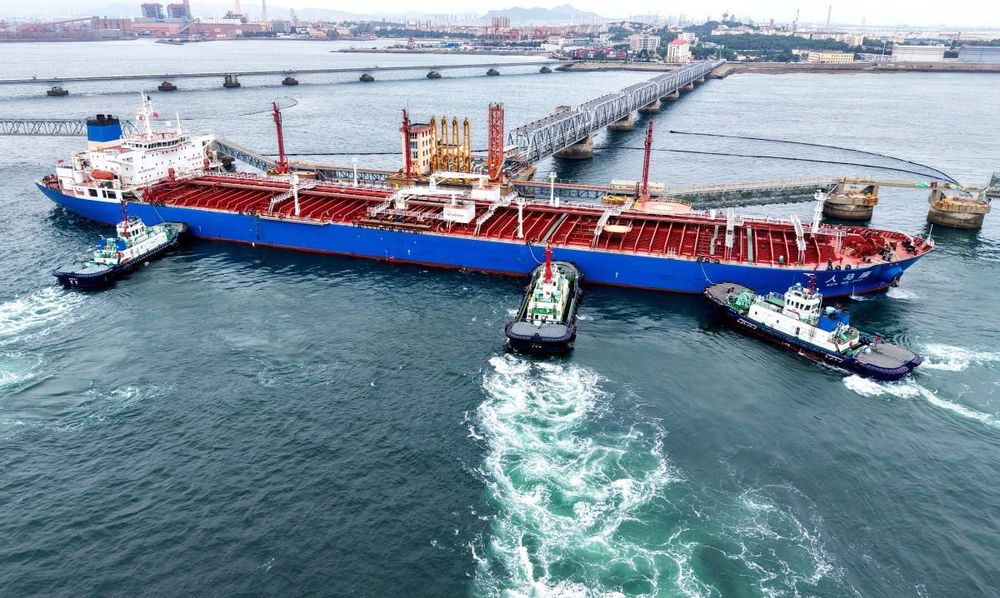
(Bloomberg) — Stocks and Treasuries rallied while oil fell to a three-month low after the US and Iran reached a deal to reopen the Strait of Hormuz, easing concerns over energy-supply disruptions that have roiled global markets.A gauge of Asian shares jumped more than 3% in early trading, while S&P 500 futures were up 1.1%. The dollar declined against major peers and Bitcoin climbed to its highest level in nearly two weeks. Brent crude fell more than 4% to under $84 a barrel.The peace agreement paves the way for an end to a conflict that has claimed thousands of lives, disrupted the global economy and driven volatility across financial markets since the end of February. A resumption in Middle Eastern oil flows may help unwind the geopolitical premium embedded in crude prices, offering relief to policymakers battling inflation.“Markets have been waiting for this news for months, and the relief is already showing,” said Josh Gilbert, lead analyst for Asia Pacific and the Middle East at eToro Ltd., a multi-asset investment platform operator. “However, this is still a move of optimism, not certainty. The nerves won’t fully settle until the deal is signed, meaning investors should still err on the side of caution.”The Strait of Hormuz will be “opening” on Friday upon the signing of the deal with Iran, President Trump said in a post on Truth Social. The deal announcement came first from Pakistani Prime Minister Shehbaz Sharif, and was followed by Trump and Iranian state media. Neither side released the text of the deal but the broad contours had circulated for days.A durable peace deal will likely help ease inflation pressures and reinforce expectations for lower interest rates, supporting bonds while also providing a tailwind for equities and commodities.Yields on 10-year Treasuries slid six basis points to 4.42% on Monday. They may decline toward the 4.20% level as inflation concerns ease after the interim deal to reopen the Strait of Hormuz, according to broker ACCM.The war altered the trajectory of both the US dollar and Treasury yields. The greenback has strengthened since the conflict began, supported by haven demand, America’s status as a net energy exporter and expectations that higher energy costs may prompt the Federal Reserve to raise interest rates. Treasury yields also climbed as traders priced in the inflationary risks posed by higher oil prices.Equity markets, though, have largely shrugged off the turmoil. A gauge of world stocks continued to notch record highs throughout the conflict, most recently on June 2, as relentless enthusiasm for artificial intelligence outweighed geopolitical concerns. It rose as much as 0.6% on Monday.Elsewhere in markets, gold climbed around 2% while silver jumped about 3%. The Bloomberg Dollar Spot Index dropped 0.2%.What Bloomberg Strategists Say…“The dollar is set to weaken this week with crude oil after the US and Iran announced plans to sign a peace accord on Friday. Extended declines for oil will bolster the narrative that inflation may have once more peaked. That sets up equities and bonds to advance as war trades unwind.”— Garfield Reynolds, MLIV Asia Team Leader. Click here for the full analysis.Even as he celebrated the deal, Trump told the New York Times in an interview Sunday that if an agreement isn’t reached with Iran on a nuclear deal, he could restart military attacks on Tehran. Both sides were already casting the deal in different lights minutes after it was announced — suggesting how hard it will be to reach agreement on the outstanding issues around Iran’s nuclear program.Beyond geopolitics, the next major event risk for markets looms on Wednesday, when the Fed votes on interest rates for the first time under new Chair Kevin Warsh. If there’s a convincing message that the Fed is willing to shift back into inflation-fighting mode, Wall Street will likely be reassured about Warsh’s commitment to maintaining the bank’s political independence.“A hawkish Fed hold should support the dollar, but Warsh risks spoiling the dollar bull party,” Elias Haddad, global head of markets strategy at Brown Brothers Harriman, wrote in a note to clients. Markets will focus on whether Warsh “joins the majority in keeping rates on hold or dissents for a cut, becoming the first Fed Chair in history to be outvoted on policy.”Traders are also awaiting a swath of other central bank decisions this week as the energy-price shock from the Middle East war feeds into consumer prices and crimps growth.In Asia, the Reserve Bank of Australia is expected to keep its policy rate unchanged at the end of its two-day meeting on Tuesday while the Bank of Japan may hike its rate to 1%, a level last seen in 1995. Bank Indonesia could lift rates again, according to a Bloomberg survey, after an out-of-cycle move last week to support its currency.“The big question is how quickly this oil relief translates into lower inflation and whether that opens the door for central banks to take an easier stance on monetary policy,” said Tim Waterer, chief market analyst at KCM Trade.StocksS&P 500 futures rose 1.1% as of 10:52 a.m. Tokyo time Japan’s Topix rose 3.8% Australia’s S&P/ASX 200 rose 1.3% Hong Kong’s Hang Seng rose 1% The Shanghai Composite rose 1.3% Euro Stoxx 50 futures rose 1.7% CurrenciesThe Bloomberg Dollar Spot Index fell 0.2% The euro rose 0.3% to $1.1600 The Japanese yen was little changed at 160.17 per dollar The offshore yuan was little changed at 6.7581 per dollar CryptocurrenciesBitcoin rose 2.4% to $65,503.79 Ether rose 2.9% to $1,717.65 BondsThe yield on 10-year Treasuries declined six basis points to 4.42% Japan’s 10-year yield declined 6.5 basis points to 2.570% Australia’s 10-year yield declined four basis points to 4.77% CommoditiesWest Texas Intermediate crude fell 4.8% to $80.84 a barrel Spot gold rose 2.4% to $4,318.90 an ounce This story was produced with the assistance of Bloomberg Automation.–With assistance from Ruth Carson, Winnie Hsu and Matthew Burgess.©2026 Bloomberg L.P.