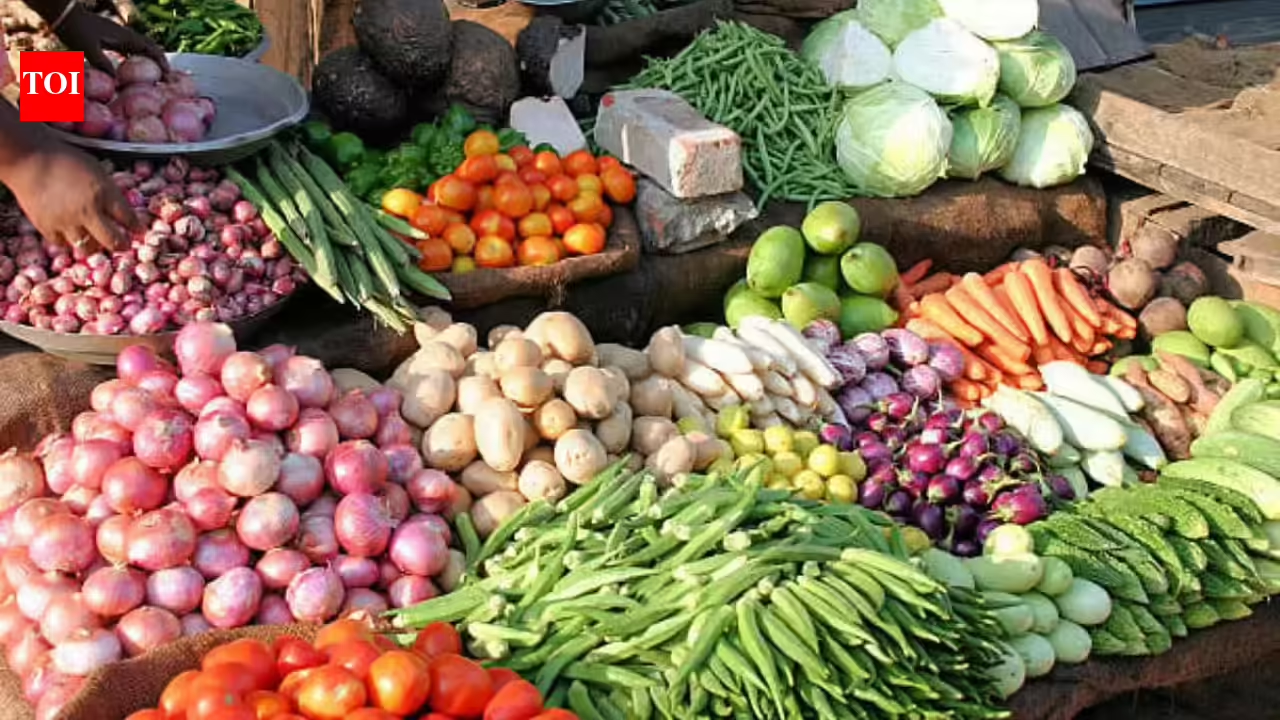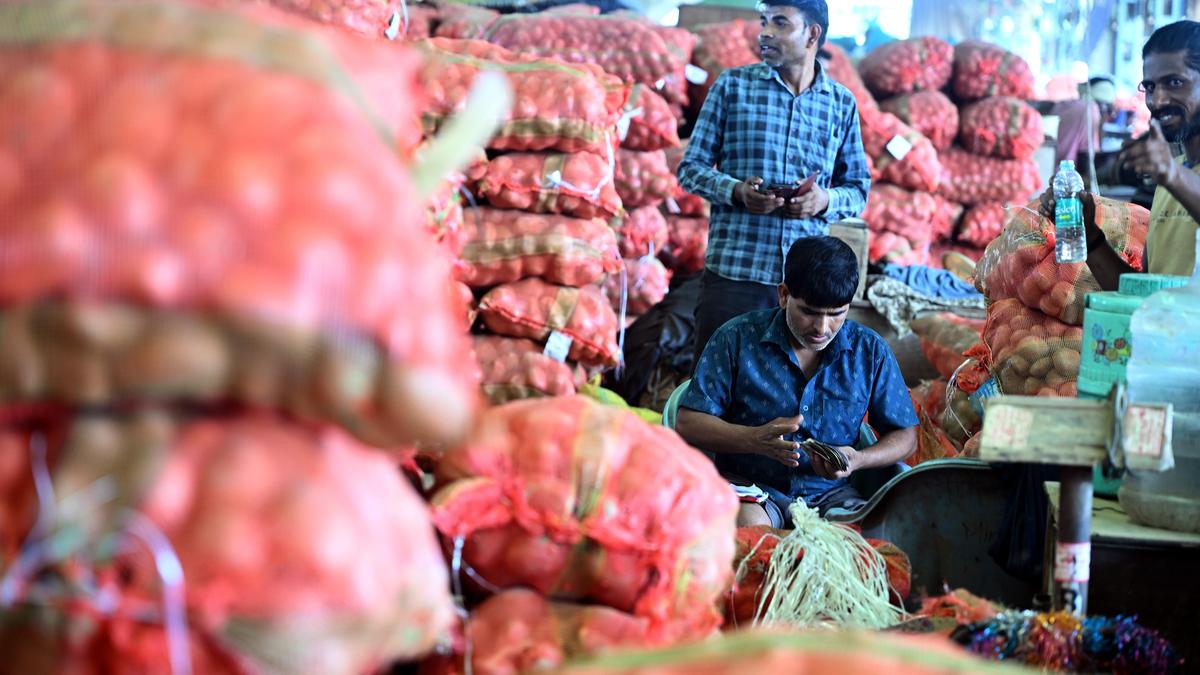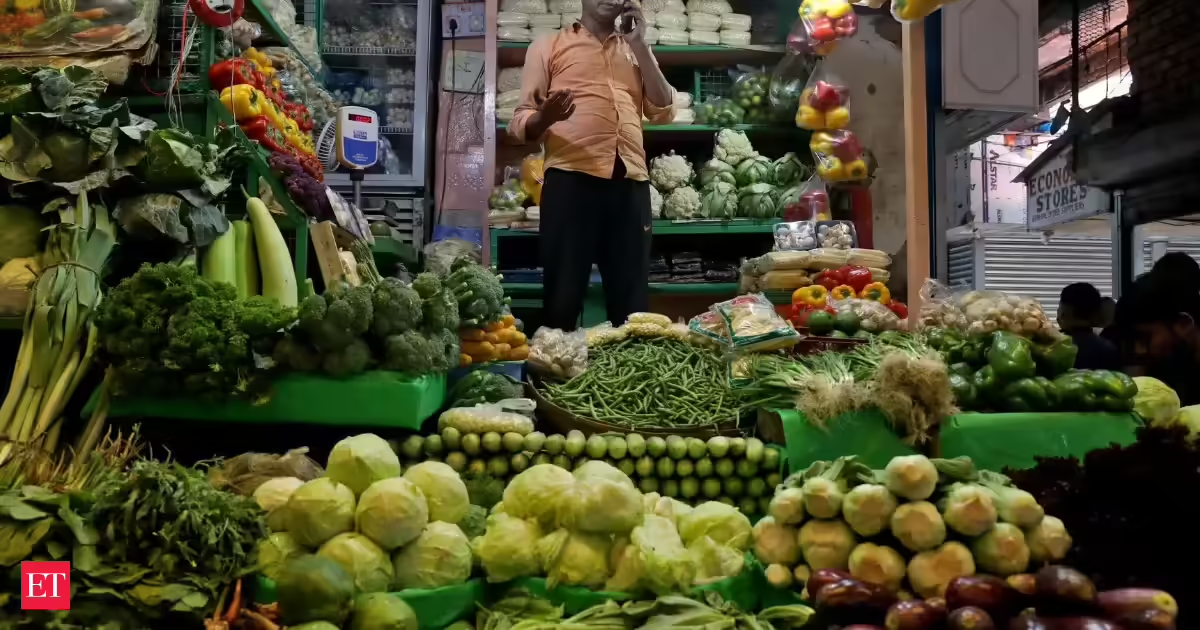
A fall in inflation does not necessarily entail a fall in prices. A fall in prices only happens when inflation growth becomes negative. The ministry of commerce and industry was on Monday set to release a new Wholesale Price Index (WPI) series with the base year shifting from 2011-12 to 2022-23. The government’s announcement on the rollout of new series data also states that this will be the last update to the WPI series and India will eventually move to a Producer Price Index (PPI) measure, which aligns with international standards.People shop at a crowded wholesale vegetable market. (Reuters File)As we await the new WPI series and eventually a PPI measure, it is useful to take a look at wholesale inflation under the 2011-12 series.A recap of the 2011-12 Wholesale Price IndexIn relative terms, manufactured goods had the lowest contribution to WPI growth from April 2011 to April 2026The first month for which we have WPI data in the 2011-12 series is April 2011. Between April 2011 and April 2026, the latest period for which we have this data, overall WPI increased from 100 to 167. The 2011-12 WPI series has three broad heads: primary articles, fuel and power, and manufactured goods. The respective weights of these three are 22.6%, 13.2% and 64.2%. These three sub-categories saw an inflation of 102.4%, 81.7% and 51.6% respectively between April 2011 and April 2026. If one were to look at their weighted contribution to overall WPI growth, then manufacturing alone accounts for almost half of the growth while another one third came from primary articles. However, in terms of relative shares, which adjusts these contributions by the weight of each of these sub sectors, manufacturing’s contribution is the lowest, while primary articles had the highest share. The takeaway is interesting: India’s wholesale inflation between 2011 and 2026 was much more sensitive to commodity prices than factory gate ones.Unlike retail inflation, wholesale inflation often turned negativeA fall in inflation does not necessarily entail a fall in prices. A fall in prices only happens when inflation growth becomes negative. Unlike retail inflation this has often been the case for wholesale inflation. For the 168 monthly rounds for which we have inflation data for Consumer Price Index (CPI) in the 2012 series, inflation was not negative even once. In the 2011-12 WPI series, for which inflation can be calculated from April 2012 to April 2026, monthly headline inflation value was in contraction for 35 months or 20% of the times. The sub-head which went into contraction territory the maximum number of times was the fuel and power category (74 out of 169 months), followed by manufacturing (35 months) and primary articles (30 months).
A recap of the 2011-12 Wholesale Price Index | Number Theory
A fall in inflation does not necessarily entail a fall in prices. A fall in prices only happens when inflation growth becomes negative.
802 words~4 min read