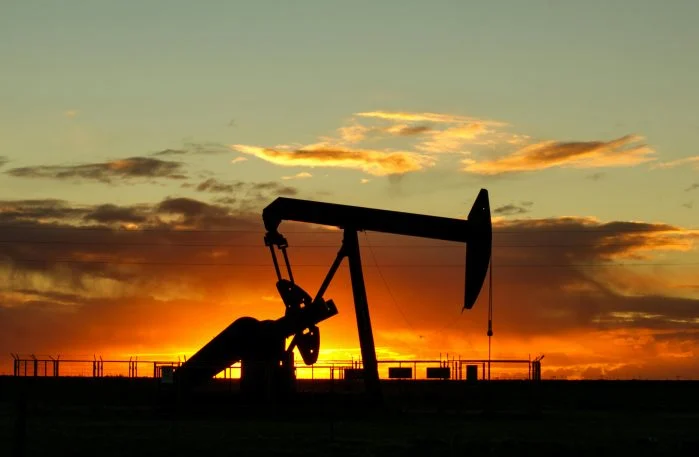
New Delhi: India's wholesale inflationary pressures remain elevated, but easing global crude oil prices and a stable rupee could help soften future price risks, potentially allowing the Reserve Bank of India (RBI) to defer any immediate rate hike despite a sharp rise in wholesale price inflation, according to a YES Bank report. The report noted that the newly rebased Wholesale Price Index (WPI) inflation accelerated to 9.7 per cent year-on-year in May from 8.3 per cent in April, reflecting continued input cost pressures across the economy. The report noted that the newly rebased Wholesale Price Index (WPI) inflation accelerated to 9.7 per cent year-on-year in May from 8.3 per cent in April, reflecting continued input cost pressures across the economy. The rise in wholesale inflation was primarily driven by a sharp increase in fuel prices, which climbed 30.3 per cent year-on-year, led by higher prices of petrol, natural gas and mineral oils. Manufacturing inflation also strengthened to 7.5 per cent, indicating broad-based pricing pressures. However, the report believes that recent developments in global commodity markets could provide some relief going forward. "There appears to be some respite for global crude oil prices, overall commodity prices and the industrial metals, owing to the announcement of the likely signing of the peace deal between US and Iran," the report said. According to YES Bank, lower crude oil prices, coupled with the appreciation of the Indian rupee and a weaker US dollar, could reduce imported inflation pressures and lessen the need for fuel price increases by oil marketing companies. The report further stated that "the current downshift in global crude oil prices and the relative stability of the USD/INR is expected to provide the RBI with a greater comfort in postponing its rate hike decisions greatly into the future." In its assessment of monetary policy, the bank has lowered the probability of an August rate hike, citing softer inflation risks and the central bank's ability to wait for greater clarity on weather-related risks. While headline consumer inflation has remained below the RBI's own projections, the report flagged El Nino-related food inflation and rising household inflation expectations as key risks to monitor in the coming months. The report also highlighted the introduction of the new Producer Price Index (PPI) framework by the Department for Promotion of Industry and Internal Trade (DPIIT), under which the Output PPI is expected to replace the WPI over the next five years.
Cooling crude may ease inflation heat, give RBI room to stay on pause despite WPI surge: YES Bank
India's wholesale inflation is high, driven by fuel and manufacturing costs. However, falling global crude oil prices and a stable rupee offer potential relief. This could allow the Reserve Bank of India to postpone interest rate increases. The central bank is monitoring weather-related food inflation risks. A new Producer Price Index framework is also being introduced.
403 words~2 min read