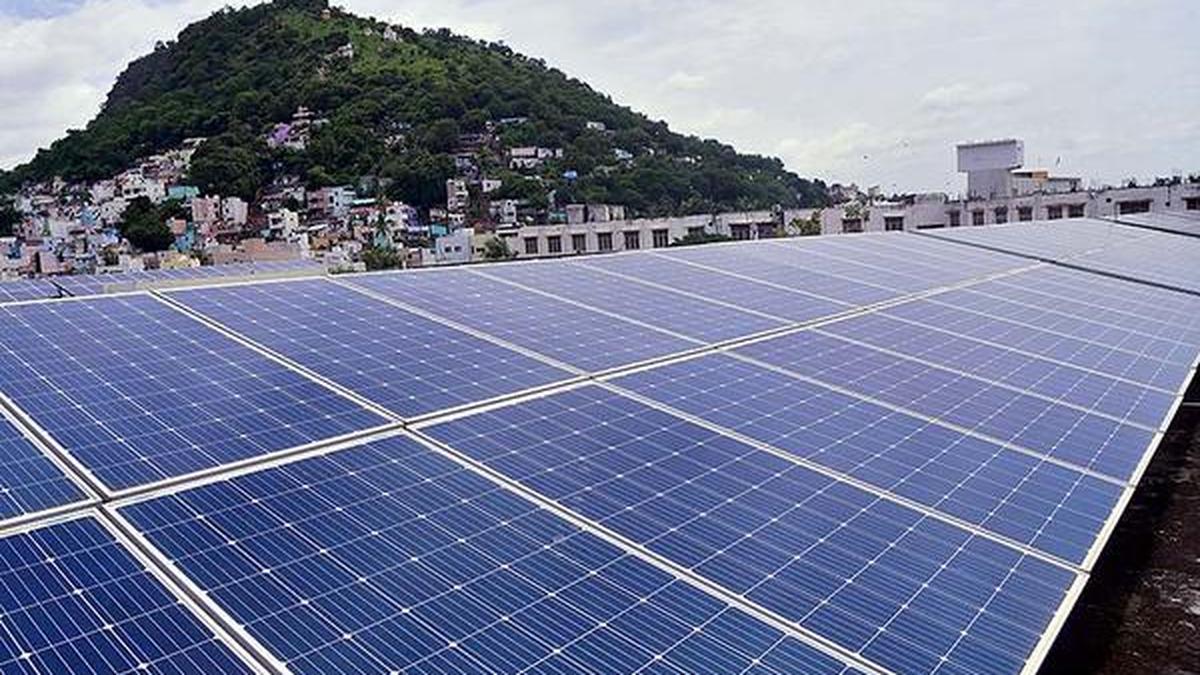
Items such as solar & wind energy and nuclear electricity will be included.
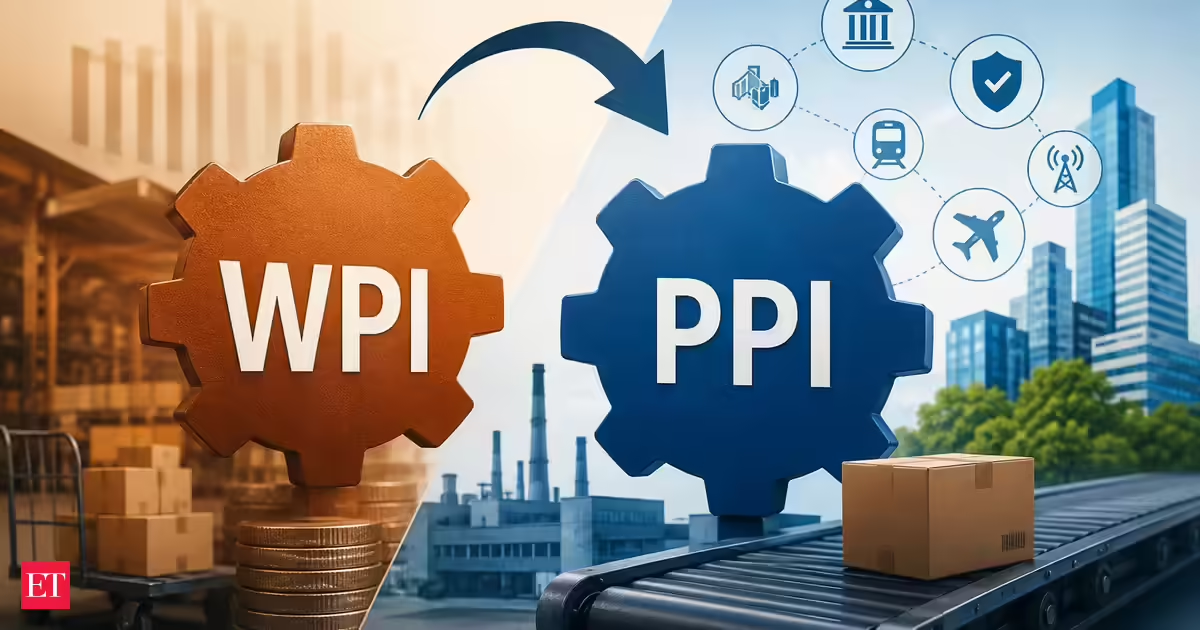
In a major overhaul of India’s inflation metrics, the government will launch a revised Wholesale Price Index (WPI) series this month, kickstarting a five-year transition to replace it entirely with a new Producer Price Index (PPI).On June 15, the DPIIT will release the revised series of WPI with base year FY23, replacing the existing series with base year FY12, and incorporate an expanded basket of 957 commodities, up from 697 items, said Praveen Mahto, Principal Economic Adviser in the Commerce and Industry Ministry, on Tuesday. Additions include items such as solar & wind energy and nuclear electricity. Simultaneously, it will introduce a new series of Output PPI , Trial Input PPI, and Service PPI of seven services, covering banking, securities transaction, insurance, pension funds management, railways, air (passenger) and telecom.“Considering the wide usage of WPI in price escalation clauses, this index will be released for five years from the date of release of the revised series along with PPI and will be discontinued thereafter.This would give sufficient time to users to switch from WPI to PPI,” according to a statement issued by the DPIIT.While the WPI tracks prices of goods at the wholesale/bulk market level, PPI tracks prices at the point of production (farm-gate/factory-gate).Pointing out the advantages of PPI over WPI, an official explained that the PPI was more consistent with National Account framework and aligned with global best practices adopted by advanced economies. “Availability of both Output PPI and Input PPI explains how inflation experienced by producer on input items are passed through the output being produced. Further, both the PPIs provide for an opportunity to eliminate the double counting of inflation unlike WPI. WPI covers goods only, whereas PPI includes services as well in the basket,” the official said.The Output PPI will cover 123 products categories comprising 1,500 items, which will subsequently be available at a more disaggregated level, the official added.Published on June 2, 2026