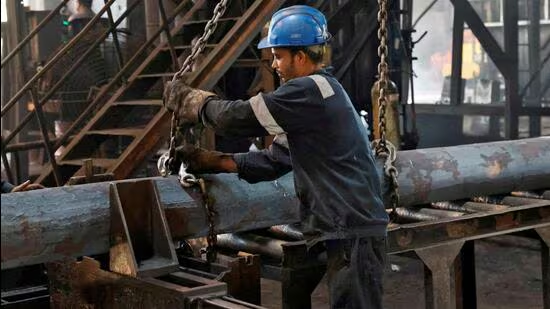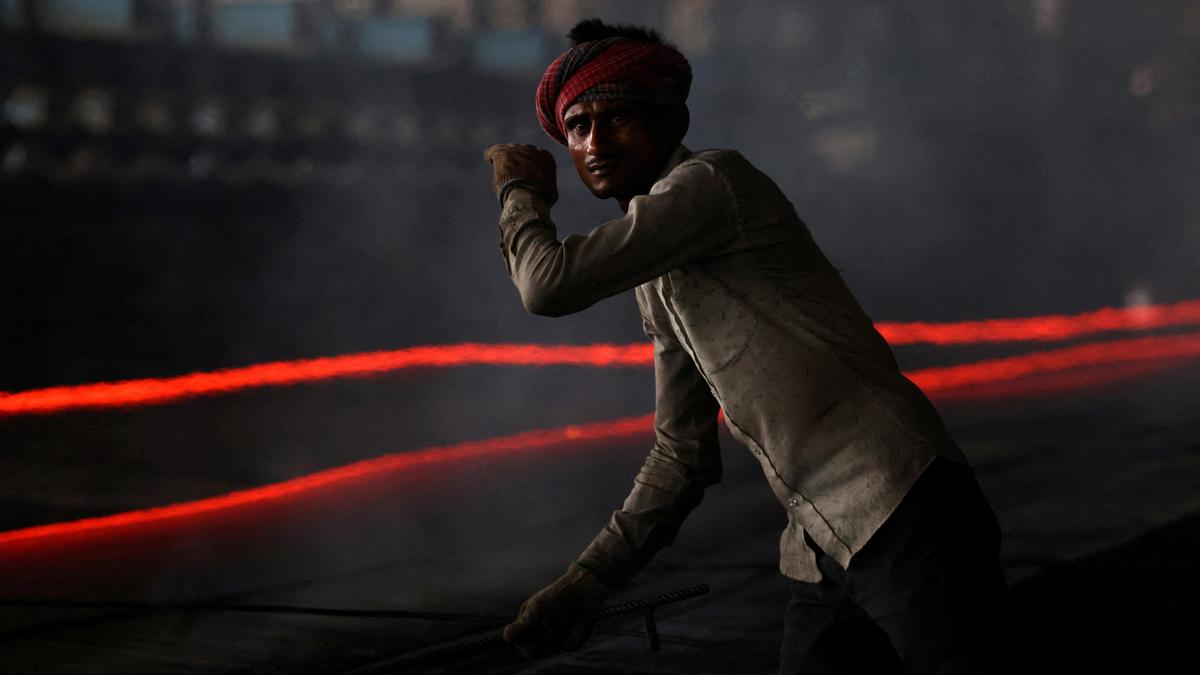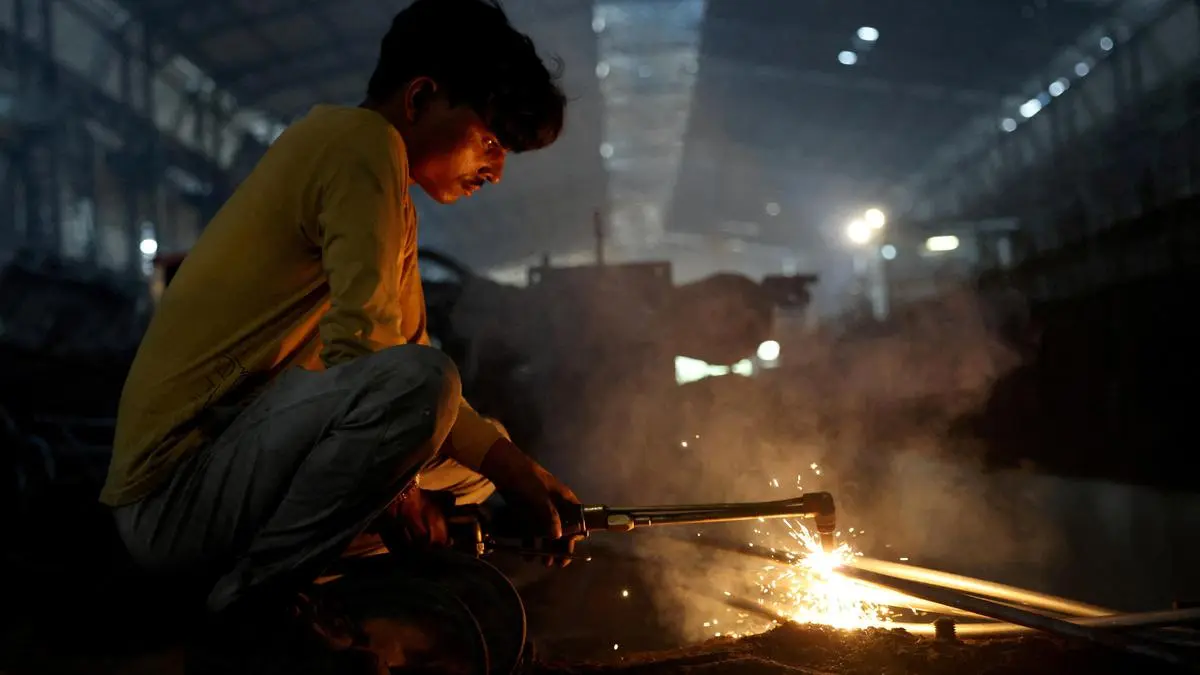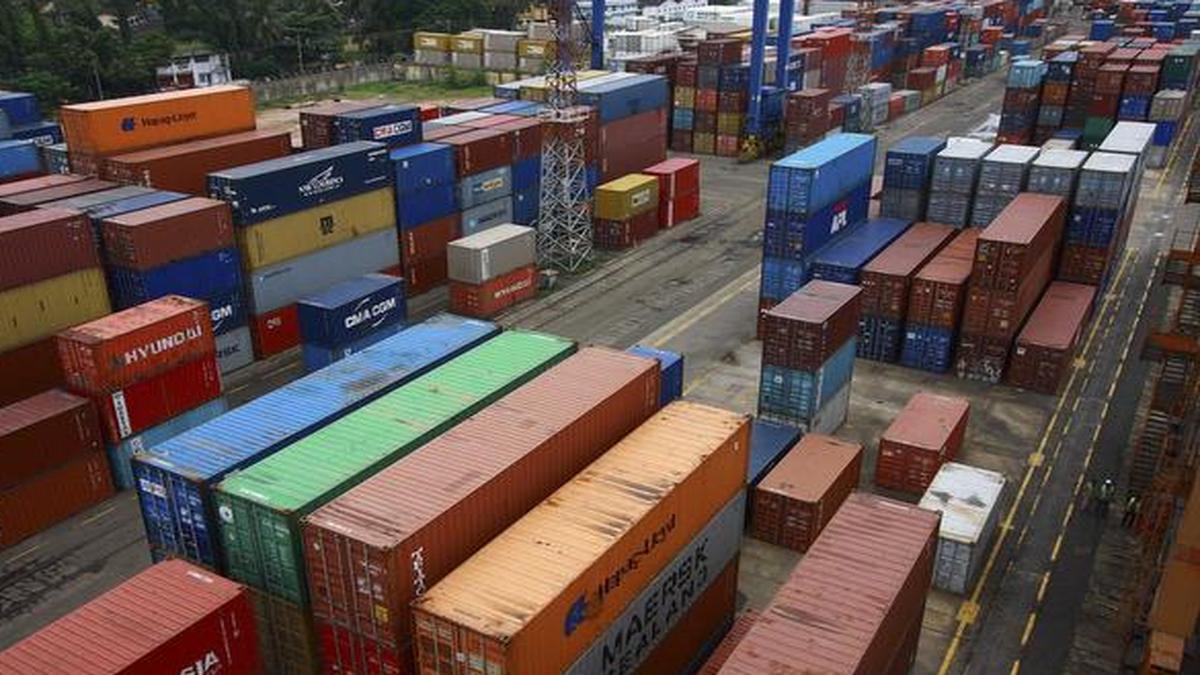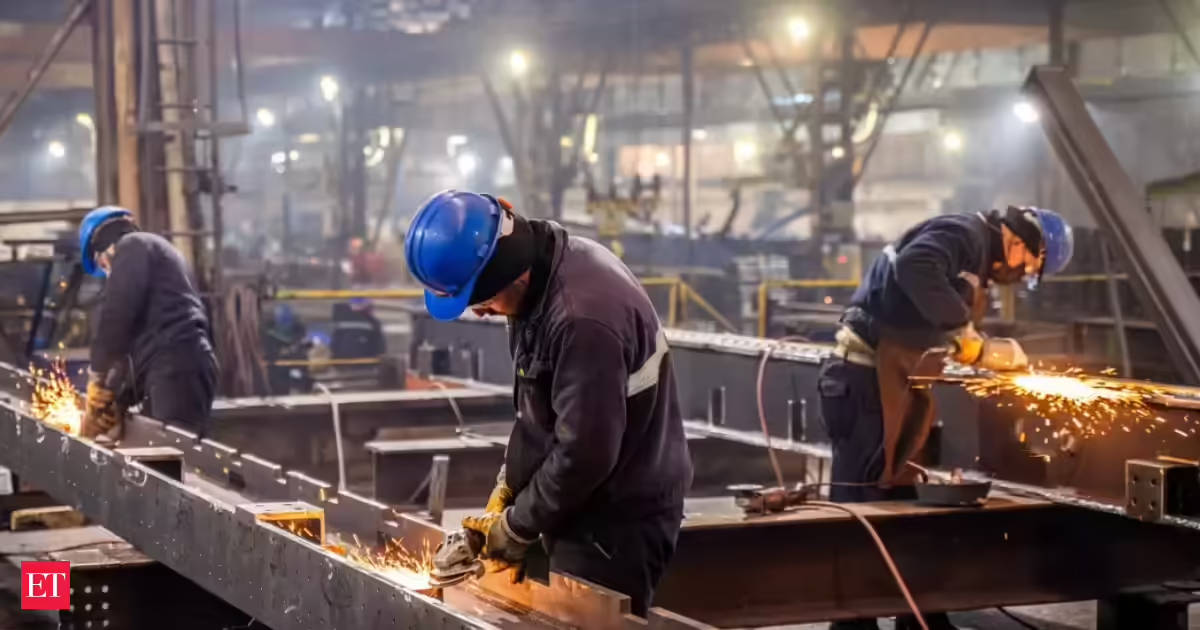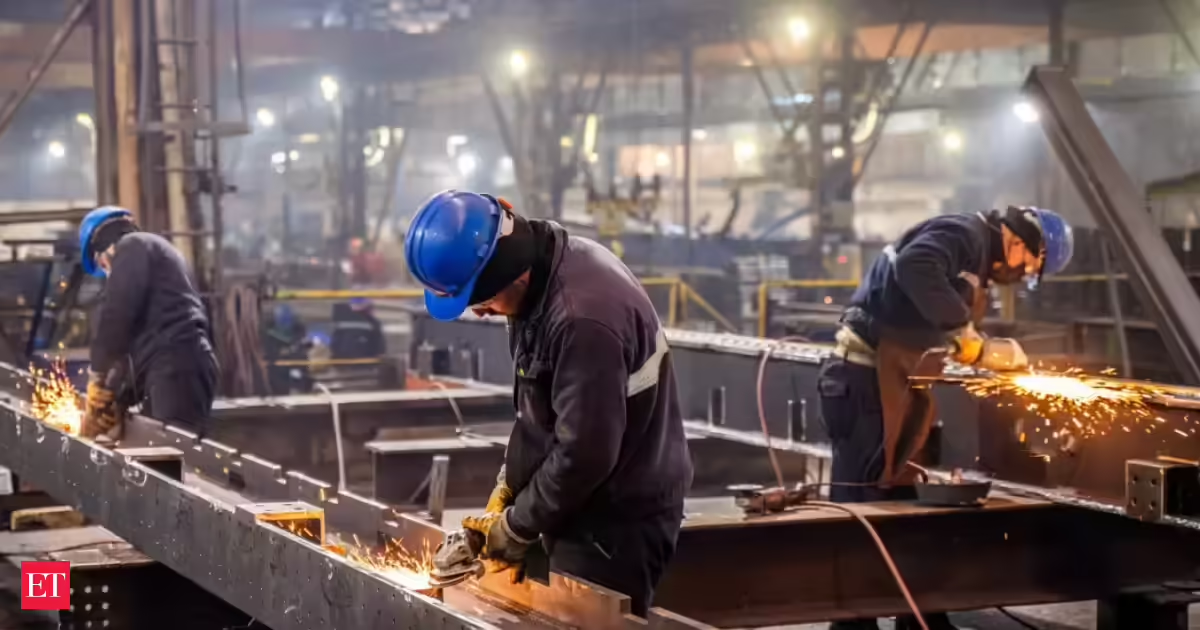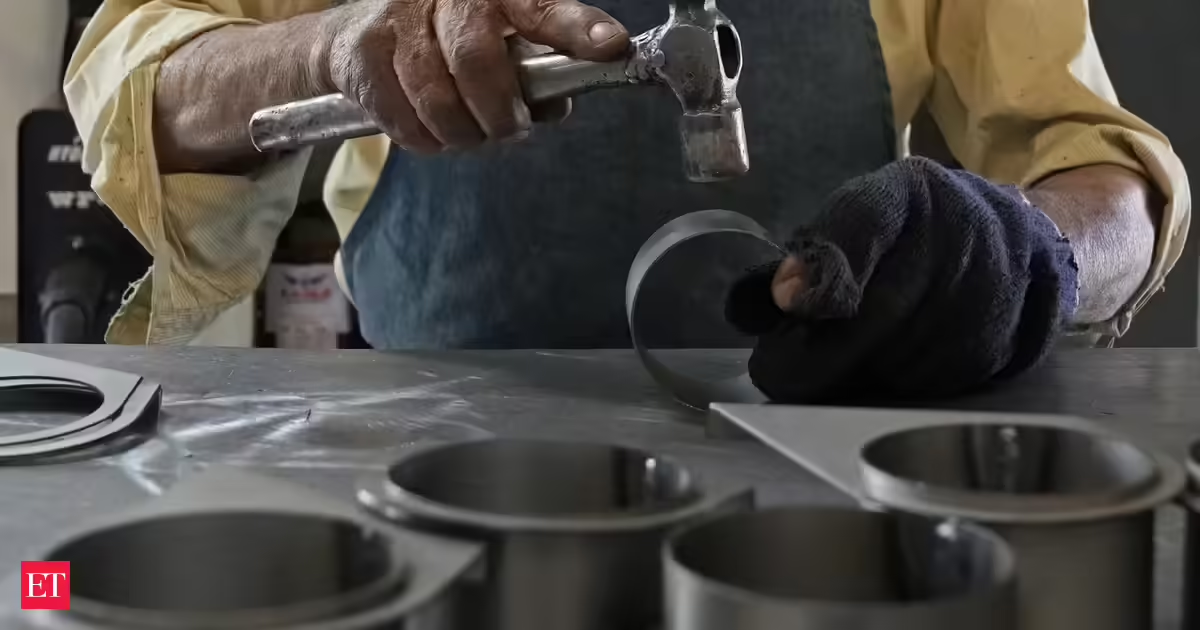
India's industrial output for April came in at 4.9% under a new series after the government revised the base year for the 10th time, expanding the index's coverage with 120 new item groups and providing more granular data through separate indices for multiple sectors.The factory output, measured by the Index of Industrial Production (IIP), had slowed to a five-month low of 4.1% in March under the old series while the growth rate for February was revised lower to 5.1% back then, according to data from the National Statistics Office showed.Now, the base year for the IIP has been revised to 2022-23 from 2011-12. The updated series expands the basket of products tracked by the index to include items such as magnetic stripe cards, including debit and credit cards, CCTV cameras, non-woven textile products, aircraft and spacecraft parts, stents and vaccines.The revised series also broadens the scope of industrial activity captured by the index through the inclusion of emerging and previously underrepresented segments, including rare earth minerals, gas supply, water management and waste treatment.The Index of Industrial Production (IIP) is one of India's key economic indicators, measuring changes in output across the mining, manufacturing and electricity sectors. It is closely tracked by policymakers, businesses and investors as an early gauge of industrial activity and the overall health of the economy.Under the new series, manufacturing, which remains the largest component of the index, grew 6.2% during April, while power generation expanded 4.9%.Mining & Quarrying output in April contracted 5.1%. Water Supply, Sewerage & Waste Management in April stood at 6.6%. The new IIP series for 2022-23 continues to track output in the mining, manufacturing and electricity sectors, but also adds gas supply and water supply, sewerage and waste management activities. This expands the coverage of the index and provides a more complete picture of industrial activity in the country.The mining component has also been widened to include minor minerals and rare earth minerals in addition to major minerals, making the index more representative of the sector.Meanwhile, the Ministry of Statistics and Programme Implementation (MoSPI) has also revamped the IIP product basket to better reflect current industrial production trends, replacing outdated products with newer commodities and aligning the series with the National Industrial Classification (NIC)-2025 framework.The revised basket comprises 1,042 products across 463 item groups, including 120 newly added groups. At the same time, 64 item groups have been removed, including kerosene, fluorescent tubes, CFLs, and tubes for bicycle, tricycle and rickshaw tyres.The new series provides a more detailed picture of industrial activity by introducing separate indices for renewable and non-renewable power generation, helping policymakers track changes in India's energy mix more effectively. The mining and quarrying sector has also been broken down into separate indices for fuel minerals, metallic minerals and non-metallic minerals.The revised methodology will also allow authorities to replace factories that have permanently shut down with comparable operating units and add newly commissioned large factories to the sample base. This is expected to make the data more representative of current industrial activity and improve the accuracy of the index over time.
India's industrial output in April at 4.9% under new series, manufacturing output grows 6.2%
India's industrial output for April reached 4.9% under a revised Index of Industrial Production (IIP) series with an updated base year of 2022-23. The expanded index now includes 120 new item groups, capturing emerging segments and providing more granular data across sectors like manufacturing, mining, and electricity.
TL;DRAI
India revised its IIP base year to 2022-23; April industrial output reached 4.9%, manufacturing +6.2%, mining -5.1%. The expanded basket—rare earths, renewable power split, 120 new item groups—improves upstream visibility for supply chain teams sourcing from India.
511 words~2 min read