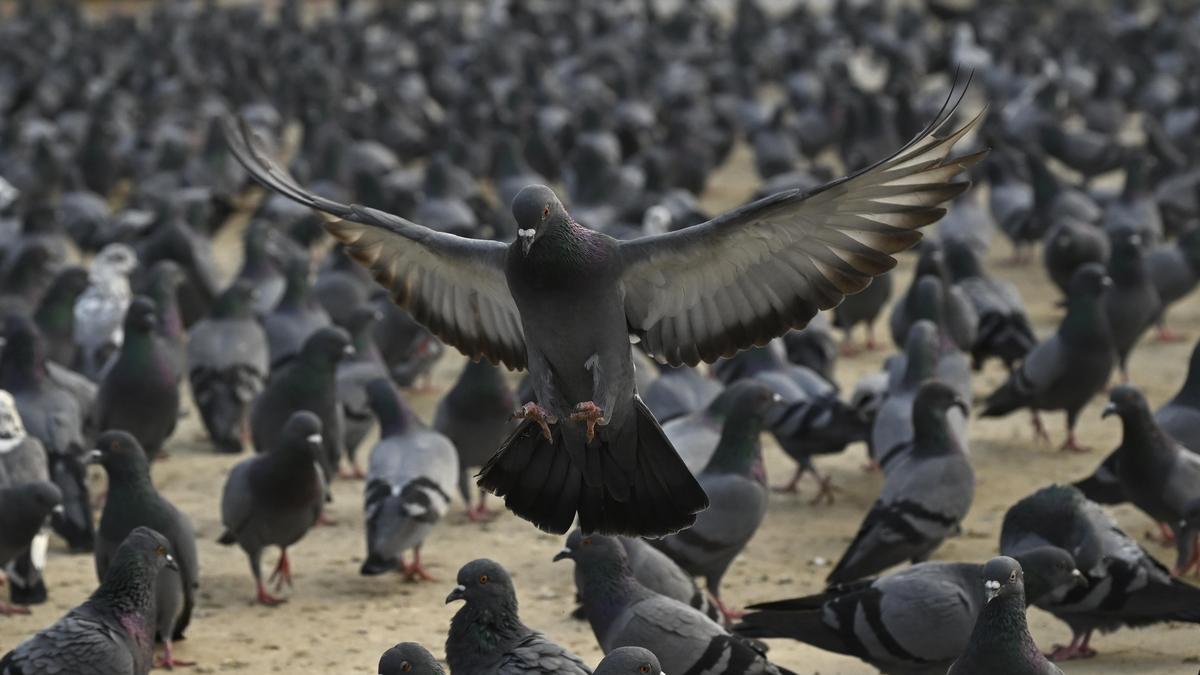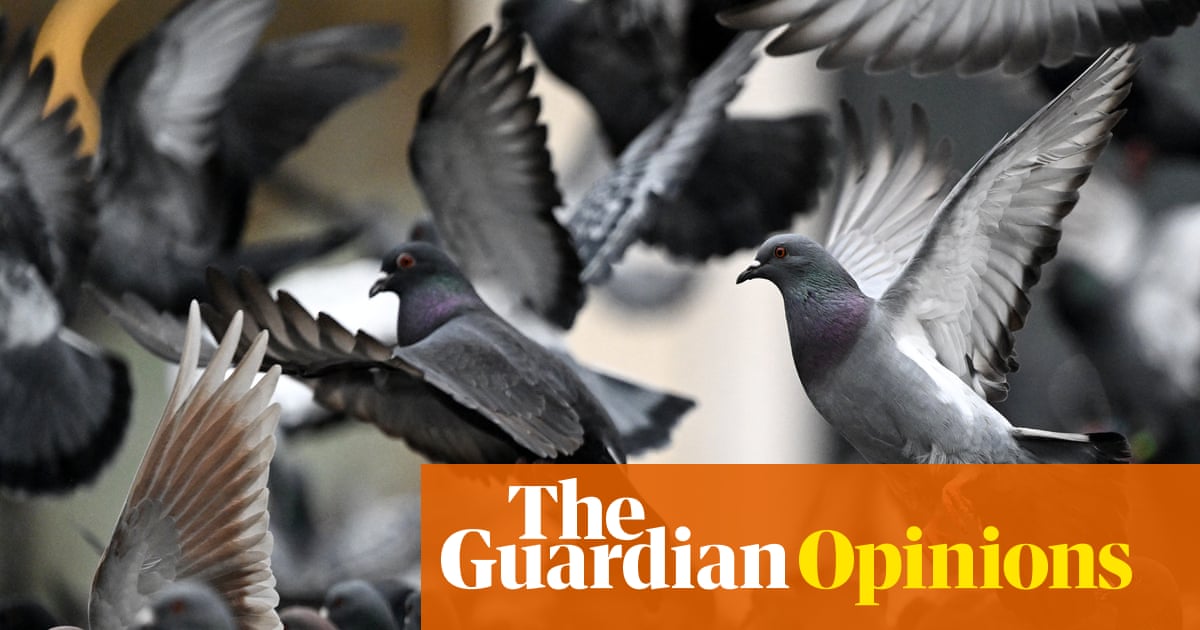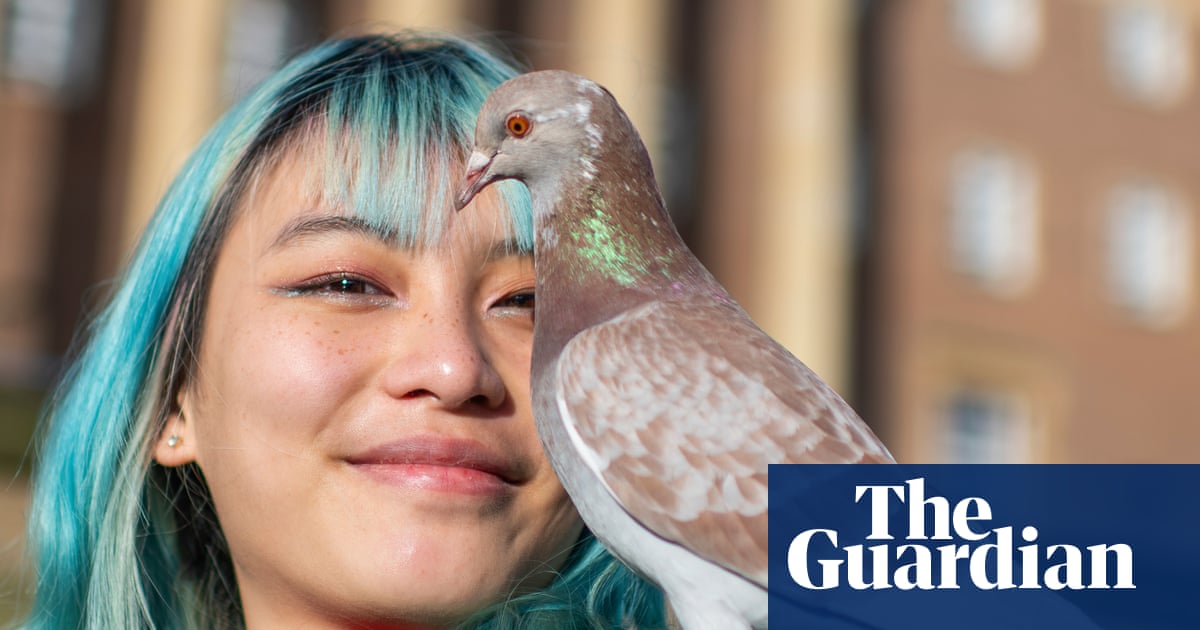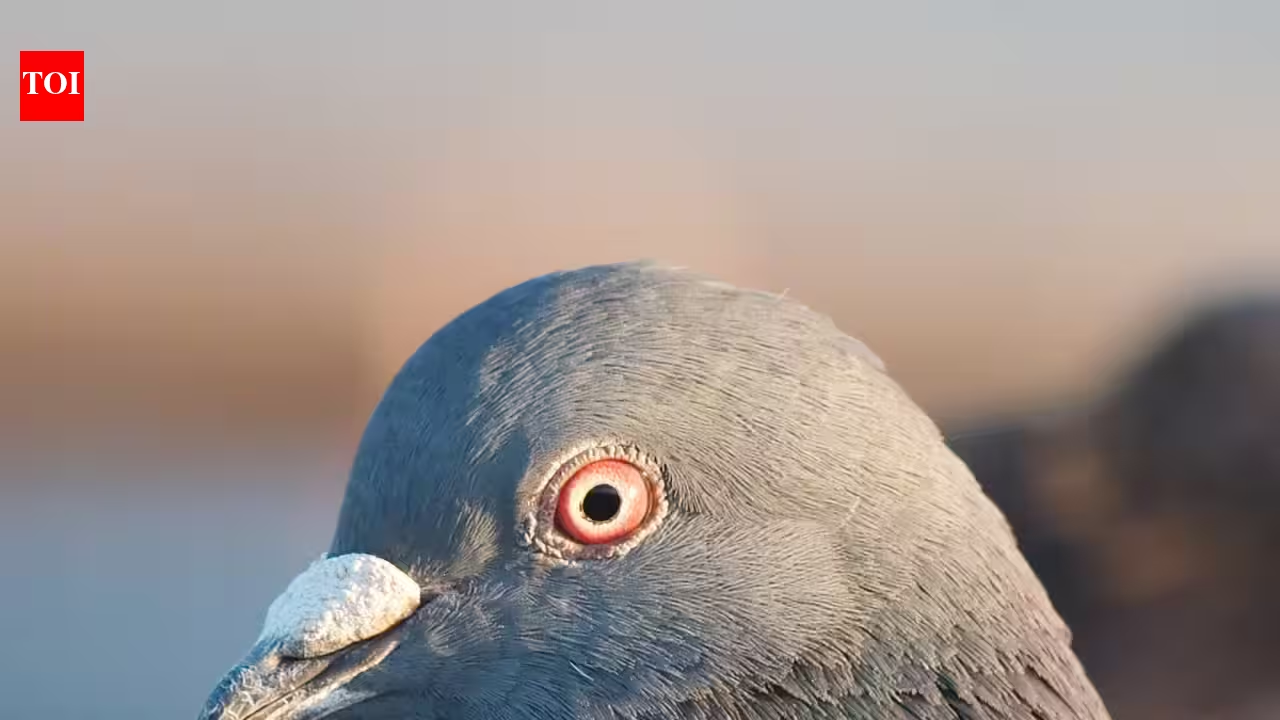
As a 16-year-old, I joined a group of outraged students in Delhi to protest the decision to shoot pigeons. We were aghast that the administrators of a nearby school were planning to pump bullets into blue rock pigeons. Their strident argument was that the birds were a menace. Ours was compassion: it was wrong to kill these creatures.
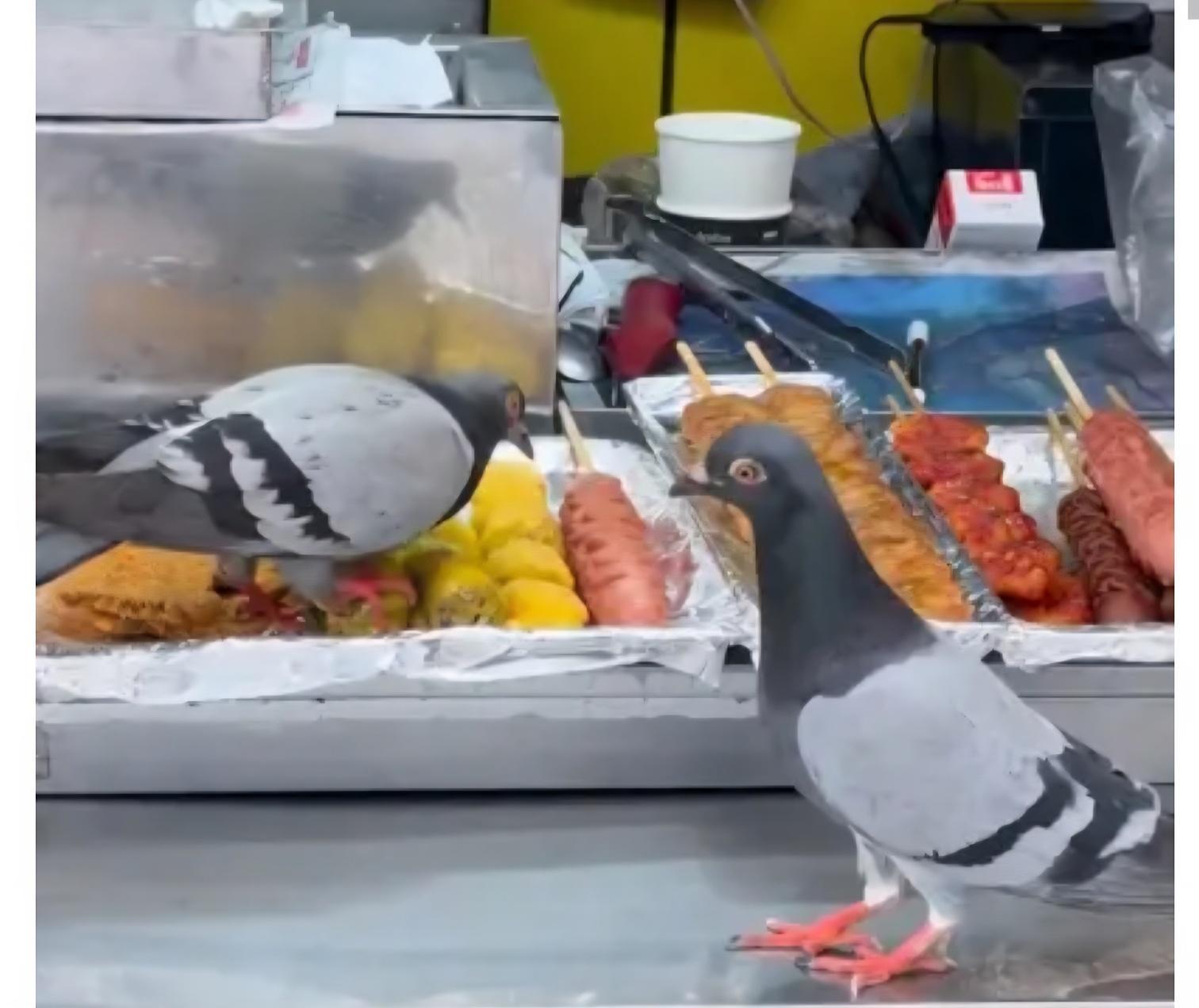
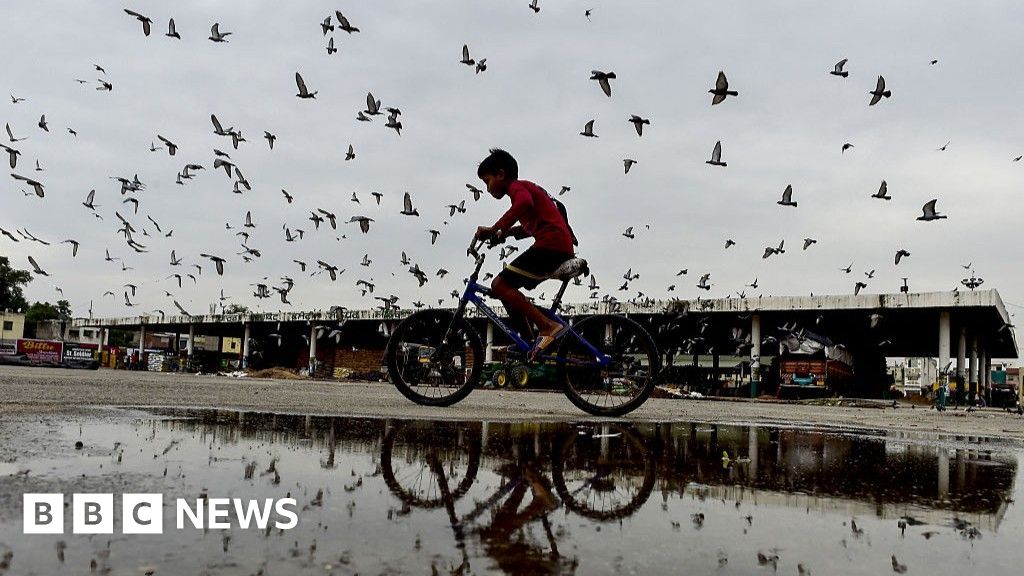
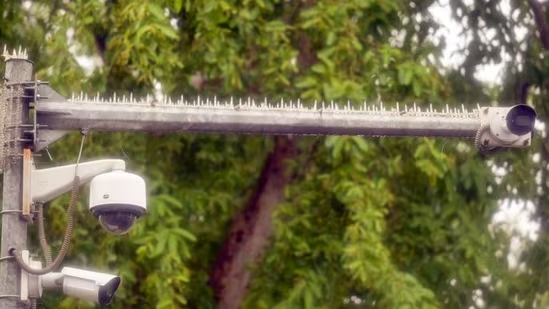
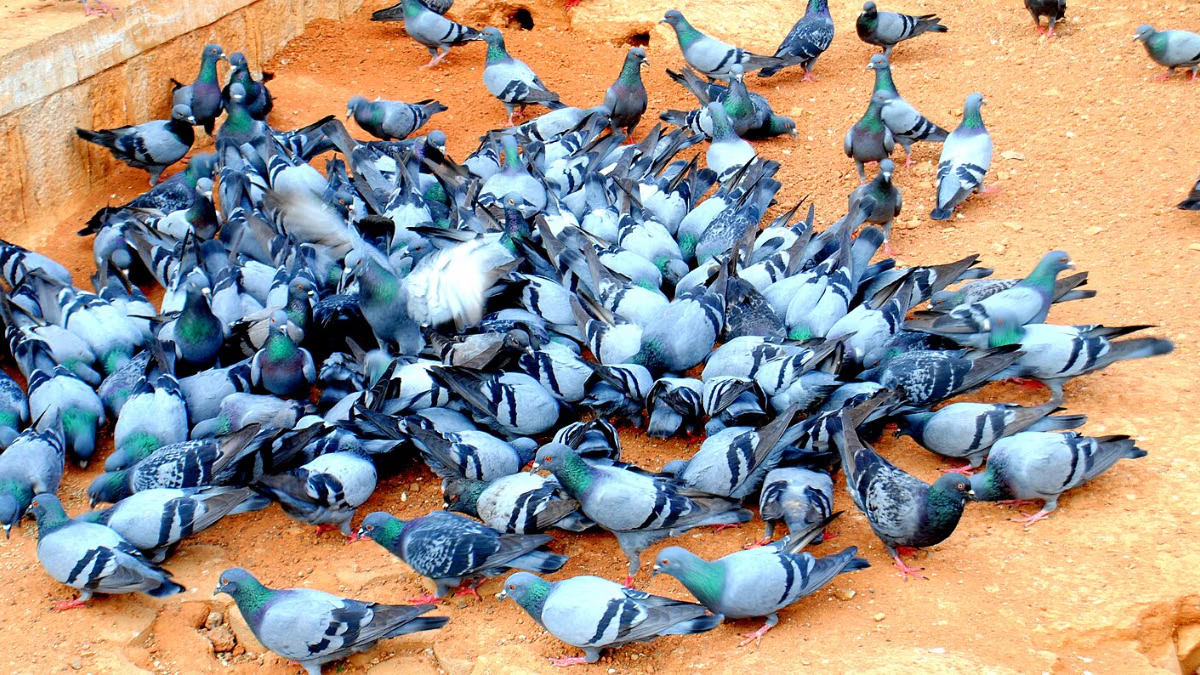
A decade and a half since the incident, I struggled to run my home in Delhi efficiently. Constantly exasperated by the stubborn pigeons sticking to every crumbling ledge, finding their excreta and feathers on every terrace and balcony. They would roost and poop on the steps throughout the day, all the while staring at you as if you were the interloper, intruding on their space. Despite spikes, water jets and an adventurous pet cat, the pigeons persist. In fact, similar stories can be found, heard, and observed on every street corner in the country. I occasionally think about my youthful activism on behalf of such a pesky bird. Perhaps we were morally correct, but science suggests our approach to human beings and birds was quite wrong.
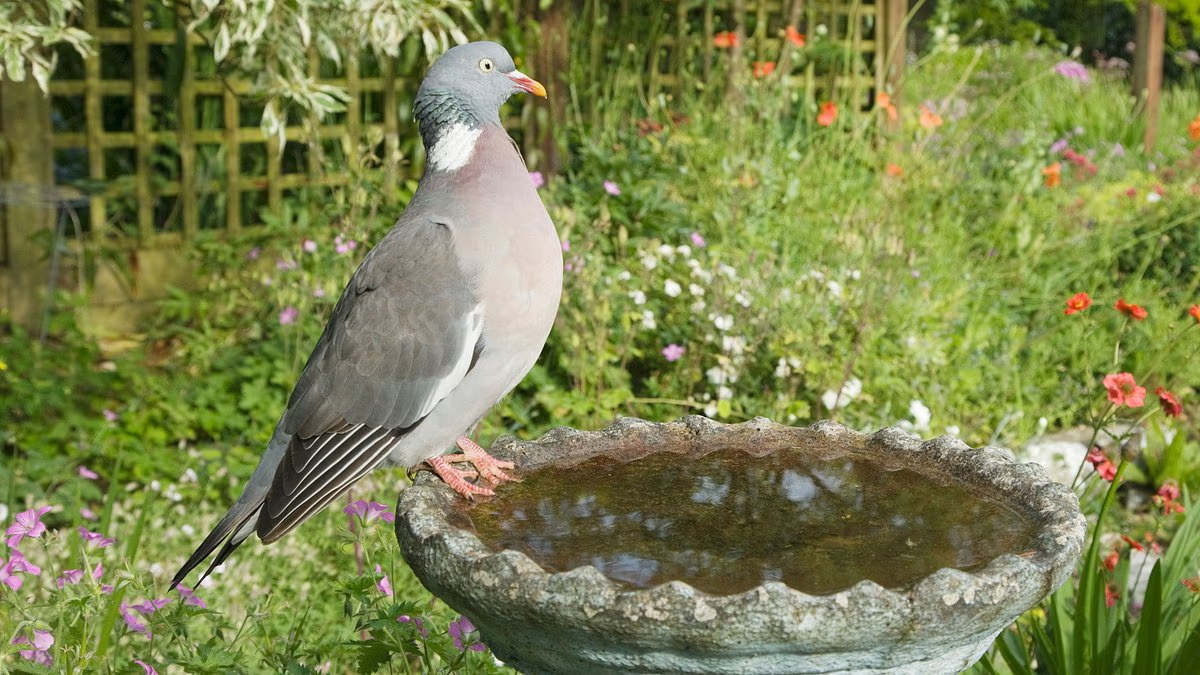
We now know how some birds turn into invasive species, claiming space from other species. Researchers Manjula Menon and Rangaswamy Mohanraj from Bharathidasan University in Tiruchirapalli spent two years building data from 80 points in the city. They concluded that the Blue Rock Pigeon, the Black Kite, the Common Myna and the House Crow comprised 78.15 per cent of the total bird abundance. A common trait these species share is that they have extended palettes, and so they can eat a wider range of food, making it easy for them to adapt. The Blue Rock Pigeon has become invasive in cities such as Rome and London, where feeding them is now frowned upon.Among the common birds, the pigeon is certainly the most pernicious because it spreads respiratory diseases that are hard to reverse. The Pigeon Fancier’s Lung, for example, can easily turn into fibrosis. Dust inhaled from their droppings comprises fungi like Histoplasmosis, which can become severe for the vulnerable. Anyone who feeds pigeons endangers public health.But still options such as shooting or poisoning the bird are entirely undesirable. We don’t want to become a gun culture against species we may not like. We don’t want to justify shooting “vermin” without extreme oversight and a legal mandate on a case-by-case basis. And poison spreads, and would kill more species and ruin soil, water and planetary health irreversibly.These violent means are not justifiable because other options exist.