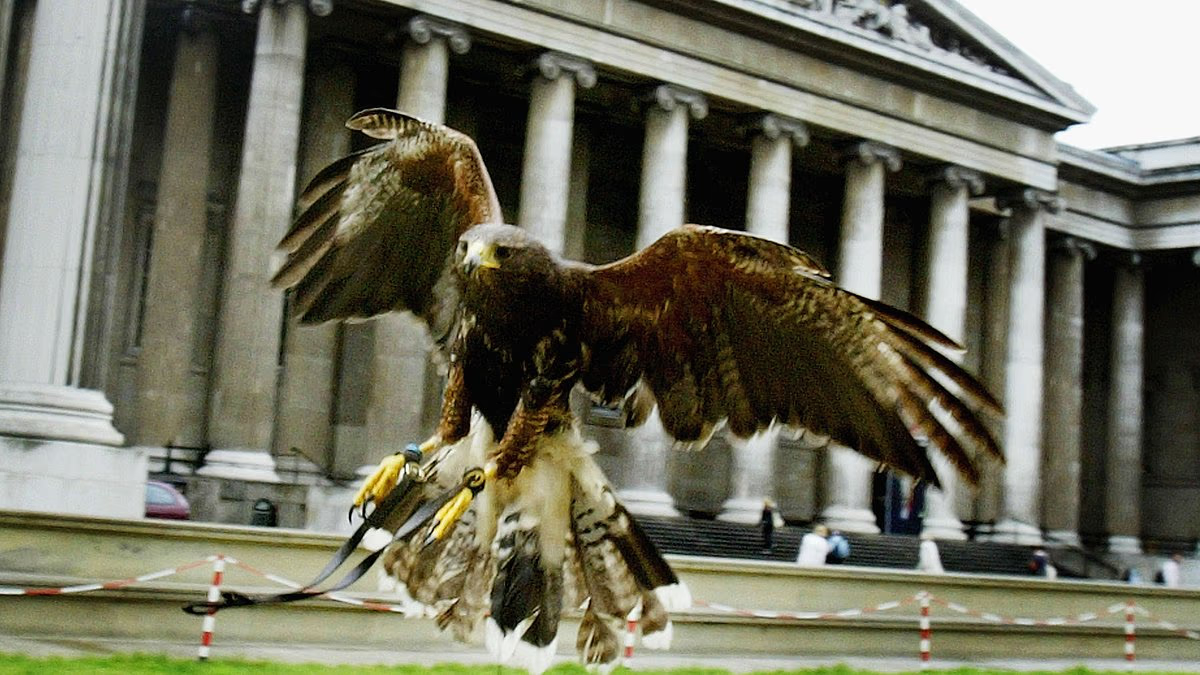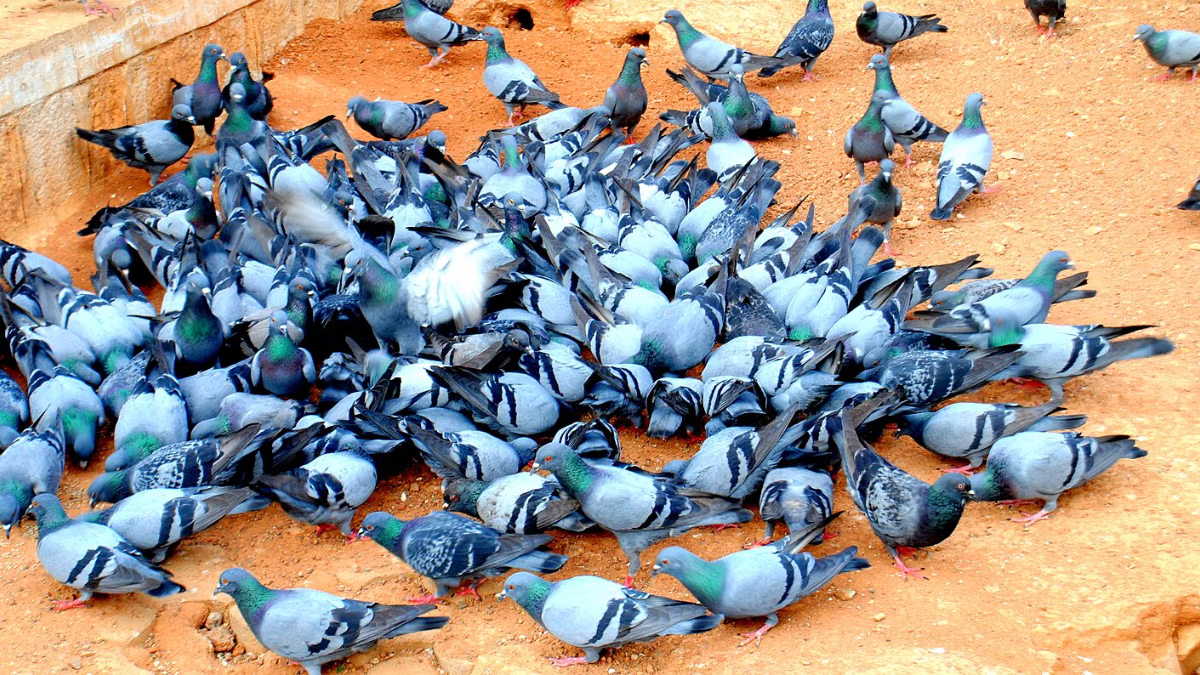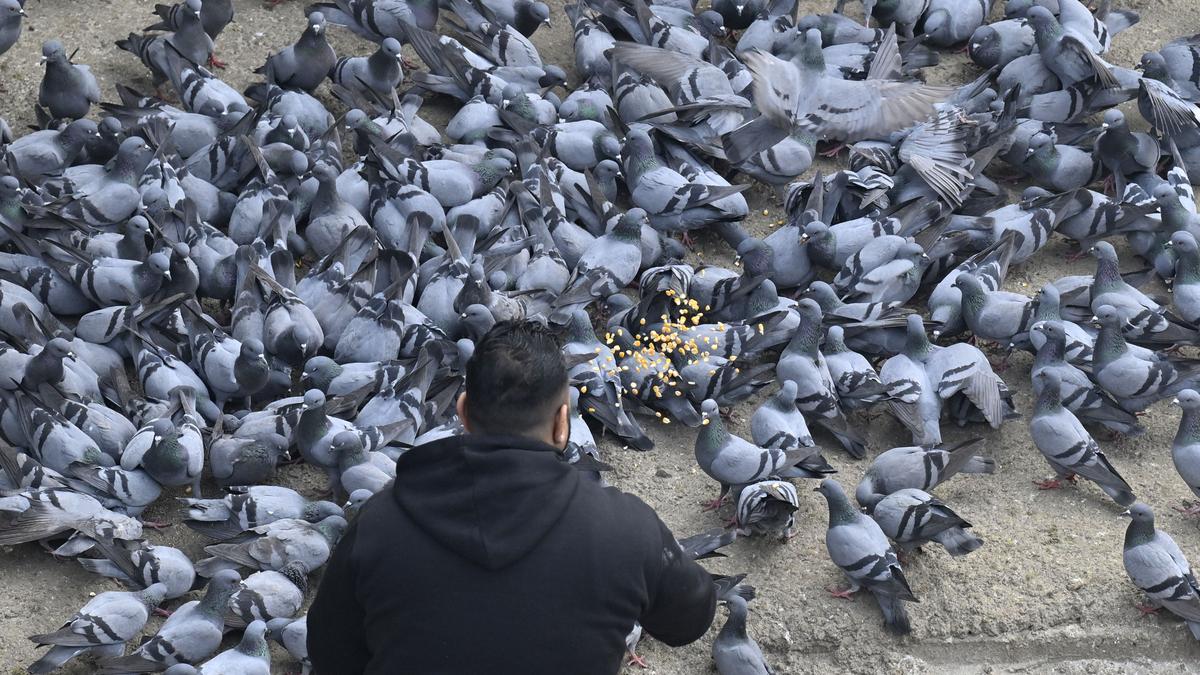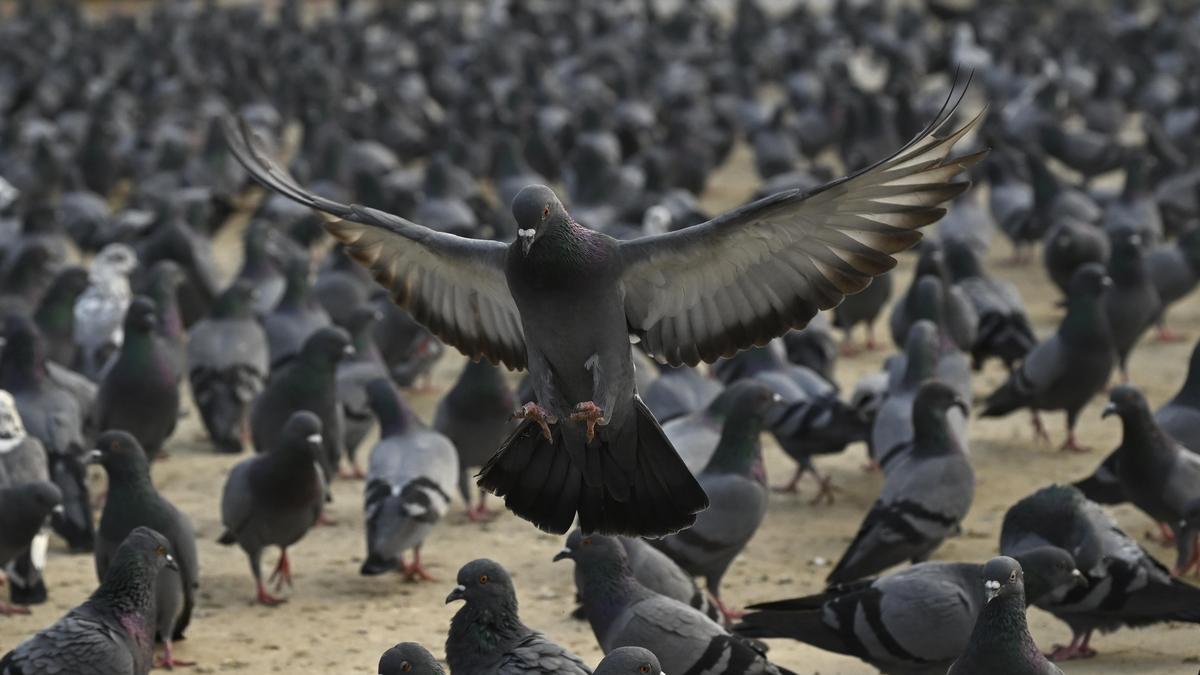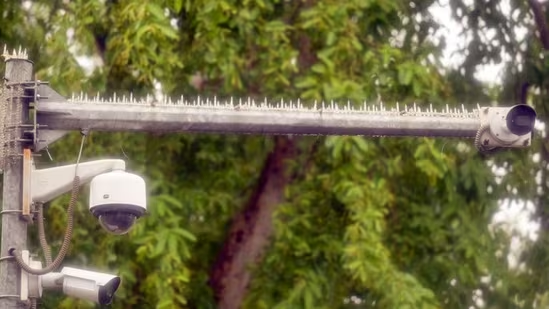
Pigeons are a familiar sight across Lutyens’ Delhi, perched on sandstone buildings, traffic lights, lamp posts and scattered across footpaths. But the birds have lately become an unlikely challenge for Delhi Police, whose officers said they have been interfering with one of the Capital’s most critical surveillance systems by obscuring CCTV camera lenses with droppings.To tackle the problem, Delhi Police has begun installing “anti-bird spikes” around CCTV cameras across the high-security zone. (HT_PRINT)To tackle the problem, Delhi Police has begun installing “anti-bird spikes” around CCTV cameras across the high-security zone. Officials said the spikes are meant to prevent pigeons from perching directly above cameras, where droppings have repeatedly blurred lenses, obstructed footage and affected surveillance.Also Read | Delhi: Pigeon faeces poses health risk; MCD calls for checksAnti-bird spikes around CCTV camerasThe slim plastic spikes -- commonly seen on balconies, ledges and rooftops to deter birds -- are now visible on poles carrying CCTV cameras across central Delhi. Officials said the intervention is aimed at ensuring uninterrupted surveillance in an area that houses Parliament, Rashtrapati Bhavan, North and South Block, diplomatic missions and key government offices.A police officer said bird droppings had become a recurring maintenance problem. “The spikes were installed recently because droppings were obstructing the camera view,” the officer said, adding that all new Delhi Police CCTV cameras are being fitted with the deterrent.Also Read | As Delhi swelters, dehydrated birds fall from skies and street animals battle heat distressCameras needed for VIP movement, traffic flow and securityWhile the issue may appear minor, officials said it has significant operational implications. Cameras in the Lutyens’ zone are relied upon to monitor VIP movement, traffic flow and security-sensitive locations throughout the day. “For investigators, a clear camera feed can often make the difference between identifying a suspect, reconstructing the sequence of a road crash or tracking the movement of a vehicle,” the officer said.“A lens obscured by bird droppings, however small the obstruction may seem, can reduce image quality enough to affect those efforts. More importantly, there is significant VIP movement in the area for which constant and uninterrupted surveillance is essential.”Another official said clear footage from these cameras is particularly important because they form part of the network used by Delhi Police for facial recognition system (FRS) analysis during investigations.The growing use of facial recognition technology by law enforcement agencies has, however, drawn criticism from digital rights and privacy advocates worldwide, who have warned that large-scale deployment in public spaces could enable mass surveillance, misuse of personal data and profiling.Officials said the surveillance network is maintained by the Electronics Corporation of India Limited (ECIL) and Telecommunications Consultants India Limited (TCIL).“During the monsoon, the problem often worsens because rainwater spreads the droppings across the transparent covers protecting the lenses,” an official said.
Police vs pigeons: Delhi's battle for clear cameras takes a spiky turn
To tackle the problem, Delhi Police has begun installing “anti-bird spikes” around CCTV cameras across the high-security zone. | Latest News Delhi
461 words~2 min read