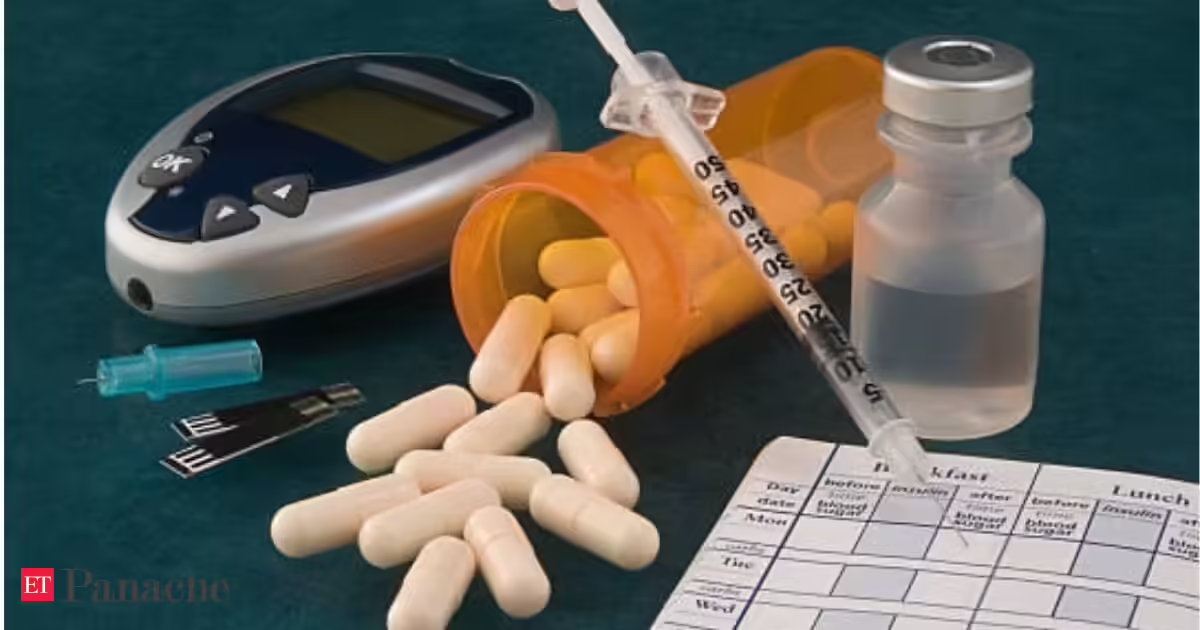
CHICAGO -- Diabetes was linked with an increased risk of death among transplant recipients of four major organs, with pre-existing and new-onset diabetes both implicated, a comprehensive analysis of four types of solid-organ transplant recipients suggested.
Compared with recipients who never had diabetes, those who developed new-onset diabetes after transplantation (NODAT) had a significantly higher risk of mortality over a 10-year follow-up, reported Mishal Ali, BA, of the University of Chicago.
Mortality risk was highest in heart recipients with NODAT (HR 1.29, 95% CI 1.24-1.34), followed by liver (HR 1.17, 95% CI 1.14-1.21), kidney (HR 1.12, 95% CI 1.09-1.14), and lung recipients (HR 1.07, 95% CI 1.03-1.12), Ali reported at ENDO 2026, the annual meeting of the Endocrine Society.
Most NODAT cases developed within the first 5 years after transplant, which Ali called the window for clinical intervention. After 15 years, over a quarter of lung (27.5%) and nearly a quarter of heart (22.6%) recipients developed NODAT.
Ali noted that among "our thoracic recipients, one in four of them will develop diabetes post-transplant at some point in their life."