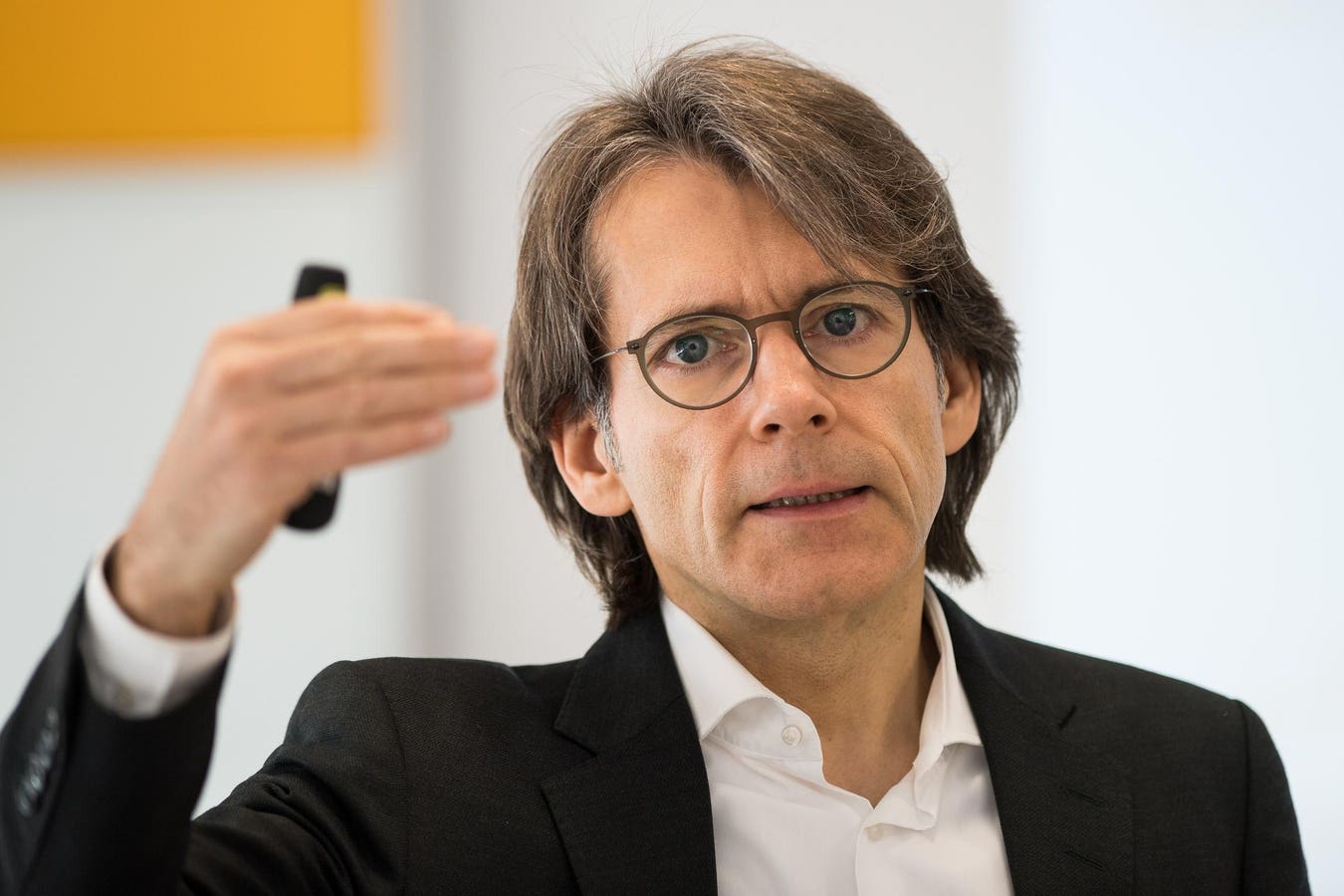
Costco co-founder Jim Sinegal (SAUL LOEB/AFP via Getty Images)AFP via Getty ImagesIn business and leadership, mindsets matter as much as metrics. Some people and organizations create genuine value for customers, employees, and society. Others prioritize self-interest, often cloaked in benevolent language. Some do neither effectively. One useful lens for understanding this landscape divides entities into five main groups based on their primary orientation toward creating value.1. Saints (perhaps 2% of public firms, and some individuals): These focus exclusively on creating value for others, often at great personal or organizational cost. They may burn out, lack resources, face opposition, or even go bankrupt. Recognition, if it comes, often arrives posthumously. Examples include Jesus of Nazareth in a broader sense, or companies like Patagonia and Buurtzorg Nederland that push radical stewardship. Eric Ries in his 2026 book Incorruptible gestures toward similar uncompromising ideals before emphasizing practical safeguards.Pure sainthood is inspiring but fragile in competitive markets. Idealism without self-sustainability rarely scales.2. Value Creators (around 30% of public firms; perhaps 70% of small firms): These prioritize value for others while ensuring their own survival—"loving their neighbors as themselves." They obsess over customer needs, empower employees, and deliver sustained results. Leaders like Reed Hastings (Netflix), Satya Nadella (Microsoft), Tarang Amin (e.l.f. Beauty), Jensen Huang (Nvidia), and Costco exemplify this. They demonstrated that customer-centric practices drive superior long-term performance, including strong Total Shareholder Return (TSR) and Return on Invested Capital (ROIC). See Figure 1 below.Evidence consistently shows these firms outperform. Studies link higher ROIC and customer-focused strategies to better 10-year TSR, with revenue growth, NOPAT, and ROIC explaining around half of long-term shareholder returns in some analyses.3. Self-Dealers (around 60% of public firms): These prioritize their own interests while claiming to serve others. They highlight stakeholder rhetoric but retain governance, incentives, and practices aligned with short-term extraction or personal gain. Classic examples include aspects of Jack Welch’s GE era, and early Microsoft under Steve Ballmer. Many signatories of the 2019 Business Roundtable statement on stakeholder capitalism fit here: despite the headline shift away from pure shareholder primacy, subsequent analysis by Lucian Bebchuk and others at Harvard Law School found little real change in governance documents, director incentives, or practices two years later. Most retained shareholder-primacy language and made no substantive shifts.MORE FOR YOUThese firms often present self-dealing as benevolence, playing to win in ways that erode trust and long-term resilience.4. Value-Extractors (around 10% of public companies, plus notorious cases): These focus solely on value for themselves, often destructively. Examples range from businesses like Enron, Tyco, and Bernie Madoff, along with historical tyrants like Stalin or Hitler to modern figures like Putin, and industries like tobacco that knowingly harm users for profit. In business, this manifests as predatory practices that destroy broader value.5. Oscillators: These lack a fixed mindset, shifting abruptly based on context, leadership, or pressures. Elon Musk’s ventures, Anthropic, and Meta show this pattern—periods of bold value creation interspersed with self-focused or extractive moves under financial, competitive, or scaling stresses.This framework is not rigid—percentages are illustrative, and boundaries can blur—but it illuminates why the post-2019 stakeholder rhetoric produced limited transformation. Most firms signaled change without altering core incentives or decision-making.Why This Matters: Evidence of Superior PerformanceThe data favors genuine Value Creators. Right-skewed performance distributions show a minority of firms capturing disproportionate long-term gains through sustained customer and employee value. High-ROIC firms with customer obsession deliver stronger TSR over 10 years compared to short-term focused peers.Figure 1ROIC S&P500 firms 2015-2025 HBR, Felix Oberholzer Self-dealers and extractors may thrive temporarily via cost-cutting, financial engineering, or monopoly power, but they risk stagnation, backlash, or decline.For leaders and boards, the imperative is clear: audit your orientation honestly. Shift from self-dealing rhetoric to disciplined value creation practices. Embrace principles like subsidiarity, servant leadership, and structural safeguards against short-termism. In an era of rapid change, AI augmentation, and scrutiny, the winners will be those who consistently create real value for others—while sustainably looking after their own viability. The alternative is oscillation, extraction, or irrelevance. The evidence is mounting: value creation isn’t just ethical—it’s the smartest long-term strategy.
Understanding Why Some People And Firms Create Value While Others Don’t
One lens on the world: 5 groups by value focus—Saints, Value Creators, Self-Dealers, Extractors, and Oscillators. Genuine value creation beats self-dealing long-term.
TL;DRAI
Genuine Value Creators (30% of firms) with customer/employee focus outperform on 10-year TSR; 60% claim stakeholder values without governance change. For IT leaders, authentic value-creation incentives—not rhetoric—determine competitive resilience amid AI market disruption.
676 words~3 min read