Introduction: The Timeless Nature of Algorithms
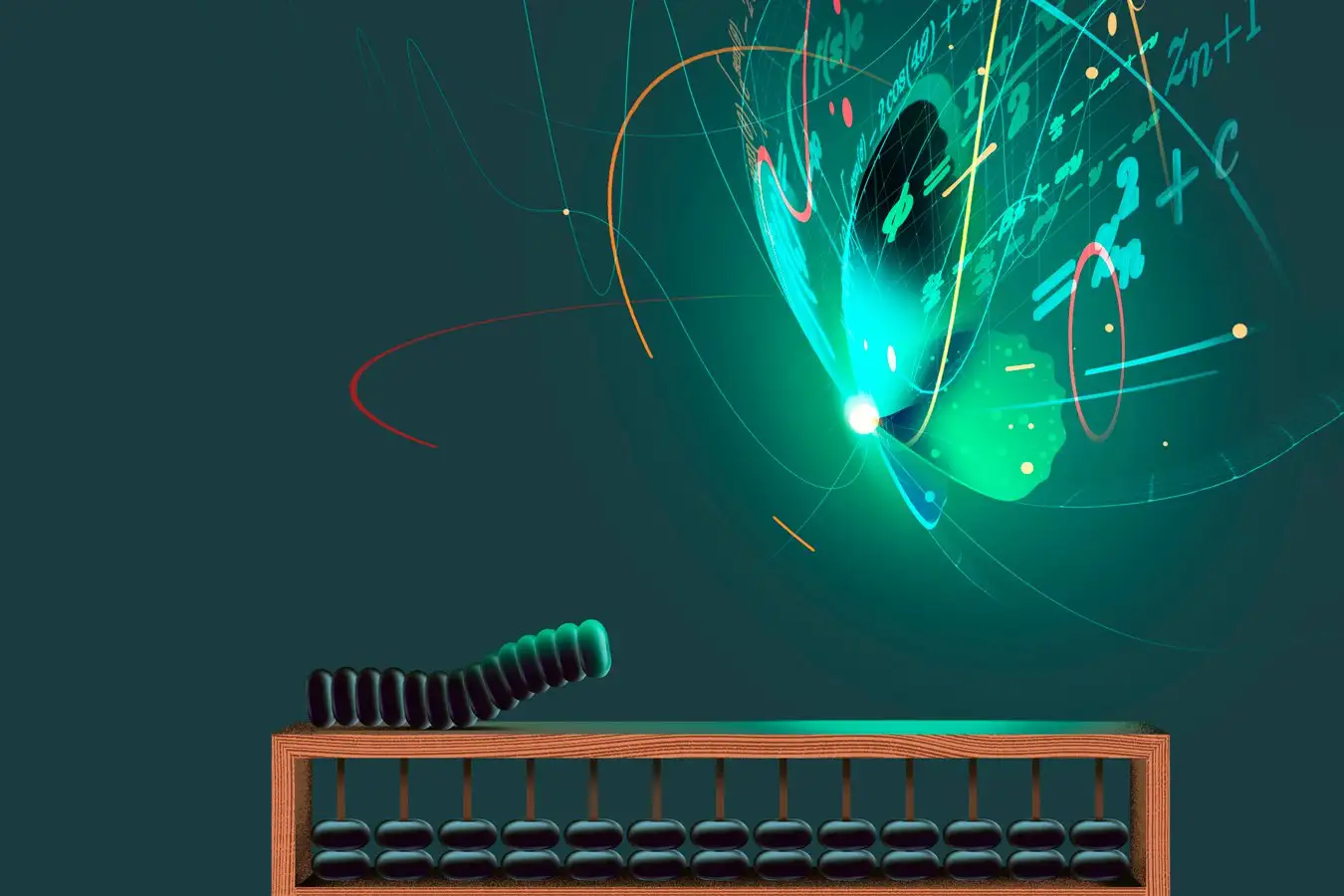
When you crack open a standard Data Structures and Algorithms textbook, it’s easy to assume the contents are products of the digital age. But here’s the kicker: many of these algorithms were devised centuries before computers existed. Take the Euclidean algorithm for finding the greatest common divisor—it dates back to 300 BCE. Or the sieve of Eratosthenes, a method for finding prime numbers, invented around 200 BCE. These aren’t relics; they’re active components of modern computing, embedded in everything from cryptography to database indexing.
The enduring relevance of these algorithms isn’t accidental. Their mathematical foundations—rooted in logic, number theory, and combinatorics—are timeless and universally applicable. For instance, the binary search algorithm, a staple in introductory courses, relies on the principle of divide-and-conquer, a strategy humans have used for problem-solving since antiquity. The mechanism here is straightforward: by repeatedly halving the search space, the algorithm achieves logarithmic efficiency, a property that remains invariant across technological eras.
Yet, this historical depth is often overlooked in educational curricula. Courses typically focus on implementation rather than origins, leaving students with the impression that these algorithms are modern inventions. This gap in understanding isn’t just academic—it risks undermining appreciation for the intellectual labor of early innovators. For example, Al-Khwarizmi’s work in the 9th century laid the groundwork for algebra, which directly influenced algorithmic thinking. Without this context, students might fail to grasp how classical principles underpin even cutting-edge systems.