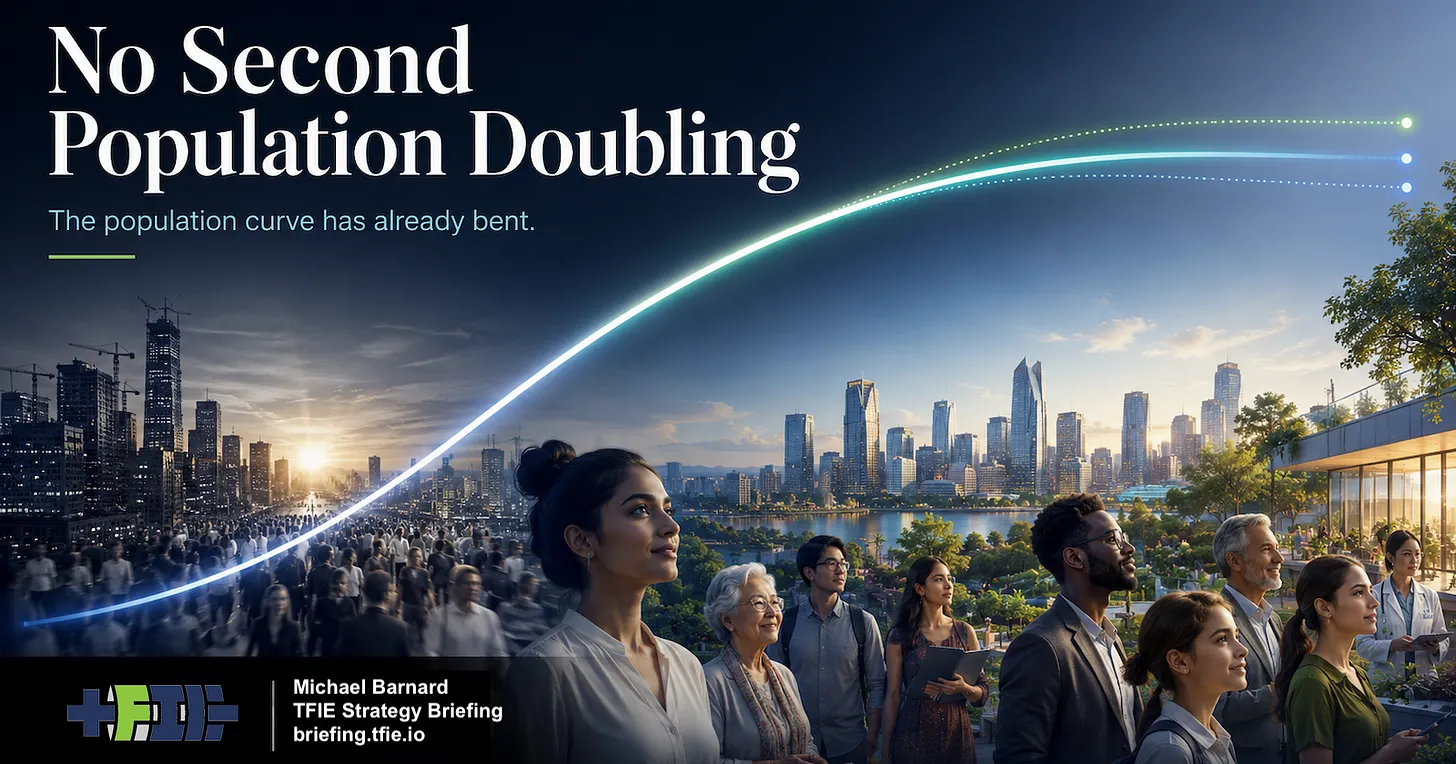
The 21st-century population story is peak, plateau and divergence, not a second 20th-century-style doubling.
Support CleanTechnica's work through a Substack subscription or on Stripe.
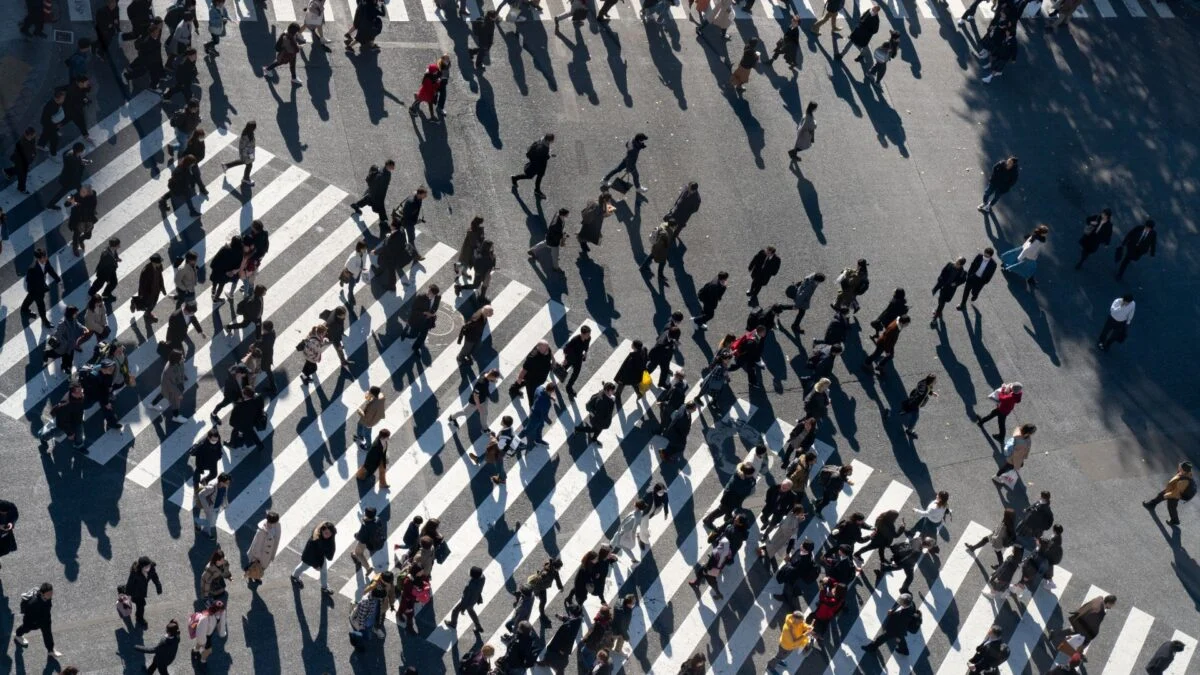
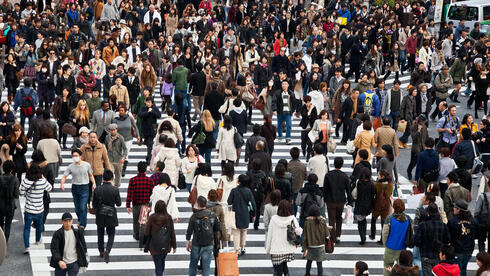
One of the easiest ways to get 2100 wrong is to carry the 20th-century population curve forward as if it still defines the future. The world went from about 2.5 billion people in 1950 to more than 8 billion today, and that expansion shaped modern assumptions about food, energy, cities, housing, migration, transport, materials, infrastructure and development. A great deal of long-range thinking still carries that demographic memory, even though the actual curve has changed.
That matters for climate and energy scenarios because population is one of the quiet assumptions underneath almost every projection. It affects electricity demand, building stock, steel, cement, aviation, shipping, food systems, water, urbanization, health care, adaptation and public finance. If the demographic baseline is wrong, the rest of the model may look precise while pointing in the wrong direction.
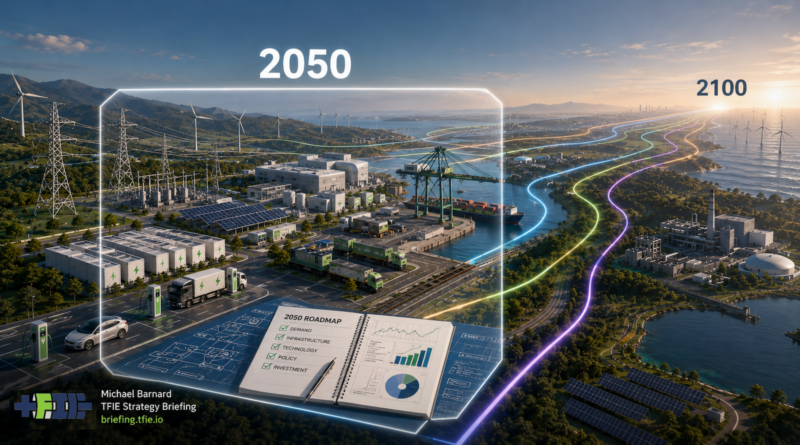
This population assumption sits underneath my broader 2100 transition scenario work. Before projecting aviation fuel, shipping fuel, steel, cement, grid buildout, material demand or urban infrastructure, the demographic baseline should be tested rather than waved through as a generic growth amplifier.