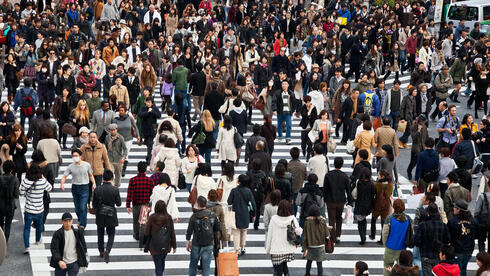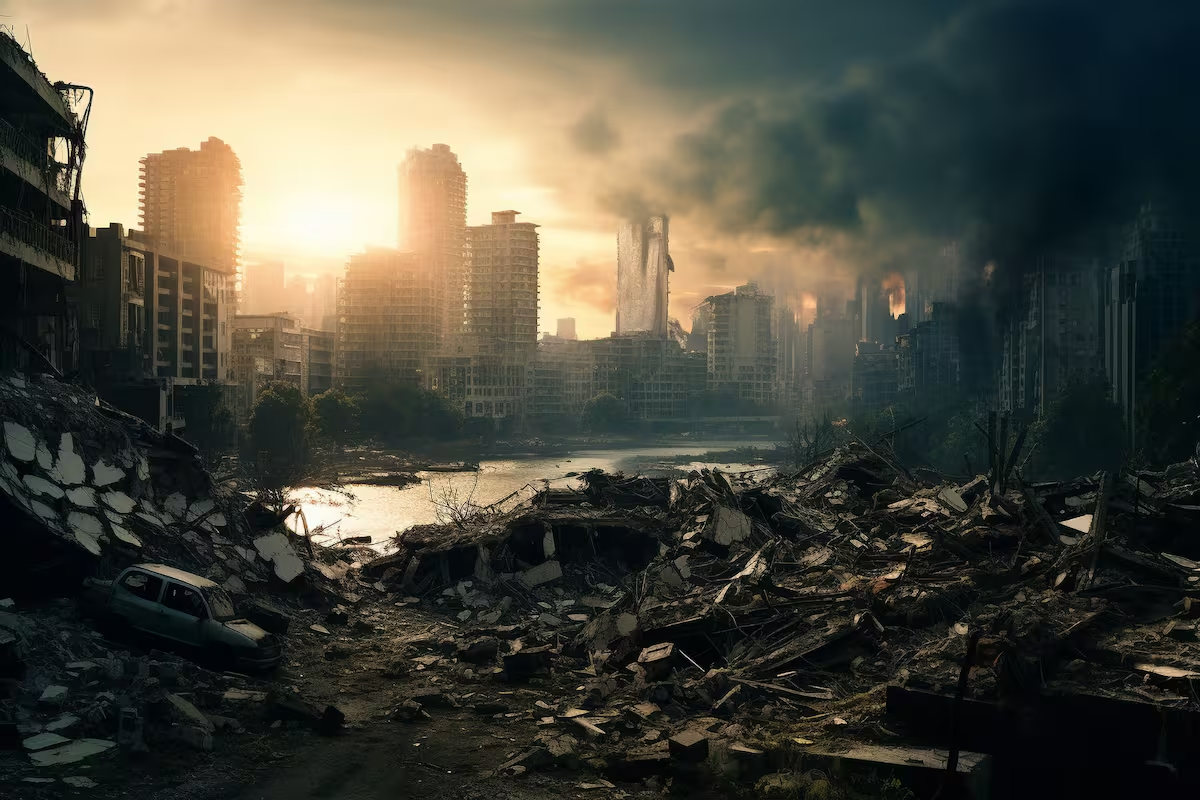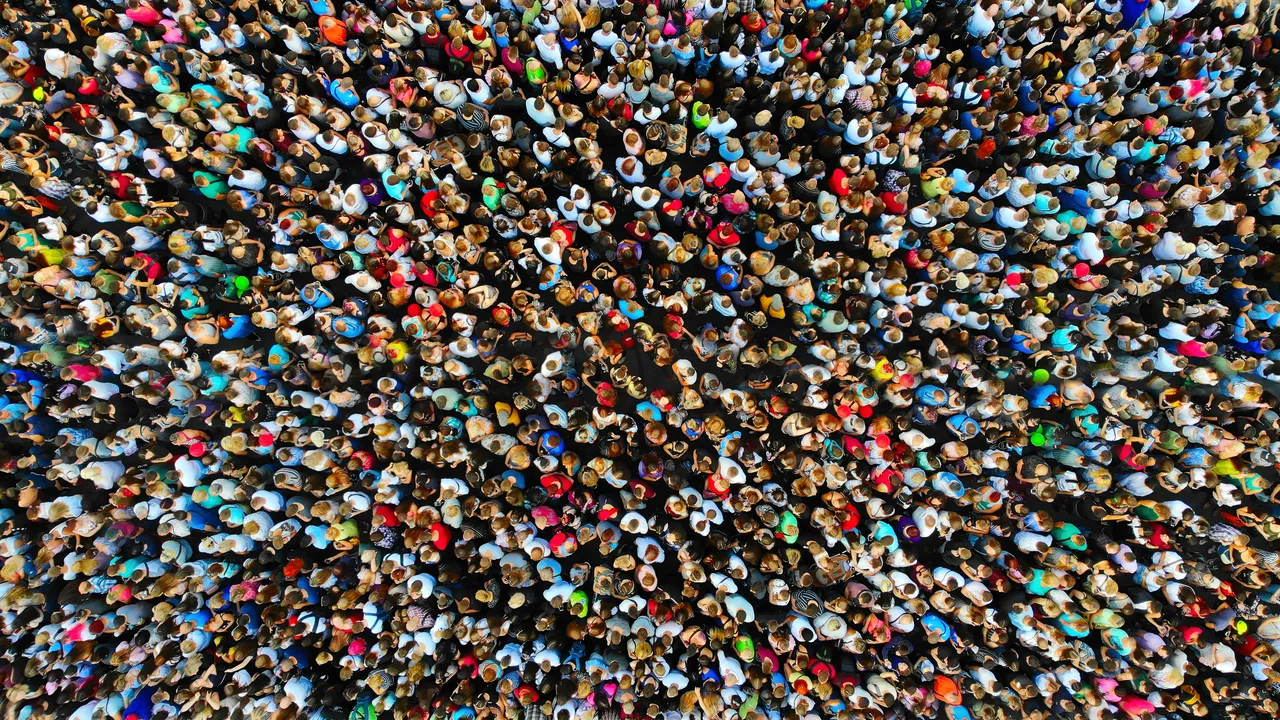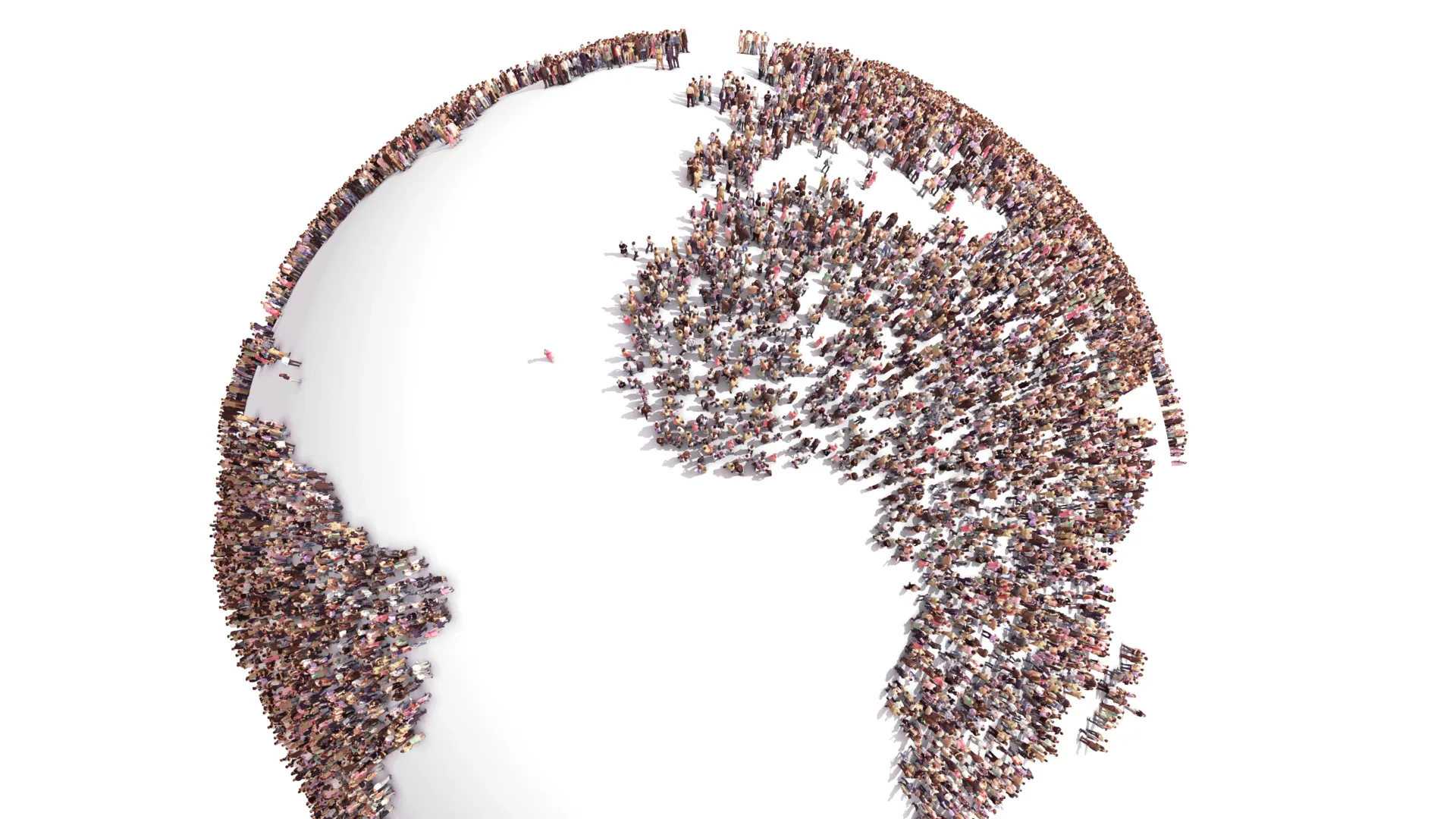
As the global population rises, climate change, disease, war, resource strain, and other crises threaten to drastically reduce Earth’s carrying capacity for humanity—the maximum number of people that can sustainably live on our planet. A new study suggests that if a global catastrophe struck today, we could see a rapid population decline over the next several decades. The findings, published May 22 in the journal Chaos, Solitons & Fractals, show that if Earth’s carrying capacity dropped to around 2 billion people right now, the global population could decline 50% by 2064. In other words, within about 40 years, humanity could shrink from a projected population of roughly 8 billion to 10 billion people to 4 billion to 5 billion people. The authors reached that conclusion using a new mathematical model that unifies key regimes of global population growth over the past 12,000 years. “In the article we stress that this is not a forecast, but rather an illustrative mathematical scenario intended to show how sensitive population dynamics may be to abrupt environmental or societal changes,” co-author Alessio Zaccone, a professor of physics at the University of Milan, wrote in a statement. “We emphasize that the current trajectory remains relatively stable and does not imply imminent collapse.”
The Global Population Could Crash by 2064, New Model Suggests
Researchers formulated a mathematical equation that unifies 12,000 years of human population growth and points to an alarming worst-case scenario.
613 words~3 min read