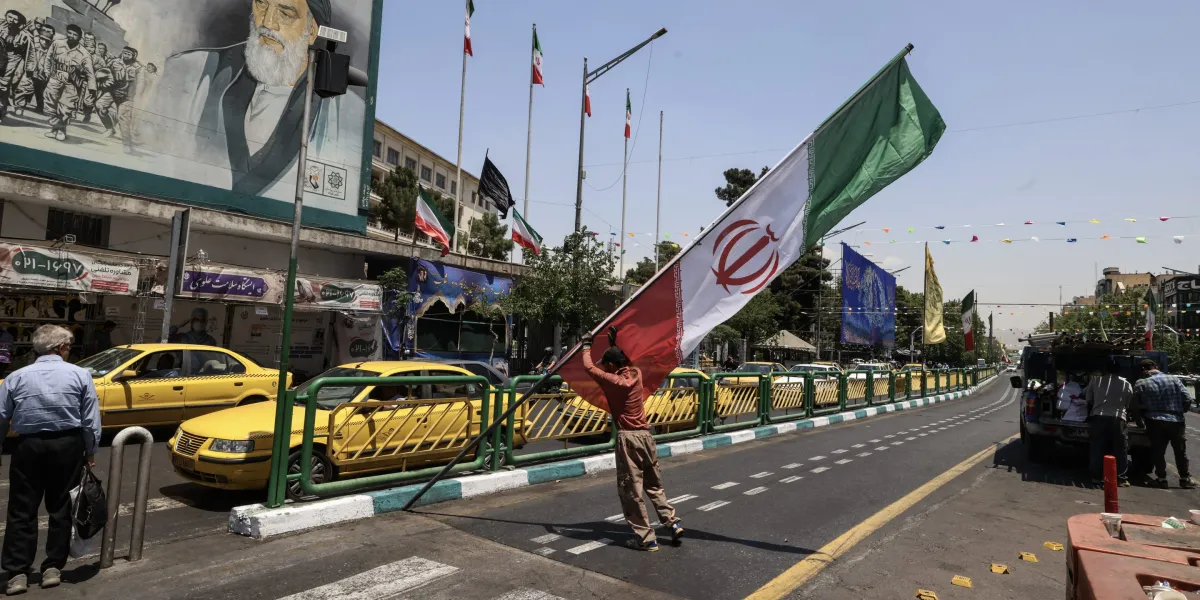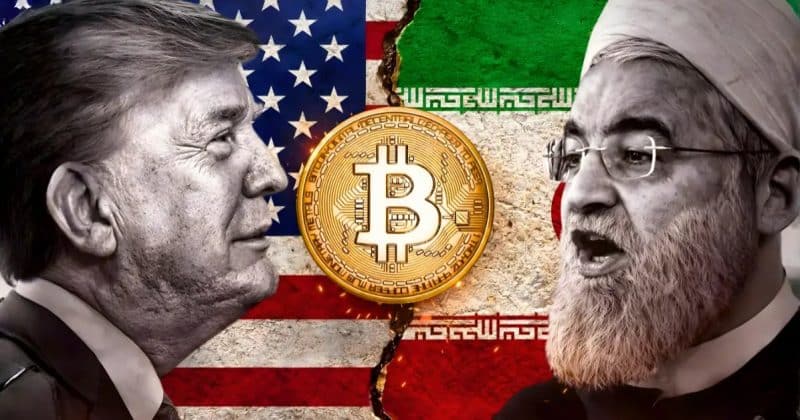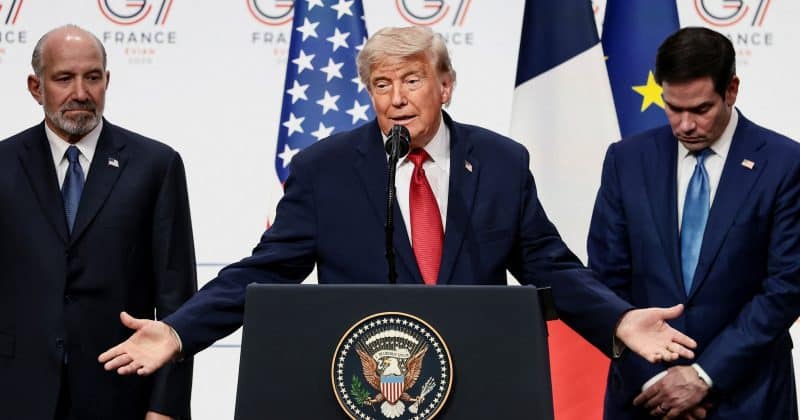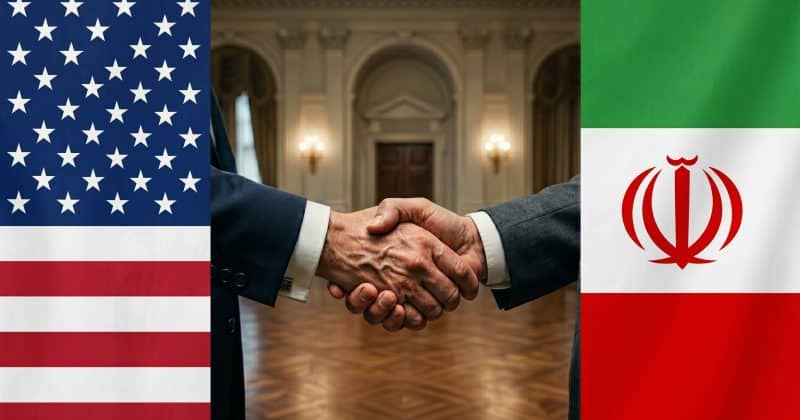
Iran has been circulating competing versions of an interim agreement with the United States, even as President Donald Trump maintains that a memorandum of understanding will be signed on schedule. The MOU, announced on June 13 and slated for signing on June 14, is designed to de-escalate a conflict that has been building for over three months.
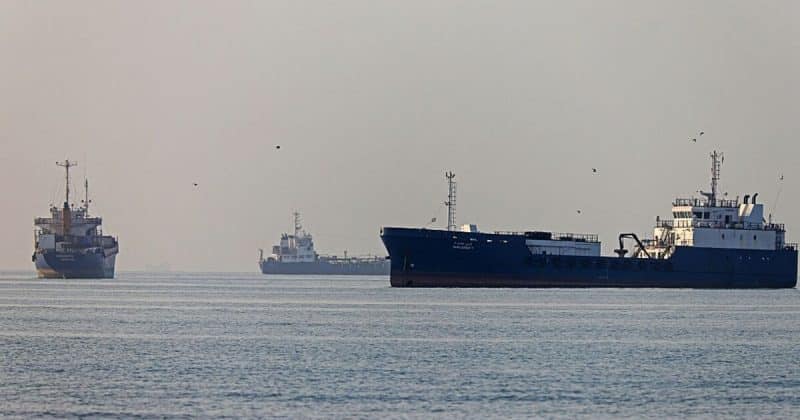
The centerpiece of the deal: reopening the Strait of Hormuz, the narrow waterway through which a massive share of the world’s commercial shipping passes.
Dueling drafts and diverging priorities
Iran’s competing proposals reportedly range from $12 billion to $24 billion in frozen asset releases. The Iranian drafts also emphasize US naval withdrawal from the region and an end to blockades, framing any agreement as a restoration of sovereignty rather than a concession.
The US framework, by contrast, centers on a 60-day ceasefire period. That window would set the stage for deeper talks on Iran’s uranium stockpiles and the broader sanctions architecture.