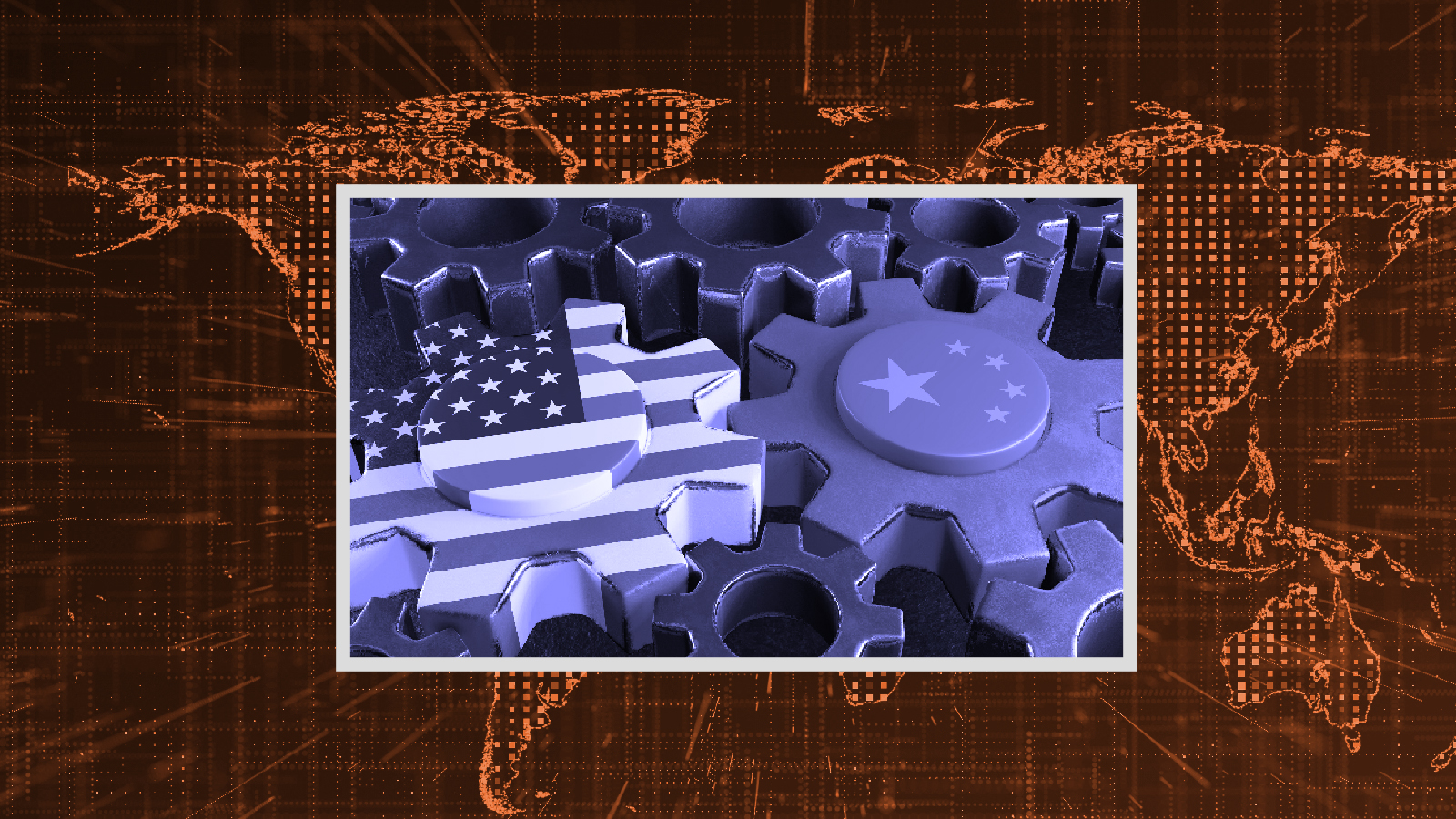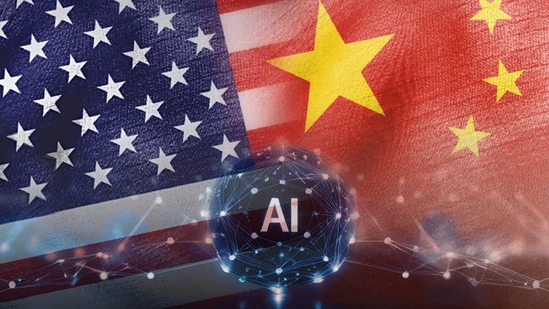
The outcome of the geopolitical struggles between silicon empires is uncertain, but some features are becoming clear. At its limits, this competition would entail a breakdown into fully decoupled hemispherical stacks: a bipolar (or perhaps tripolar) digital world. America and China already seem intent on doing this domestically. China’s ‘Delete A’ project, for instance, aims to remove American technology from the supply chains of Chinese firms. This has meant a number of government directives and regulator encouragements for Chinese companies to avoid using American technology. In 2022, for instance, state-owned companies were told to replace foreign software, and in 2023 domestic semiconductor firms came “under increasing pressure to favor domestic firms and develop alternative supply chains.” The United States has similarly blocked Huawei infrastructure from being deployed domestically and is making new efforts to prevent the use of Chinese open AI models from being used by American organizations.
There are also efforts to enforce this decoupling abroad, sometimes by making countries choose between the United States and China. As OpenAI’s chief global affairs officer has said, “These countries know this is nation building. They have to pick between one of the two.” In this vein, the U.S.- led Clean Network initiative is a prime example of what may happen. Responding to the surprising success and rollout of HuaweiiHuaweiHuawei is a Chinese technology company focused on mobile phones and telecommunications, and is seen as a poster child for China’s global tech ambitions.READ MORE’s 5G infrastructure, the first Trump administration launched the Clean Network as an alliance of countries who resisted incorporating Chinese infrastructure across the technological stack: telecoms networks, fibre-optic cables, cloud computing, app stores, and mobile apps. While the official branding and diplomatic efforts behind the Clean Network programme disappeared under Biden, the broad strategic focus continued. China, for its part, responded with the launch of its Global Data Security Initiative (GDSI) that sought to allay European fears over data security and to build a counter-network to the Clean Network project.