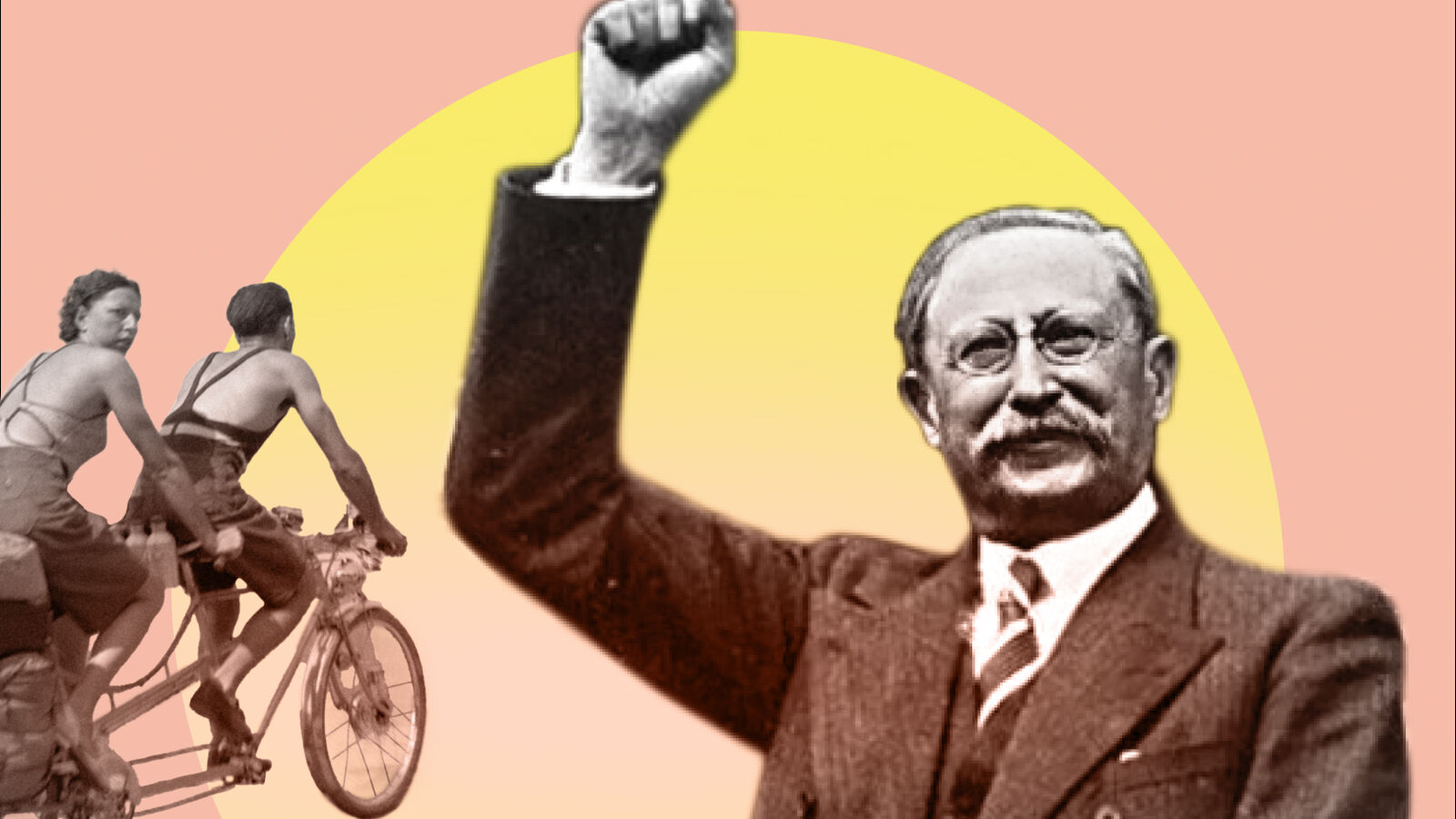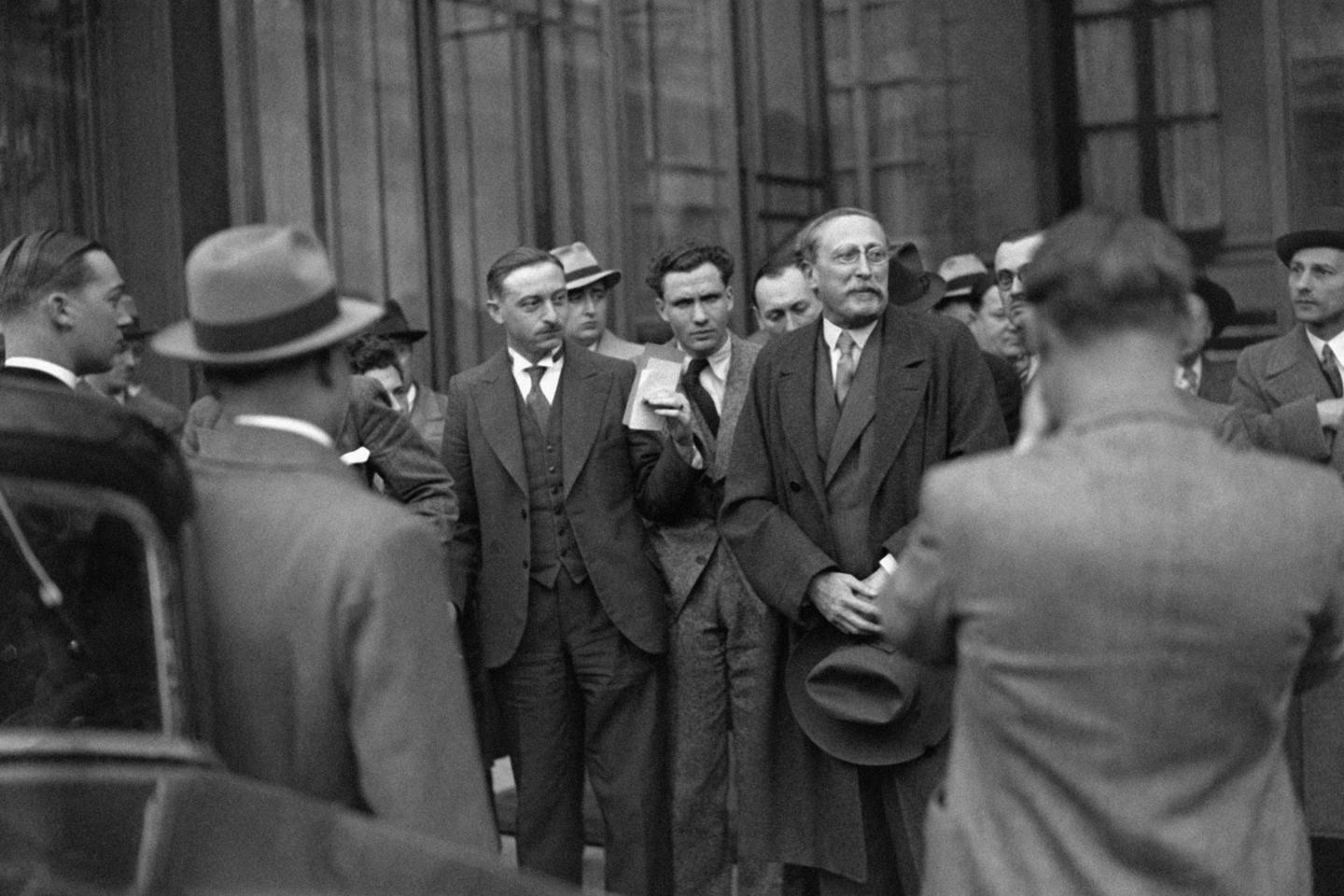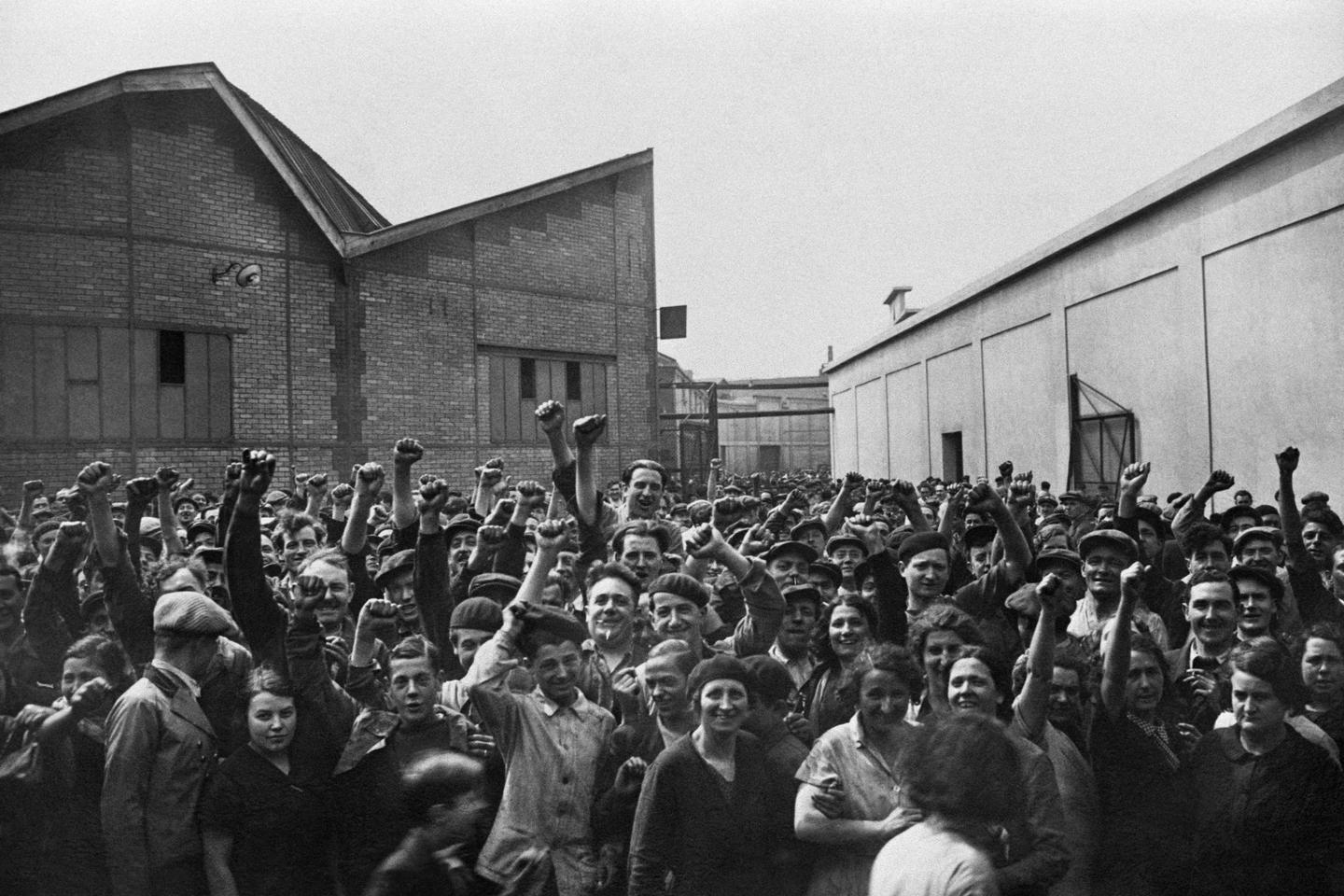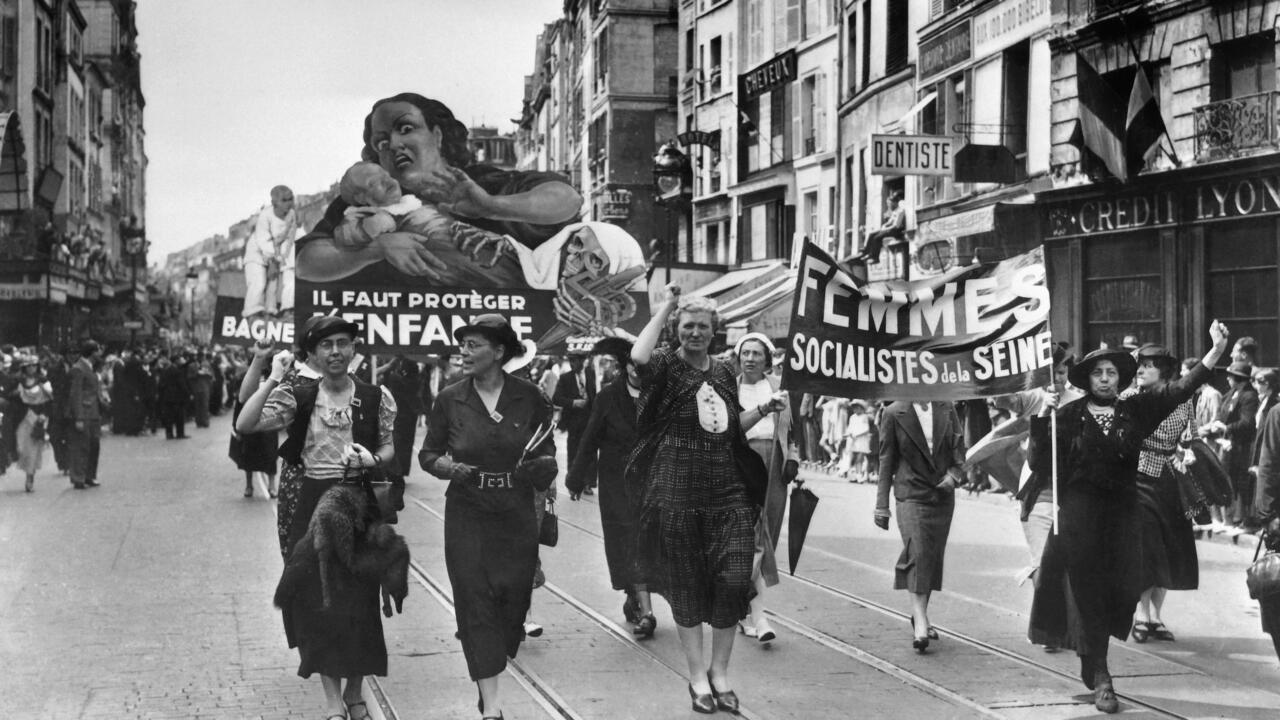
Ninety years ago, a broad left-wing coalition swept to power and kickstarted reforms that fundamentally changed working life in France. Its brief but radical tenure made it the stuff of legend for the French left.
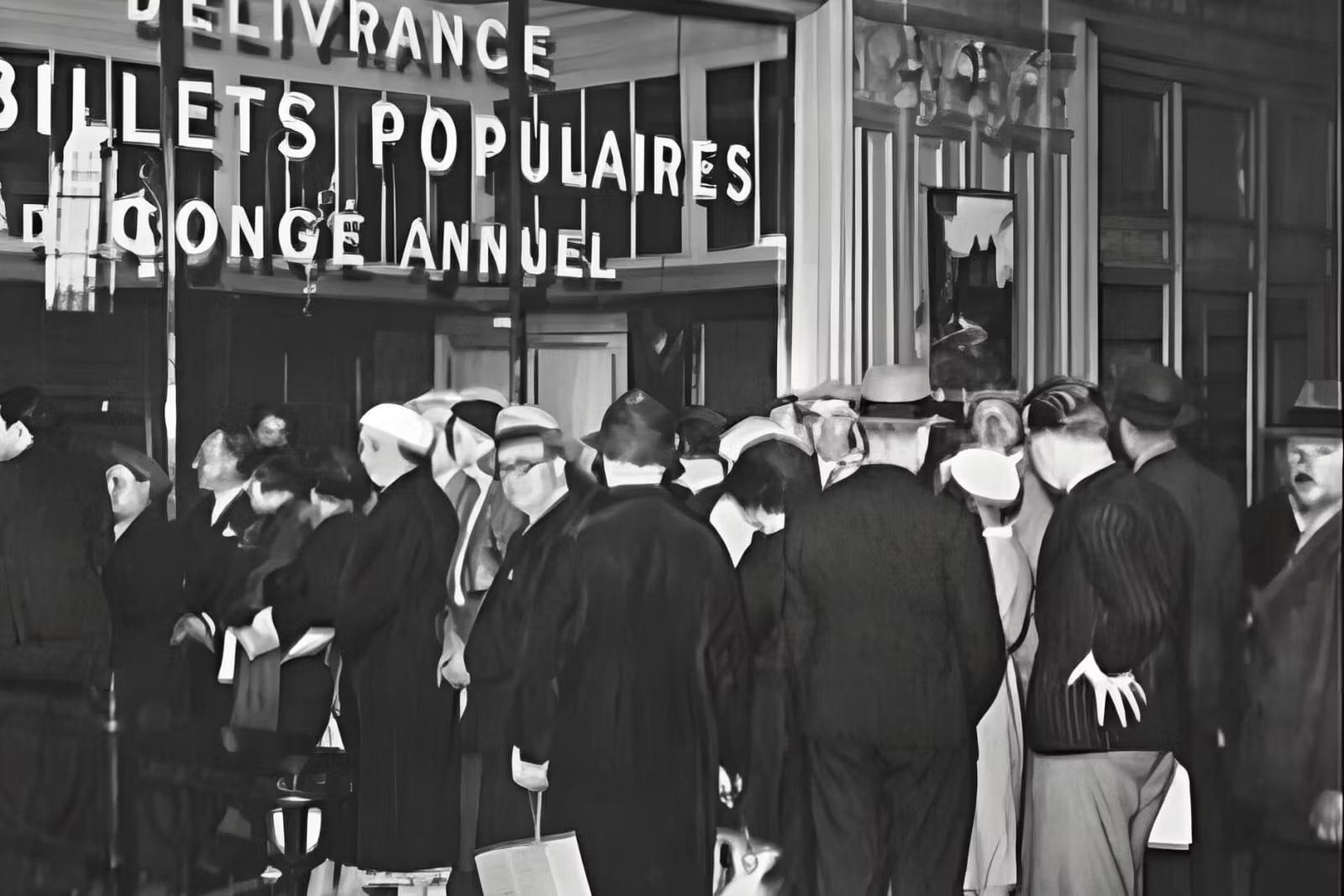
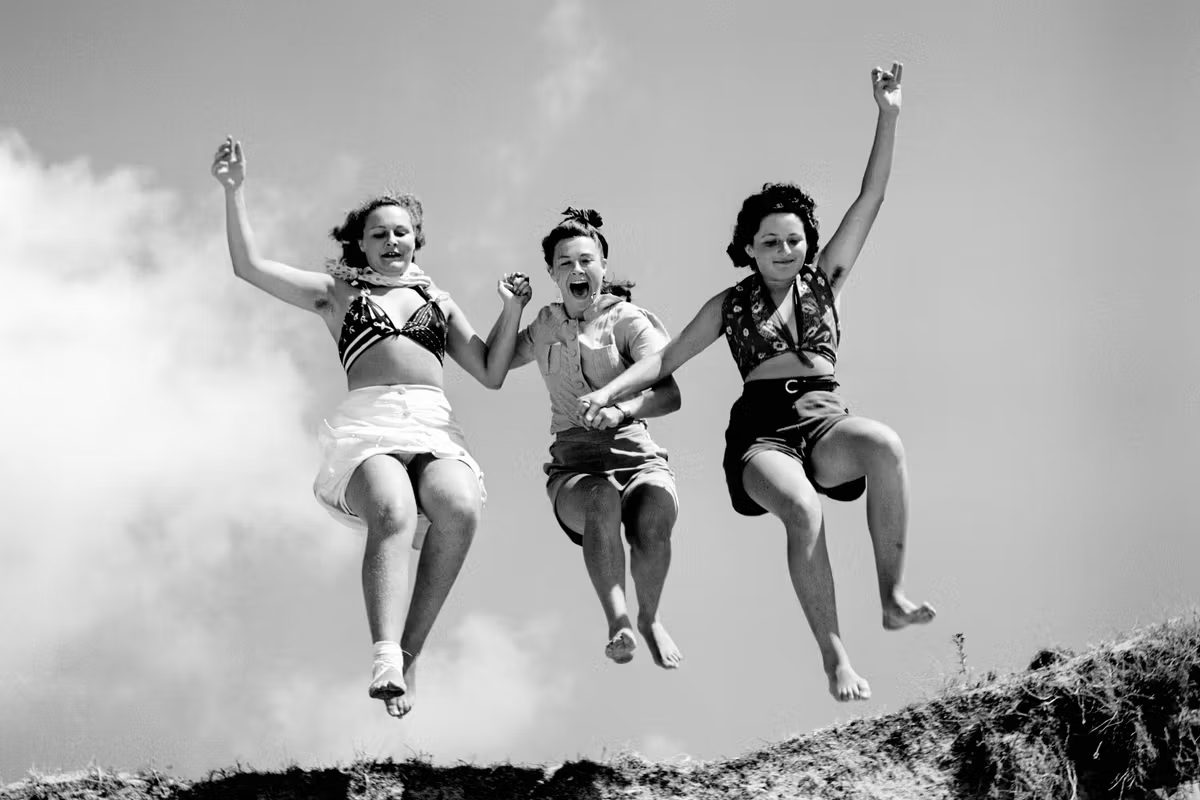
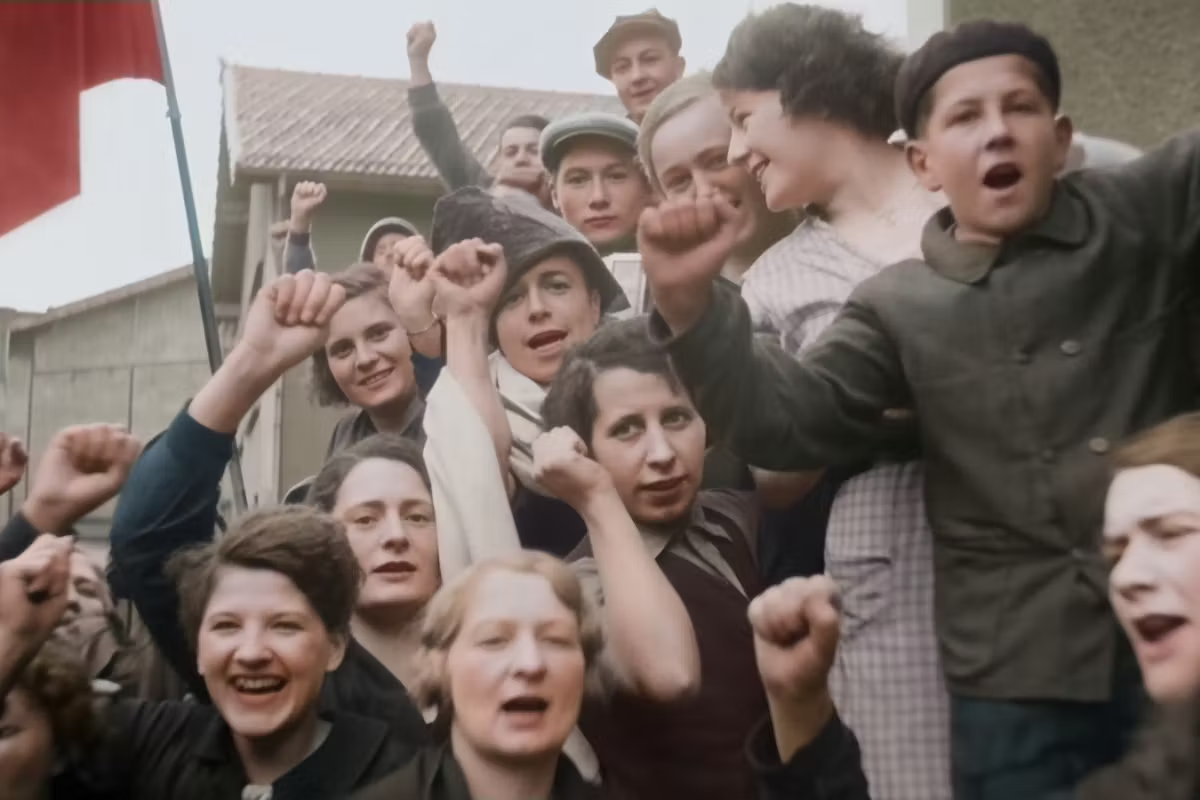
Within weeks of taking office on 6 June, 1936, the Front Populaire – or Popular Front – had established collective bargaining, enshrined the right to strike, capped the working week and granted all employees paid leave. But the movement that redefined workers’ rights in France didn’t start out on an economic platform. Instead, it was forged to fight authoritarianism. By the 1930s, fascists were in power in Germany and Italy, and far-right groups were flexing their muscles in France too. In February 1934, they rallied near the parliament building in Paris, seeking to bring down the centre-left government. The rally ended in a riot, with a dozen people dead and hundreds injured. This rising tide prompted communist chiefs to drop their objections to working with moderates. In the months that followed, the French Communist Party teamed up first with the social democratic French Section of the Workers' International (SFIO), then with the centrist Radical Party. On 14 July, 1935, with France now under a conservative government headed by Pierre Laval, a future Vichy collaborator, the new alliance gathered a crowd of 500,000 in Paris. Channelling the spirit of the revolutionaries who had stormed the Bastille some 150 years earlier, they pledged to “defend the democratic freedoms won by the people of France, to provide bread for the workers, work for the young, and lasting peace for the whole world”. When France held parliamentary elections the following spring, that became the Popular Front's slogan: “pain, paix, liberté” – bread, peace, freedom. Economic experiments By now backed by trade unions, civil society organisations and local anti-fascist groups, “it was a kind of huge coalition way above the political milieu”, says Nicolas Brisset, a historian of economic thought at the Université Côte d'Azur in Nice. It had also expanded its original remit. The Great Depression was biting and while France’s leaders were focused on slashing public spending, elsewhere governments were taking the opposite approach. In the United States, President Franklin D Roosevelt was investing massively in public works and job creation schemes, while establishing social security benefits and expanding workers’ right to unionise. “It's clear that the Popular Front was also inspired by what were called at that time the ‘Roosevelt experiments’,” Brisset says. Drawing on his New Deal, as well as other examples, they promised welfare for the unemployed, infrastructure projects and other stimulus measures. Voters were convinced. They elected the Popular Front alliance on 3 May, 1936, securing 386 seats in parliament out of 608. The SFIO was the largest party and its leader, Léon Blum, was in line to head a new Popular Front government. Listen to this story on the Spotlight on France podcast: