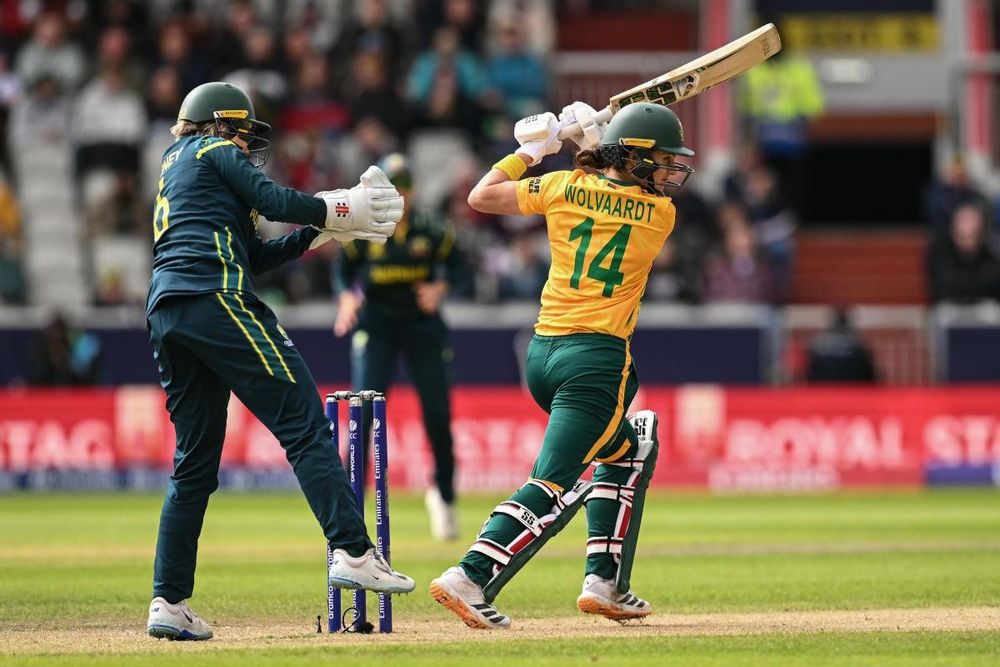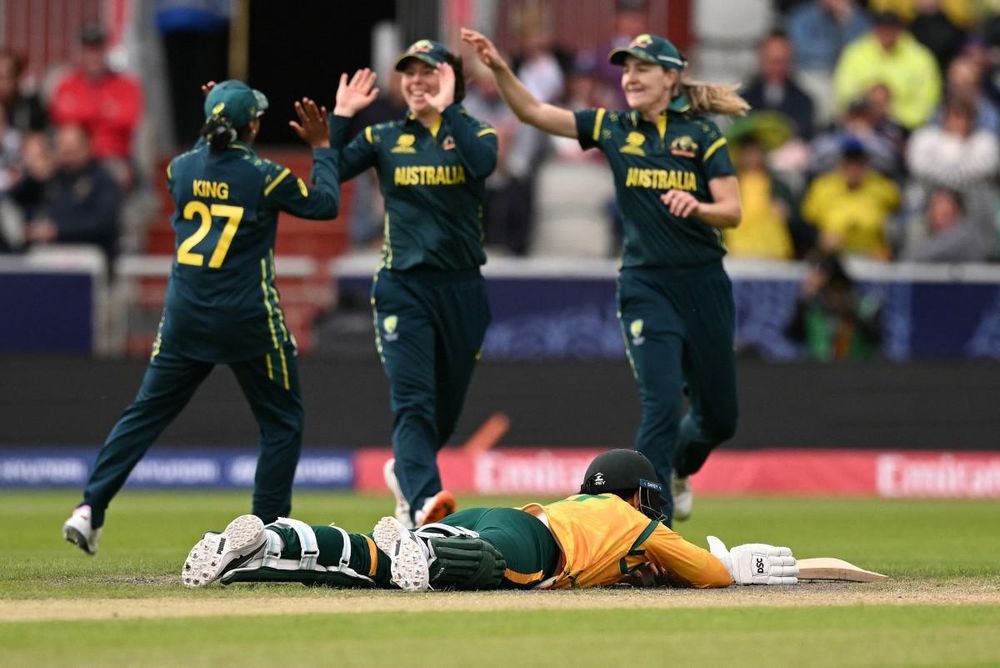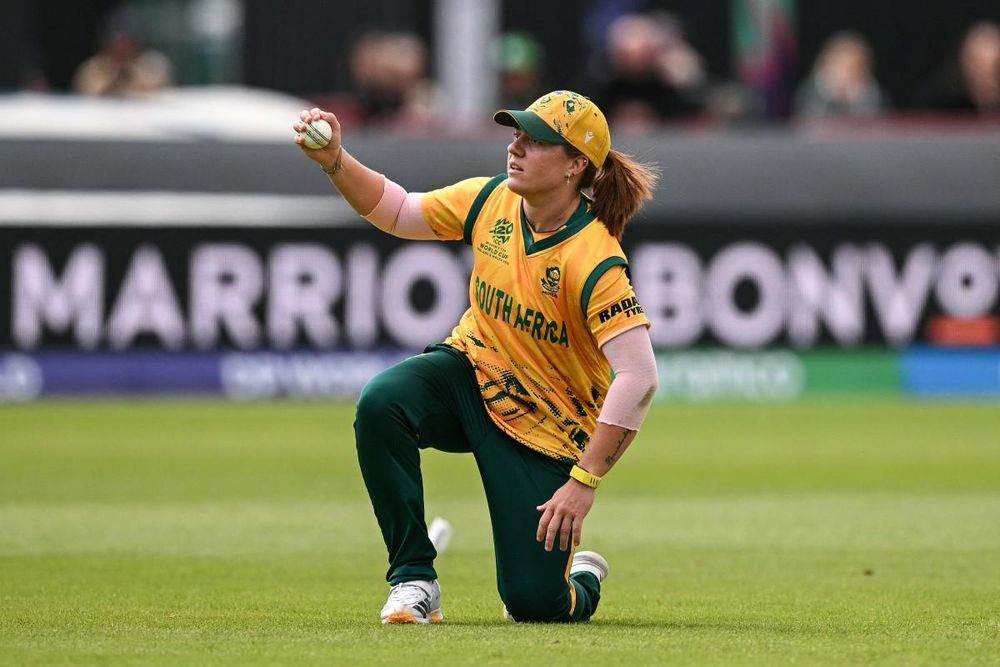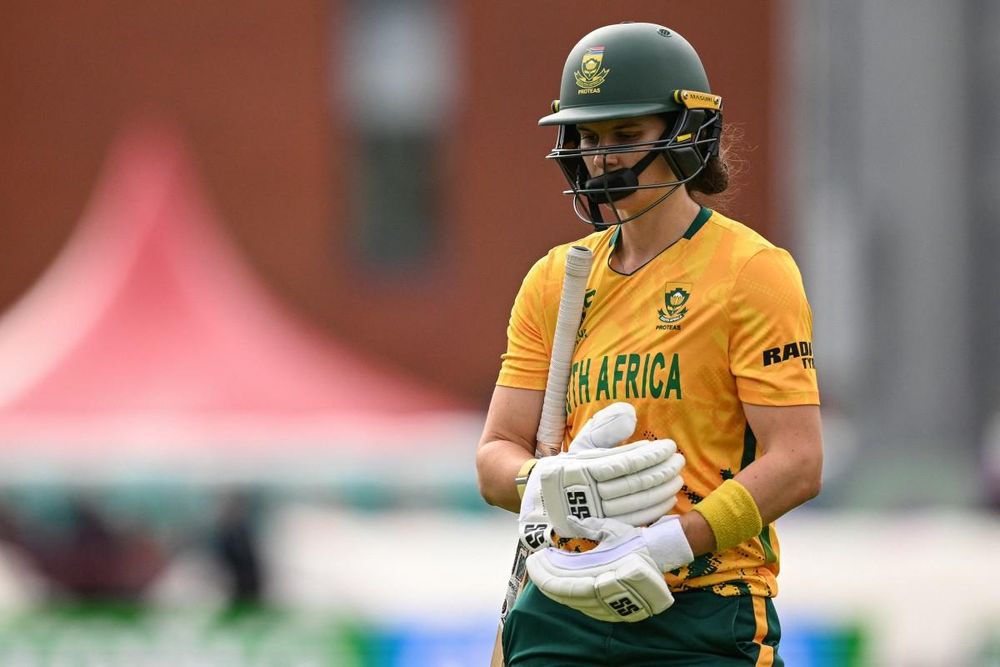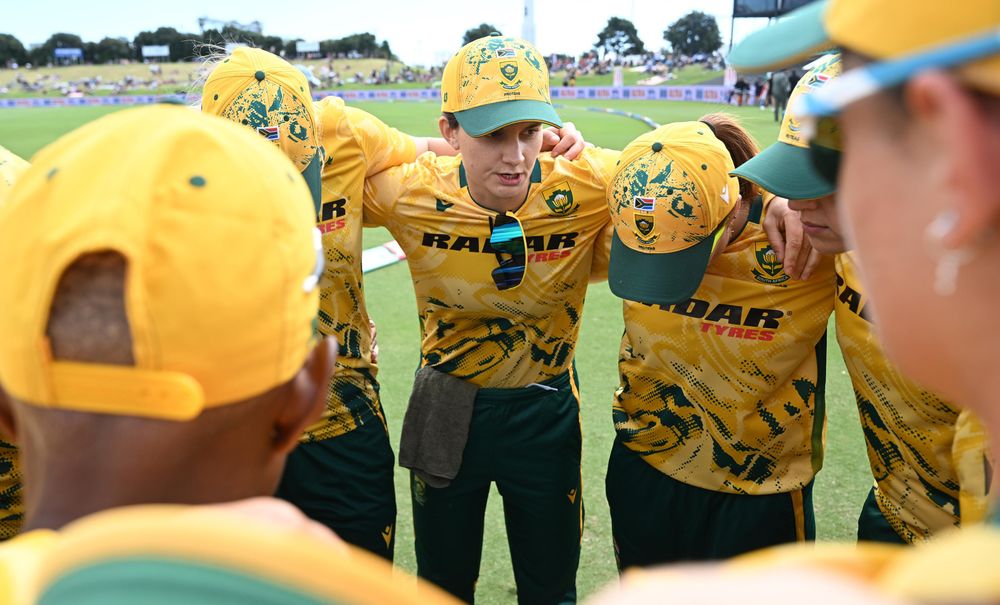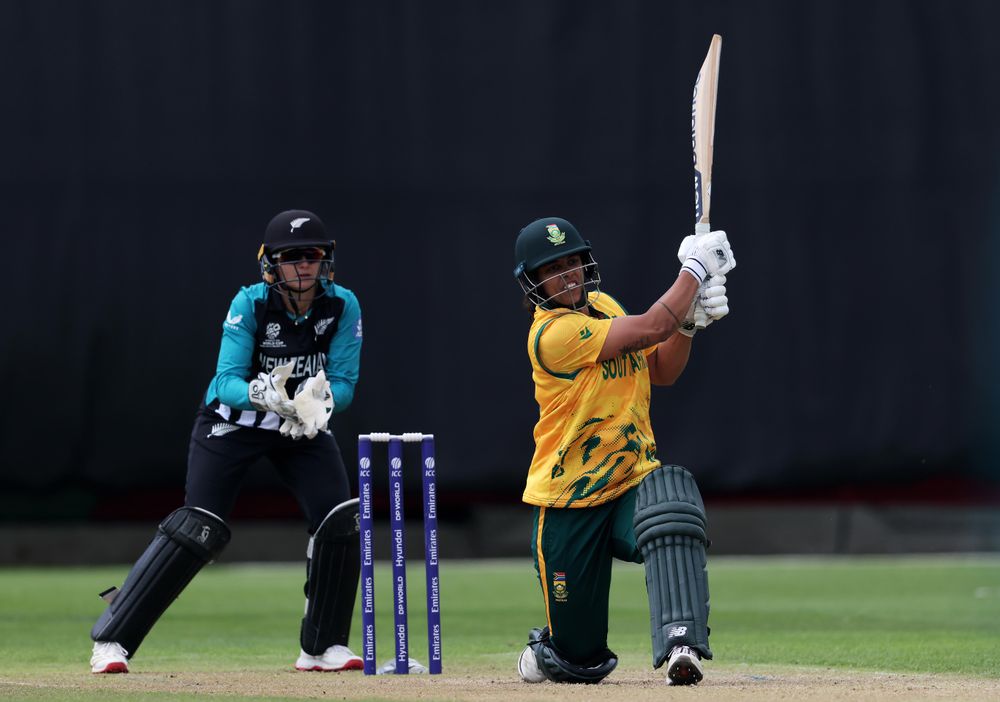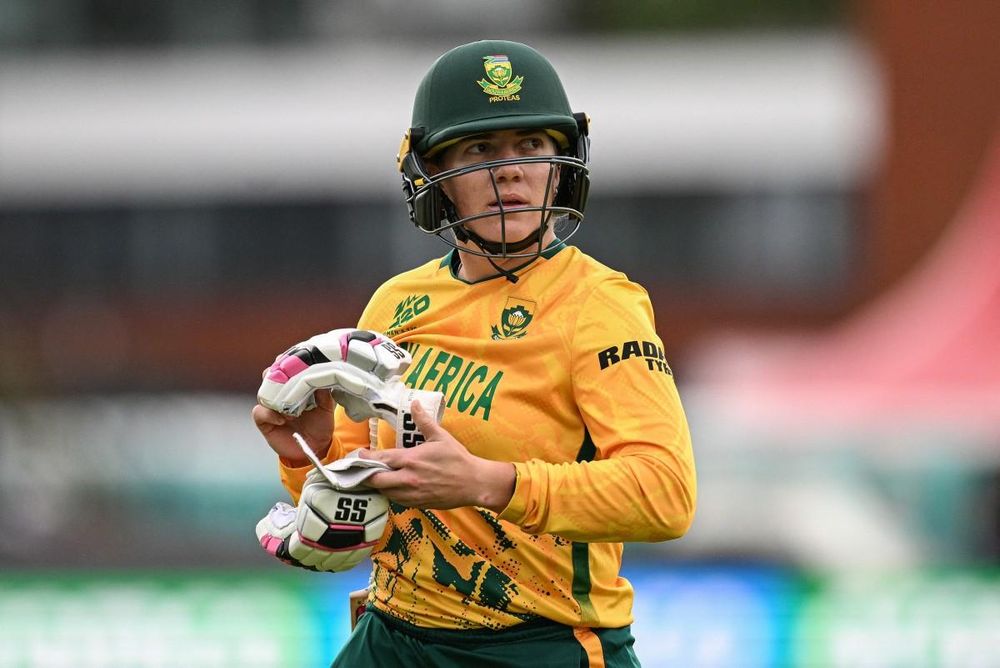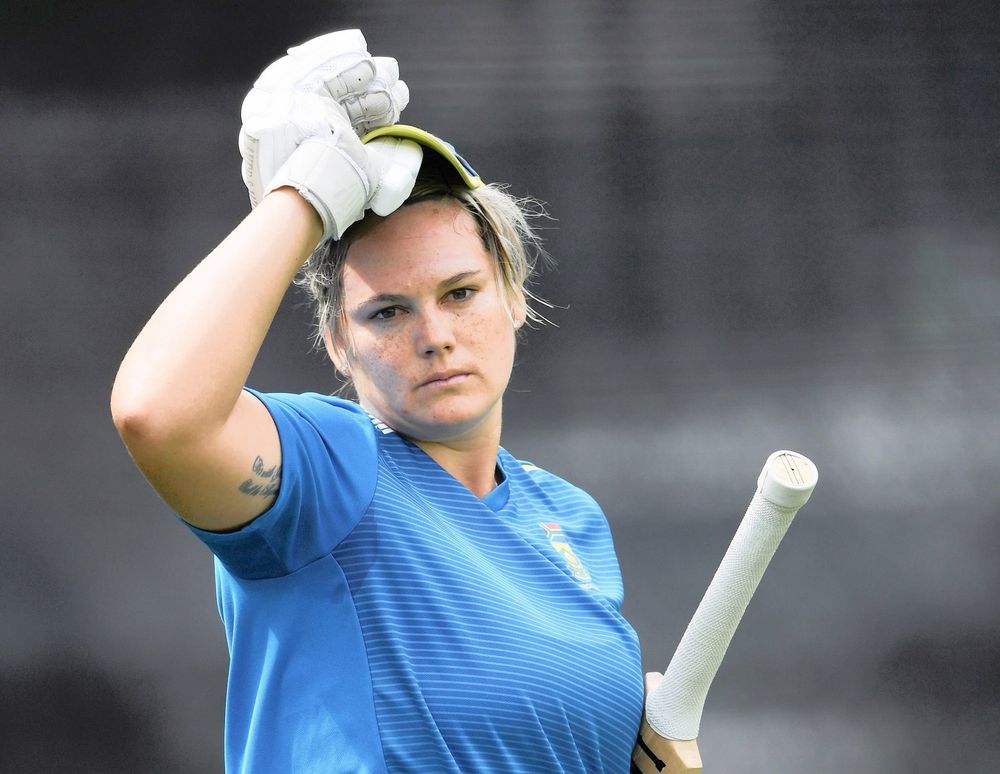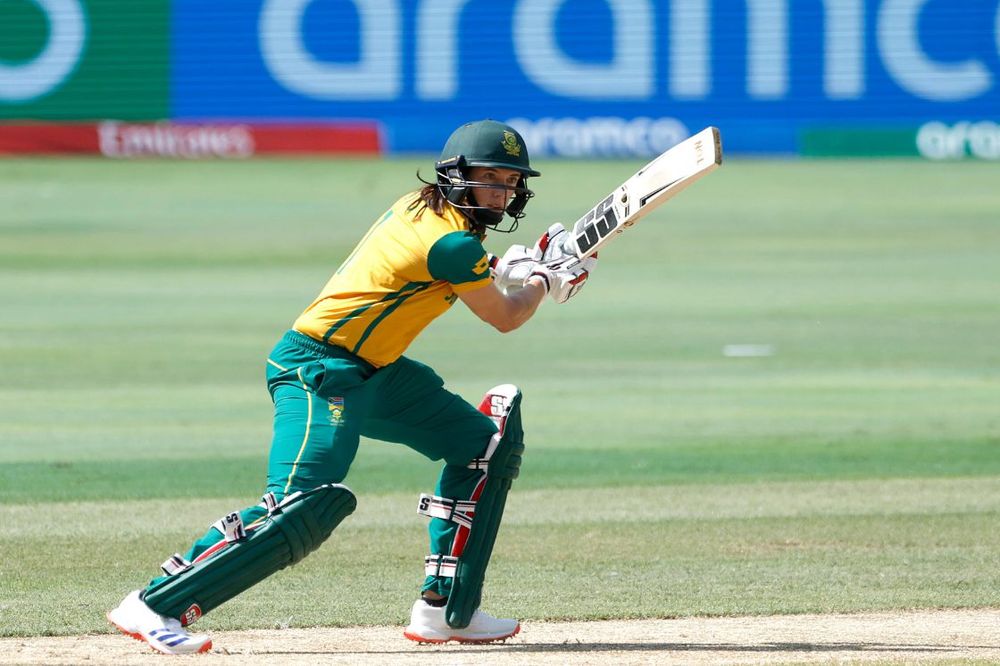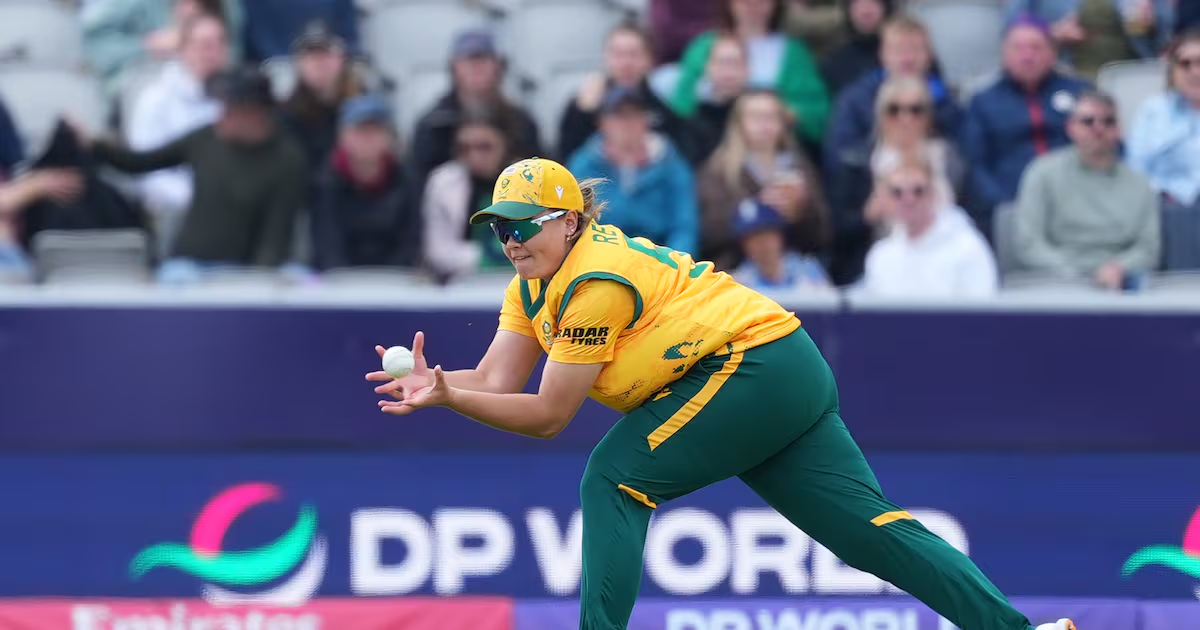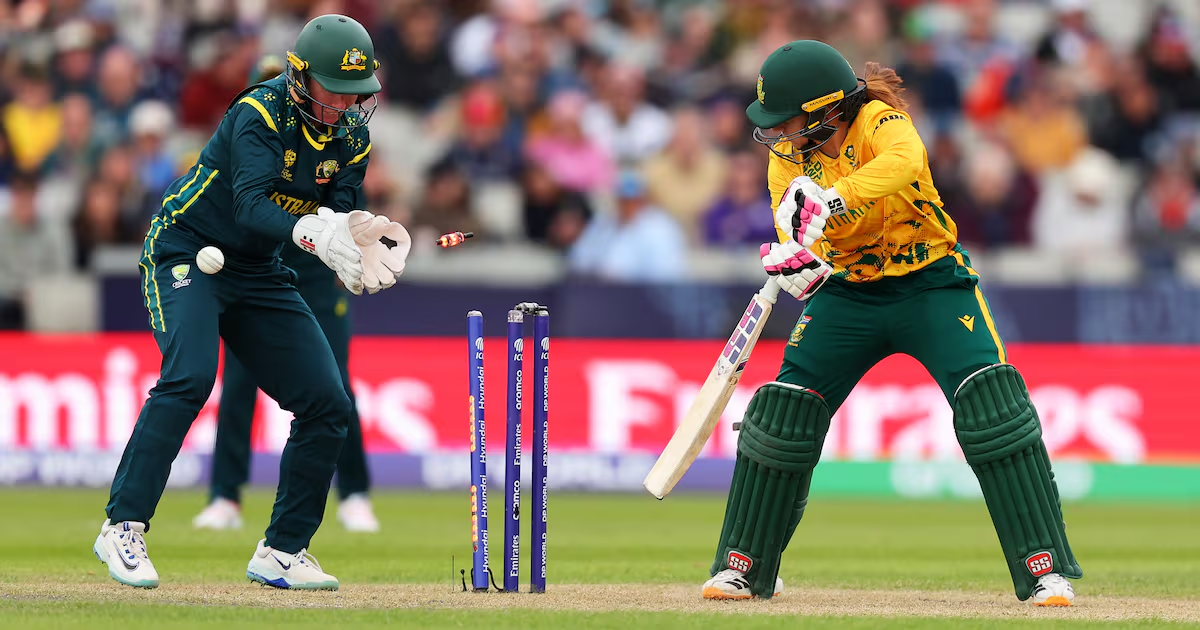
The Proteas may have felt very confident going into Saturday’s World Cup opener with Australia, but they lacked the nous and skill — particularly in the field — suffering a disappointing 65-run loss.“They out-played us,” said all-rounder Nadine de Klerk. Even more than that, Australia out-thought the South Africans. From the selection of more spinners — four to South Africa’s two — and their understanding of the game’s rhythm and how they mixed and matched their bowlers, Australia were always a couple of steps ahead. In what was a keenly anticipated fixture, featuring an Australian team in a highly unusual position of not being title holders and a South African side that has been on an upward curve in World Cups recently, there was plenty of back and forth in an intense clash. Ultimately, Australia landed the knockout blow, and there will be many questions for the South Africans to answer in the days leading up to their next match with Pakistan.One of those is the batting order, which featured De Klerk coming in at No 4, a position in which she’d batted nine times previously. She’s never been successful there, with the 25 she made Saturday the highest score in that spot. “My job has been to finish games in the lower order, so it was a bit of a surprise [to bat at No 4],” she said. “I’m not sure why I’m there. Whatever the team needs of you, you try to put your best foot forward. It’s a new role, a bit strange, something I’ve not done a lot of. It’s a team sport, and I am happy to do whatever the team needs of me.”The plan to bat there, she said, was only discussed after the team arrived in England two weeks ago. Skipper Laura Wolvaardt mentioned that it was about “stacking” the batting line-up and “having some power early” in the innings. But it removed Marizanne Kapp from a position in which she has thrived over the years. Already forced to play an inexperienced batter in Annerie Dercksen at No 3 — on account of the poor recent form of Dane van Niekerk and Tazmin Brits — shifting De Klerk away from the position in which she has been so successful, was a bad decision “My job has been to finish games in the lower order,” said De Klerk. Kapp doesn’t lack power, and at 7/2, she was the ideal partner for Wolvaardt, who struggled to get on strike in the power play, with De Klerk, despite hitting a four and two sixes, using up plenty of deliveries. South Africa’s other shortcoming was in the field — a long-term problem — which proved extremely costly. Chloe Tryon dropped Ellyse Perry when the Australian all-rounder had nine and would go on to make 36, sharing a crucial partnership of 58 for the fifth wicket with player of the match Georgia Wareham. Wareham’s impact was profound. She scored 32 runs, took three wickets, ran out Kapp with a brilliant throw from the midwicket boundary, and took an excellent low catch a short while later when fielding in the covers to end Wolvaardt’s innings. How she was used by Sophie Molineux was another example of how much smarter the Australians were than their opponents. Besides Tryon’s and, later, Sune Luus’ dropped catches, there were a plethora of misses on the ground which gifted the Australians — who were clearly intent on running hard between the wickets to put the South Africans under pressure — about 25 more runs. Wolvaardt also sharing the power play between Kapp and Shabnim Ismail — who played her first international match in three years — was another error. “Pace on that wicket was definitely easier to face,” said De Klerk. Where South Africa used pace throughout the power play, Australia bowled three overs of spin. There is a lot to think about before Wednesday’s match in Birmingham against Pakistan, with thinking better — off the field and on it — just one of the issues that needs to be resolved.
Questionable decision-making proves costly for Proteas
Laura Wolvaardt's team need to get their thinking caps on before the crucial clash against Pakistan
677 words~3 min read