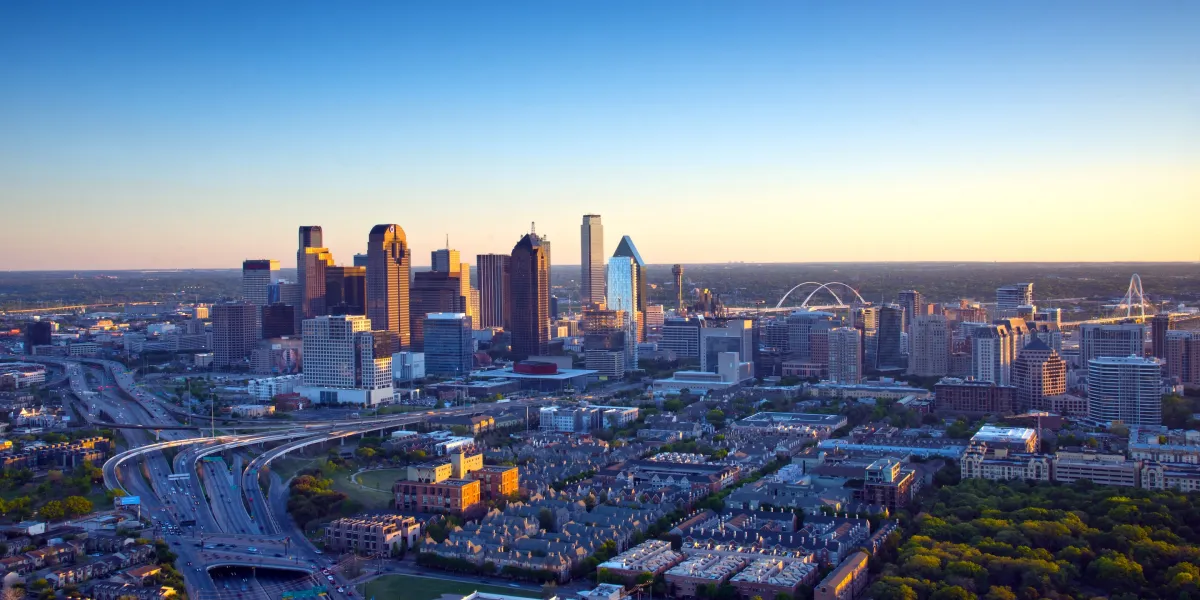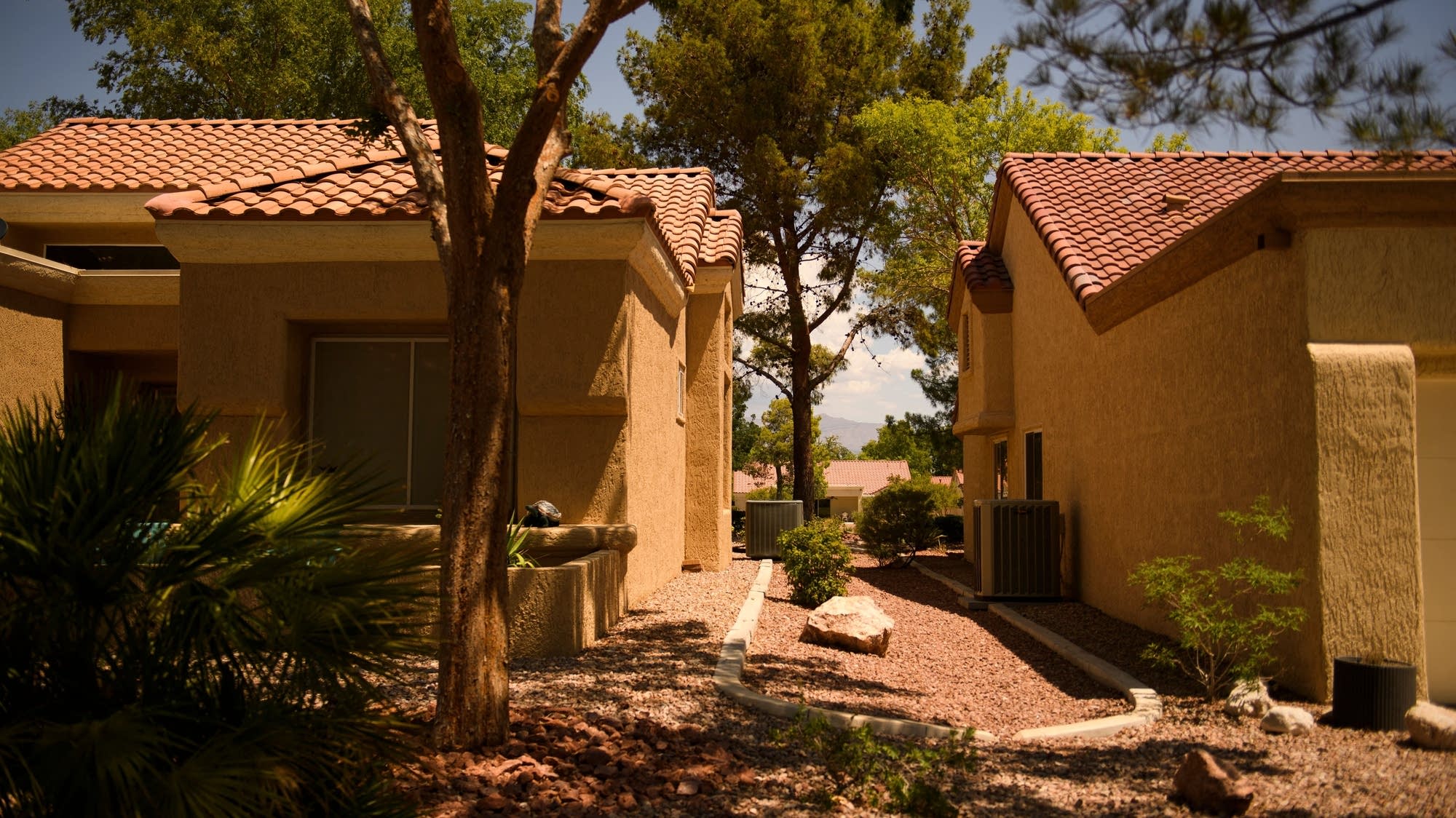
Pick up any real estate publication over the last decade and you’d see the same cities on the cover: Austin. Phoenix. Tampa. Charlotte. Americans relocated there by the thousands, companies went on hiring binges, rents were climbing fast, and every investor with a slide deck was calling it the future of American real estate. The capital followed, as it always does.
That story held up — until it didn’t.
Those same Sun Belt markets are now absorbing the consequences of a building boom that flooded them with new supply. Rents in Austin have fallen nearly 20% from their 2022 peak. Orlando, Jacksonville, Nashville, Phoenix — the cities with the most new permits issued in 2023 — also posted the steepest rent declines since. Add surging insurance costs that hit multifamily operators in Florida especially hard, with a Federal Reserve study finding the largest year-over-year premium increases concentrated in Orlando, Houston, Tampa, and San Antonio. Pile on property taxes that have been climbing to match those inflated valuations, and deals that looked great on paper three years ago are a lot less exciting today.
The markets nobody was writing about? They kept right on performing.
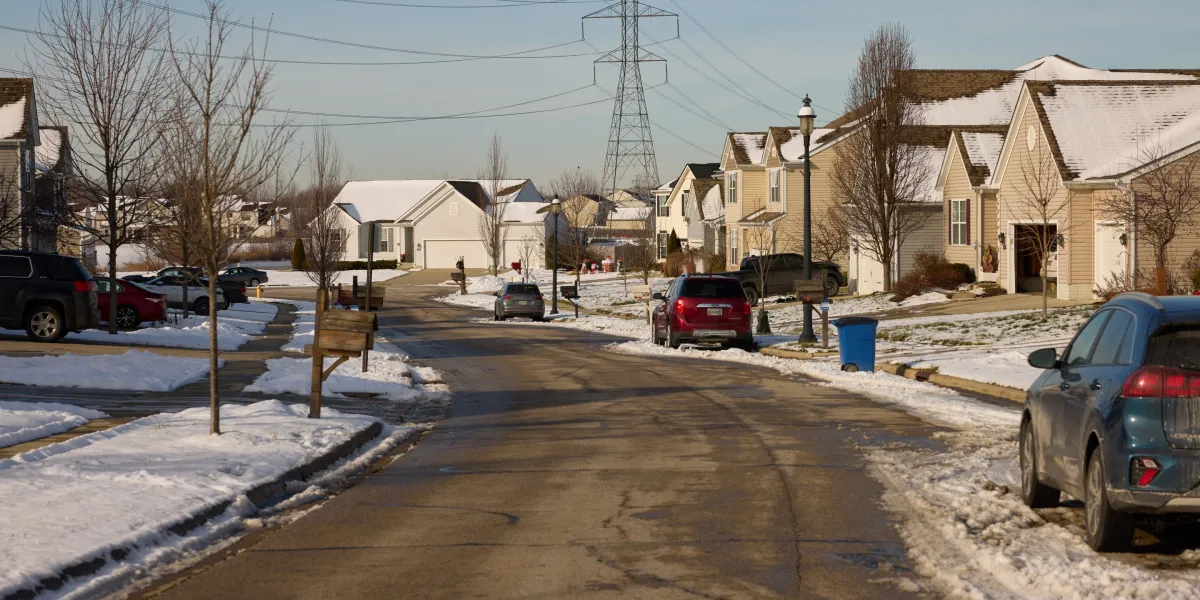
Indianapolis. Kansas City. Columbus. These are not markets that generate buzz at industry conferences. They are markets that generate returns.