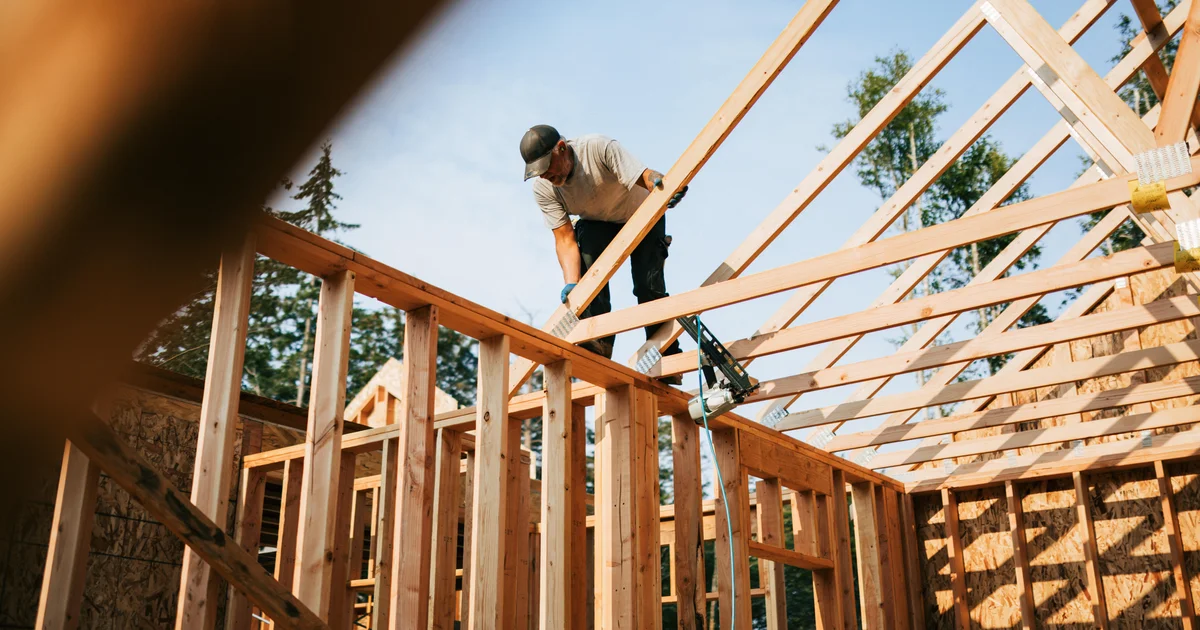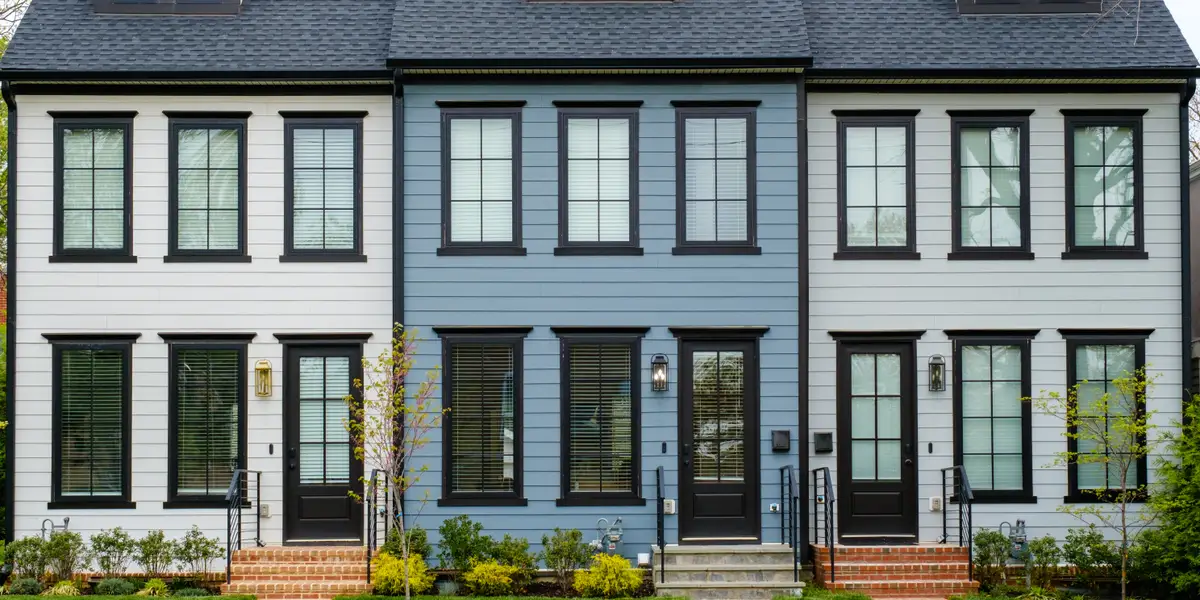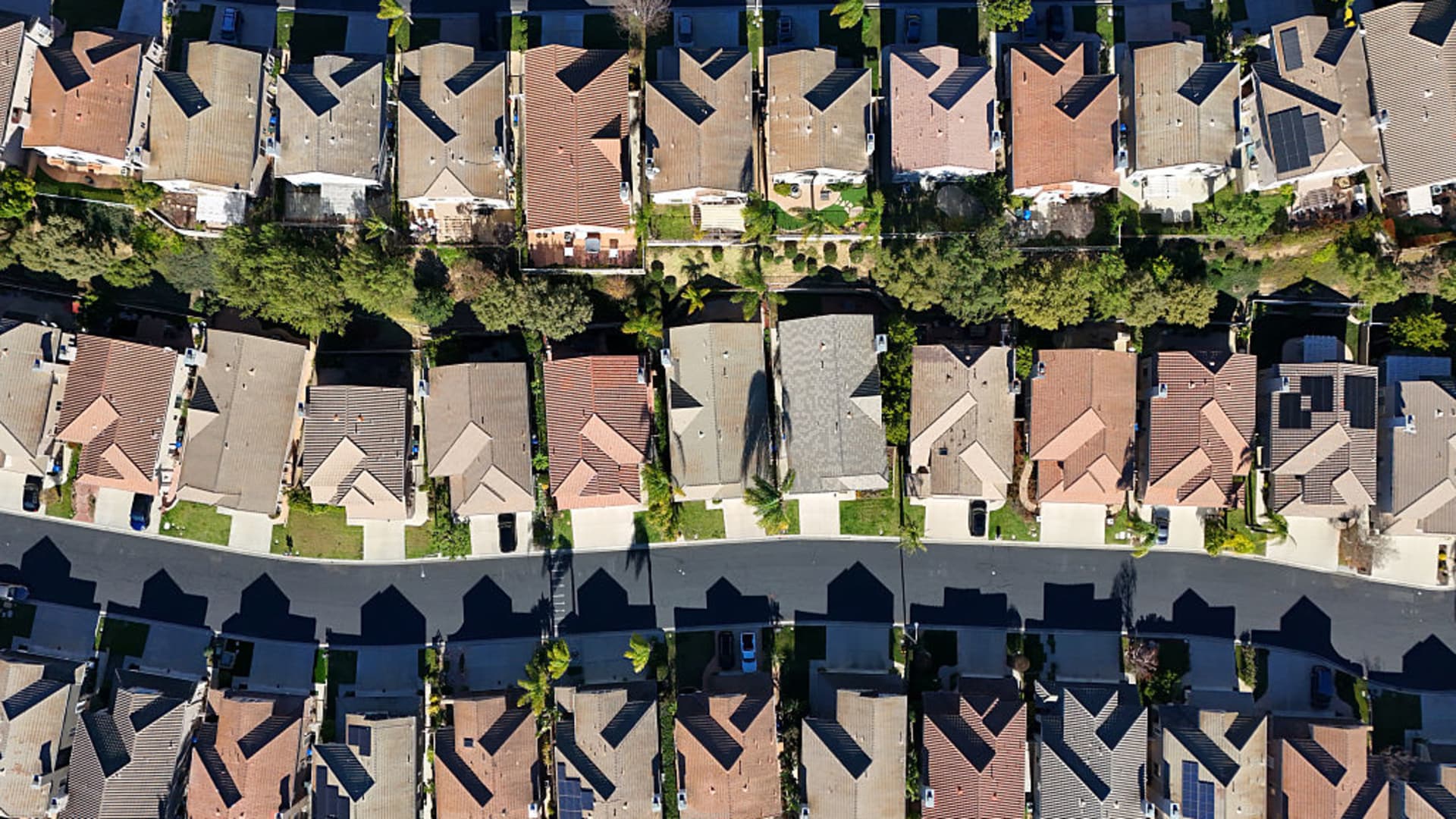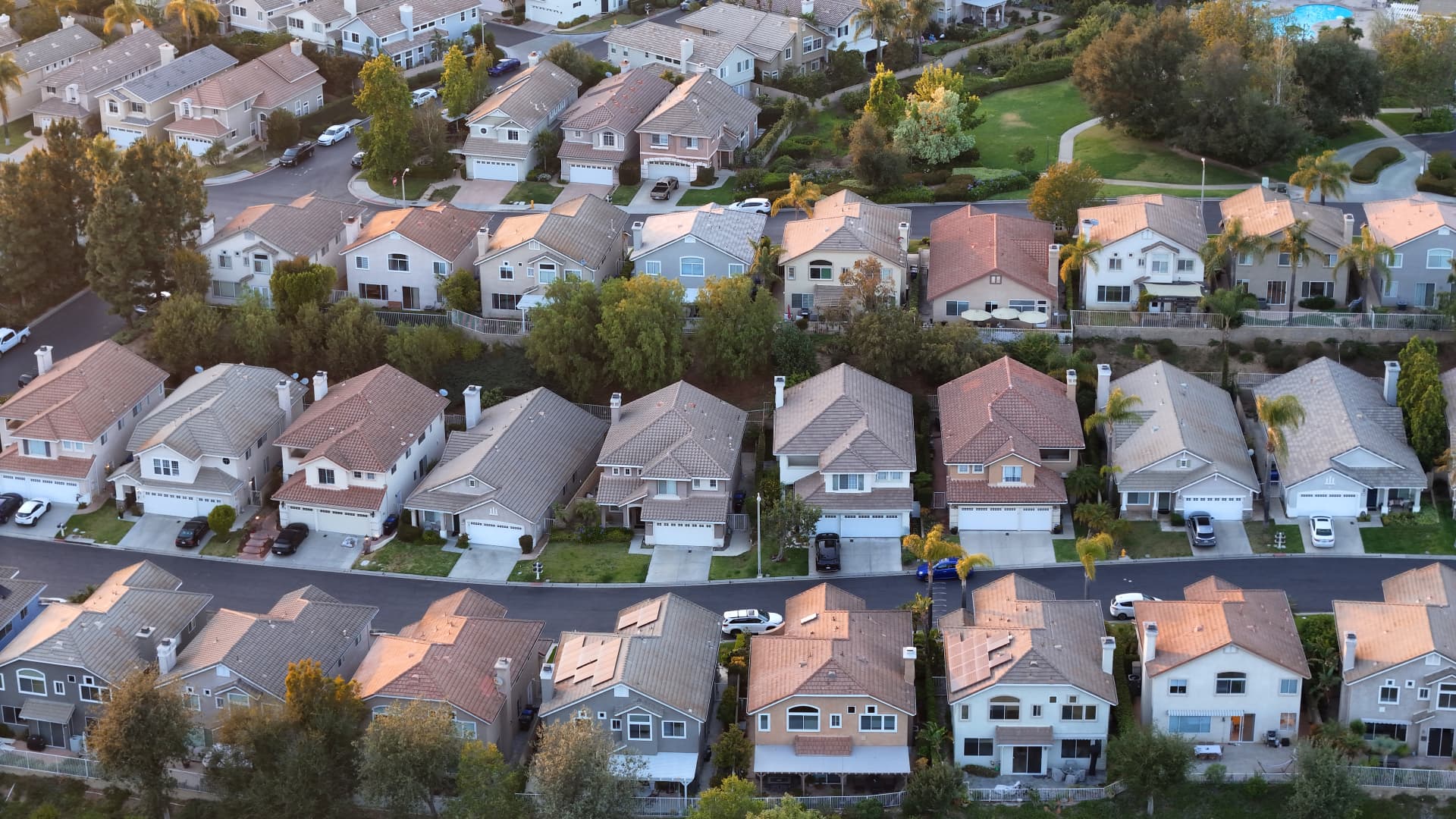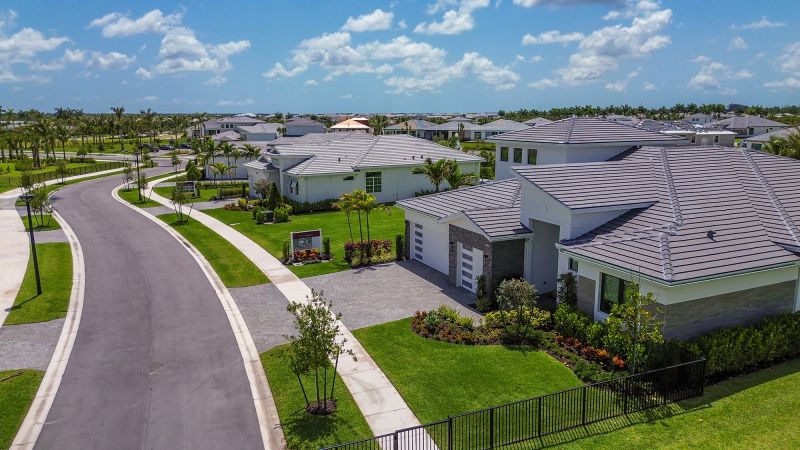
There are a lot of challenges to buying a home right now. Interest rates are well above 6%. Meanwhile, prices have kept climbing thanks to a shortage of available homes. Lawmakers are working on a housing bill to tackle that supply problem. One provision would limit corporate purchases to make room for individual buyers, the effects of which might be felt in Las Vegas and other Sunbelt cities, where investor activity has been particularly high. In the Las Vegas metro area, investors and companies bought some 70,000 single-family homes over the last decade. In some neighborhoods, corporate landlords now own a quarter of all homes, according to research from the University of Nevada. “The reason investors are so attracted to purchasing housing assets here is because there's a big demand for people to move here,” said Nicholas Irwin, research director at the Lied Center for Real Estate at the University of Nevada, Las Vegas.And here, the housing supply has not grown fast enough. “If you don't build homes for people, and you put this upward pressure on prices, then it's pretty attractive from an investor to come in, and they know there's always going to be this built-in demand for people,” he said.The population in Las Vegas grew 5% between 2020 and 2025 — almost double the national rate. Meanwhile, home prices in Las Vegas rose by 70% over the last decade, which is twice the national average. During the same period of time, Las Vegas realtor Steve Hawks said many of his clients sold their homes to investors. “A lot of times, the corporate landlords will pay above market for it, because they'll get that back in the rent,” he said. “A lot of times, the sellers didn't want to sell it to a corporate landlord, but the offers were so much higher than the average buyer’s, you can't say no to this.Now, Hawks said the damage is done. Many first-time homebuyers in Vegas can’t find homes they can afford. “The entry-level homes are basically hard to come by, because so many thousands of them were purchased by the corporate landlords,” he said. And they’re still buying. According to Redfin, one-fifth of all homes sold in Las Vegas during the last three months of 2025 alone were purchased by investors. And the city’s not unique. Above, an aerial view of homes in Miami, where one-third of homes were purchased by investors in Q4.Joe Raedle/Getty ImagesA quarter of all homes in San Francisco and Los Angeles, and one-third in Miami, were bought by investors. So, on the surface, it seems like banning large investment firms and companies from buying more homes — which Congress is pushing forward — would help. But there’s a wrinkle: “If you look at the single-family home purchases since the pandemic, actually a larger fraction of them are from so-called ‘mom-and-pop investors,'“ said Cameron LaPoint, a real estate economist at Yale. Those “mom and pop” investors — those who own 10 or fewer homes — now account for more than 60% of investor purchases. Giant firms account for about 1%. Ban the big guys, LaPoint said, and the little guys could just step into the void. “By limiting large investors, you might be helping smaller investors who are more deep-pocketed, maybe just giving them a leg up in growing their portfolio,” he said. So what’s a better solution? Build more homes, said Adrianne Todman, CEO of the National Rental Home Council, an industry trade group. “We have not, as a country, had enough investment and intentionality around good old-fashioned starter homes, you know, that used to be built much more frequently,” she said.It goes back to the issue that Las Vegas realtor Steve Hawks brought up — that starter homes were in short supply because so many were purchased by investors. The bill working its way through Congress could help, with provisions to encourage more building, like reducing some regulations on manufactured homes and tying federal grants to the number of new homes localities construct.“It is so easy to point to a boogeyman and say, ‘Look, this is why people can't afford a home,’ but it's much more complex than that,” Todman said. In fact, Todman points out that the big investors she represents have mostly pivoted away from large-scale acquisitions of existing homes, in favor of building new properties instead.From June 2026: Housing market continues to price out first-time buyersFrom February 2026: Building Tomorrow: A Special Look at the Future of Housing from Marketplace and This Old House Radio HourFrom January 2026: Would Trump's proposals make housing more affordable?From May 2025: The million-dollar starter home?From August 2024: For most U.S. households, buying a home isn’t within reach
Investors are buying up Sunbelt homes. Could a congressional ban help?
In cities like Las Vegas, LA, and Miami, investors are crowding out prospective homebuyers. But it’s not just corporate landlords.
782 words~4 min read