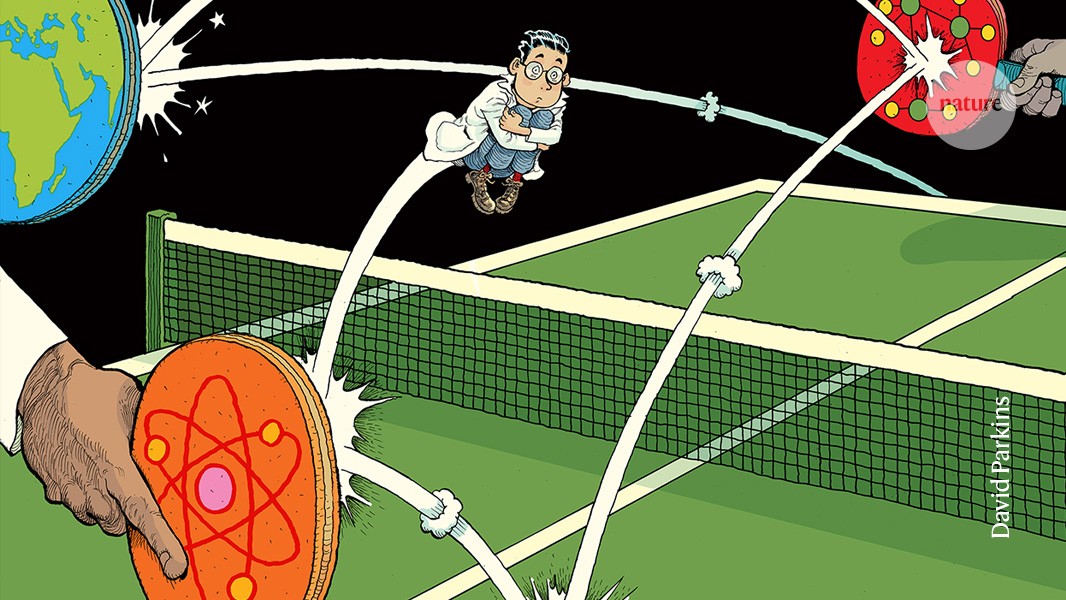
A staged academic progression balances curiosity driven learning with rigorous disciplinary mastery.
| Photo Credit: Getty Images/iStockphoto
Deep intellectual advancement requires a staged academic progression that balances broad exploration with rigorous disciplinary mastery. Initial academic stages should prioritise intellectual pluralism to build essential cognitive versatility and long-term academic resilience. Students who explore diverse fields early often demonstrate superior interdisciplinary insight during their later graduate research. They effectively recognise vital connections across social systems, policy implications, and rapidly evolving technological infrastructures. This wide intellectual scaffolding ensures that subsequent specialisation remains purposeful, methodologically sophisticated, and contextually aware.Master’s and doctoral programmes provide the focused immersion necessary to produce truly meaningful and original expertise. These advanced stages demand rigorous analytical depth, theoretical understanding, and highly specific technical domain mastery. Master’s programmes emphasise laboratory immersion and applied training, while doctoral tracks extend toward independent research contributions. Specialisation at these levels allows for deep engagement with sophisticated theories and complex modern computational frameworks.Contemporary research increasingly operates at dynamic disciplinary intersections rather than within traditional, isolated academic silos. Early specialisation without foundational exploration may produce narrow expertise that lacks necessary adaptability in transforming landscapes. Universities seeking global competitiveness must therefore nurture both breadth and depth in a sequential manner. This balanced approach produces graduates capable of addressing complex global challenges through well-informed, innovative expertise.Indian contextThe Indian higher education landscape benefits immensely from exploration-oriented undergraduate programmes that bridge diverse schooling backgrounds. Many students arrive from different state and national boards with differing levels of pedagogical exposure. A broad foundational stage successfully normalises academic readiness across these heterogeneous and complex educational backgrounds. Universities can introduce interdisciplinary bridge courses to strengthen conceptual coherence among all incoming first-year students. This early exposure to multiple disciplines effectively counters the narrow, exam-centric thinking prevalent in pre-university schooling. Students eventually learn to approach difficult problems through reasoning and critical evaluation rather than simple memorisation.Flexible major-minor systems enable gradual academic self-discovery through structured and intentional curricular experimentation. Students may sample computing, design, or economics before committing deeply to a specific professional specialisation. This thoughtful exploration reduces academic dissatisfaction and improves student retention through more informed decision-making processes. Faculty mentorship remains critical during these formative years to guide intellectual exploration and responsible scholarly growth.Graduate education demands rigorous analytical depth, theoretical understanding, and domain-specific technical mastery. Such intensity becomes productive only when learners possess broad intellectual scaffolding from earlier academic stages. Students who explored multiple fields during undergraduate education often demonstrate superior interdisciplinary insight during graduate research. They recognise connections across computational methods, policy implications, social systems, and technological infrastructures. This integrative awareness strengthens research originality and innovation capacity within specialised domains.Indian universities seeking global research competitiveness must nurture both breadth and depth sequentially. Exploration during undergraduate education builds cognitive versatility and academic resilience. Specialisation during Master’s and doctoral stages then channels this versatility toward focused scholarly contributions. This staged academic progression balances curiosity-driven learning with rigorous disciplinary mastery. It finally produces graduates capable of addressing complex national and global challenges through informed expertise.The writer is Dean, Academics, CMR University, Bengaluru. Published - June 13, 2026 03:30 pm IST