Specialising too early comes with risks as industries and technologies change, and some skills may be obsolete (Photo: Gemini)
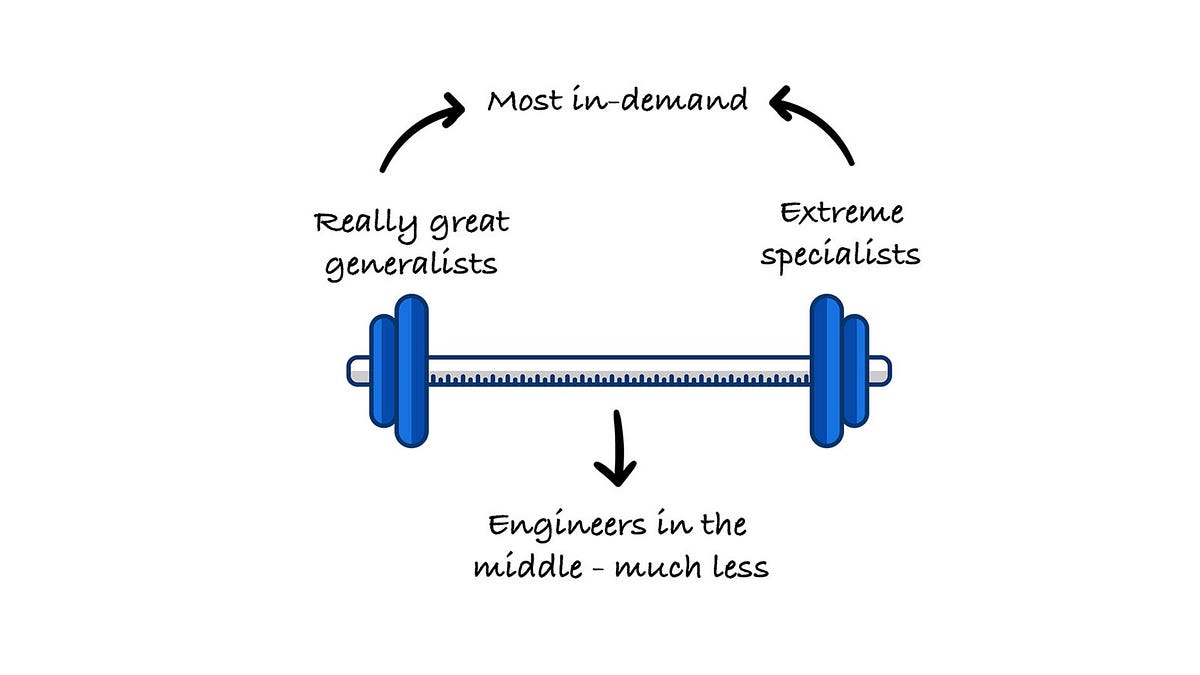
As industries and job markets change, professionals are asking whether it is more financially rewarding to become a specialist in one field or develop skills in different areas. Financial literacy expert Patrick Wameyo says the answer depends on market demand and adaptability at the stage of one’s career.
He explains that certain careers reward specialisation since they require highly unique skills to reach the highest earning brackets. However, not every profession works this way, as income levels are influenced by factors such as supply and demand for particular skills.
“Building skills in multiple areas, especially those relevant to market demand, is important. Generally, people start their careers from a broad base and later narrow down into areas where they find relevance,” he says.
He says that specialisation becomes financially rewarding at what he describes as the level two contributor stage of a career, a point where an individual can be trusted to independently deliver major projects. At this level, depth of expertise is valuable.