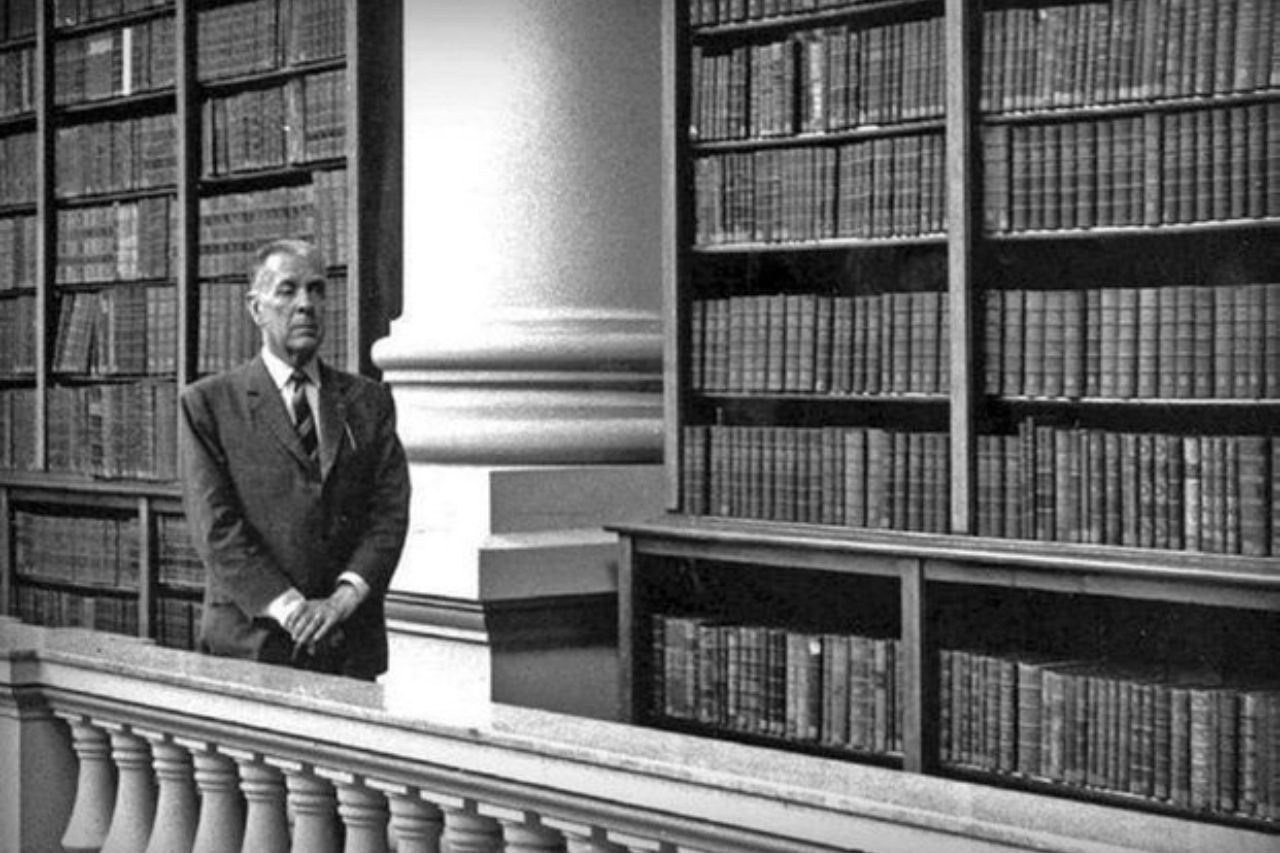
History likes symmetries and mild anachronisms, but it’s hard to place a final form on what emerges from the events themselves and their anniversaries.
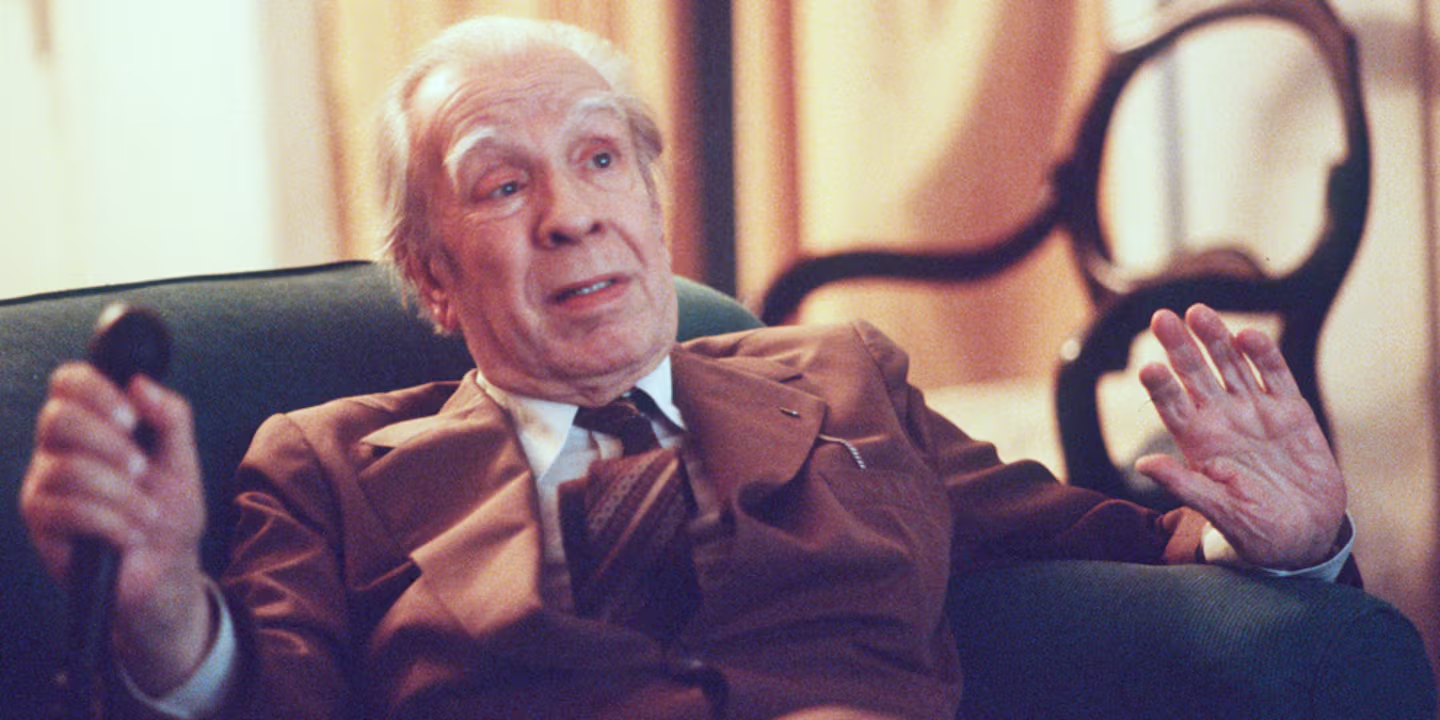
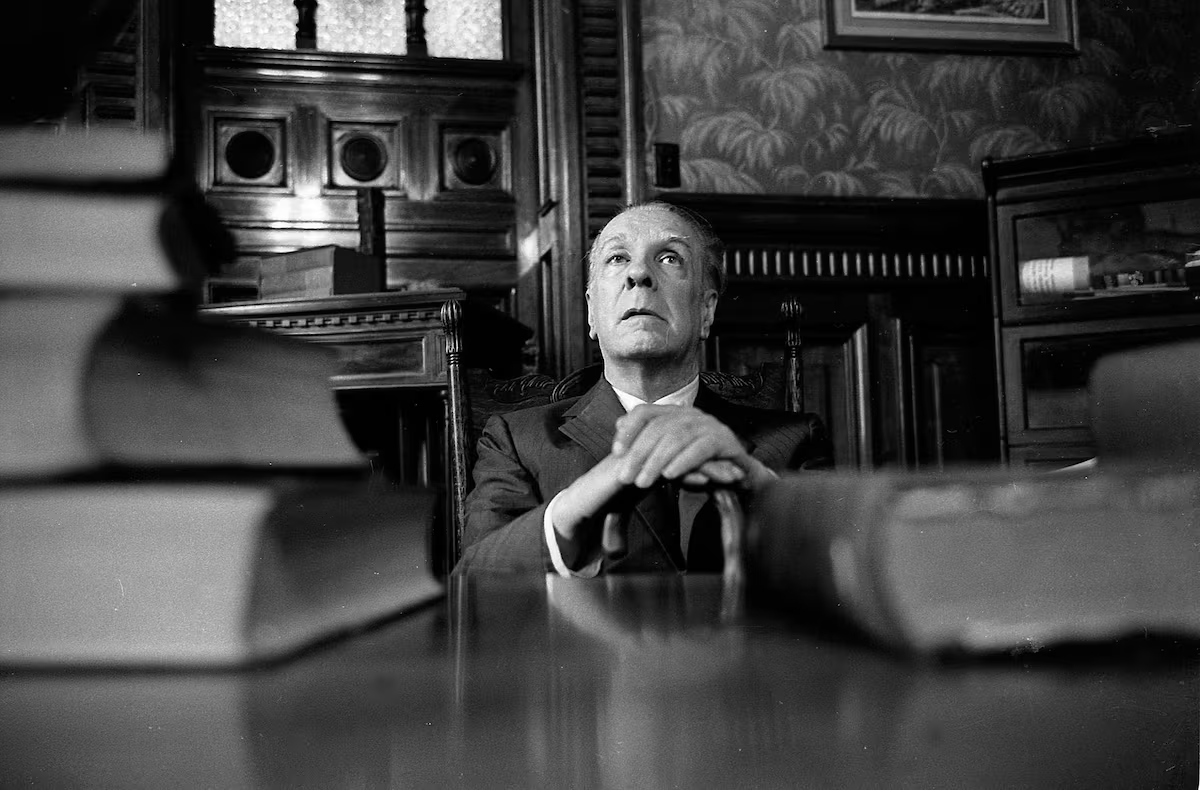
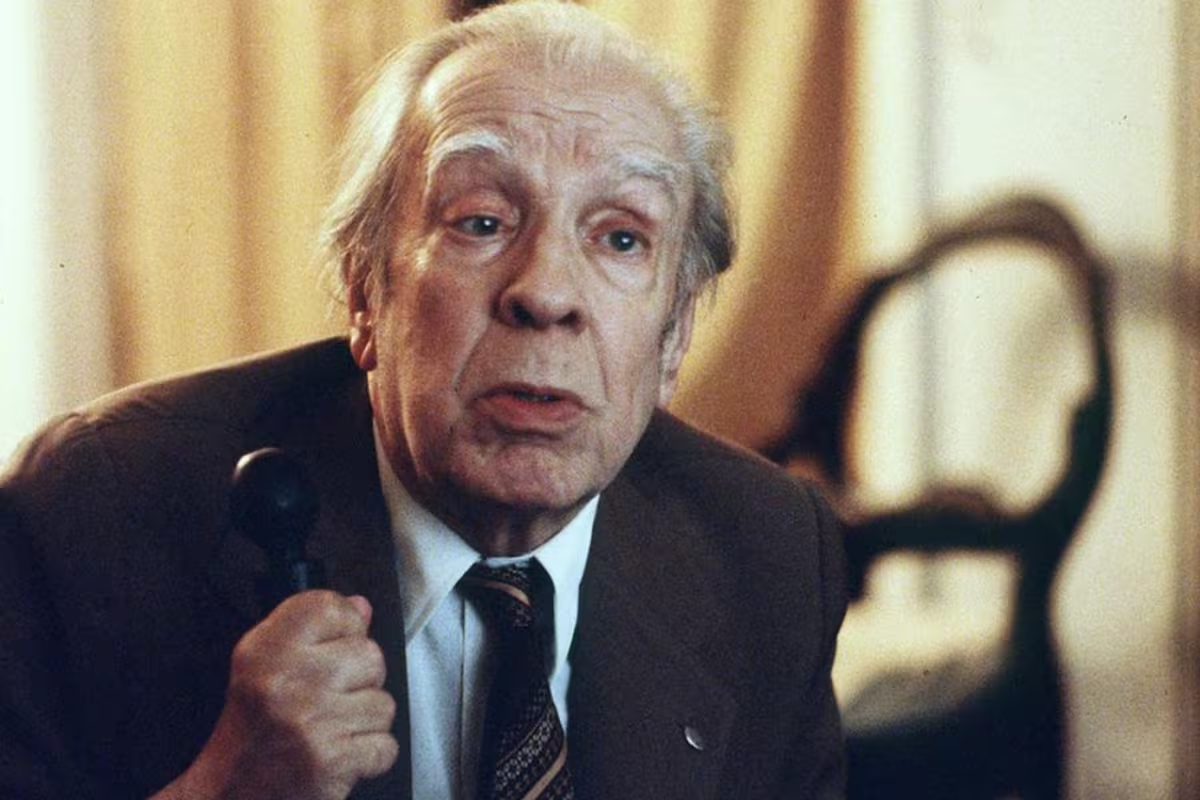
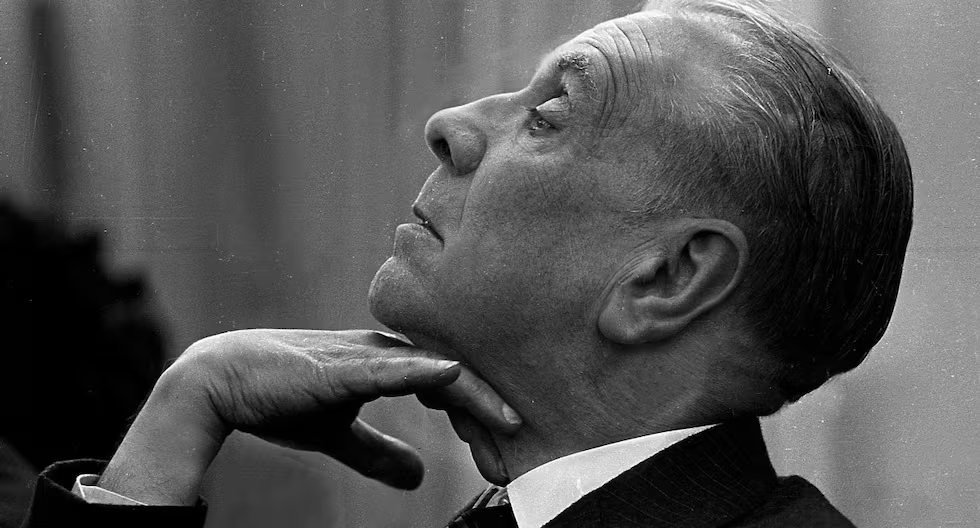
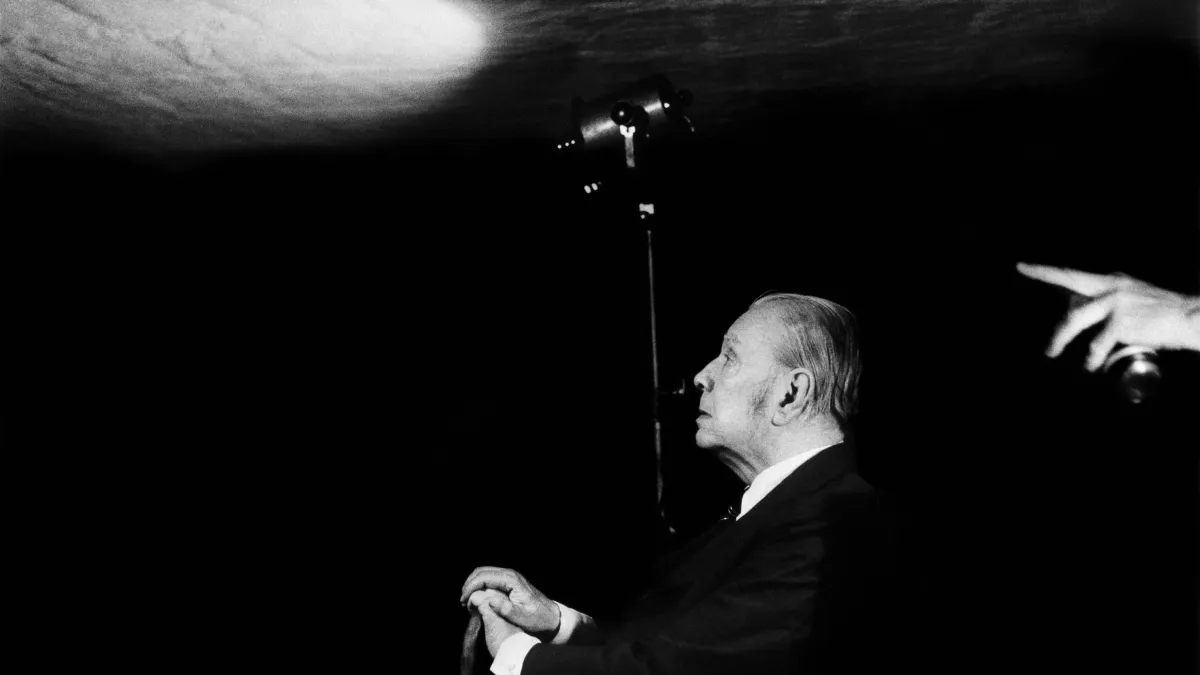
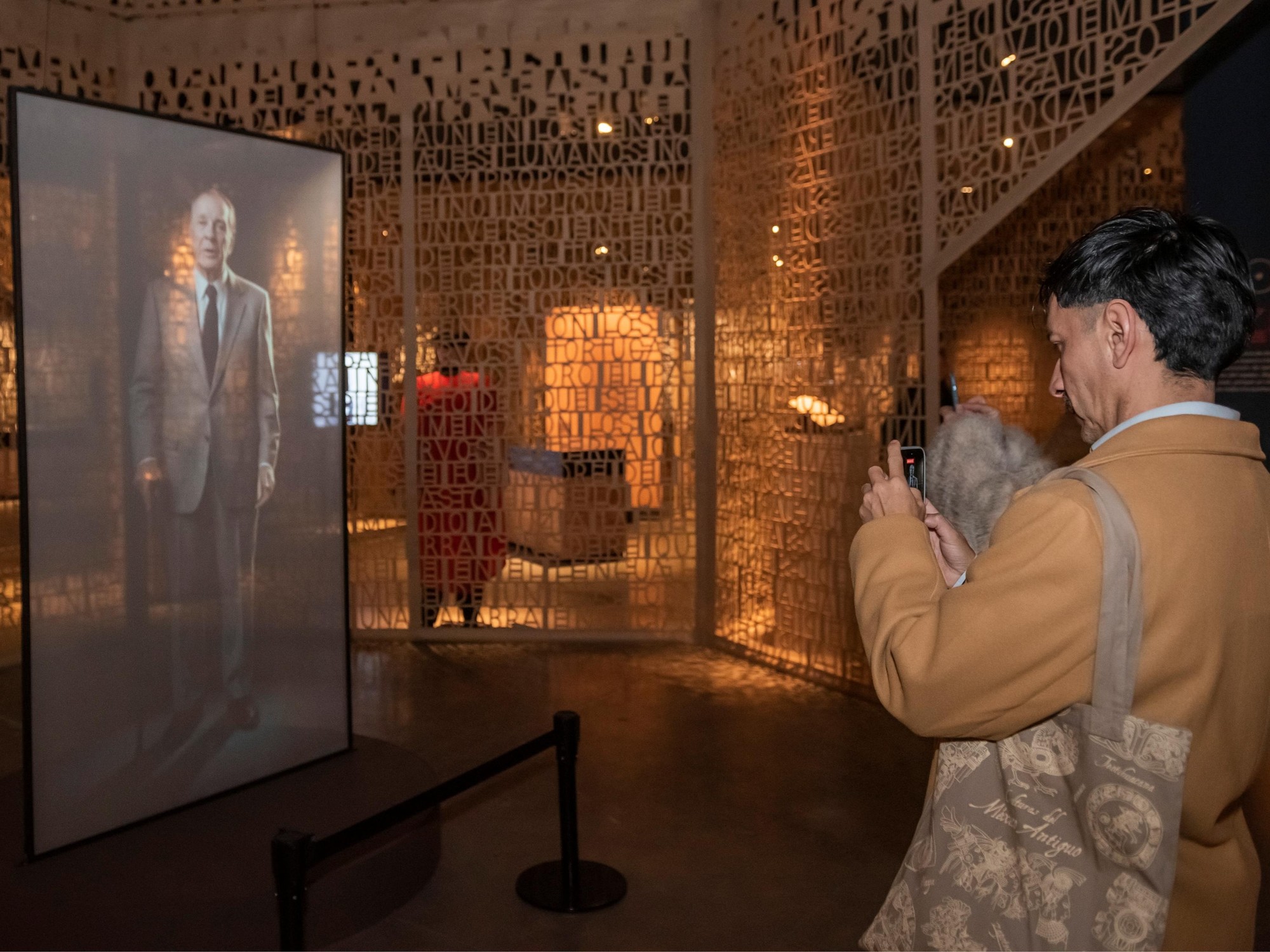
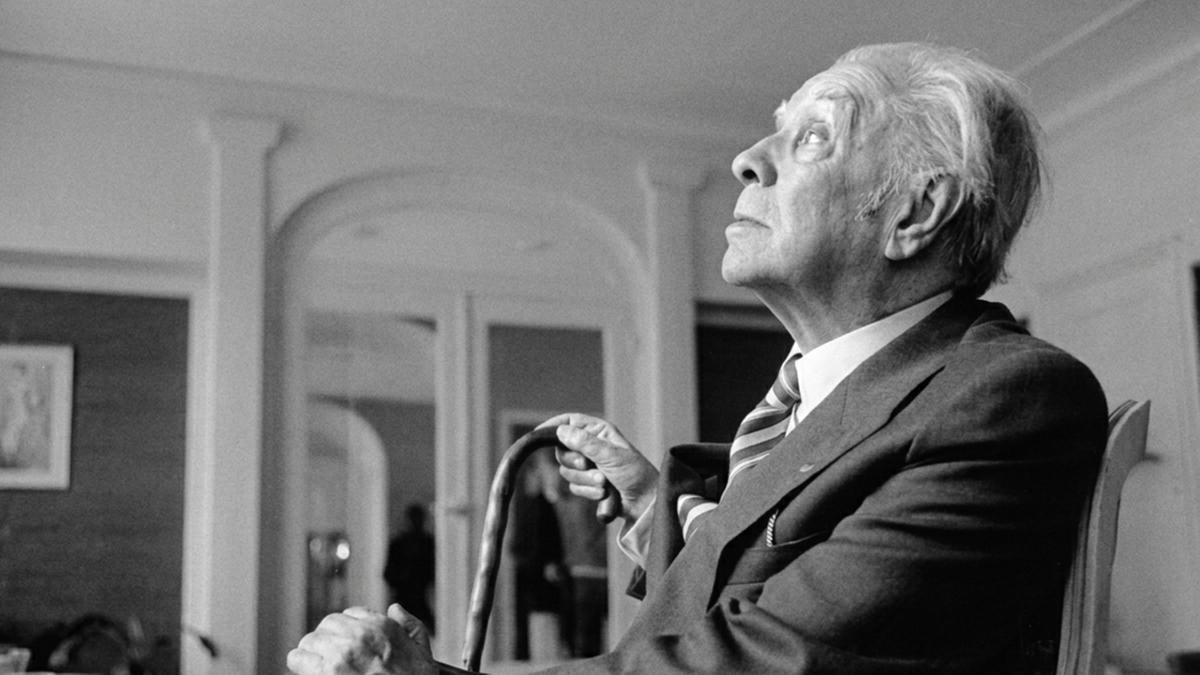
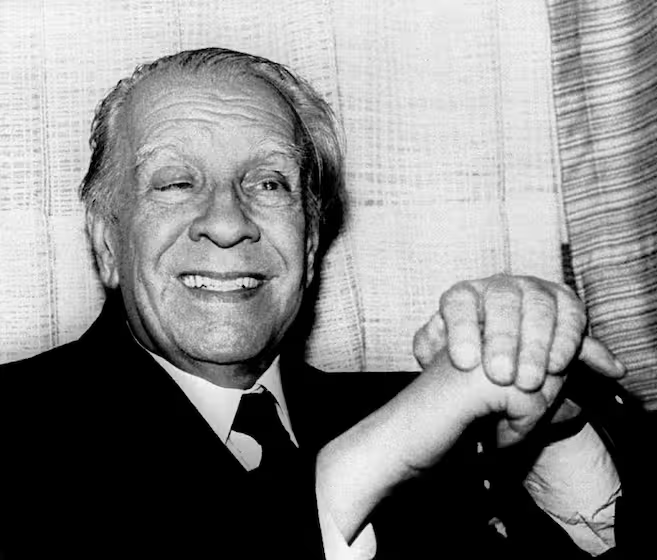
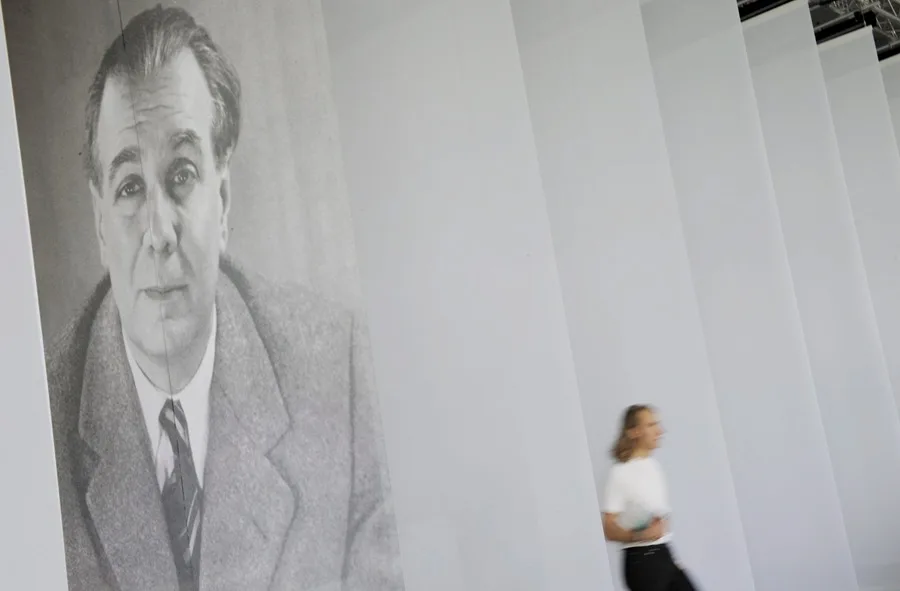
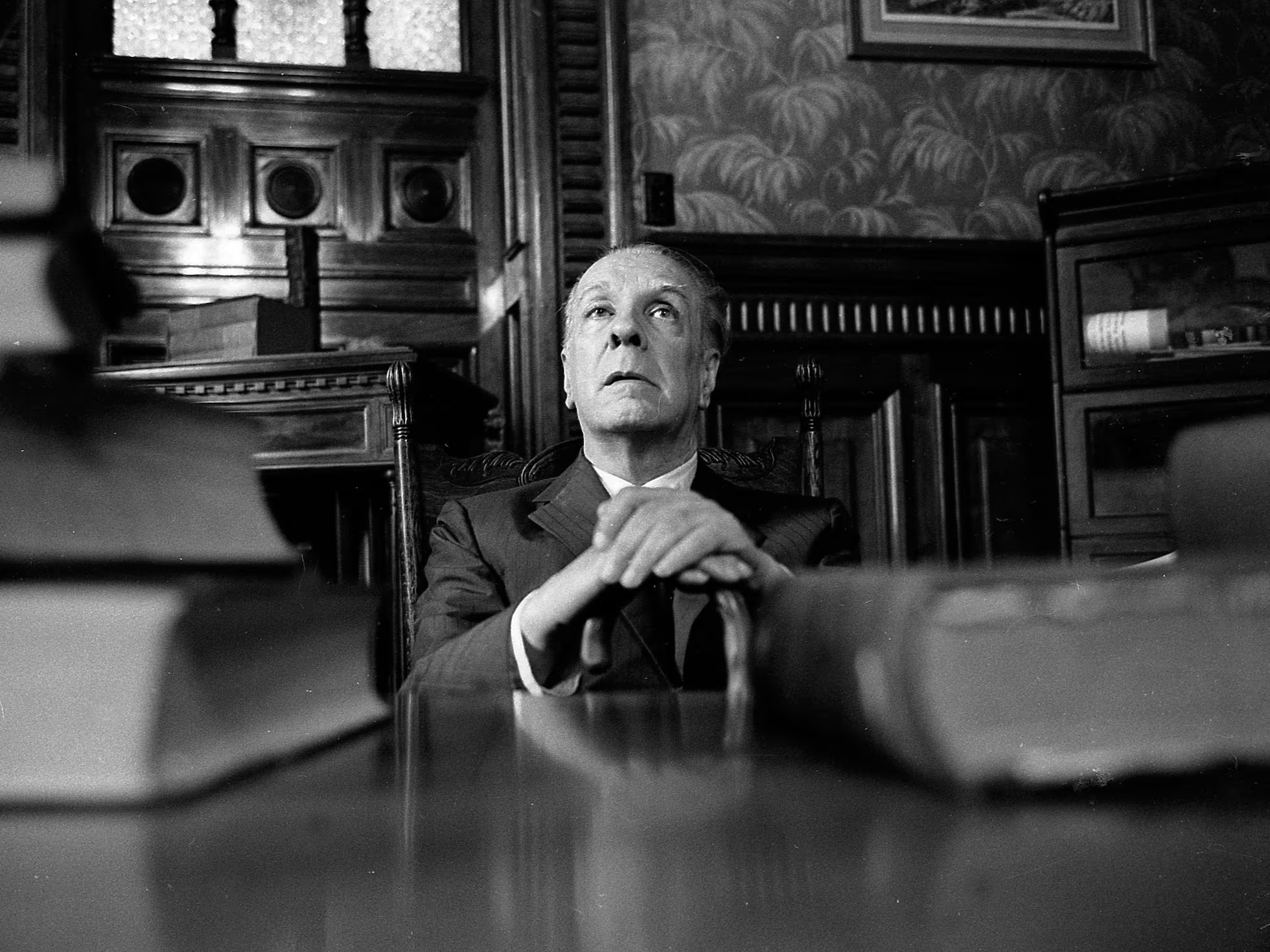
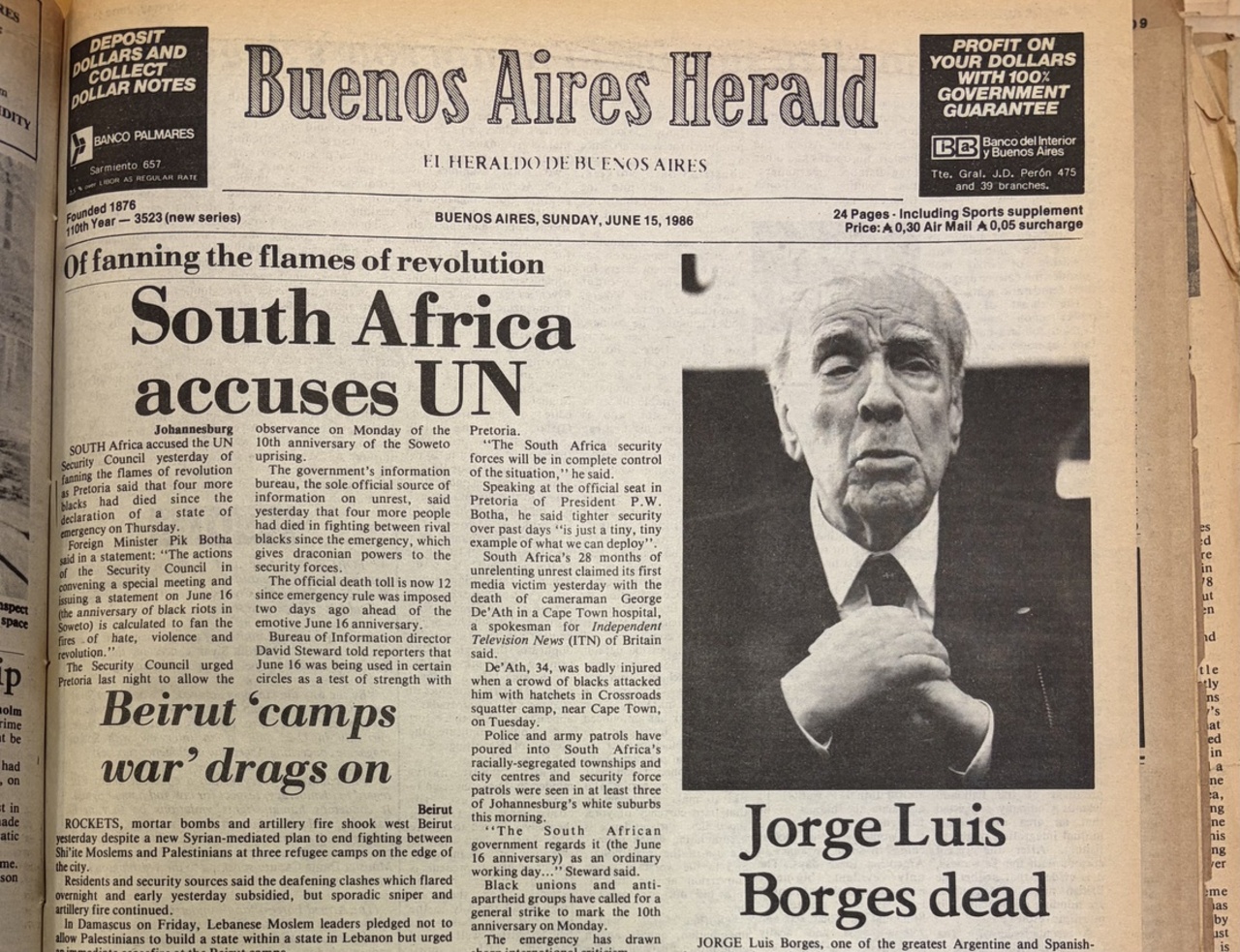
Jorge Luis Borges, born in Buenos Aires in 1899, died 40 years ago in Geneva, on June 14, 1986. We can also say that he passed away eight days before Diego Maradona scored two goals against England at the World Cup that Argentina would go on to win in Mexico — it all depends on how you arrange the dates.
At the end of the 19th century, Argentina was a country with vast wealth inhabited by poor people. Borges grew up in a comfortable middle-class home with traces of an older lineage. Think of relatives who had taken part in the distant wars of independence or a piece of land that had once yielded some income.
Borges’ father was the son of an Argentine military officer and an English immigrant. He had a law degree but actually worked, for as long as his body allowed, as a psychology professor.
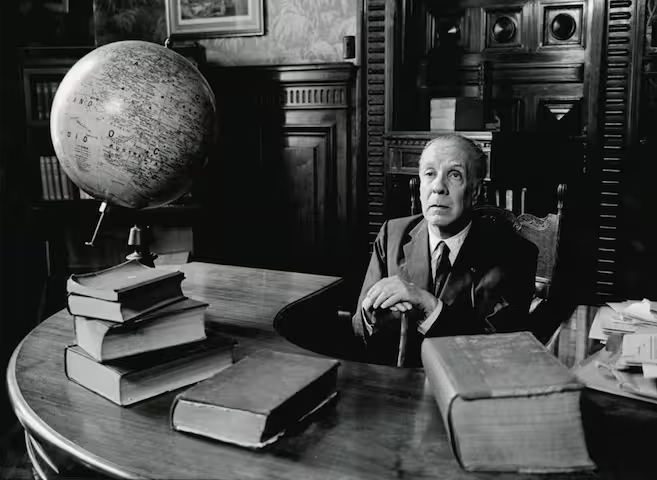
With the vast library and the English language on his father’s side, coupled with the family heritage and Spanish language on his mother’s, Borges wove together a unique form of literature.