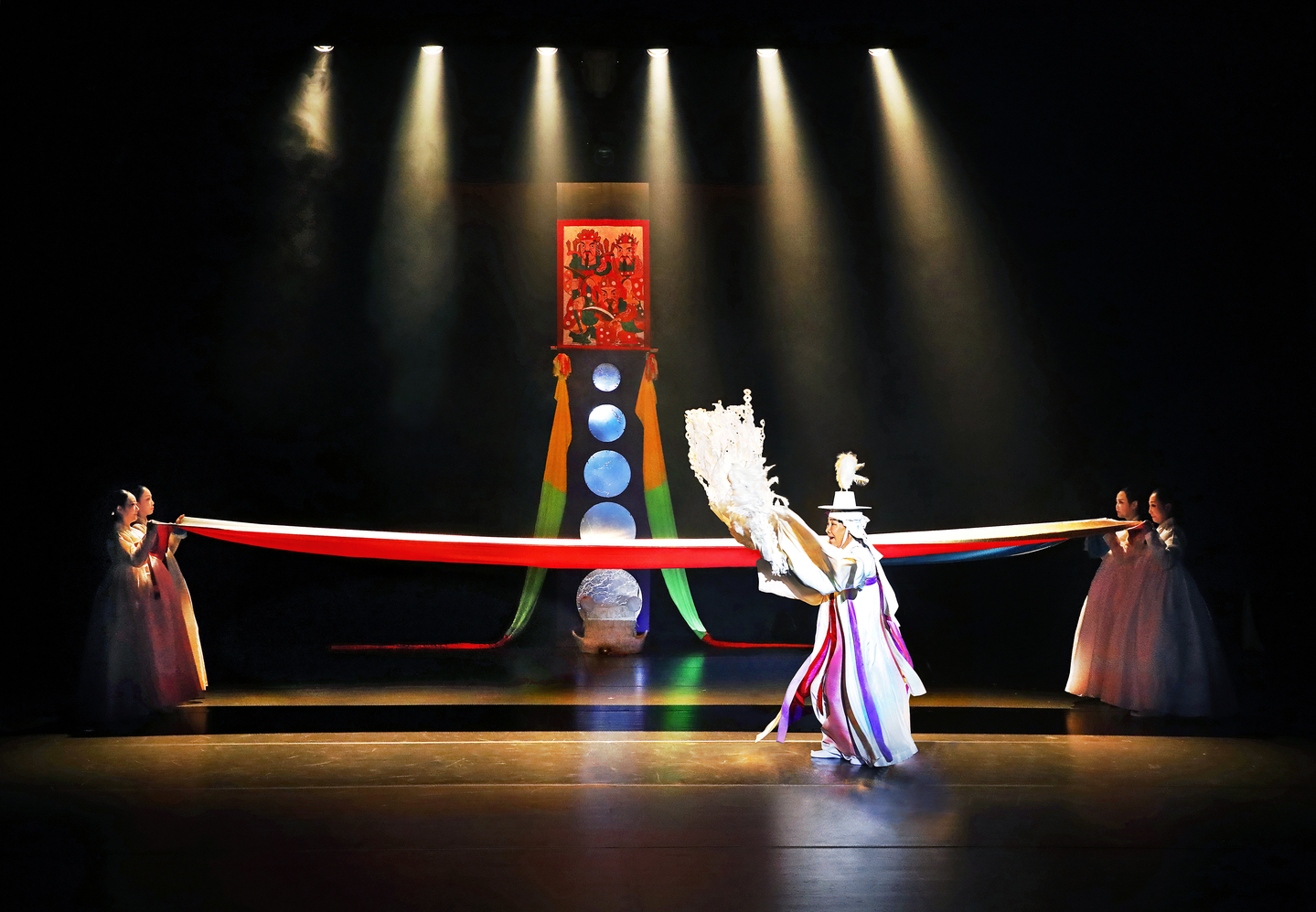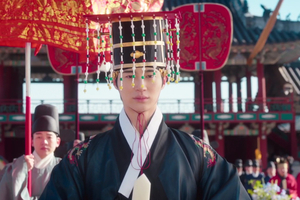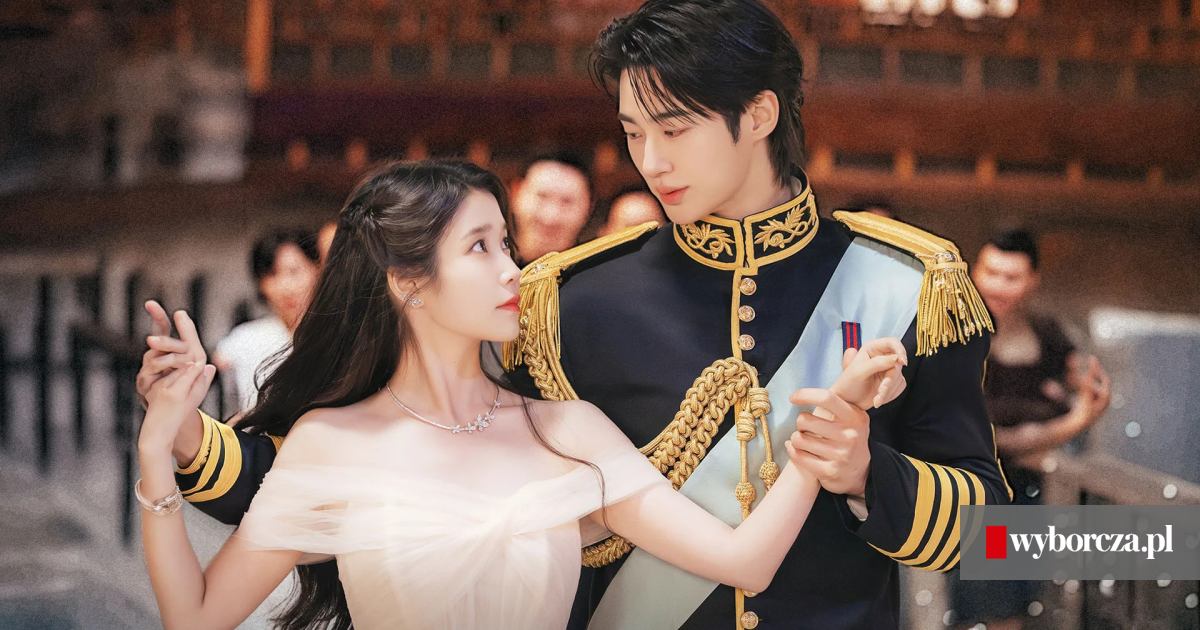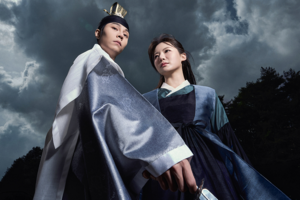
New production reimagines Crown Prince Hyomyeong, creator of many of Korea's enduring court dances Concept photo for "Hyomyeong: The Prince of Art" (National Changgeuk Company of Korea) For many Koreans, Crown Prince Hyomyeong represents one of history's great "what ifs."Widely regarded as one of the most artistically accomplished royals of the Joseon era (1392–1910), he excelled in literature, writing more than 400 poems, and left an enduring legacy in the performing arts by creating more than 20 court dances.Some historians say that had he not died at the age of 21, the trajectory of the late Joseon era might have been different.Hyomyeong was born in 1809 as the only son of King Sunjo (1790–1834), the 23rd monarch of the Joseon era, and named crown prince at the age of 3. When his father's health declined, he assumed the role of regent at 18, governing on the king's behalf for three years and three months before his untimely death at 21.Despite his youth and brief reign, Hyomyeong was a gifted reformer. At a time when a handful of powerful aristocratic families and royal in-laws dominated the court, he sought to restore royal authority, curb corruption and recruit talented officials regardless of factional affiliation.Above all, Hyomyeong was devoted to dance. During his regency, he revived court dances that had survived only in name, choreographed new works and reimagined existing royal performances with richer staging and expanded ensembles, transforming them into grand spectacles.Today, Hyomyeong is perhaps best known to the general public as the historical inspiration for Crown Prince Lee Yeong, portrayed by Park Bo-gum in the hit 2016 series "Love in the Moonlight." Members of the National Changgeuk Company of Korea rehearse a scene from "Hyomyeong: The Prince of Art" at a studio at the National Theater of Korea in Seoul. (National Changgeuk Company of Korea) Now his story is being reimagined once again, this time through changgeuk, a form of traditional Korean opera, by the National Changgeuk Company of Korea."The fact that 23 of the 53 surviving court dances were created by Hyomyeong speaks to his immense contribution to traditional Korean arts," said Yu Eun-seon, the artistic director."We wanted to introduce the richness of Korean dance through the medium of changgeuk while also portraying the ideal world he dreamed of creating."The production portrays Hyomyeong as both a visionary artist and a reformer determined to restore royal authority and court order."To Hyomyeong, politics sustained survival, while art gave life its radiance," playwright Lee Man-hee said. "He lived on two parallel tracks — as a statesman and as an artist."The story also weaves in a fictional subplot. Myomyo, a female assassin, is sent into the court to kill the crown prince. But when she encounters Hyomyeong's vision of governance expressed through art, her resolve begins to waver. Their preparation for a climactic sword dance serves as the production's emotional and dramatic centerpiece. Members of the National Changgeuk Company of Korea rehearse a scene from "Hyomyeong: The Prince of Art" at a studio at the National Theater of Korea in Seoul. (National Changgeuk Company of Korea) Pansori singer Yoo Tae-pyung-yang, who is making his debut as a changgeuk composer, said he deliberately avoided a grand or heroic musical style, choosing instead to emphasize the uncertainty and anxiety of a young ruler living through an era of political upheaval."I saw the story of a young man who could not help but be shaken by an age of uncertainty," Yoo said, adding that he crafted vocal lines with sharper, more contemporary rhythms.Court dances play a central role in the production, giving choreography an unusually prominent place in a changgeuk performance. A cast of 66 dancers joins for ensemble sequences that evoke the grandeur and pageantry of the royal court.Choreographer Kim Jae-deok said he reinterpreted Hyomyeong's original works through a contemporary lens while staying true to their traditional spirit. Members of the National Changgeuk Company of Korea rehearse a scene from "Hyomyeong: The Prince of Art" at a studio at the National Theater of Korea in Seoul. (National Changgeuk Company of Korea) Among the featured pieces is "Chunaengjeon," a celebrated solo court dance created by Hyomyeong that depicts the scene of an oriole singing on a spring day. It was first performed at a royal banquet celebrating his mother's 40th birthday and remains one of Korea's best-known court dances.The production also features "Geomgimu," or sword dance, performed with a distinctive rotating sword designed by Hyomyeong. The blade spins independently from the hilt, creating a metallic clinking sound as the dancer turns their wrist and adding to the dance's dynamic energy.National Changgeuk Company members Lee Kwang-bok and Kim Soo-in will alternate in the role of Hyomyeong."We are taught that court dance should be joyful without excess and sorrowful without despair. I believe Hyomyeong lived by that principle as an artist," said Kim, who also trained in traditional dance."Hyomyeong: The Prince of Art" will run from June 23 to 28 at the Haeoreum Grand Theater of the National Theater of Korea. English subtitles will be available for all performances. Park Bo-gum in "Love in the Moonlight" (KBS) Concept photo for "Hyomyeong: The Prince of Art" (National Changgeuk Company of Korea)
Artist prince behind Park Bo-gum's hit role comes to changgeuk stage
For many Koreans, Crown Prince Hyomyeong represents one of history's great "what ifs." Widely regarded as one of the most artistically accomplished royals of th
862 words~4 min read