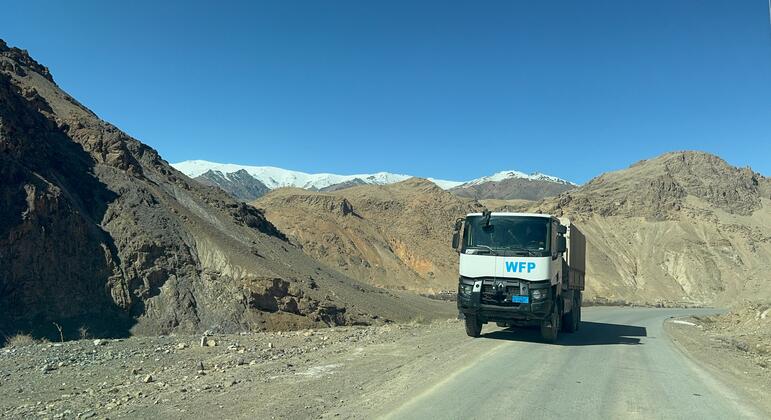
Instability, war and closed borders: How aid workers get emergency food to hungry Afghan children
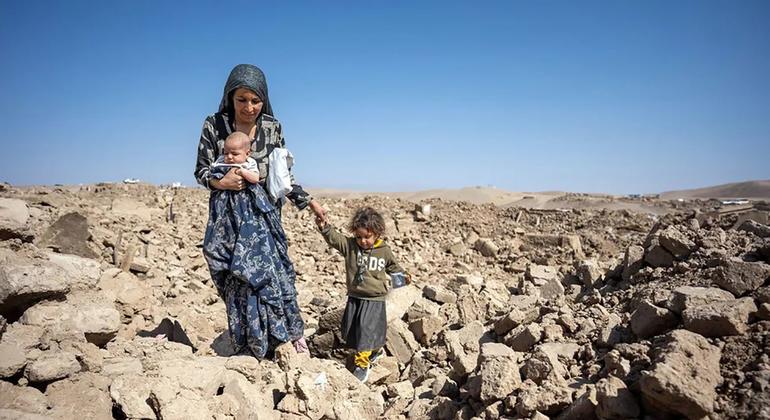
Hundreds of thousands of people in Afghanistan face hunger and poverty. The country suffers from repeated floods and earthquakes, declining humanitarian funding and two crises along its borders. Logjams and logisticsFor many Afghan schoolchildren, the fortified biscuits distributed by the World Food Programme (WFP) are often the most nutritious food they will receive all day. But getting the supplies into the country is a logistical minefield.Take, for example, the 397 metric tons of this key nutritional boost, intended for some 172,000 students, shipped from Indonesia’s Surabaya port, part of a US$3.5 million contribution from the Government of Indonesia to support WFP school meals in Afghanistan.The supplies are first sent by boat to the southern Pakistani port of Karachi, but from there things get more complicated.The original plan was for the shipment to be transferred to trucks for a 7,000 km trip through Pakistan but, amid tensions between the country and Afghanistan, the border was closed.Hunger cannot waitA new route has to be found quickly because, as Corinne Fleischer, Director of WFP Supply Chain and Delivery, says, “hunger doesn’t wait for routes to reopen”. WFP shipping officers reroute the cargo to the port of Jebel Ali in Dubai, with a plan to ship it across the Persian Gulf to Iran and then move it on by road.