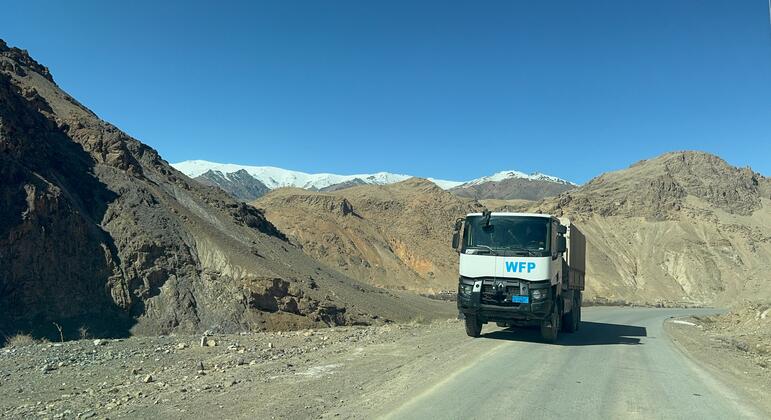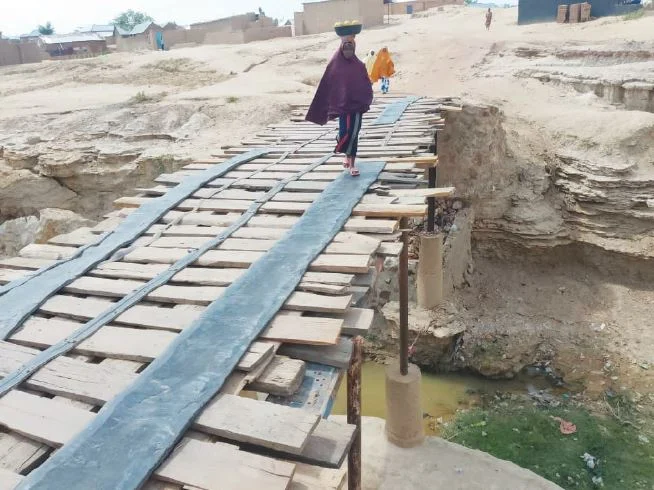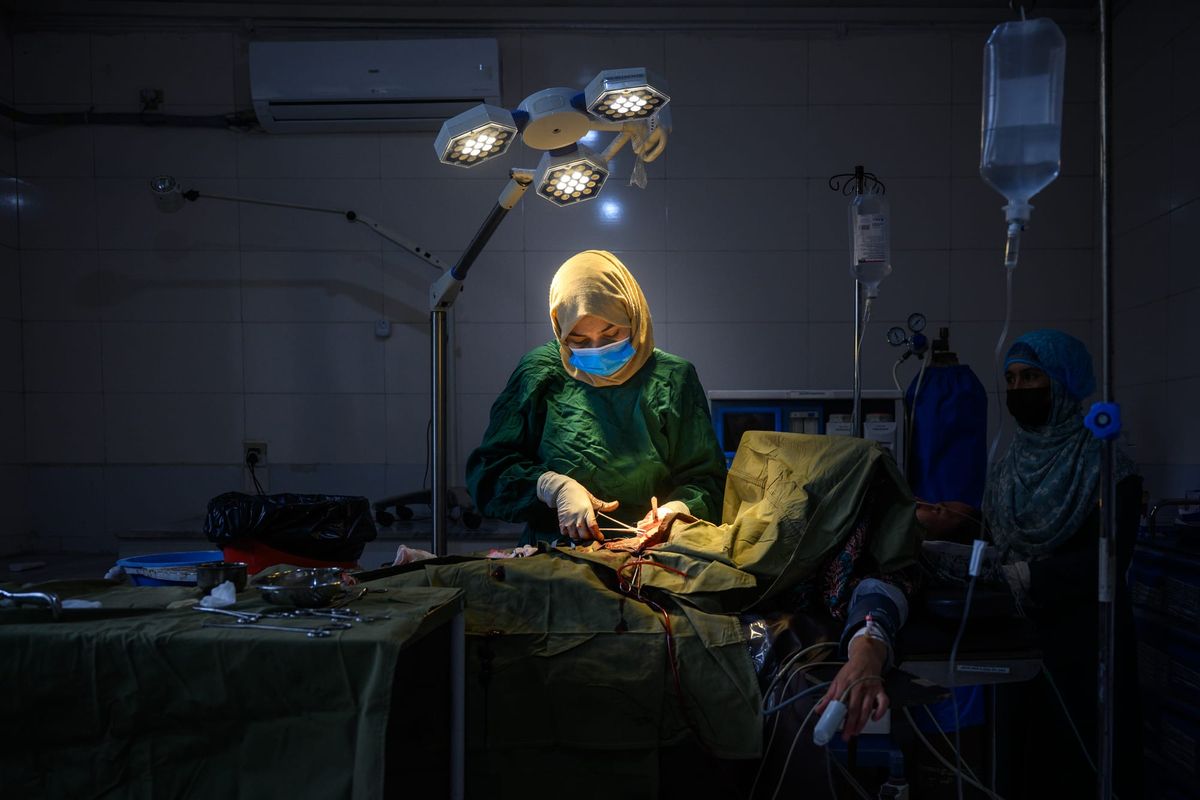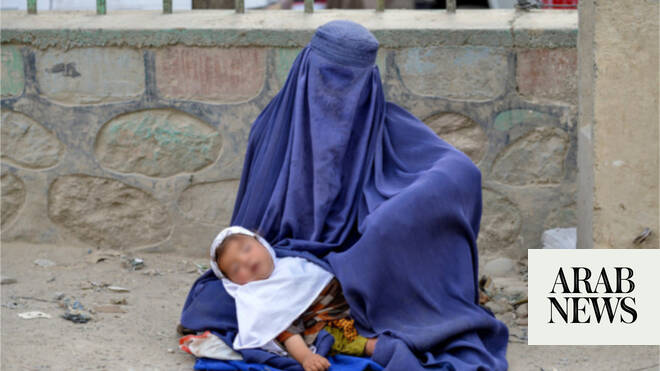
NEW YORK CITY: The baby’s head had been crowning for hours. The nearest health facility was 40 km from the village — a distance that, on the broken roads winding through Badakhshan province in northeastern Afghanistan, translates into a three-hour drive.
There were no vehicles available. By the time the mother reached the provincial capital, Faizabad, the choice facing medical workers was bleak. To save her life, the baby could not be saved.
“This is not just a story,” Kwabena Asante-Ntiamoah, the UN Population Fund representative in Afghanistan, told a press roundtable at UN headquarters in New York this week. “This is a reality in Afghanistan.”
He pointed to Afghanistan’s maternal mortality ratio, which stands at 521 deaths per 100,000 live births — one of the highest in the world and a figure that, according to UNFPA modeling, could triple in the coming year if current funding cuts are not reversed.
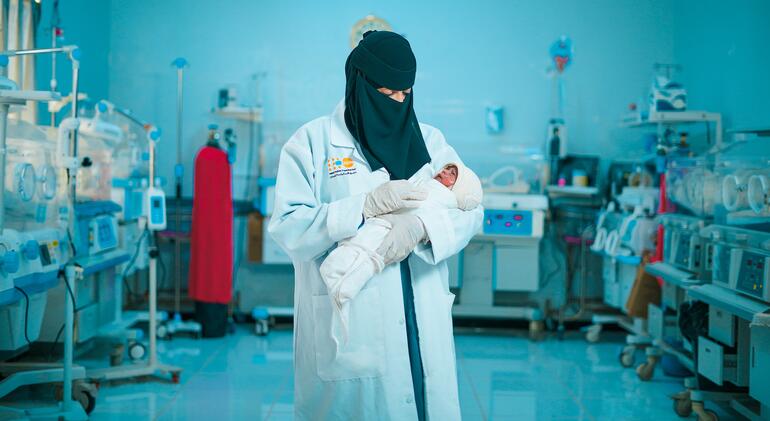
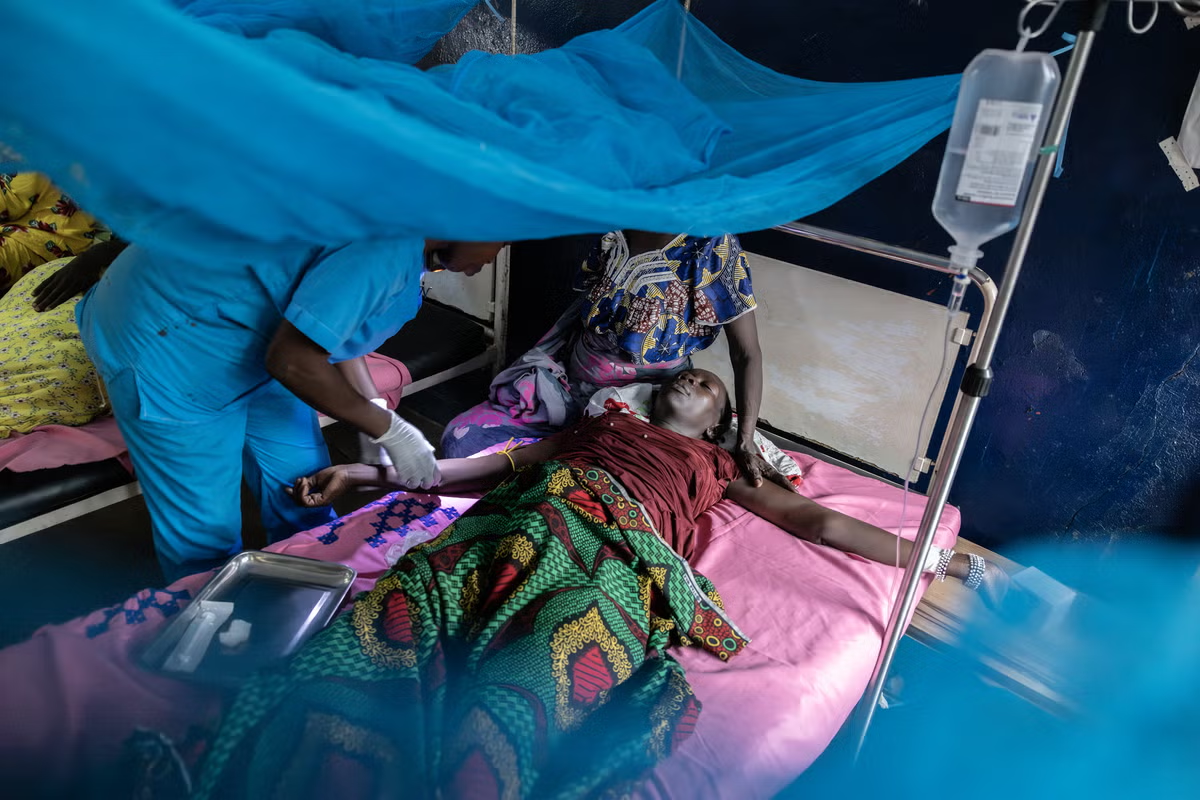
Across the Gulf of Aden, events in Yemen tell a parallel story. Three women die there every day from pregnancy-related complications or during childbirth.