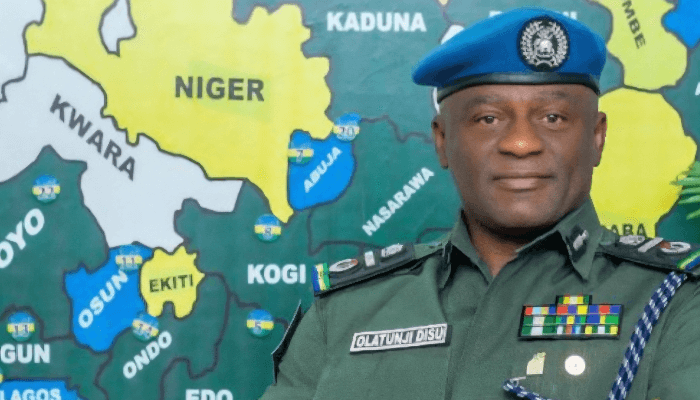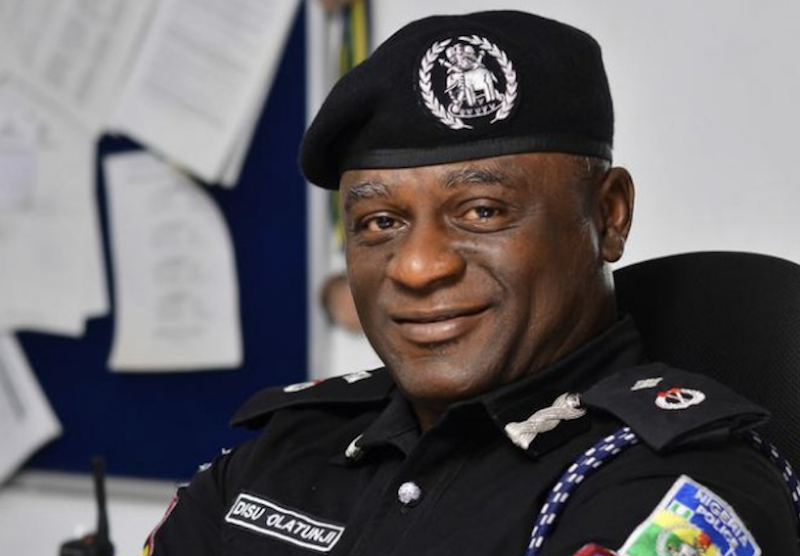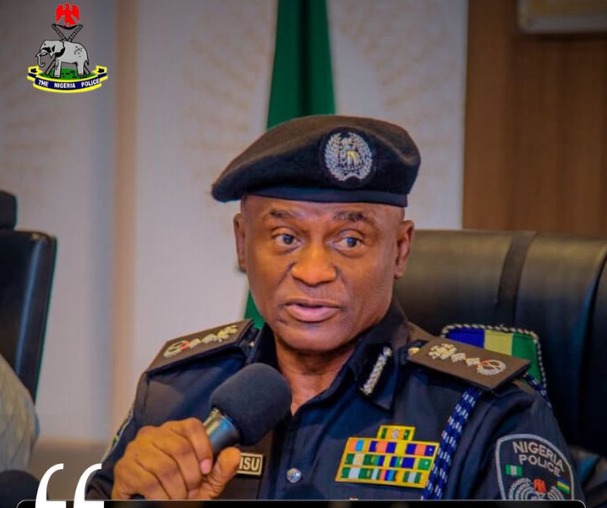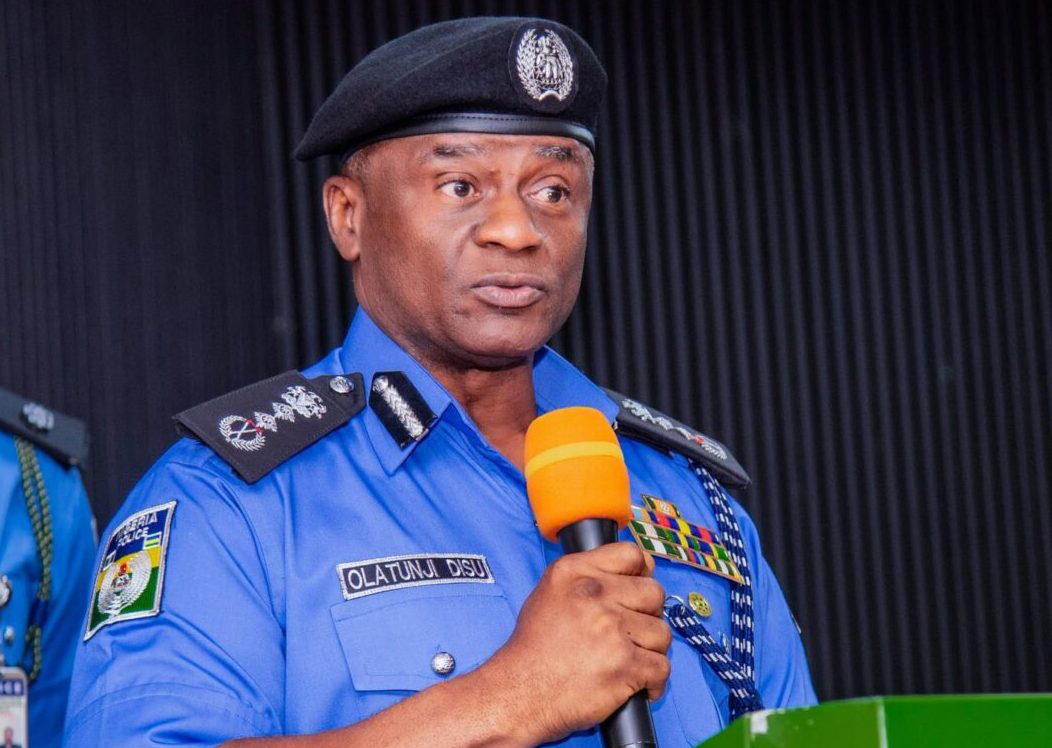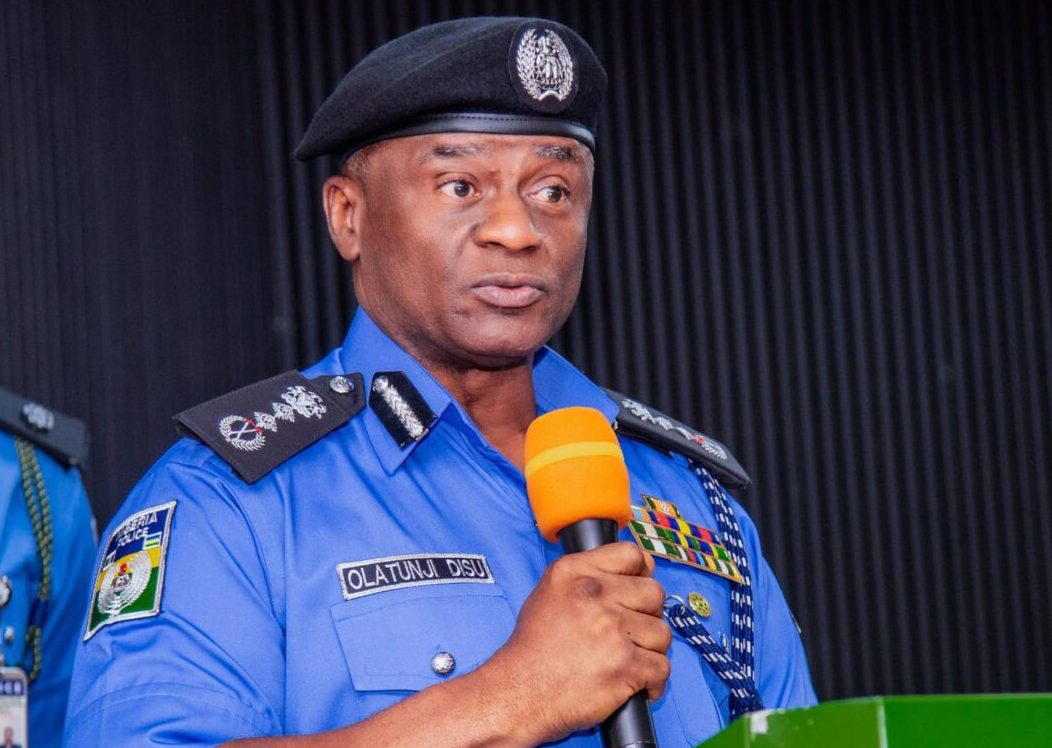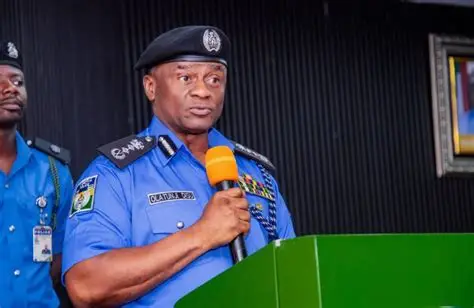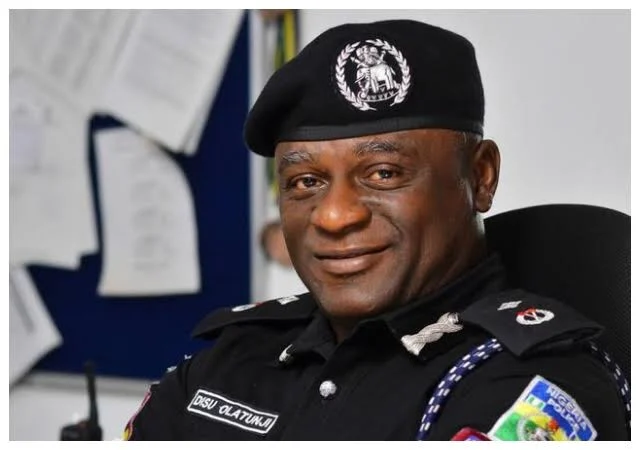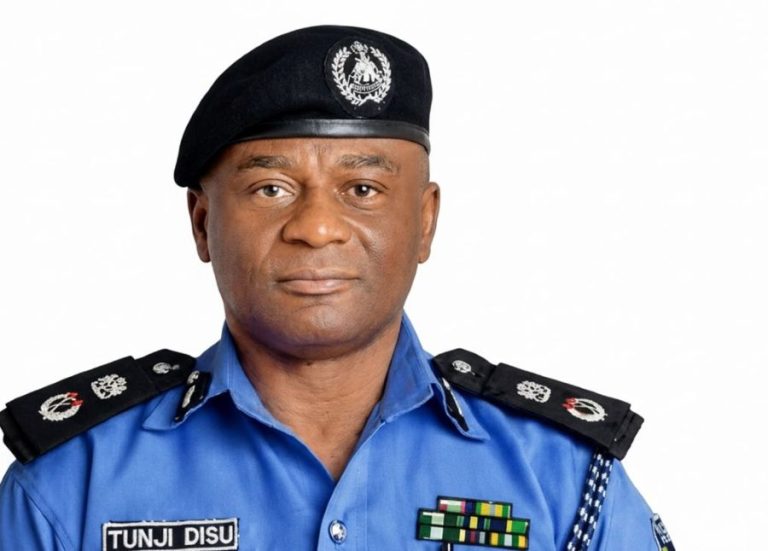
By all appearances, Inspector-General of Police Olatunji Disu understands the burden of the office he now occupies. In a country where insecurity is widespread, public trust in policing is fragile, and the Nigeria Police Force carries the baggage of both institutional weakness and public resentment, the first 100 days of any IGP matter. They set the tone. They reveal priorities. They show whether a new police chief intends to merely occupy the office or actually use it.
On that score, Disu has made a strong opening.
Since his elevation first as acting IGP in late February and then his swearing-in as substantive police chief in early March, Disu has projected the image of a leader who knows that the Nigeria Police cannot continue with business as usual. He has spoken the language of reform, discipline, accountability, intelligence-led policing, officer welfare and community partnership. More importantly, he has taken visible steps to align the institution with that message.
That is no small thing. In his first 100 days, Disu has tried to do what many before him only promised: bring command closer to operations, tighten internal oversight, and signal that impunity within the force should no longer be tolerated. His public statements have been unusually direct. He has spoken of ending police impunity, insisted on professionalism, and made it clear that misconduct by officers will not be brushed aside as an internal inconvenience. In a country still haunted by the memory of SARS and the unfulfilled promises of police reform that followed, that tone matters.