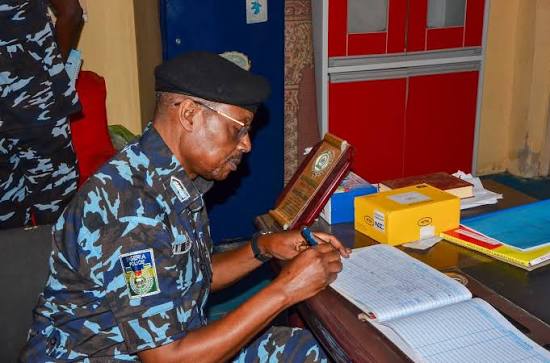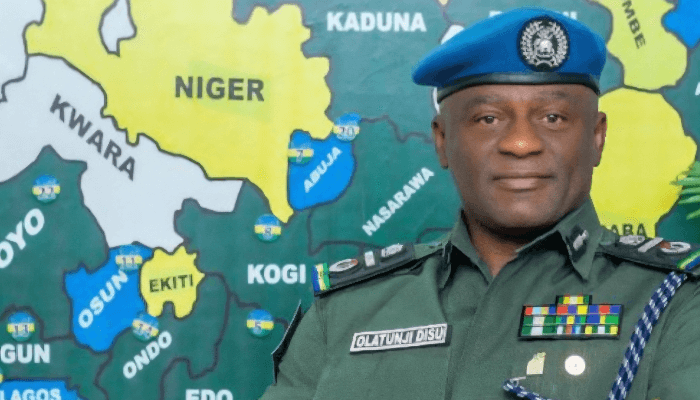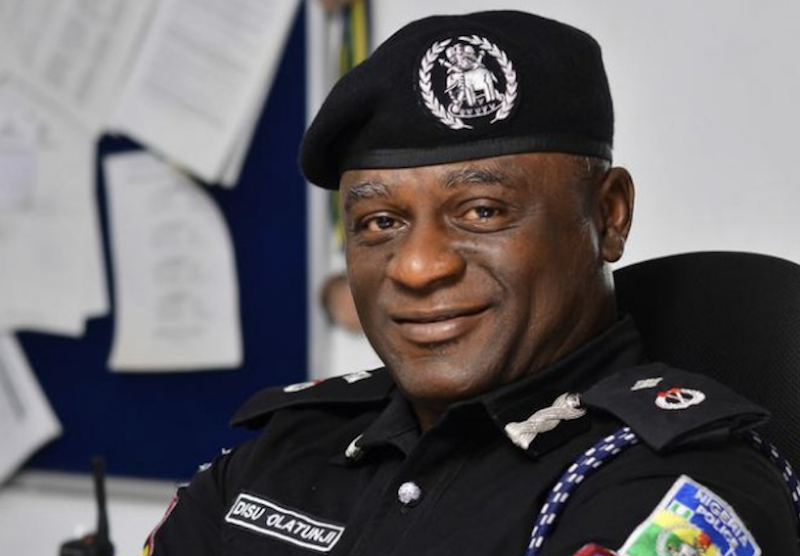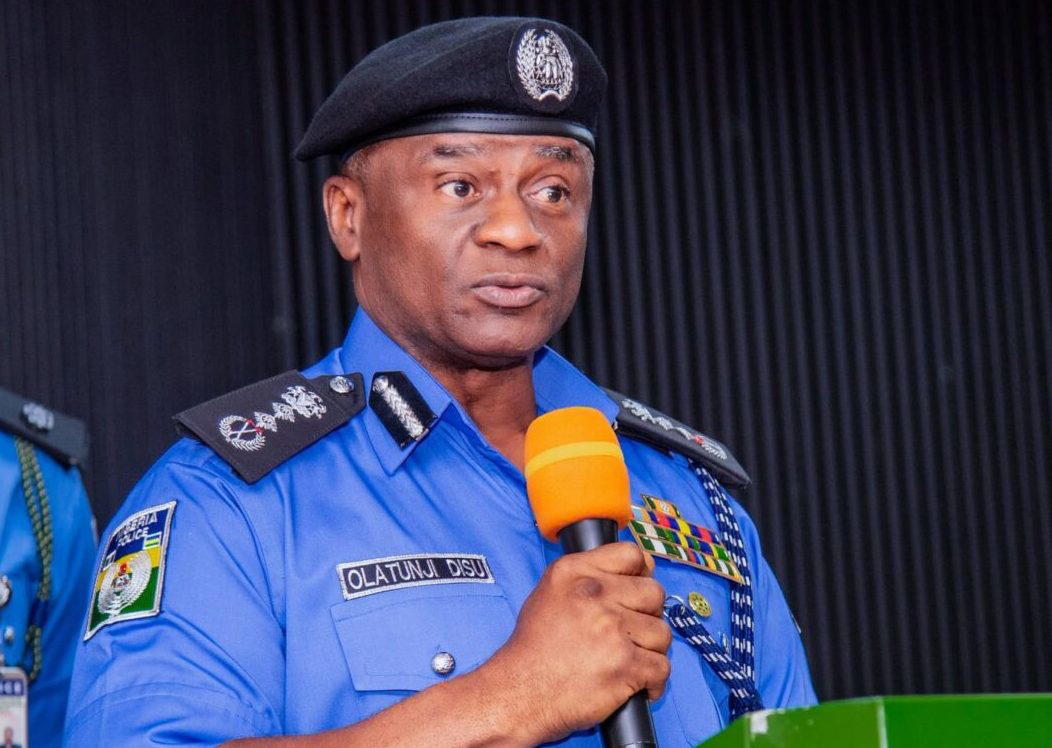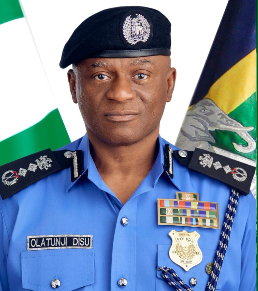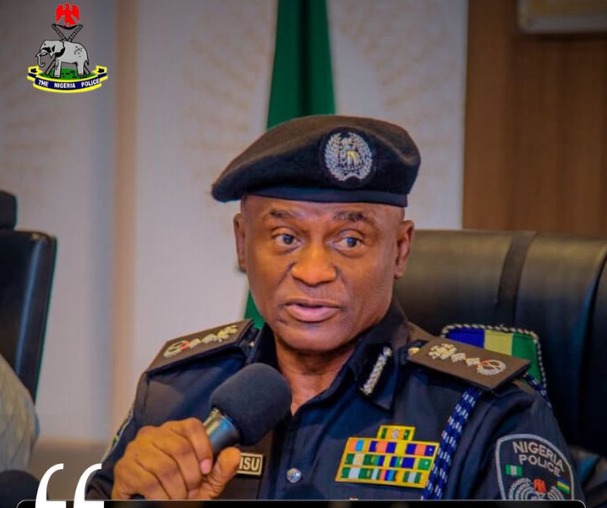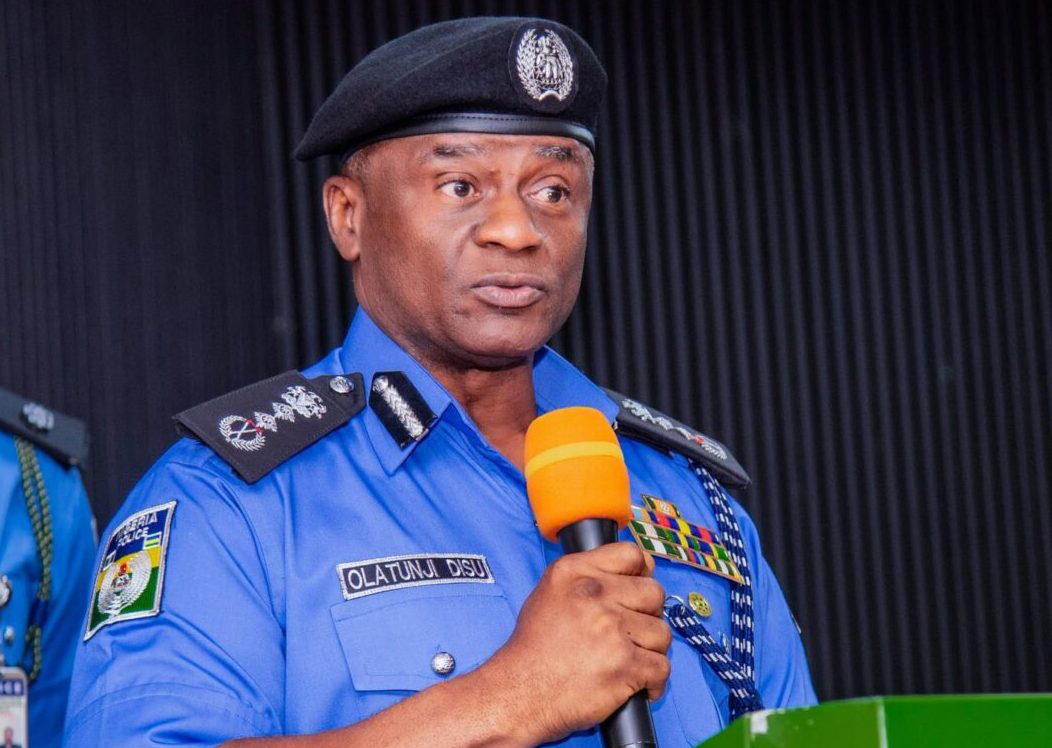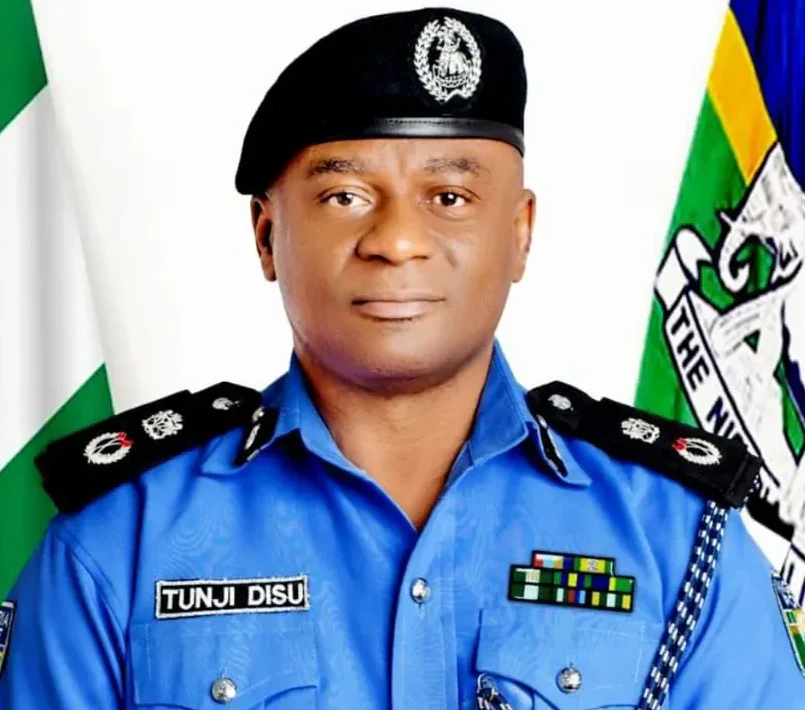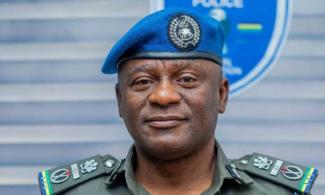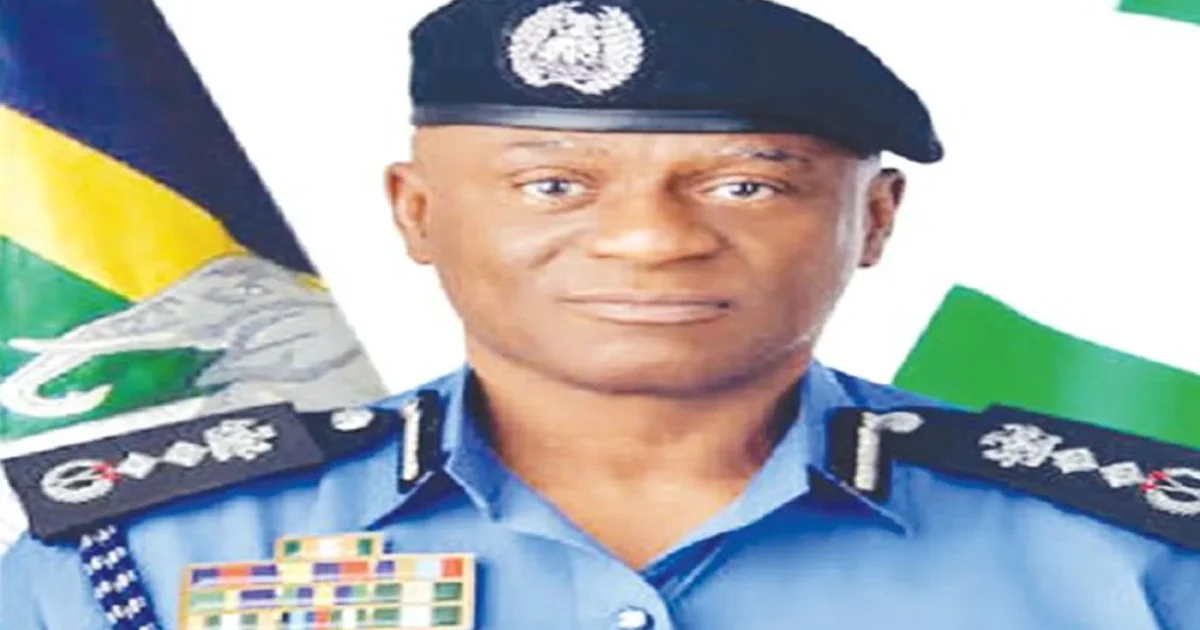
The recent decision by the Inspector-General of Police, Olatunji Disu, to deploy Deputy Inspectors-General of Police to their respective geopolitical zones is being widely viewed by security stakeholders as one of the most strategic policing reforms in recent years.
For many observers, the initiative represents more than an administrative redeployment. It is a deliberate operational strategy designed to bring senior police leadership closer to the people, strengthen intelligence gathering, improve coordination, and enhance the fight against kidnapping, banditry, insurgency, armed robbery, and other emerging security threats.
The move is particularly significant because it revives a policing model that has not been fully implemented since the eras of former Inspectors-General of Police such as Tafa Balogun and Ibrahim Coomassie, when senior police leadership maintained a stronger operational presence across various regions of the country.
Security experts believe that placing DIGs directly within their geopolitical zones will significantly improve the speed of decision-making and operational response, while fostering stronger relationships between the police and local communities.
Many of the deployed DIGs have spent years serving within their respective regions in various operational, investigative, intelligence, and command capacities. They understand the terrain, local dynamics, cultural sensitivities, and security challenges unique to their zones.