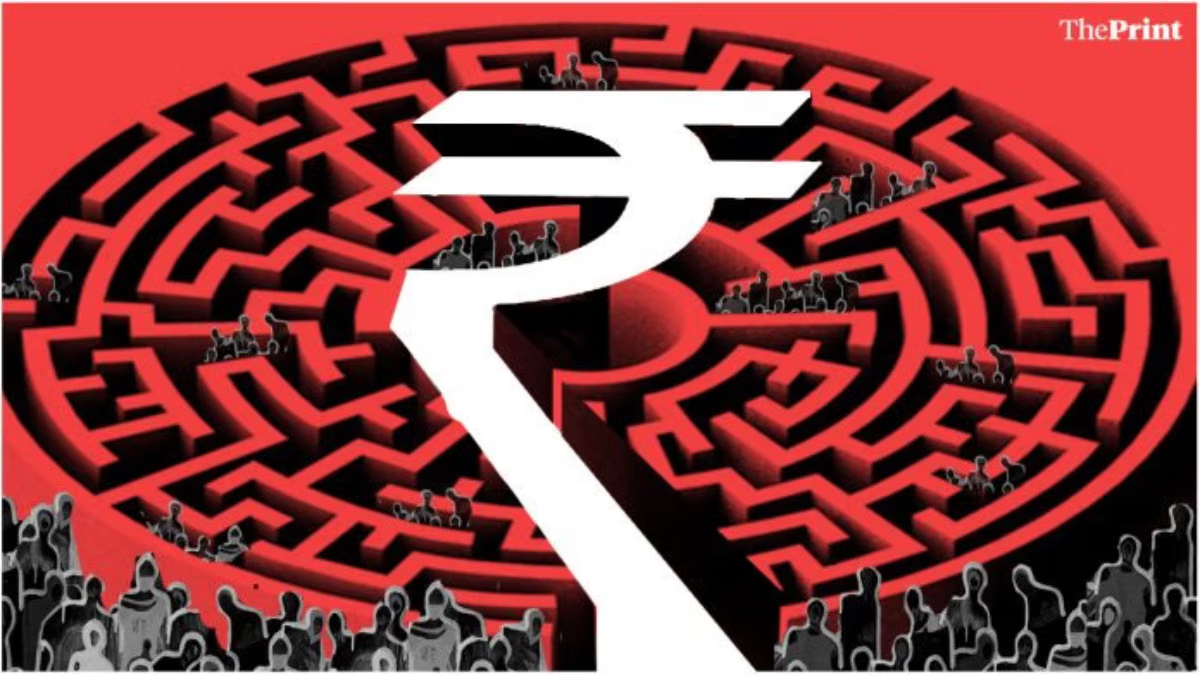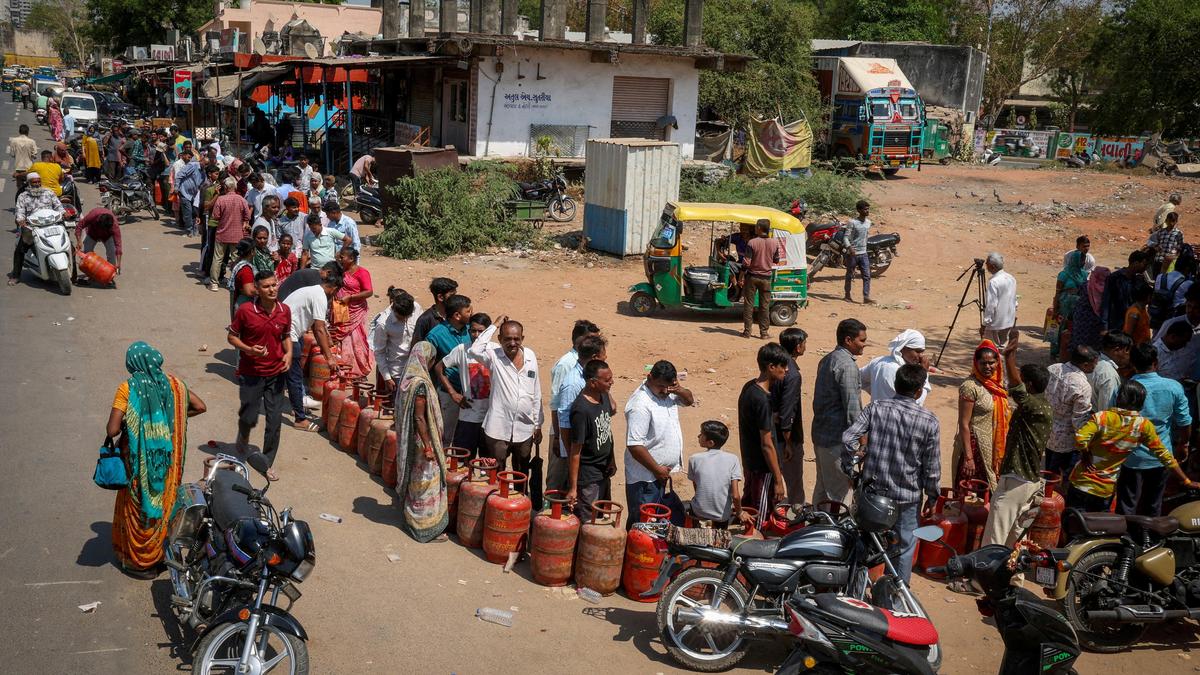
For at least a year now, it has been clear that the Indian economy is not doing well. The rupee is weak, capital is fleeing the country, private domestic investment is laggard, consumption demand is sluggish, manufacturing is stagnant, economic disparities between the rich and the not-so-rich are widening rapidly.The share values of the top IT companies are falling due to the threat that Artificial Intelligence poses to their business model. The mood in the stock market reflects these manifold problems, with the main indices where they were two years ago.An awareness of these multiple challenges has led to a stream of articles by professional economists urging the Modi government to acknowledge the depth of the problems we face, and initiate appropriate reforms.Such articles have become more frequent after the onset of America’s war on Iran which has led to deep uncertainty in the oil, gas, fertiliser and other commodity markets, adversely affecting our trade balance and creating shortages.The war has also reduced remittances, leading to a further dip in our foreign exchange reserves.The reforms which economists advocate include making the operations of the customs and tax bureaucracy as well as the Enforcement Directorate less arbitrary and less vindictive, raising public spending on health and education, promoting labour-intensive manufacturing, creating a level playing field for investors so that it is not just a few favoured capitalists who corner the most profitable projects, reducing fertiliser and power subsidies, ending discrimination against states not ruled by the Bharatiya Janata Party, and, not least, replacing the underperforming politicians and bureaucrats who currently man the economy-related ministries of the Union government with more competent and qualified individuals.The recommendations that our leading policy economists have put forward are aimed at augmenting the welfare and economic security of all Indians regardless of caste, gender, religion, region or political affiliation. To their suggestions I would add one of my own; namely, the need to stem the ongoing degradation of our air, water, soil and forests."After more than 12 years in office, Prime Minister Narendra Modi faces a painful reality check: His promise to modernize India’s economy hasn’t panned out. Instead, the country faces a rapidly weakening rupee, dwindling net foreign investment, and worries that artificial…— Council on Foreign Relations (@CFR_org) June 8, 2026
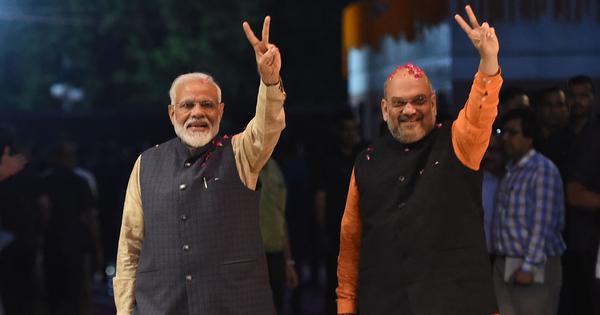
Ramachandra Guha: Why Modi and Shah are unlikely to drive the economic reforms India needs urgently
The country’s two most powerful men are obsessed with expanding their political power. Strengthening the economic security of all Indians is not a priority.
1,588 words~7 min read