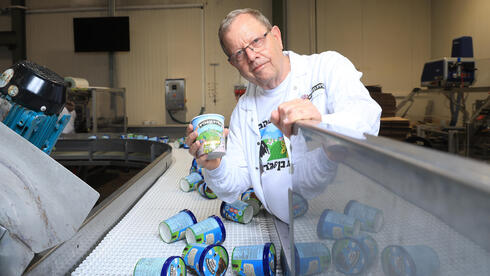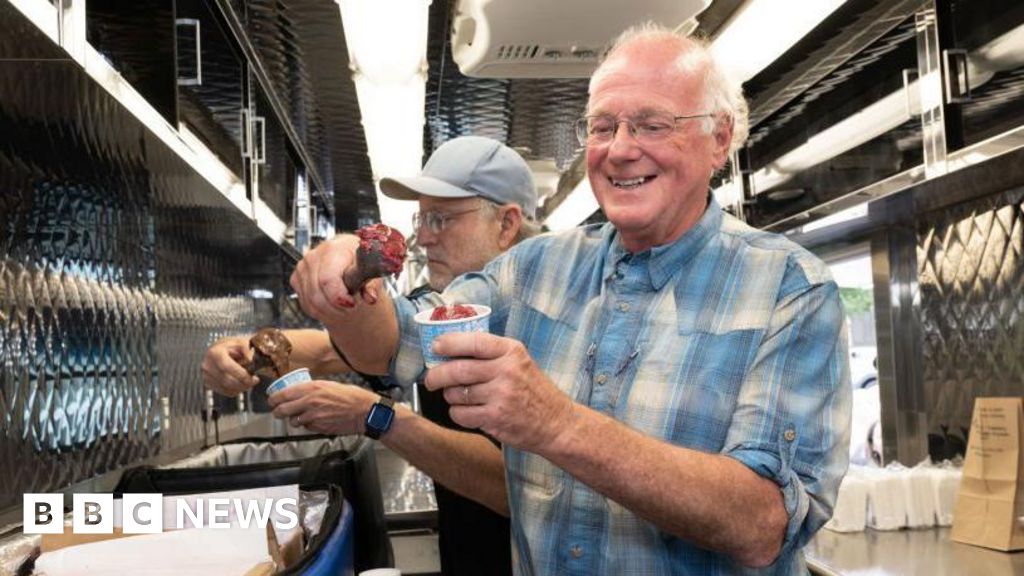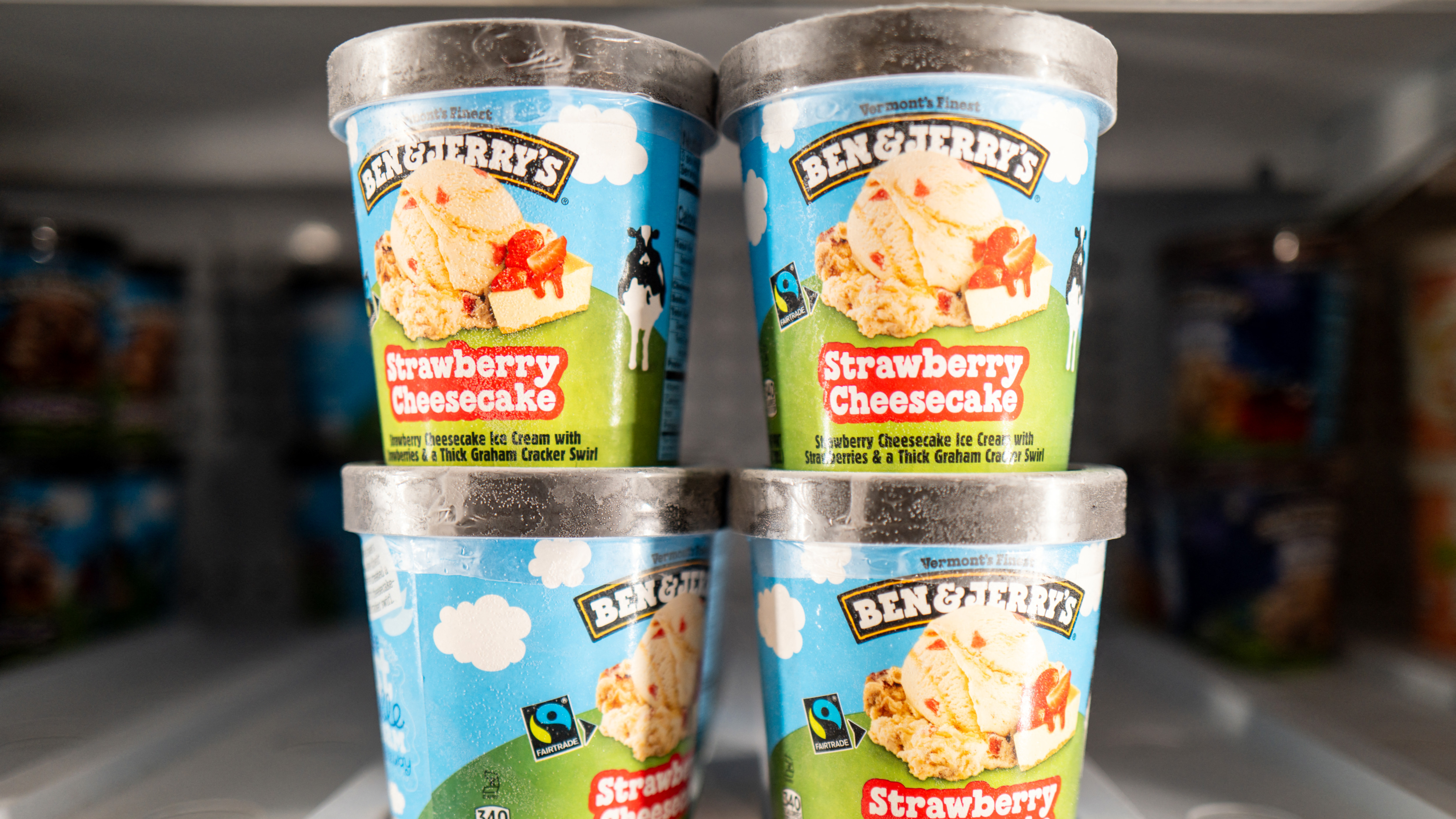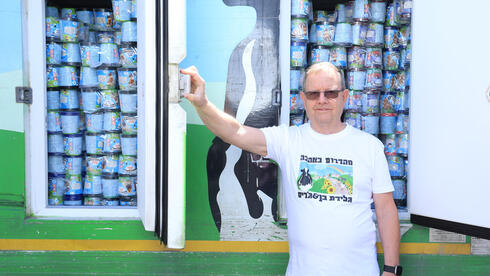
Avi Zinger recalls the BDS fight, winning Israeli rights from Unilever and launching ‘Milk & Honey’ to support southern communitiesShoshana Hen|In the summer of 2006, I took a memorable and entertaining tour of the Ben & Jerry’s headquarters and ice cream factory in Vermont. The company was already renowned for pioneering the blend of business, social values and creativity. Every corner emphasized community connection: from milk sourced from local Vermont farms, to high levels of charitable giving, limits on executive pay and progressive social responsibility. This ethos, however, would eventually lead to extreme anti-Israel positions and threats to revoke the license in Israel.At the time, Ben & Jerry’s was an emerging ice cream empire with annual revenue of $270 million—today it exceeds $1.3 billion. My hosts at the offices, factory and “ice cream cemetery,” where discontinued flavors rested, were founders Ben Cohen and Jerry Greenfield. Though they sold control to Unilever (today owning 19.9% of the brand), they remained involved. The Israeli licensee, Avi Zinger, connected the trio, and thanks to him, I was able to interview the reclusive founders. “We had a fantastic relationship. My family visited them twice a year, and I brought Ben and Jerry to Israel,” Zinger recalls. “They always used me as an example of someone who maintained both product quality and core values. I saw them as my center of life.”5 View gallery Avi Zinger, CEO and owner of Ben & Jerry's Israel (Photo: Avigail Uzi)None of us imagined that this friendship and those whimsical ice cream flavors would become the target of one of the most aggressive boycotts against Israeli products—sparking an unprecedented legal, business and political battle. Zinger fought the brand he had represented for years and ultimately won, acquiring the rights to independently produce and sell Ben & Jerry’s in Israel and the territories. He declines to reveal the price. “We’re a private company,” he says. “Thankfully, the end result is the best I could have hoped for. I kept everything I love.”In the wake of October 7, amid mass protests in major Western cities against Israel and supermarket boycotts of Israeli products in New York, Zinger’s story and the lessons from his struggle are more relevant than ever. He is now launching a new flavor, “Milk & Honey,” a patriotic nod to the border communities. The launch is entirely independent from international Ben & Jerry’s. Zinger releases three to four new flavors annually for the Israeli market alone: “I have no idea if the international company even tracks them,” he says with a smile.5 View gallery Avi Zinger, CEO and owner of Ben & Jerry's Israel (Photo: Avigail Uzi)Israel’s ice cream market is valued at 1.3 billion shekels annually, with 50% coming from impulse purchases at kiosks, convenience stores and beaches; 35–37% from retail chains, and the remainder from institutional sales. The largest segment in retail is family-sized ice cream, with Ben & Jerry’s accounting for over 50% of sales. The company generates roughly 220 million shekels annually in Israel, employing around 200 workers, mostly at the Be’er Tuvia factory. Approximately 130 million shekels will be invested in a new facility in Kiryat Gat, set to open in 2029.Zinger, who was once a New York student and Israeli consulate employee, admits his success almost slipped away due to the BDS battles. “Even today, I’m the type who can oversee a pint box and manage production myself. The best ice cream, in my view, comes straight off the production line,” he says.Zinger discovered Ben and Jerry, childhood friends born four days apart in Brooklyn, in 1983 during a ski trip in Vermont. He first tasted their ice cream at the gas-station shop they opened in May 1978. Their success was driven by unusual ingredients and bold choices, like oversized chocolate chunks, strong flavors and unconventional combinations—Ben insisted on these, despite production challenges. They were also the first to mix savory bagels into ice cream, notes Zinger.5 View gallery Ben Cohen and Jerry Greenfield, founders of the American ice cream brand 'Ben & Jerry's' (Photo: Joy Asico/AP)“I met them through my brother, in Ben’s Brooklyn studio apartment. I admitted I didn’t know much about ice cream, but wanted to produce it in Israel and buy the equipment. They asked if Israel had milk and eggs, and when I said yes, they connected me to their lawyer in Ithaca, seven hours from New York. Negotiations dragged on for a year. My lawyer eventually finalized the agreement, including 3% royalties. For the early years, I paid nothing due to financial hardships.”The agreement also required contributions to social initiatives. “Ben & Jerry’s Israel funded many projects, including coexistence initiatives, and upheld the brand’s values,” Zinger says.5 View gallery Ben & Jerry's 'Milk and Honey' Ice Cream (Photo: Amir Menachem)Zinger entered Israel with a single ice cream shop in Dizengoff Square in 1987, expanding to 16 locations by 2000. The intifada heavily affected sales. His breakthrough came when Mordechai Krayner, former VP of Shufersal, tasted the ice cream and demanded exclusive distribution in the chain. A year later, Zinger expanded into “Blue Square Co-op,” and the rest is history.In 2000, Cohen and Greenfield sold the company to Unilever for $350 million. The original agreement granted the board unusual independence in promoting social missions and maintaining brand integrity—a clause that later caused headaches. “Bernie Sanders, a progressive Jewish senator critical of Israel, is a friend of Ben and Jerry, and they built that relationship. For ten years, I saw trends limiting my Israeli sales. The company was always mine, operating under a local license, not a restrictive franchise,” Zinger recalls.In July 2021, the independent board, chaired by Anuradha Mittal, demanded Ben & Jerry’s Israel stop selling products beyond the Green Line, yielding to BDS pressure. “Mittal was a friend. I thought we had mutual respect.”Friend? By December 2023, after Zinger acquired the Israeli rights, she tweeted for the U.S. to stop arming Israel over alleged war crimes.
The cold war: how Ben & Jerry’s Israel beat politics
Avi Zinger recalls the BDS fight, winning Israeli rights from Unilever and launching ‘Milk & Honey’ to support southern communities
TL;DRAI
Avi Zinger acquired independent rights to Ben & Jerry's Israel after BDS pressure; now runs a 220M-shekel business freely. The deal shows how geopolitical pressure forces global brands toward local ownership, decoupling governance from parent-company control.
2,182 words~10 min read