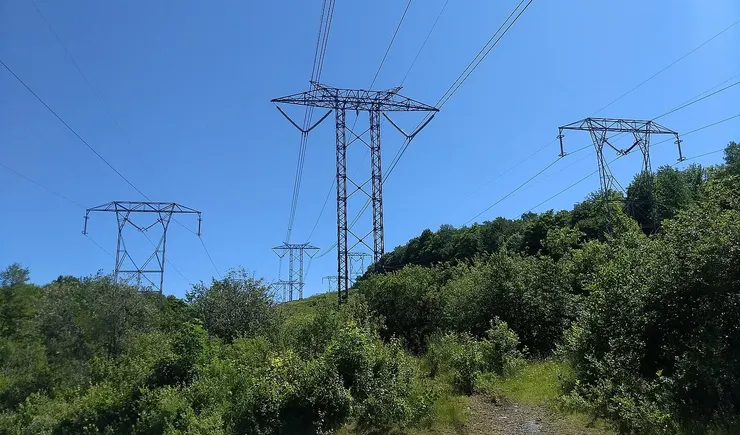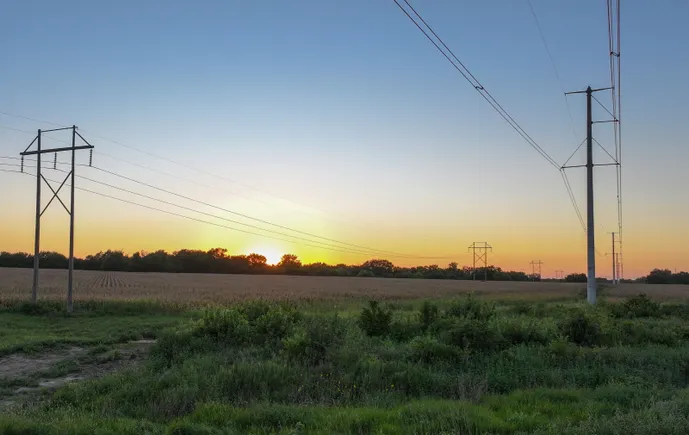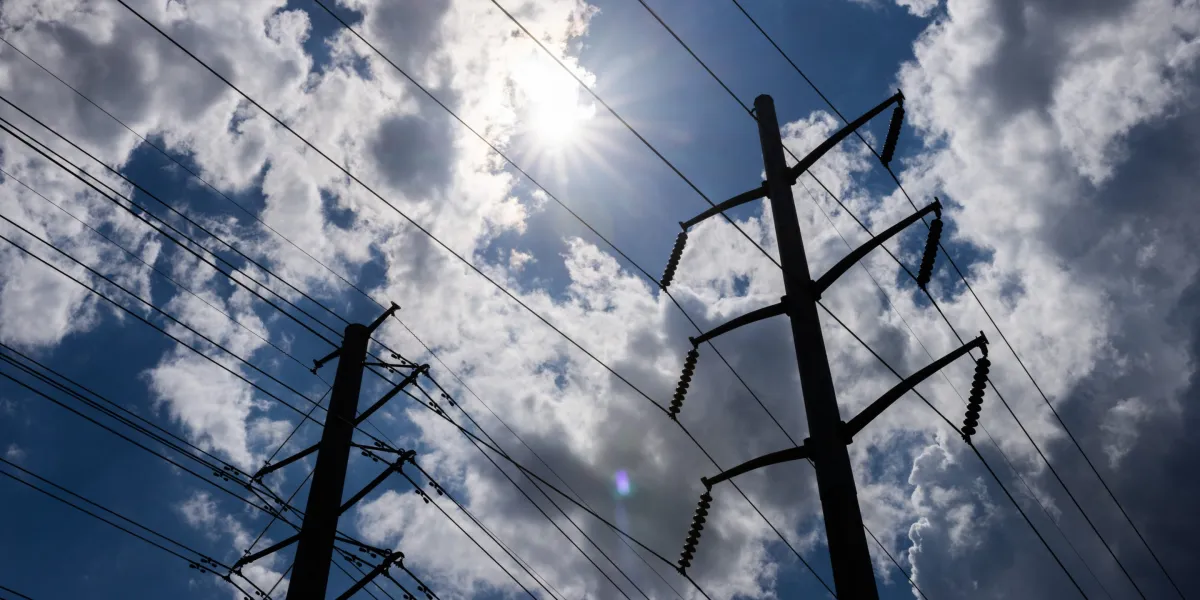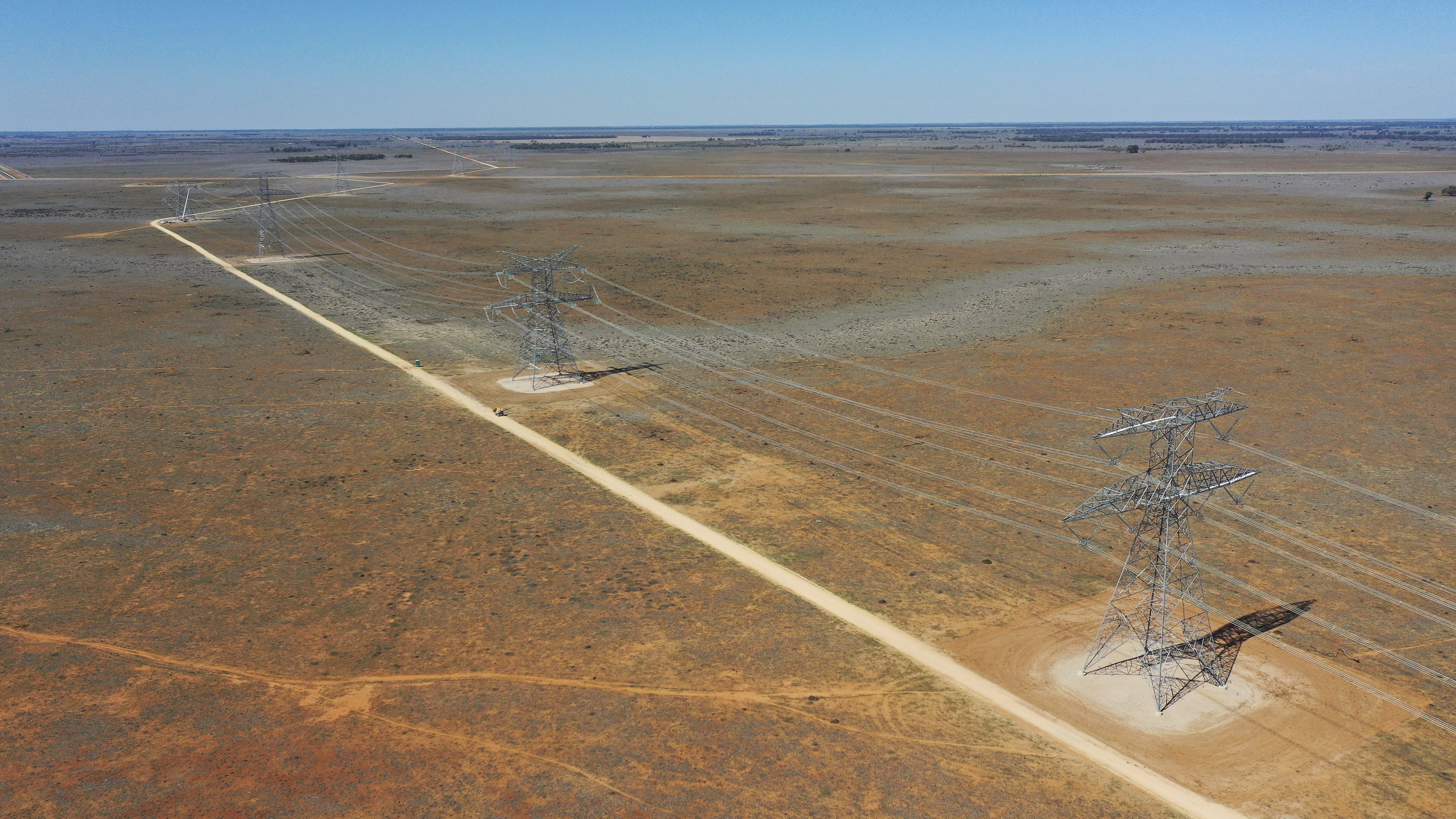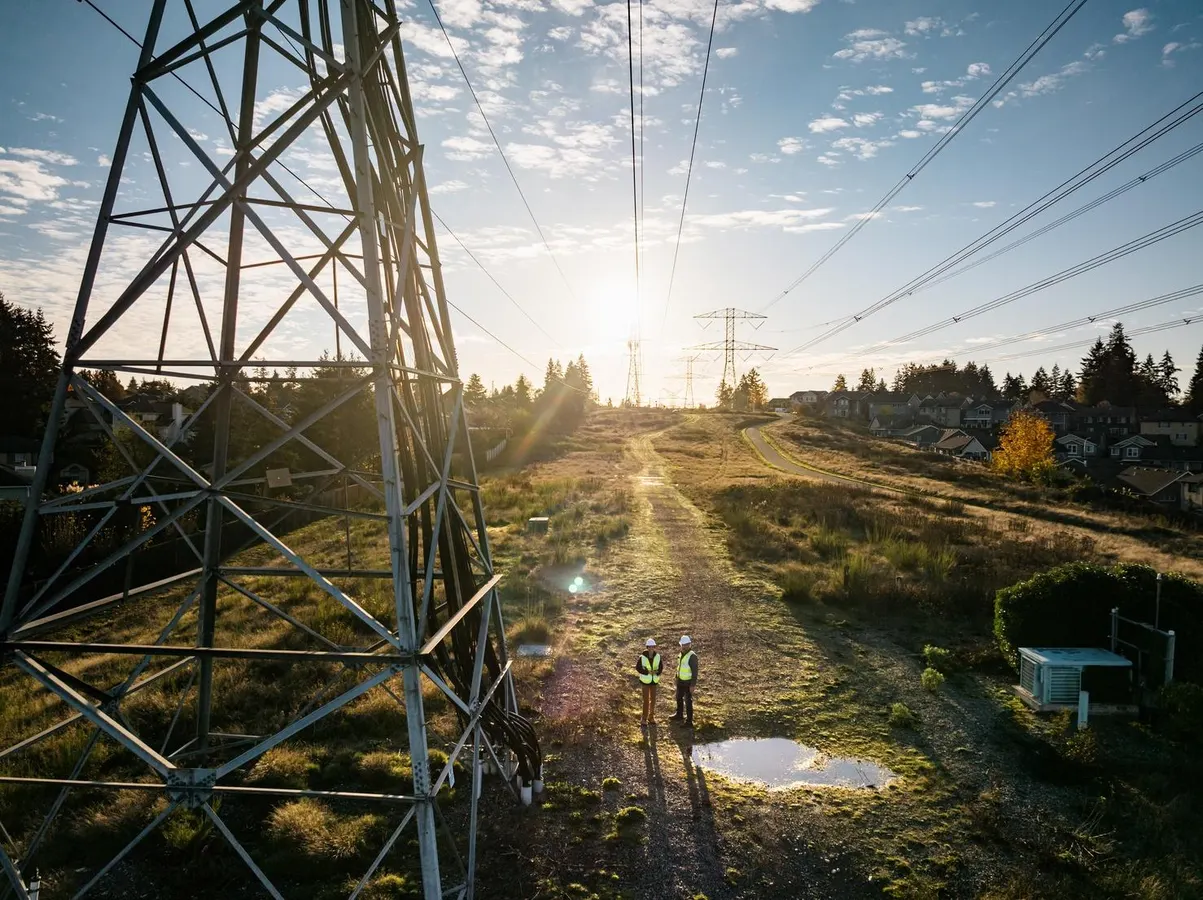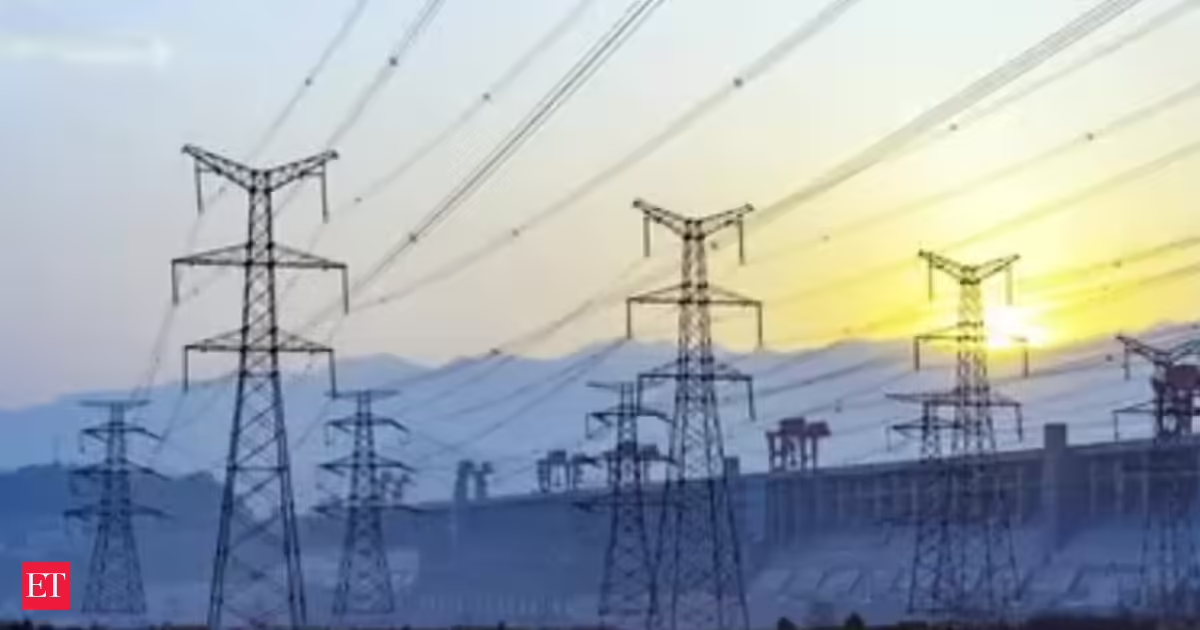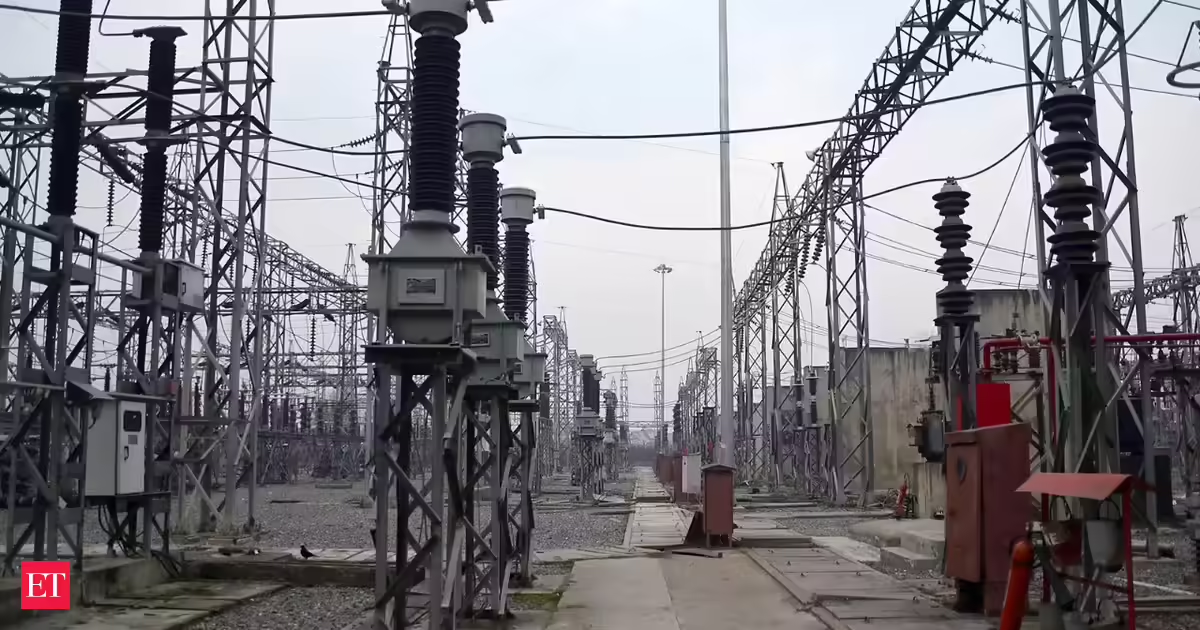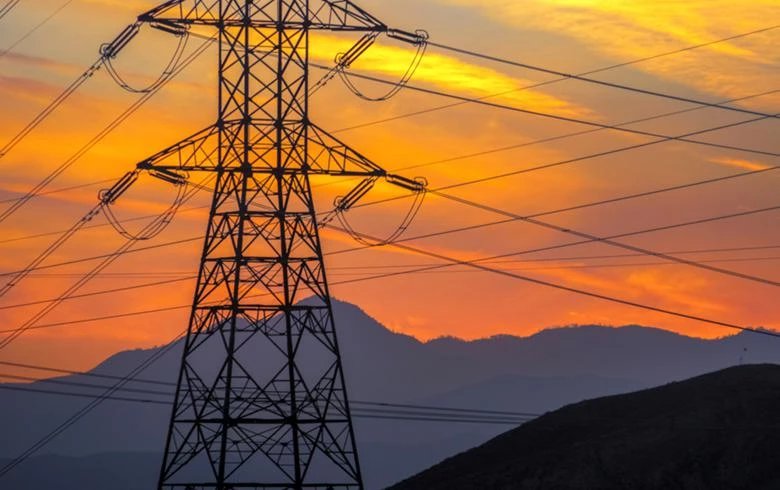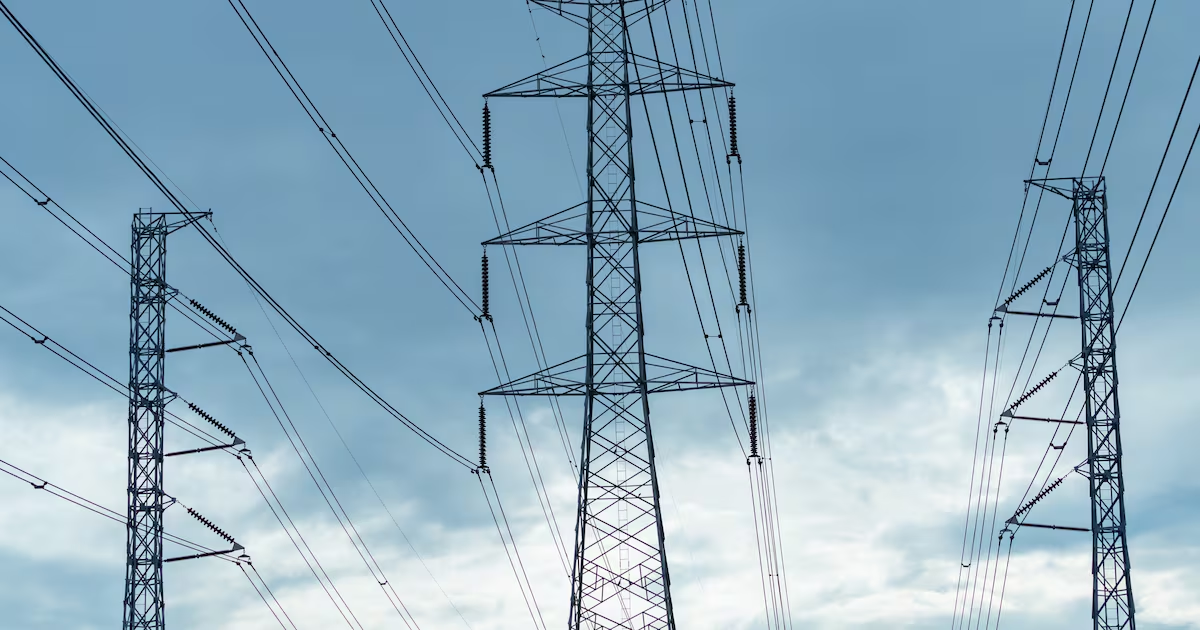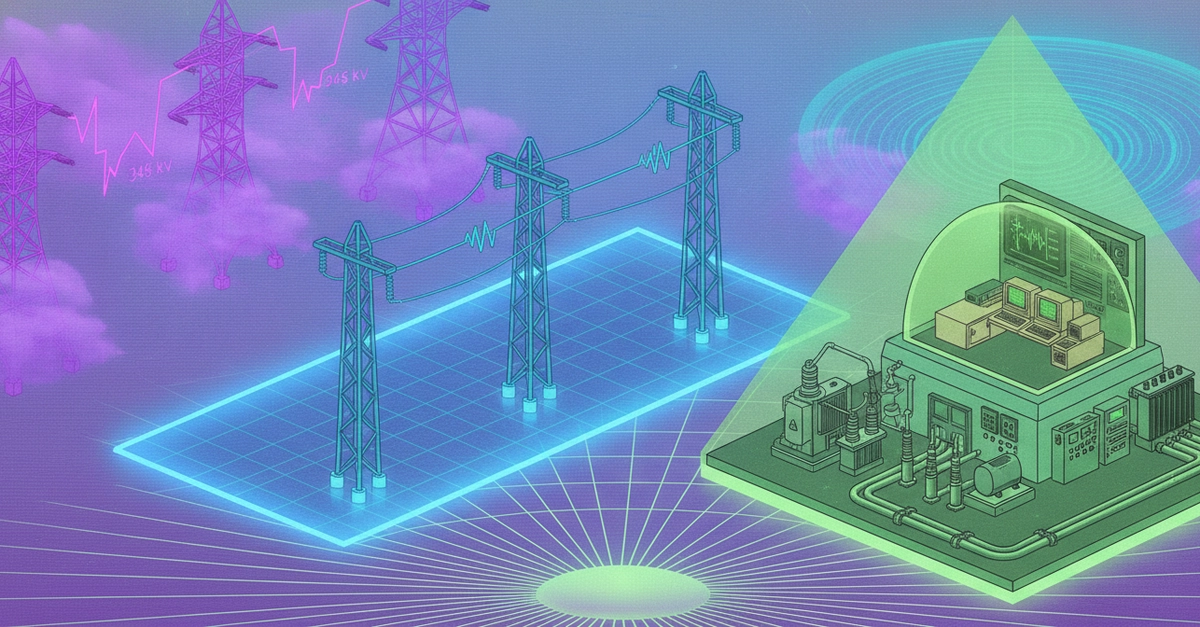
Hidden in the middle of the power grid, there's a network that doesn't get the spotlight but is absolutely essential—the subtransmission system. If the high-voltage transmission lines are our energy superhighways and the local distribution lines are the neighborhood streets, subtransmission is the system of vital state and regional roads that connect them. It typically operates at voltages between 34.5 kV and 138 kV and is the crucial bridge that carries power from the edge of the high-voltage grid to your local substation.
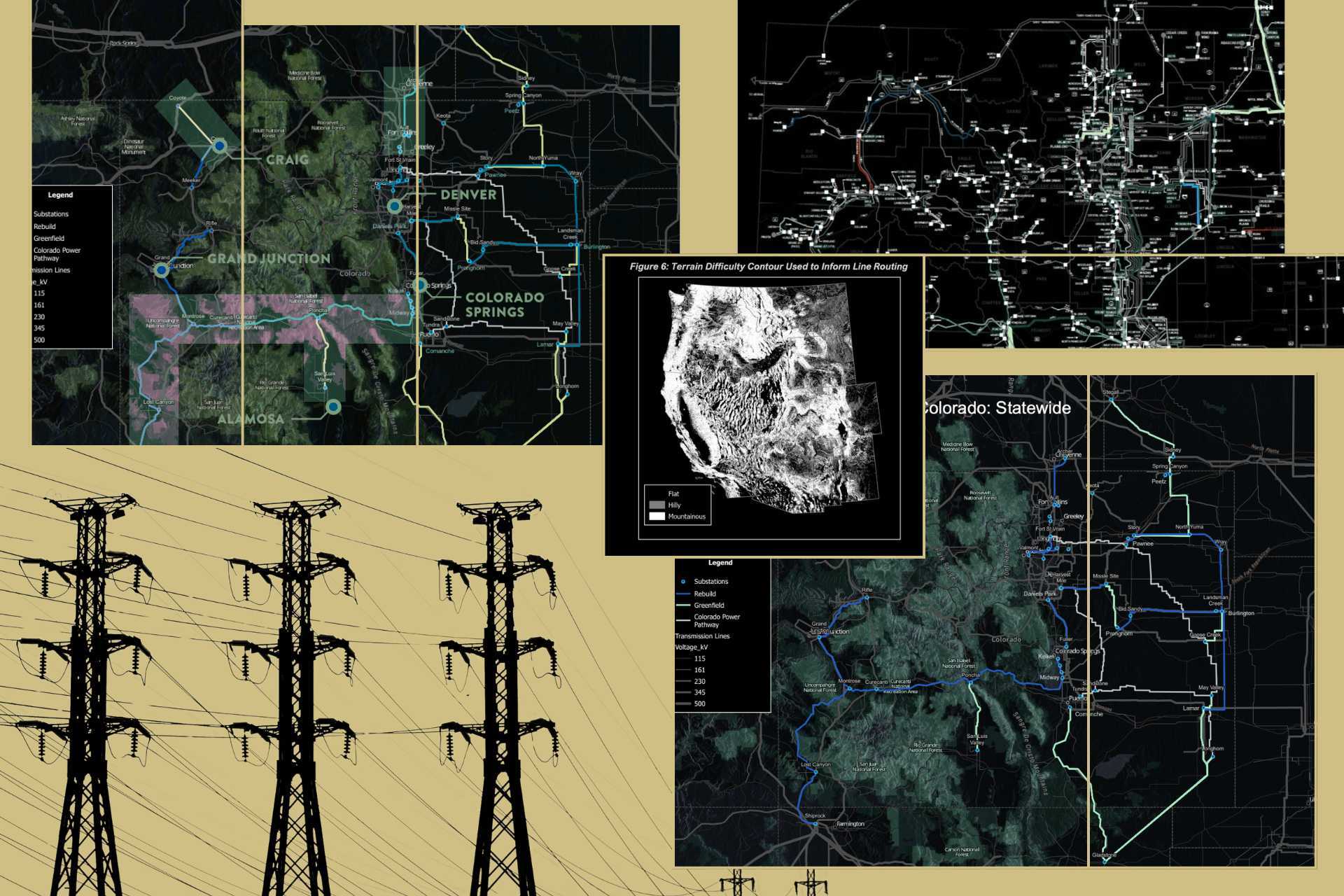
Strategic planning for this system is an art that balances economics, reliability, and future growth. This article unpacks its key elements, from placement of substations to modern challenges like integrating renewable energy.
Effective subtransmission planning isn't just about building new lines; it's a process that requires several important steps:
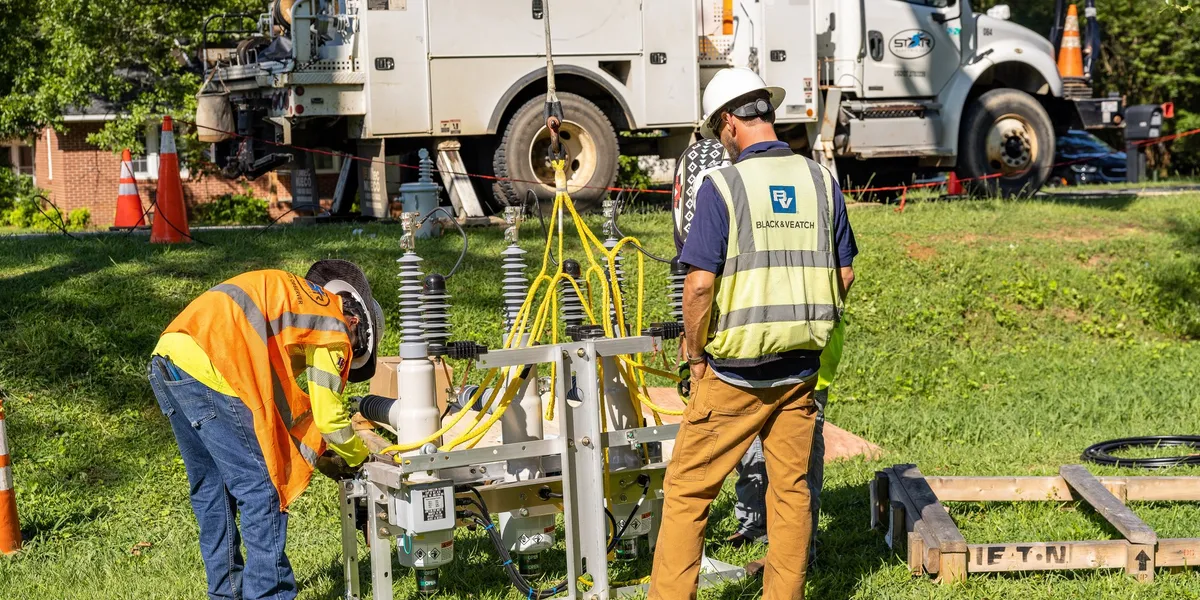
One of the most critical decisions is where to place substations and how large they should be.
The substation is the source, but the feeders are the actual delivery roads. A primary feeder carries power from the substation to the distribution transformers.