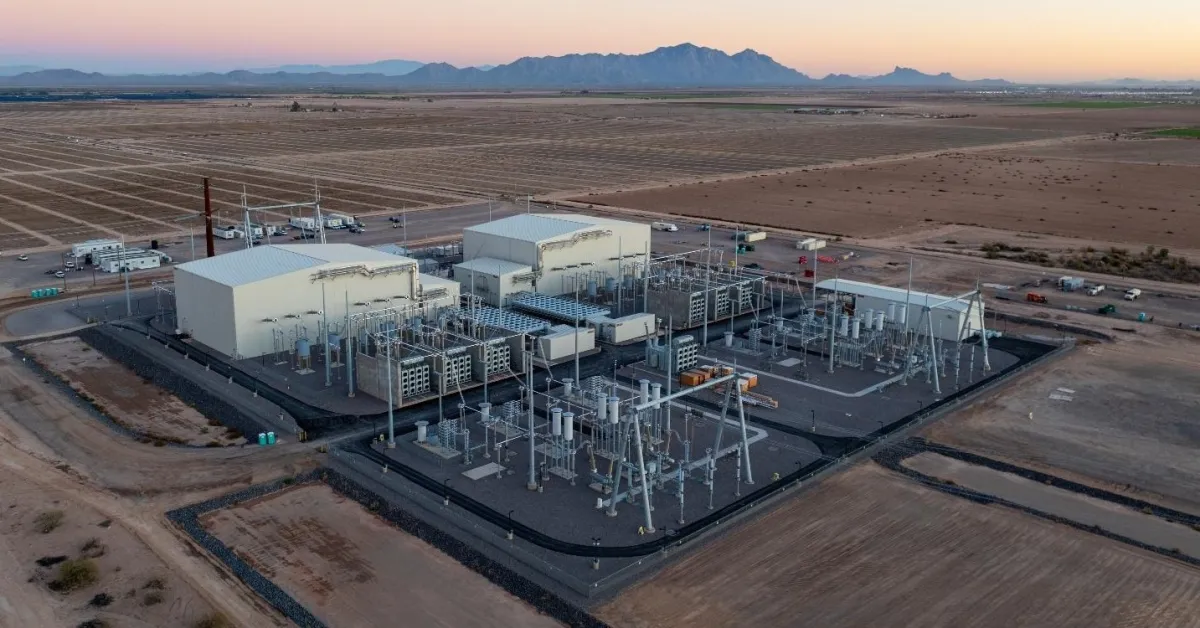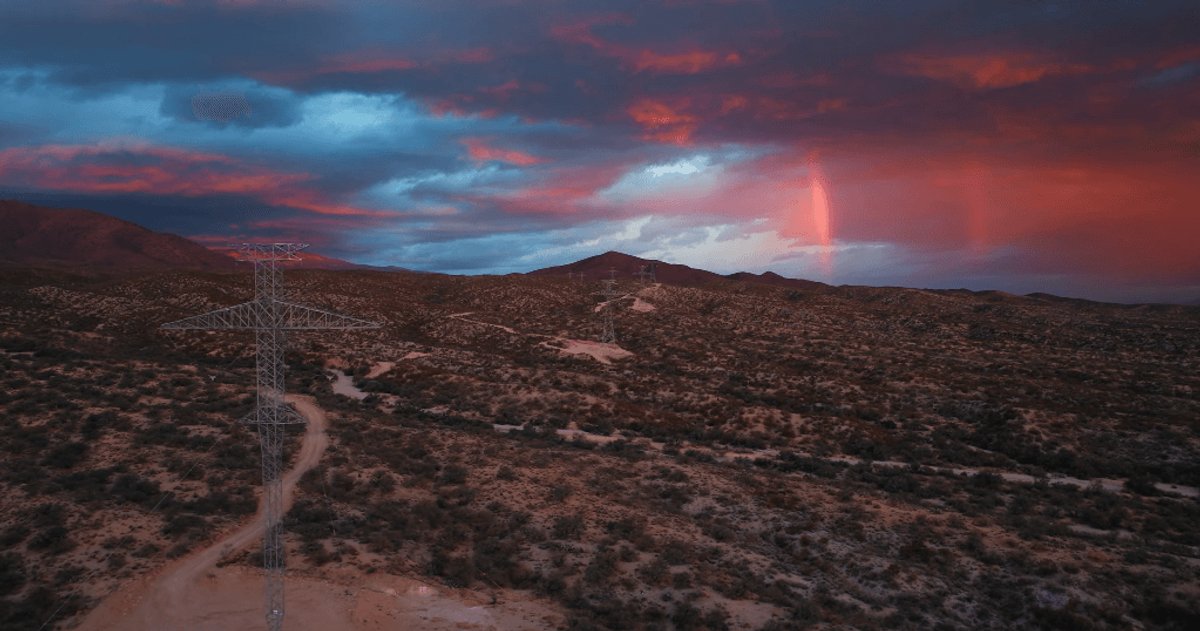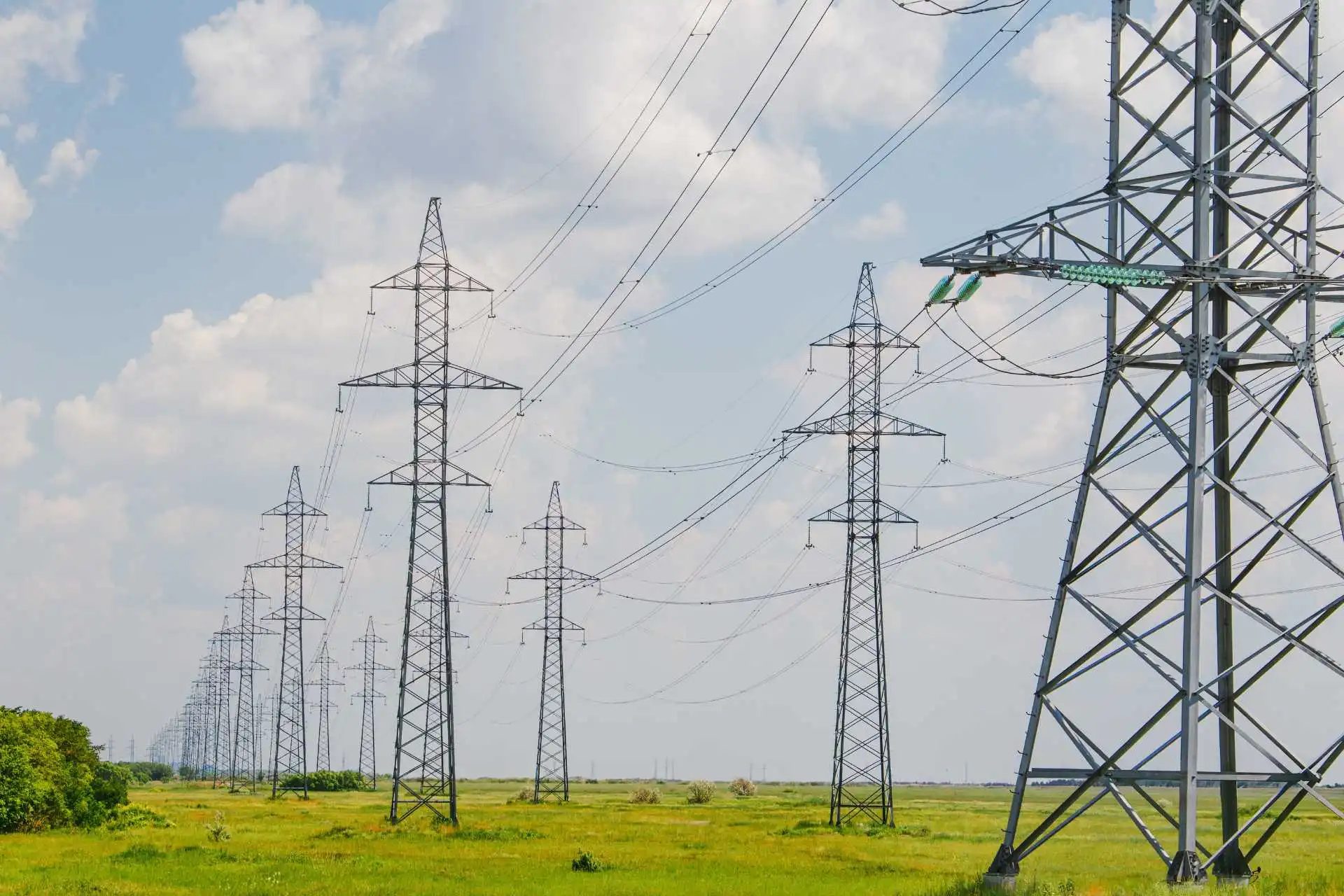
After nearly two decades of permitting battles, federal interventions, and legal challenges, a 550-mile transmission line across the southwestern U.S. will finally begin commercial operation at the end of this month.
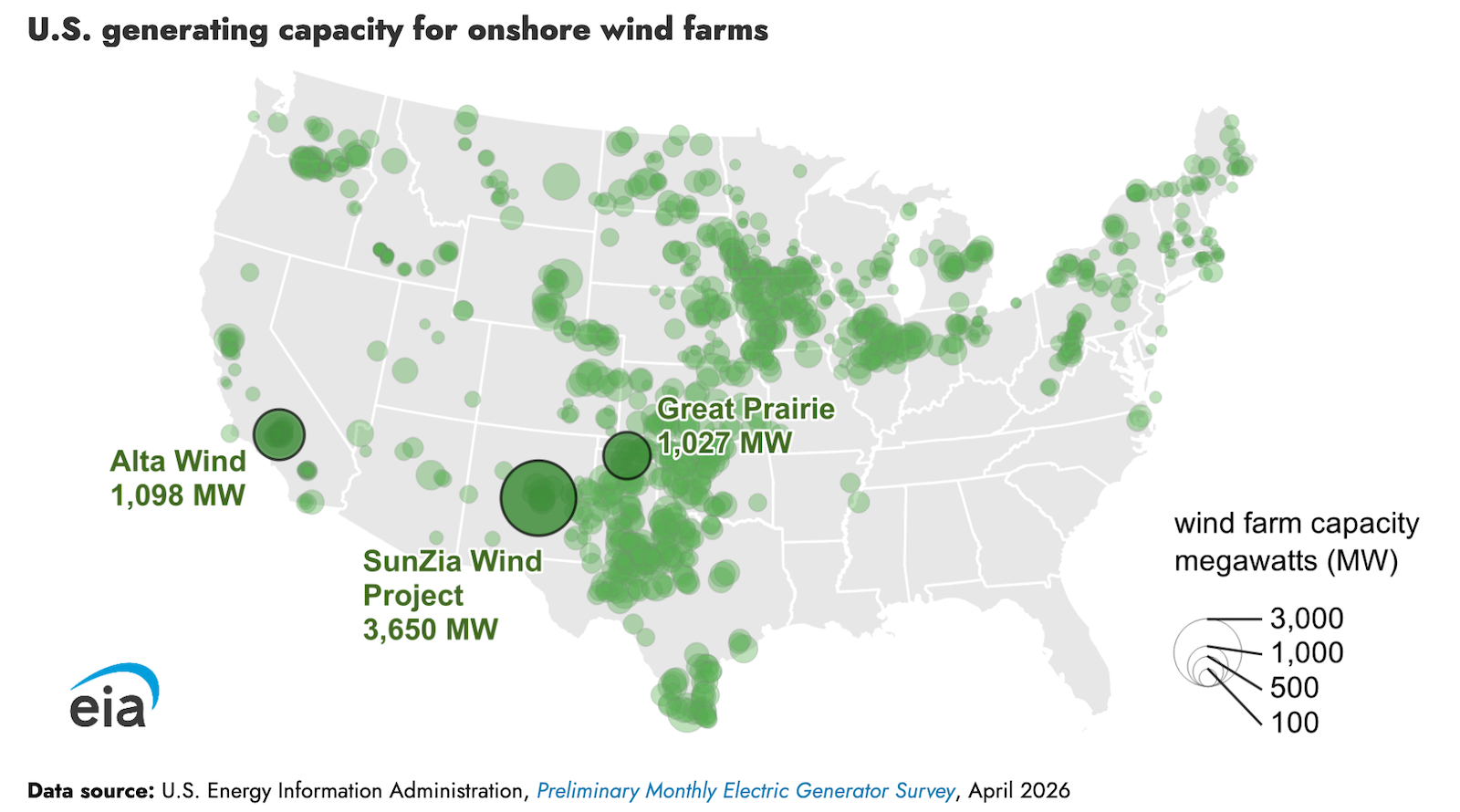
The $11-billion SunZia project is one of the first major regional transmission lines built in a generation. Paired with the 3.5-gigawatt SunZia wind farm — which has faced its own share of problems — the new high-voltage direct current line was designed to transport up to 3 GW of clean energy from central New Mexico to millions of homes in southern Arizona and California.
Getting the line built was a slog. The project ran into nearly every kind of challenge that makes large transmission builds so slow: federal land reviews, military airspace conflicts, environmental opposition, and multi-state permitting coordination. It was built by Pattern Energy, an independent renewable power developer that also built the SunZia wind project. But its success was helped along by a little-known quasi-public entity that the New Mexico legislature created in the early 2000s: the state transmission authority.
The pitch for state transmission authorities is relatively straightforward. They’re designed to bridge the gap between government and the private sector to get transmission projects built more quickly. In the West, without regional transmission organizations to plan and socialize the costs of big lines, transmission often gets built piecemeal, and cost-allocation fights can stall projects for years.