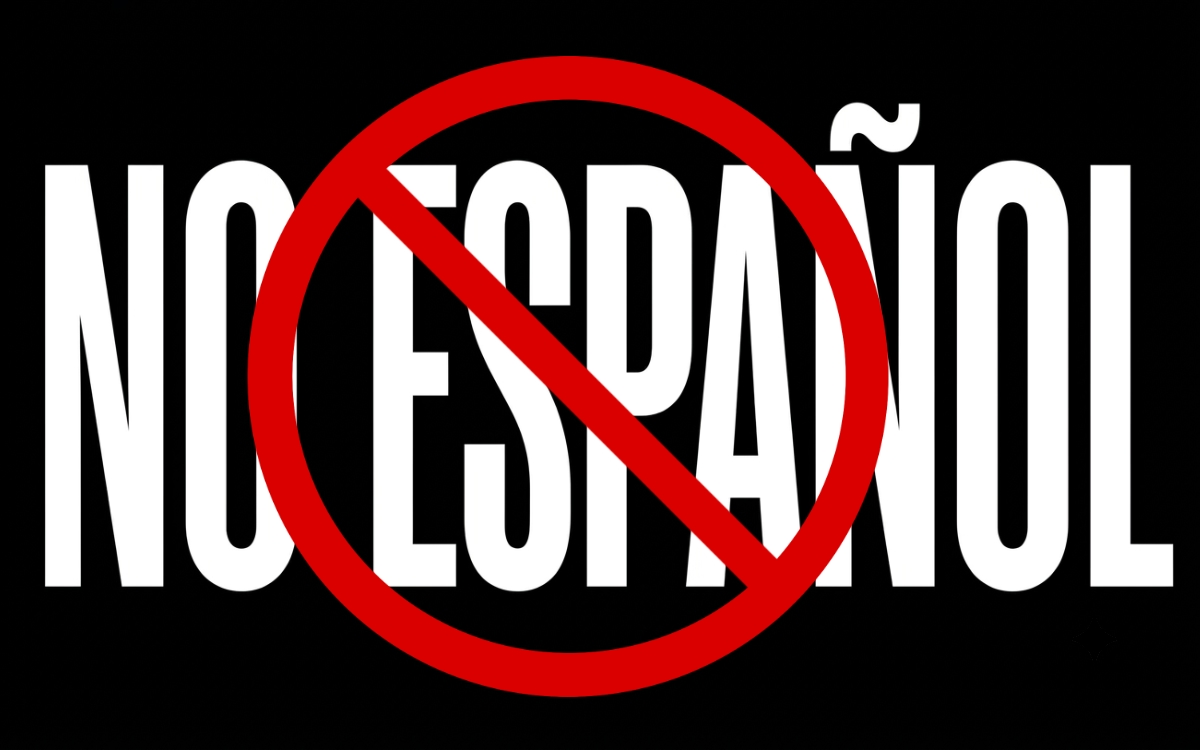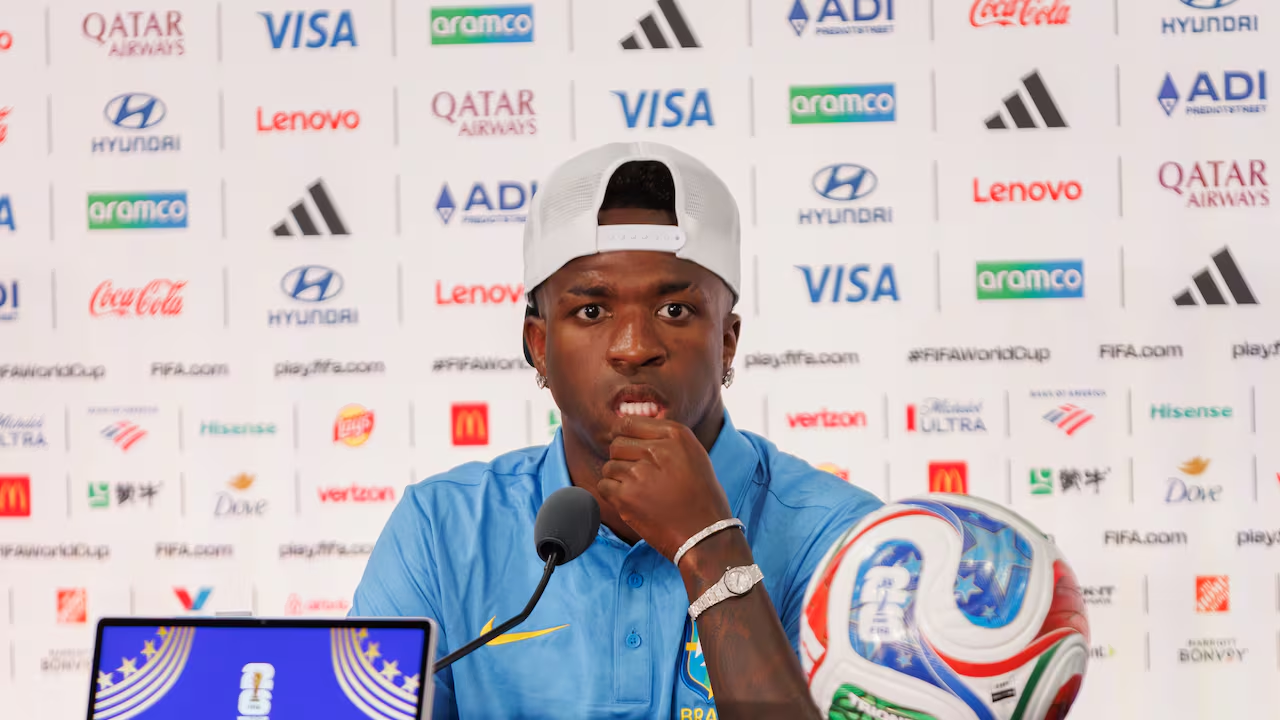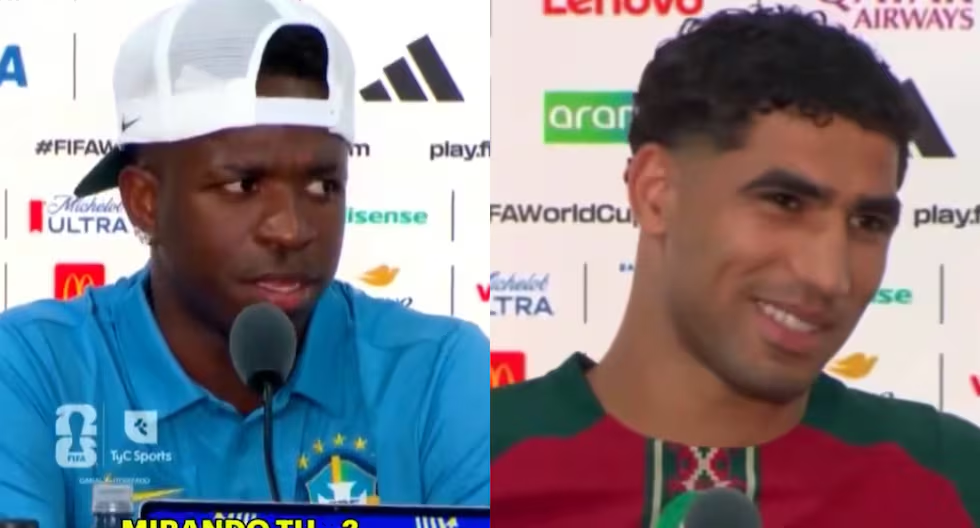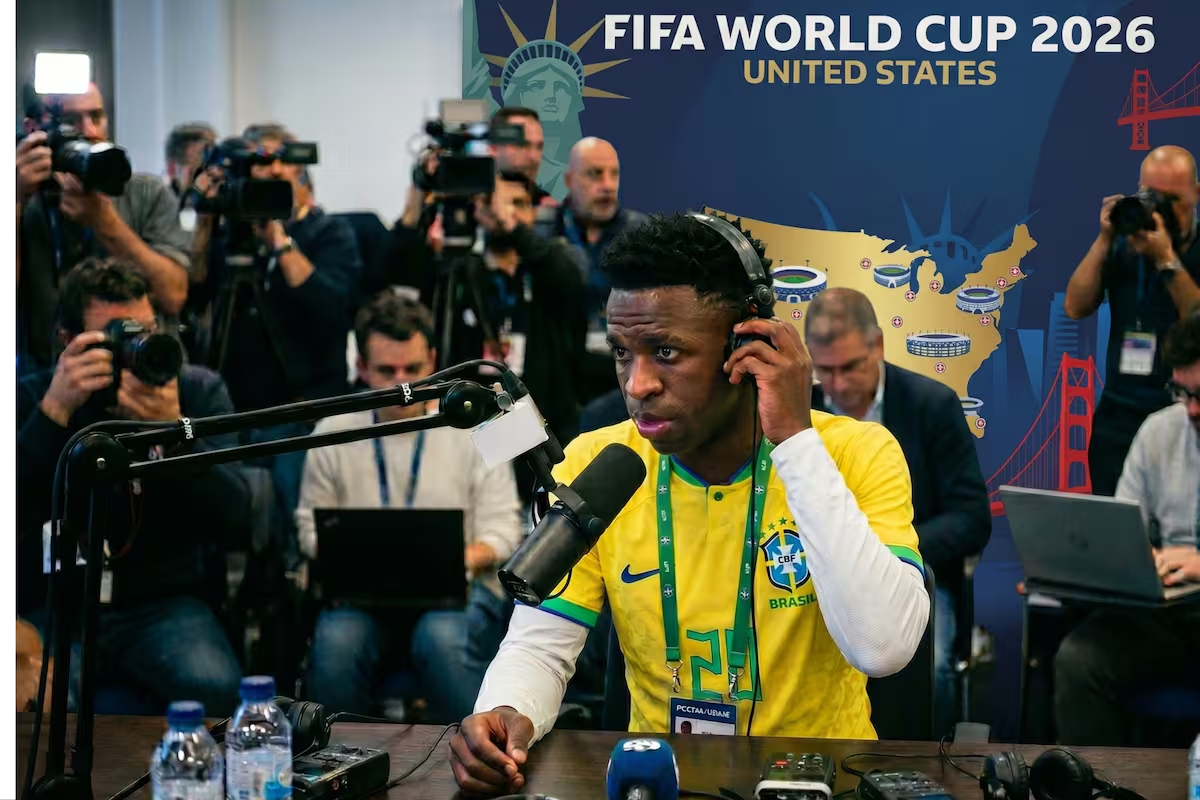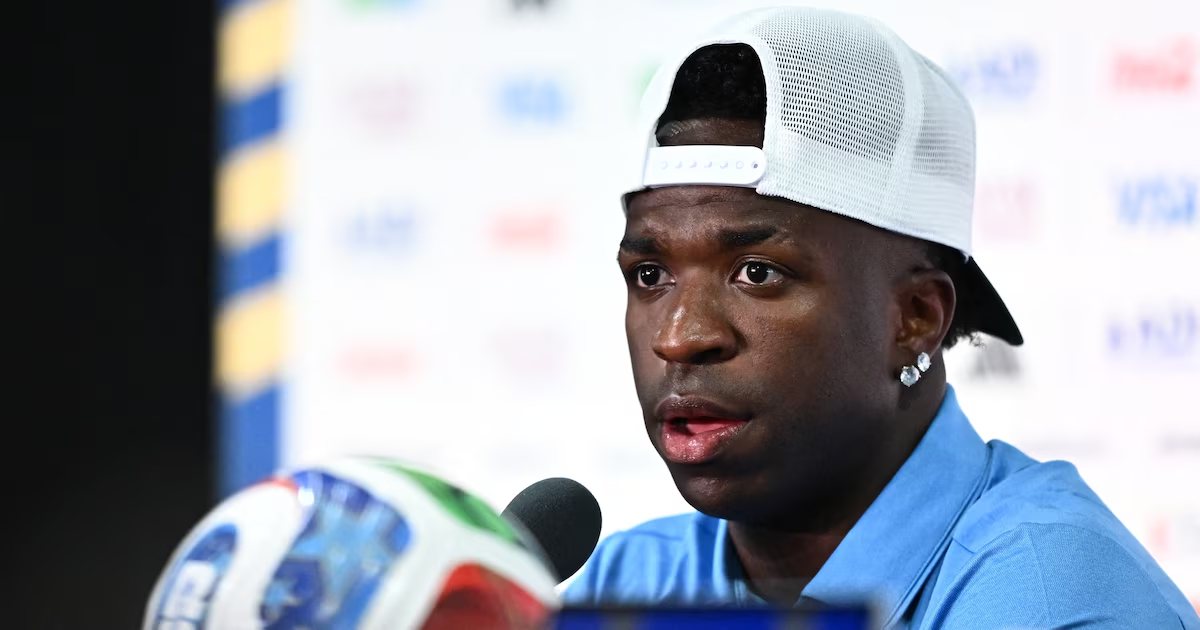
During a pre-match press conference ahead of the Brazil versus Morocco group stage clash on June 12, moderators at the 2026 FIFA World Cup told Spanish-speaking journalists they could only ask questions in English. The reason given: no Spanish interpretation services were available.
In a tournament co-hosted by the United States, Canada, and Mexico, where Spanish is an official language in two of three host nations, the optics were not great.
What actually happened in New Jersey
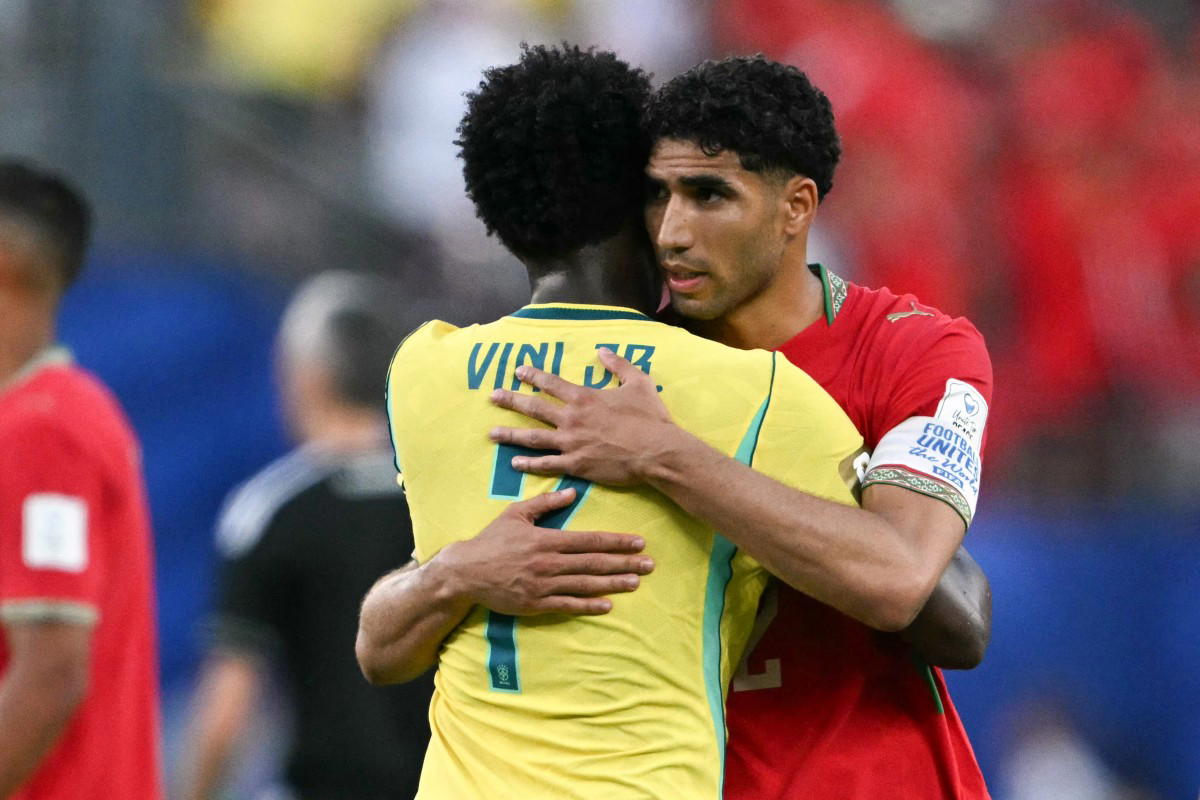
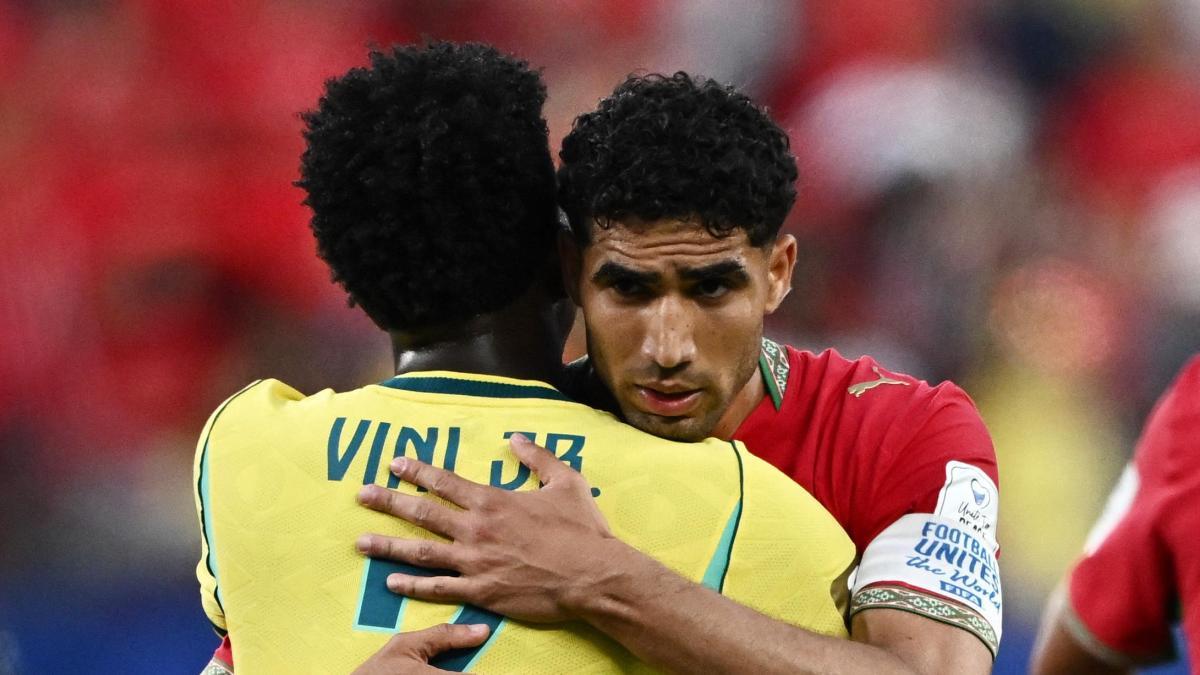
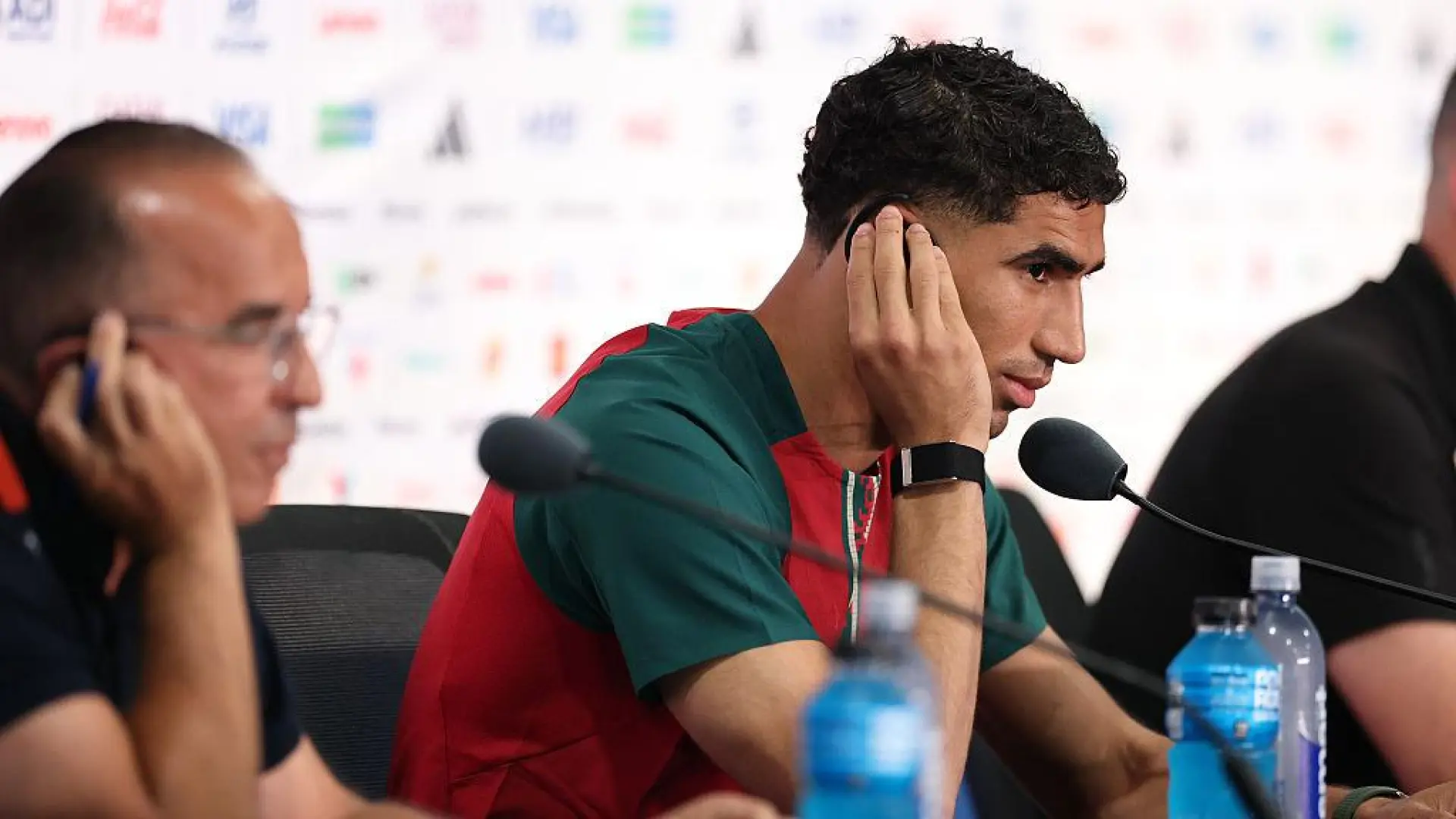
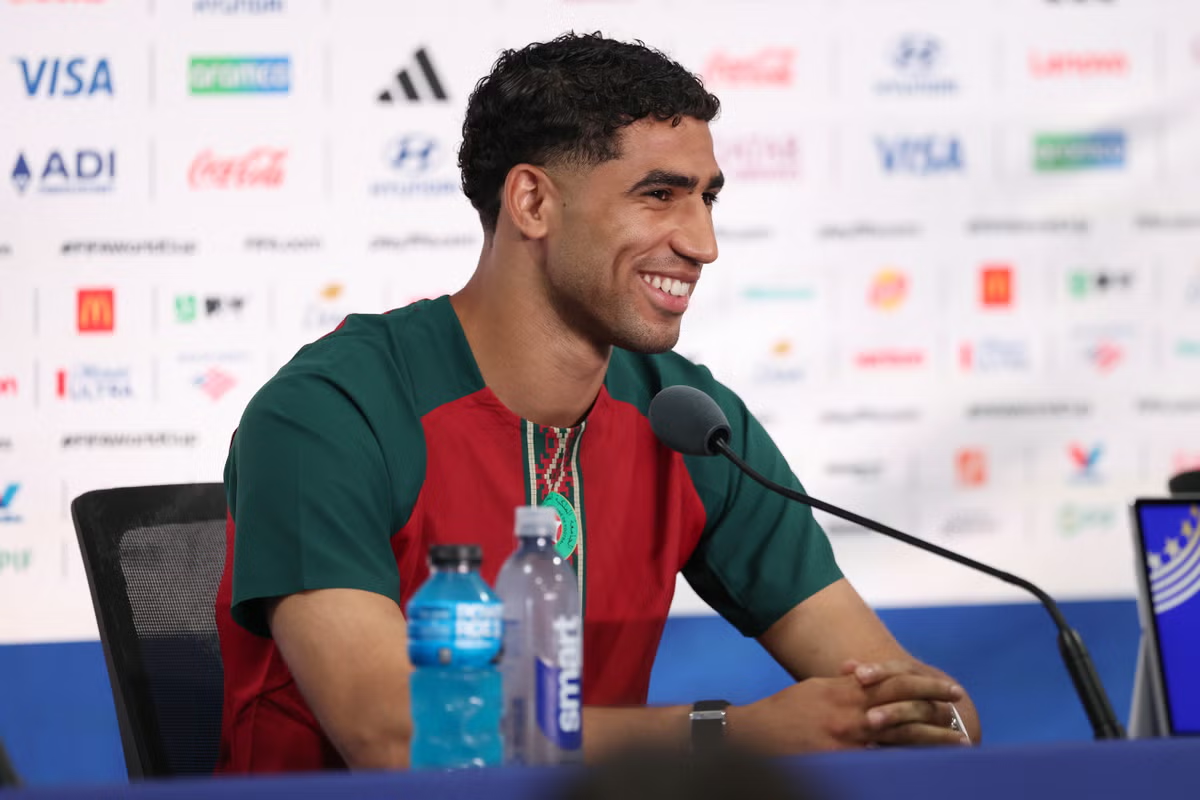
Morocco’s Achraf Hakimi and Brazil’s Vinícius Júnior were both on the dais when journalists attempting to pose questions in Spanish were interrupted and redirected. Hakimi pushed back against the policy, telling moderators he was willing to answer in Spanish.
This is the first World Cup to feature 48 teams, drawing an even broader and more linguistically diverse media contingent than previous tournaments. Yet English has dominated communication protocols across mixed zones and press settings, creating friction with the multilingual reality of the event’s geography and audience.