By providing an email address. I agree to the Terms of Use and acknowledge that I have read the Privacy Policy.
MANILA, Philippines – I came back to the Philippines in 2012 with my wife and our then very young children, after spending more than a decade overseas. The country’s economic resurgence had just started, and the political climate was very encouraging for many foreign-based Filipinos to return. I was privileged to join the Ayala Group as head of strategy and was very excited to contribute meaningfully to the country that has given me and my family so much.
At Ayala, we pride ourselves on our long heritage of contributing to national development. Back then, we were undergoing a period of massive diversification. We had just started investing in new businesses aligned to the national agenda—particularly in energy and transport infrastructure, while our core businesses in real estate, banking, telecommunications and water distribution were all rapidly growing.
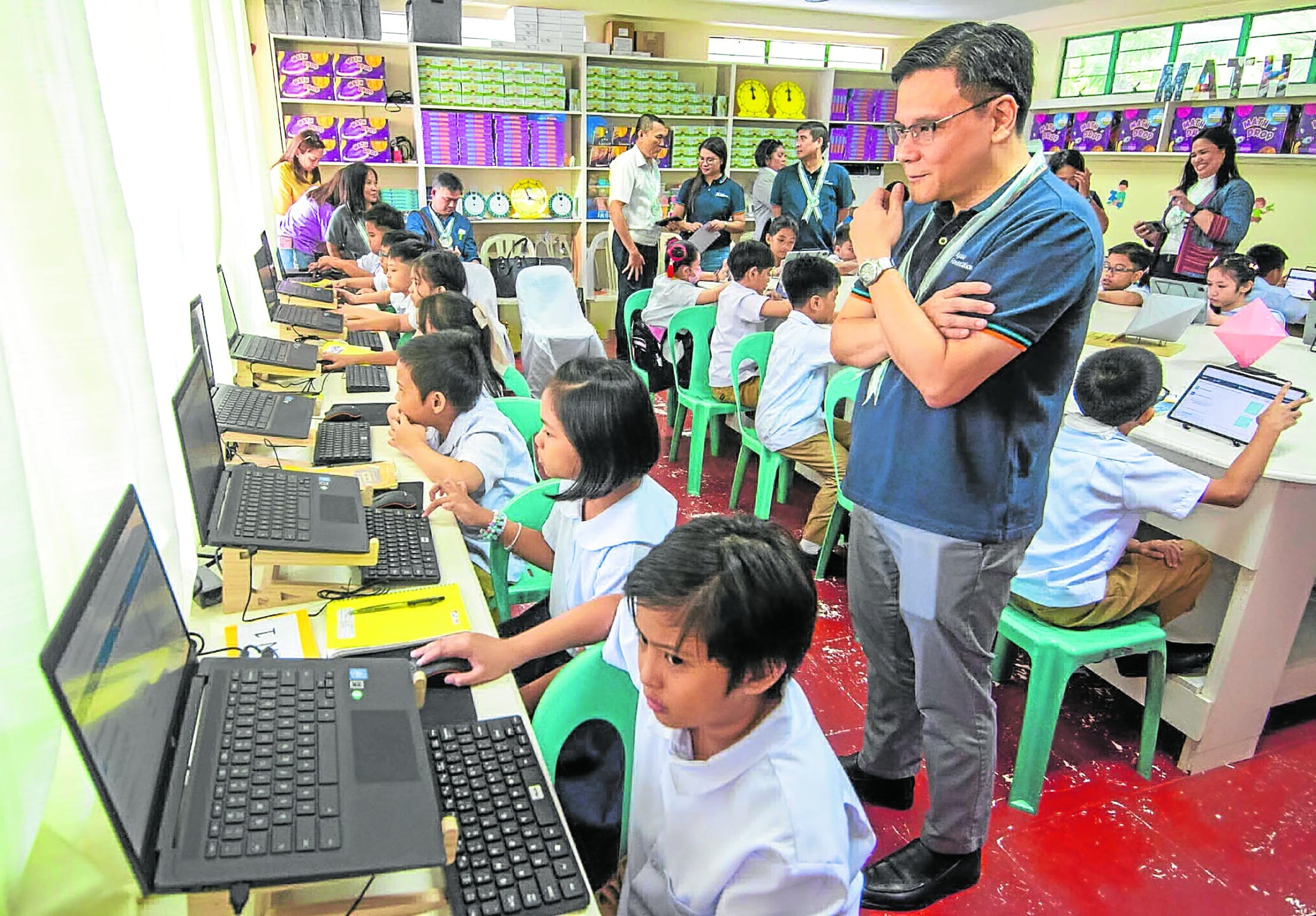
But we also knew that there was more we could do as a group to build what we called “social infrastructure” and develop Filipino human capital. For instance, we were facing tremendous education challenges then, which led to more recent findings where 91 percent of Filipino 10-year-olds cannot understand simple text at their grade level, and 83 percent did not have minimum proficiency in math. We also realized that six out of 10 Filipinos died without seeing a doctor, while our medical staff and hospital bed ratios all fell far below World Health Organization recommendations.