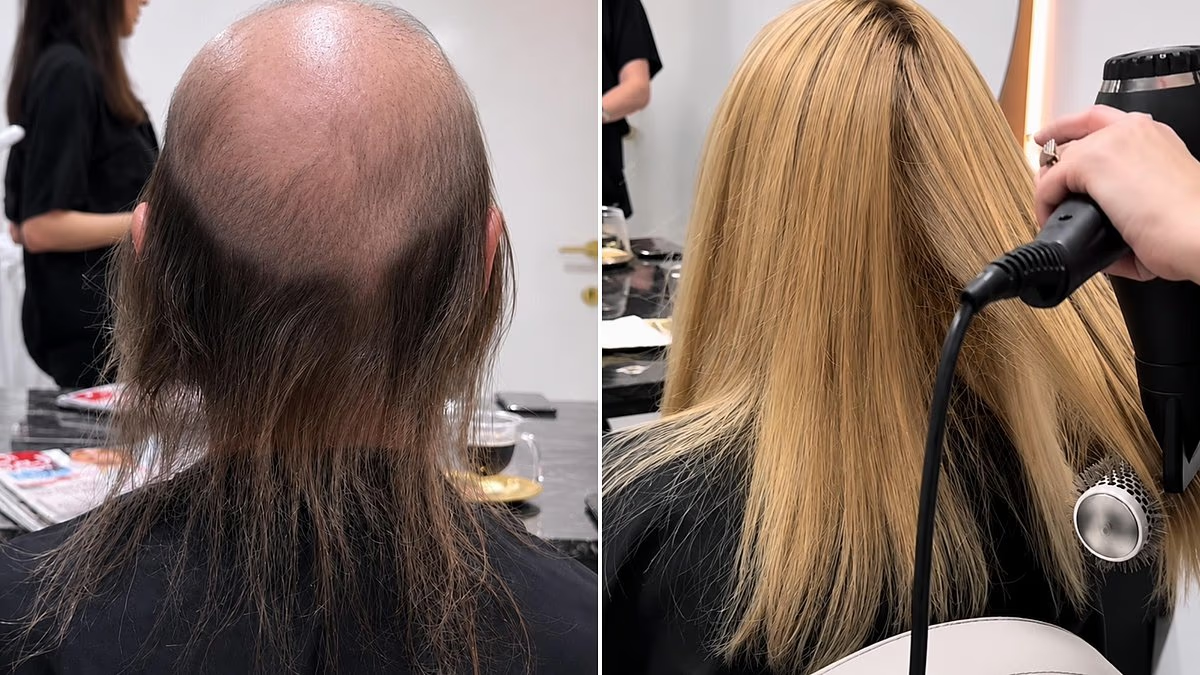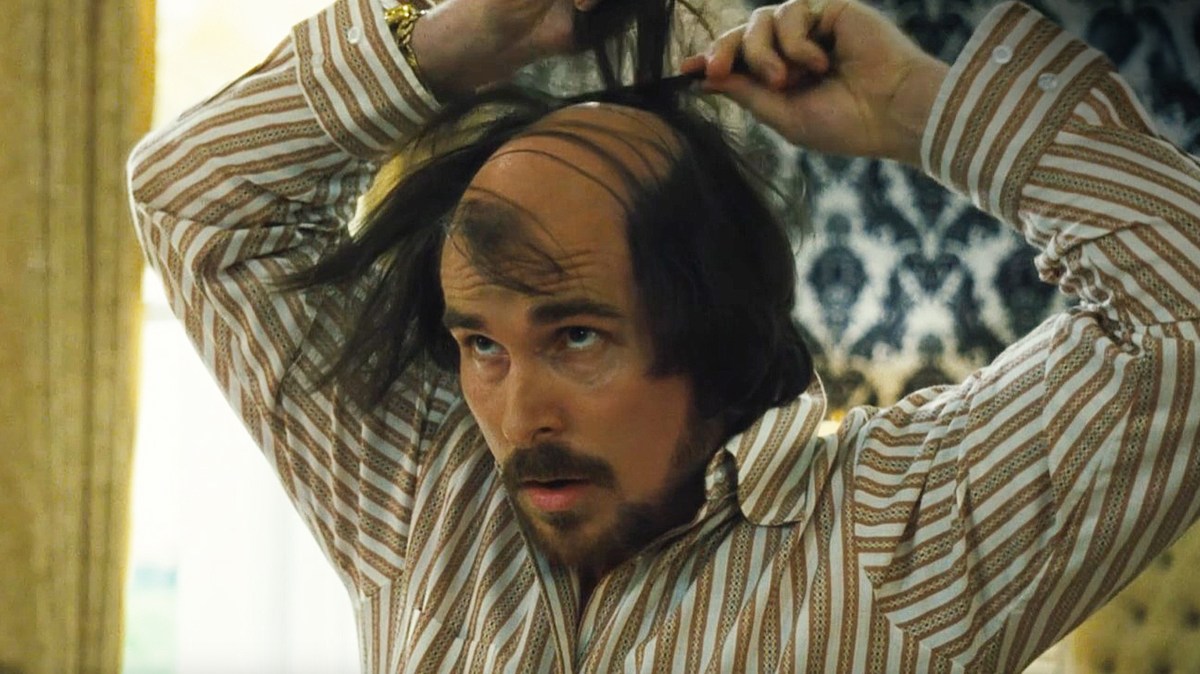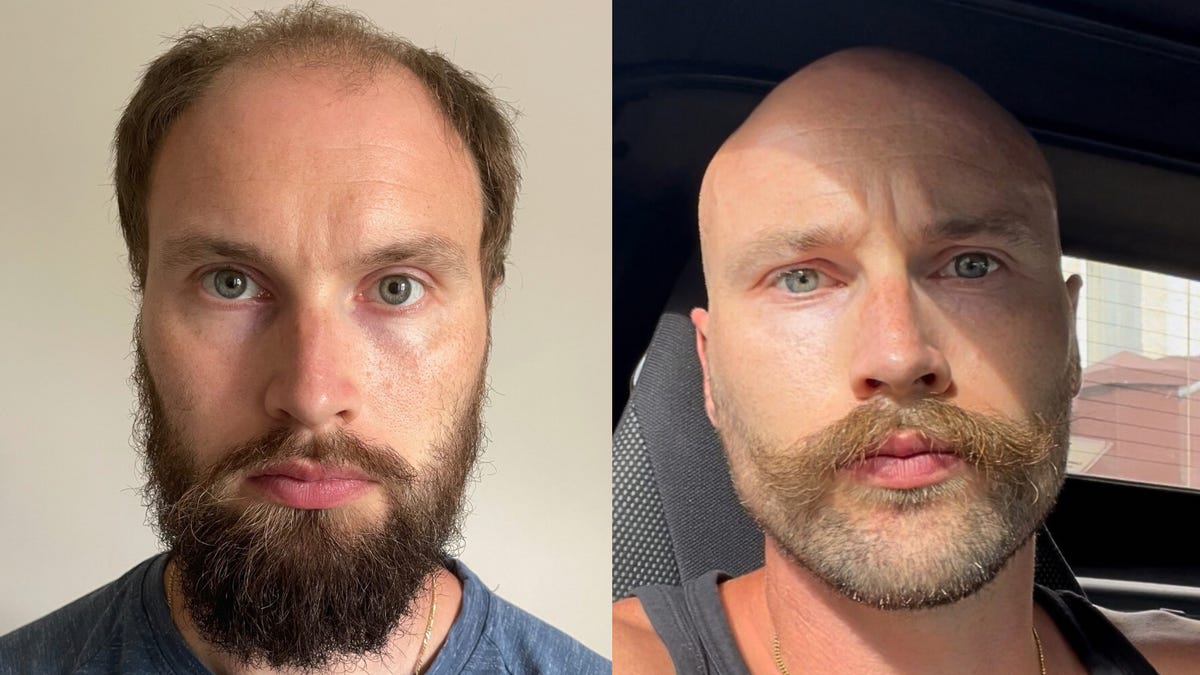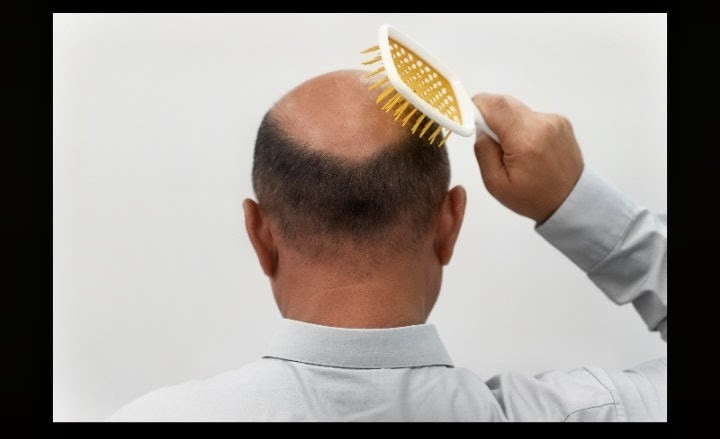
There’s a particular moment many people recognize — standing in front of the mirror, noticing the hairline, and thinking: “This is exactly what happened to my father.” Or your mother. Or your grandmother. That moment of recognition carries a strange mix of resignation and anxiety. But understanding what hereditary hair loss actually means — biologically, not just superficially — changes how you approach it.
What Hereditary Balding Actually Is
Hereditary balding, medically called androgenetic alopecia, is the most common cause of hair loss in both men and women. The word “androgenetic” tells you a lot — it involves androgens (hormones) and genetics working together.
Here’s the core mechanism: certain hair follicles in your scalp are genetically sensitive to a hormone called DHT (dihydrotestosterone), which is derived from testosterone. Over time, DHT binds to receptors in these sensitive follicles and causes them to shrink — a process called miniaturization. Each hair growth cycle produces a thinner, shorter strand than the previous one, until eventually the follicle stops producing visible hair altogether.
This isn’t random. Your genes determine which follicles carry this sensitivity and how strongly they respond to DHT. That’s why the pattern is so consistent — receding temples and crown thinning in men, diffuse thinning along the part in women.