Show Caption
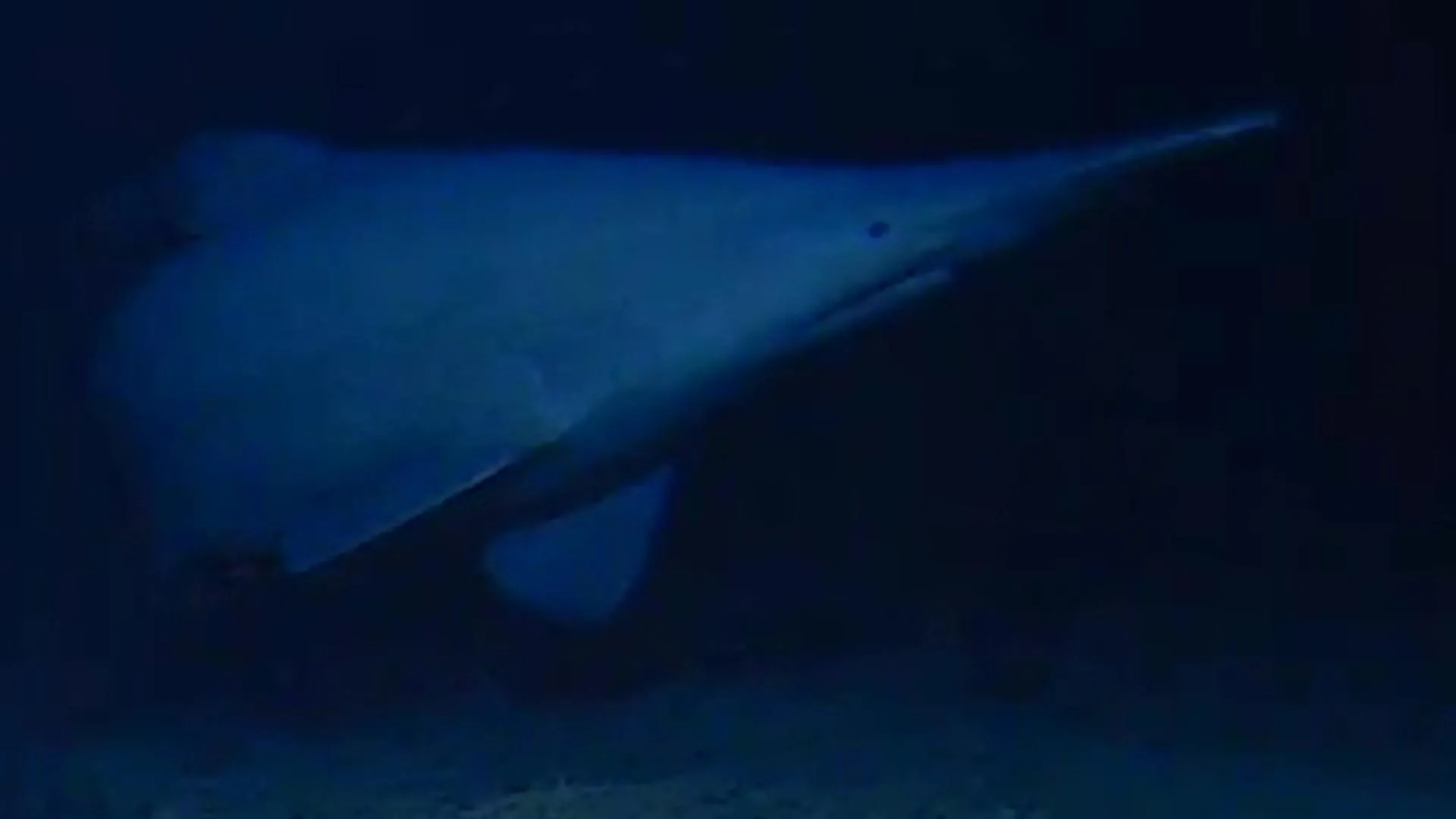
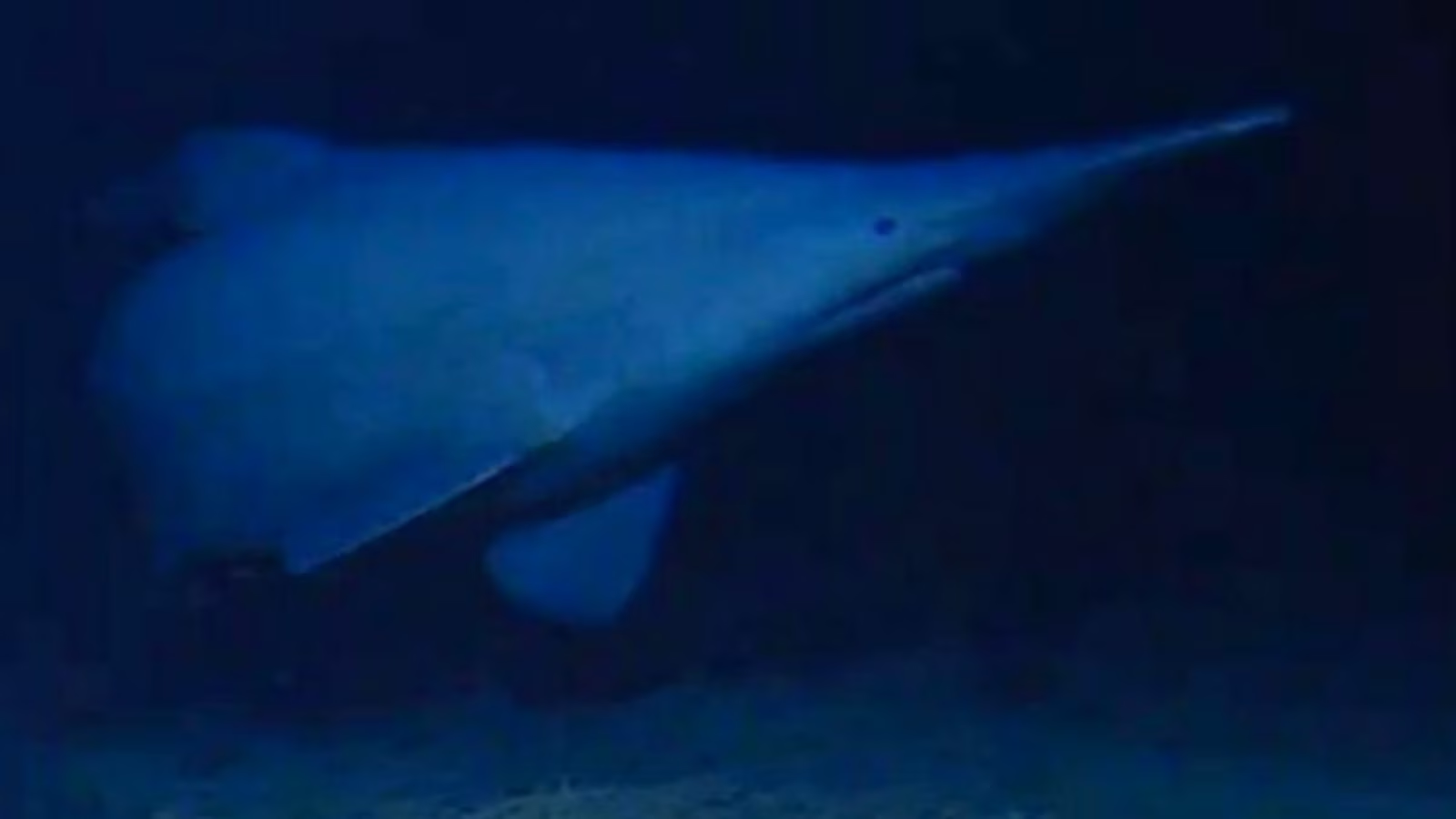
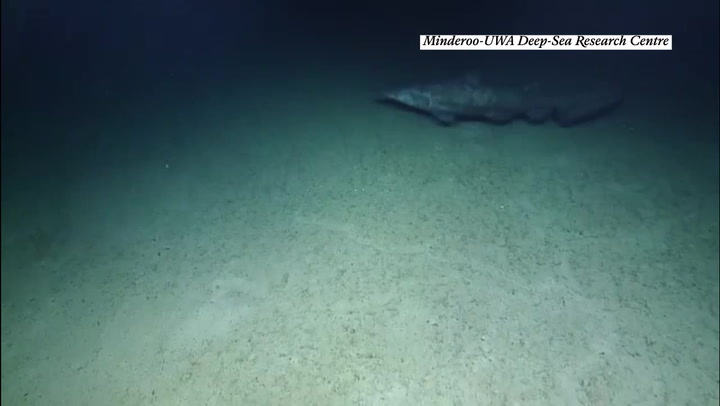
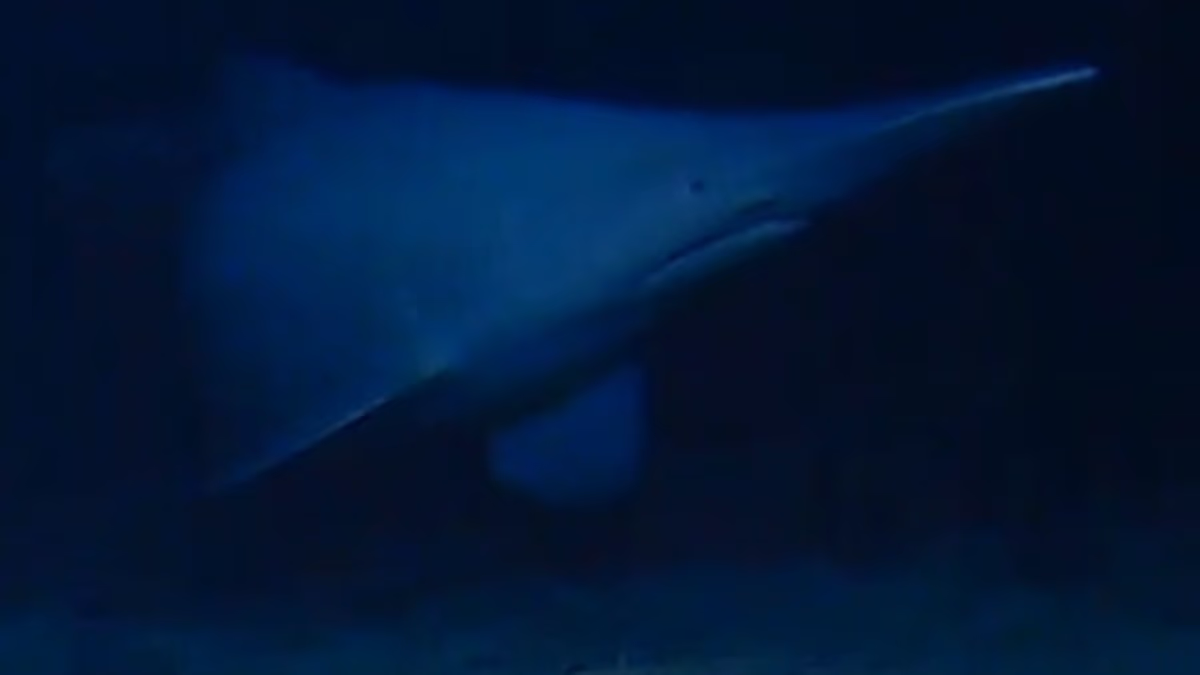
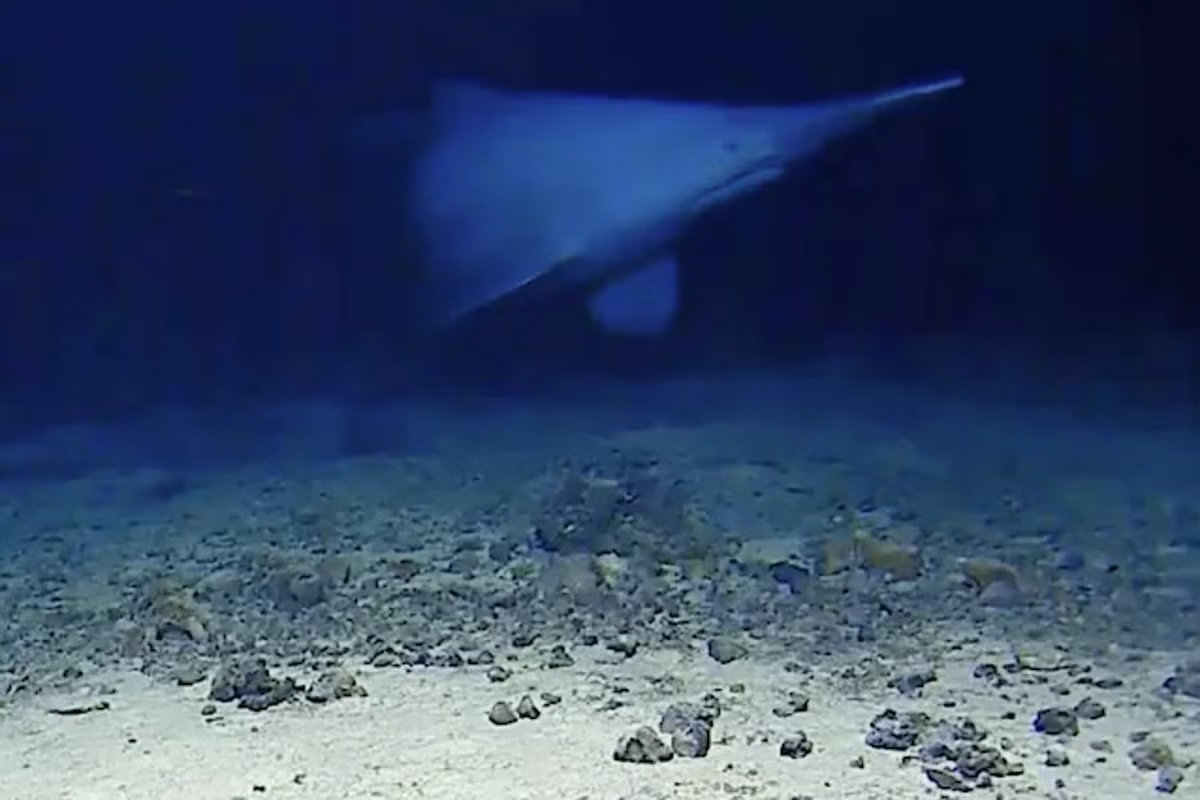
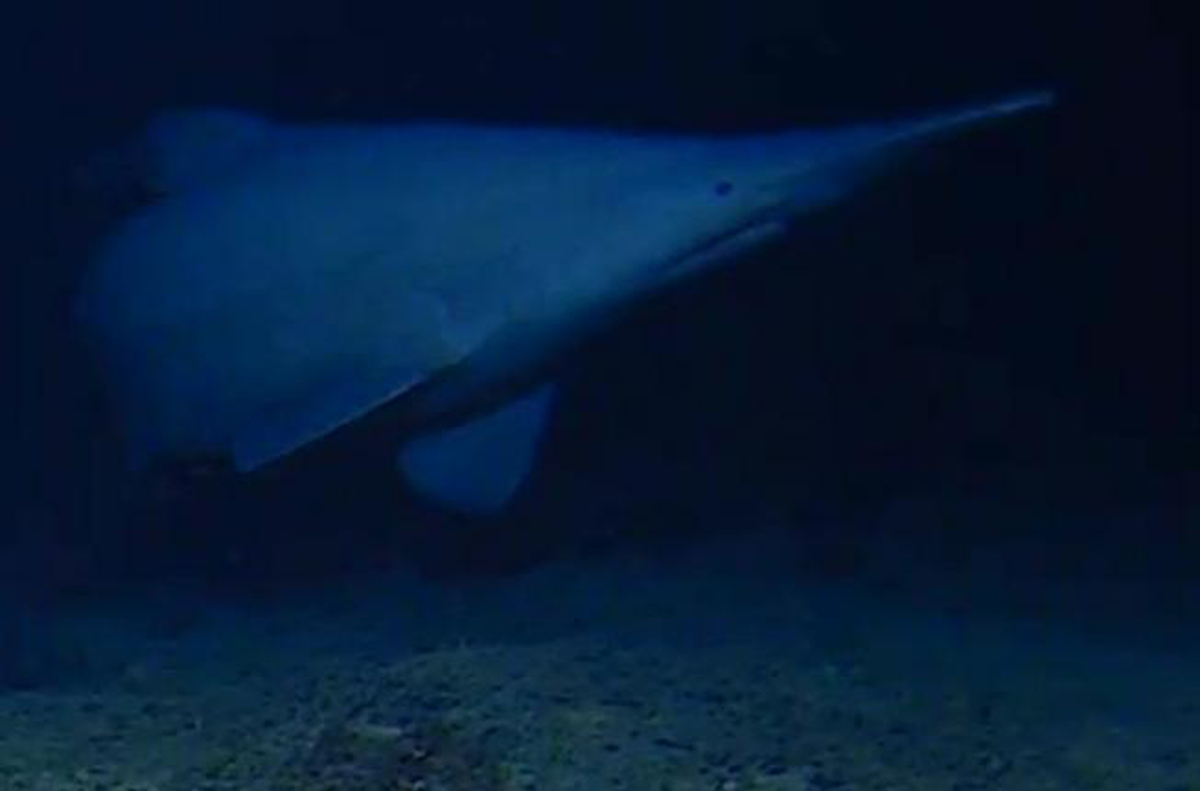
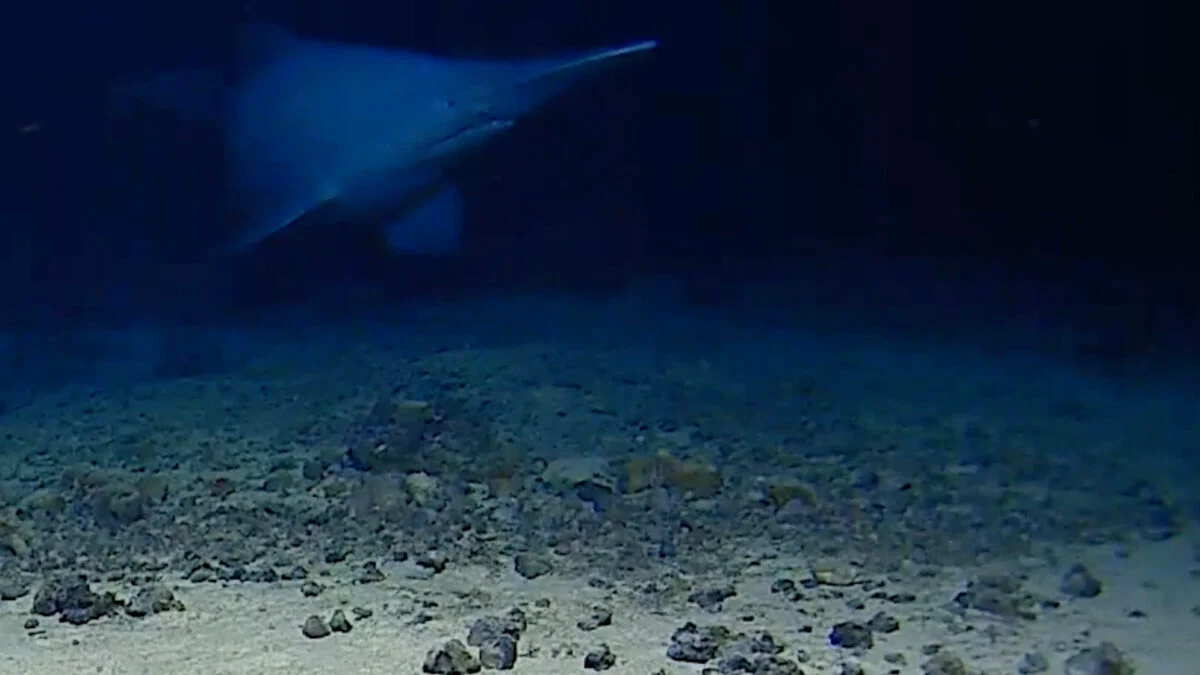
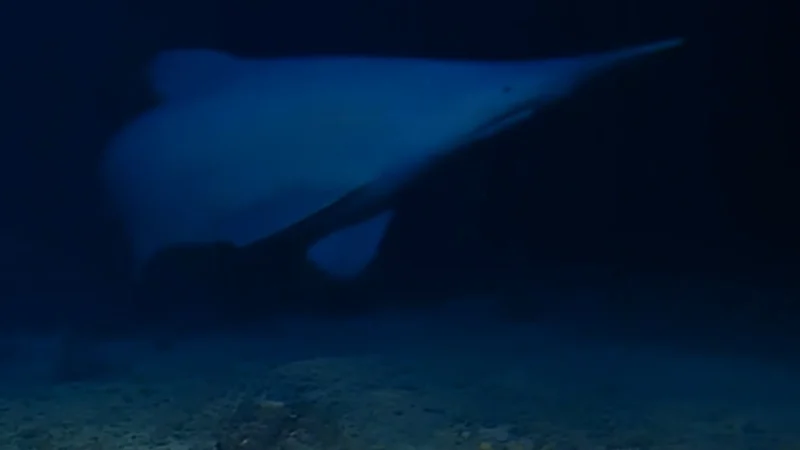
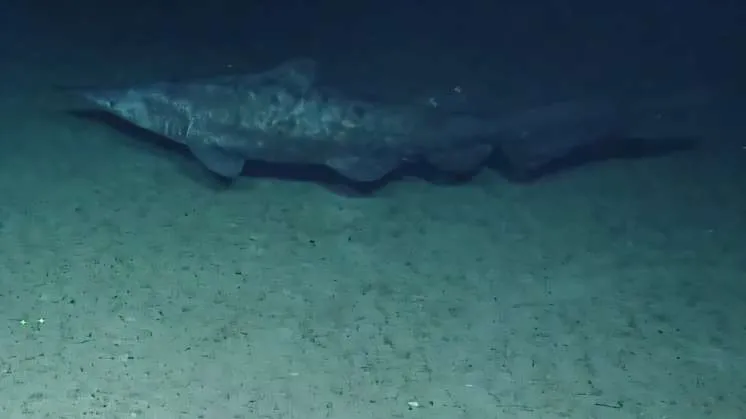
A deep-sea creepy creature has been spotted alive for the first time in its natural habitat.Researchers at the University of Hawaii at Manoa have documented the first two live observations of the rare deep-sea goblin shark, or Mitsukurina owstoni, in the South Pacific Ocean, according to a University of Hawaii Manoa news release. One of the sharks was discovered near Jarvis Island (about halfway between Hawaii and the Cook Islands) in 2019, and the other in the Tonga Trench in 2024.Before these findings, published in the Journal of Fish Biology, goblin sharks were only filmed or reported after being hooked on a fishing line and hauled to the surface, dying shortly later, the news release states. Additionally, where the sharks were spotted appears to be an expansion of the creature's previously understood habitat.The goblin shark is known to live in narrow areas of the Pacific Ocean off the coasts of the western United States, Australia, Japan and other regions in the Atlantic and Indian Oceans, according to the news release. The new findings extend the shark's geographic range to the central Pacific Ocean."It is really important that we still perform natural history work," Aaron Judah, lead author of the research and doctoral candidate at the University of Hawaii at Manoa, said in the news release. "New discoveries like this demonstrate that there is still so much to explore in our deep-ocean home. Given the newly expanded geographic range of the goblin shark, this species can be included in regional management and a nation's biodiversity list, whereas beforehand we didn't know it was even there."What is the deep-sea goblin shark?The deep-sea goblin shark is among the mackerel shark order, which includes well-known species such as the white shark, basking shark and mako shark. The goblin shark has a long, prominent snout covered with sensing organs that help it detect electric fields in deep waters, according to the Smithsonian Museum of Natural History. The shark can extend its jaw all the way down its snout to help catch fish, squids and crustaceans.The goblin shark, capable of growing up to 12.8 feet, according to the Australian Museum, is often referred to as a "living fossil" because it comes from the Mitsukurinidae family, which dates back 125 million years.How were the sharks discovered?During a 2019 Ocean Exploration Trust expedition aboard the research vessel EV Nautilus, known for finding the Titanic's wreckage, the crew used a remote camera system to capture footage of what they believed was a goblin shark, according to the news release. In 2025, Judah combed through the footage and confirmed the team had, in fact, spotted the rare shark.The second discovery was made during the research vessel RV Dagon's expedition to the Tonga Trench, the second-largest trench in the world after the Mariana, in 2024. Scientists aboard the Dagon used a baited camera to capture footage of the shark.Greta Cross is a national trending reporter at USA TODAY. Story idea? Email her at gcross@usatoday.com.