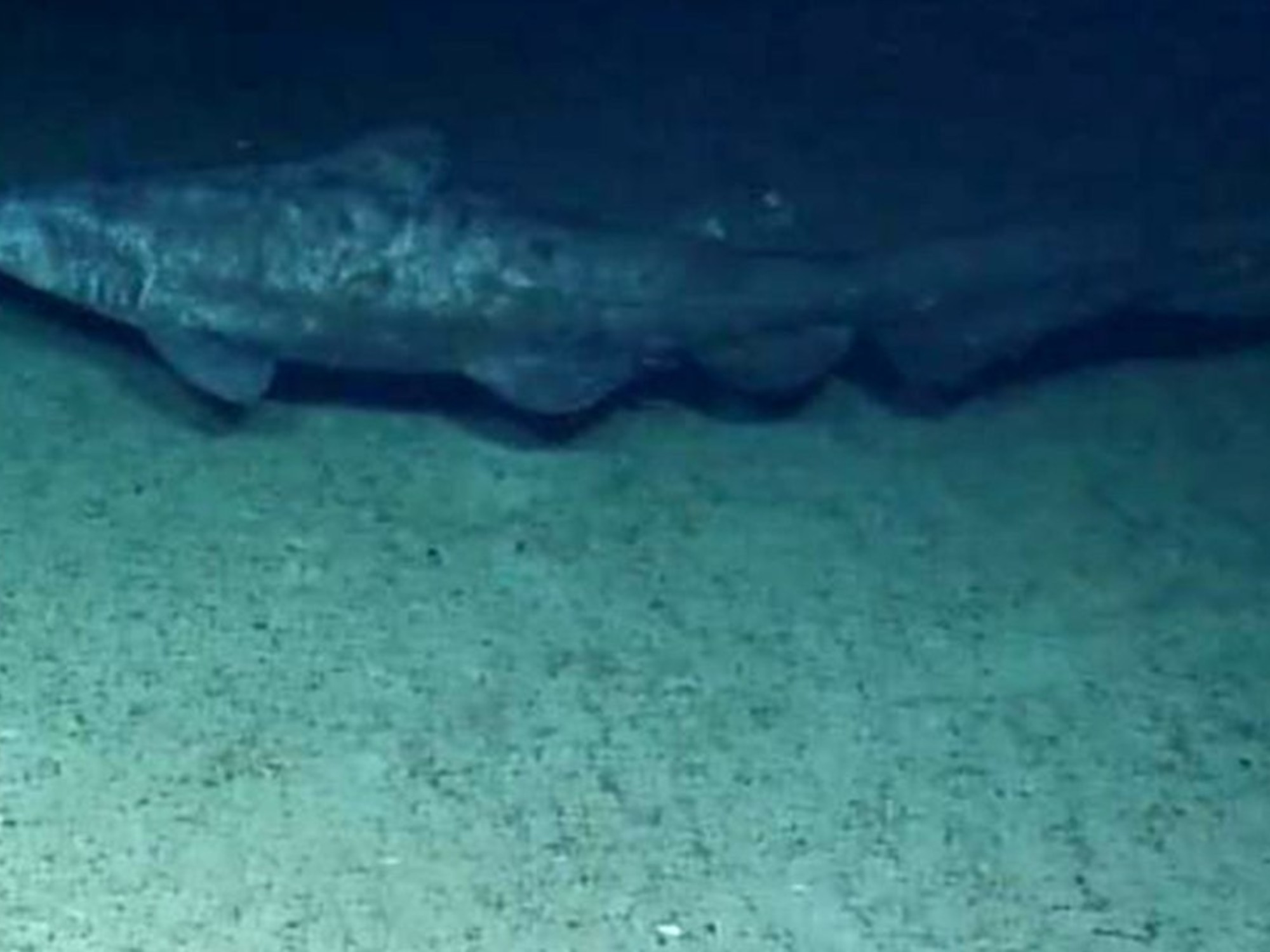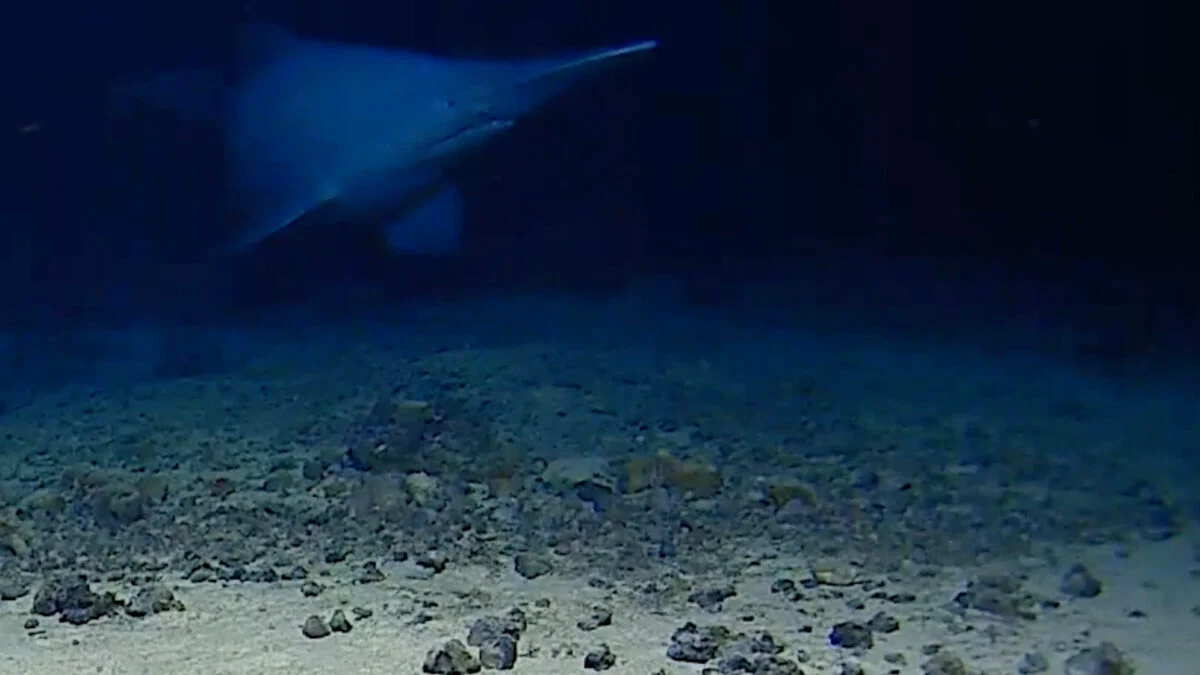
Deeper at its deepest than Mount Everest is tall, the Tonga Trench, northeast of New Zealand, is still only the second-deepest ocean trench on Earth. Shouldering ambient pressures roughly around 15,000 pounds per square inch at its deepest, the trench is surrounded by an eldritch-sounding ocean formation called an “abyssal plain.”
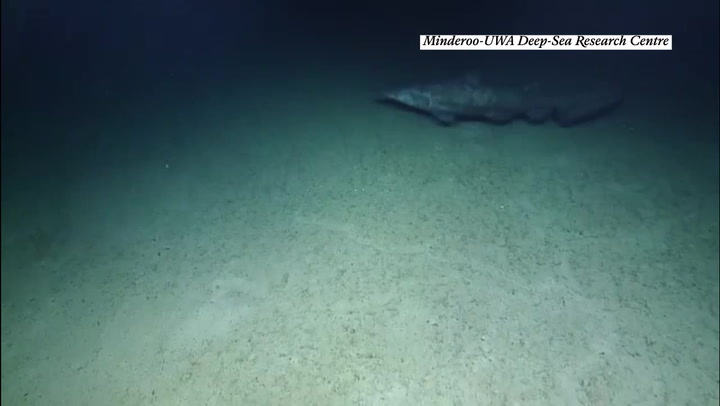
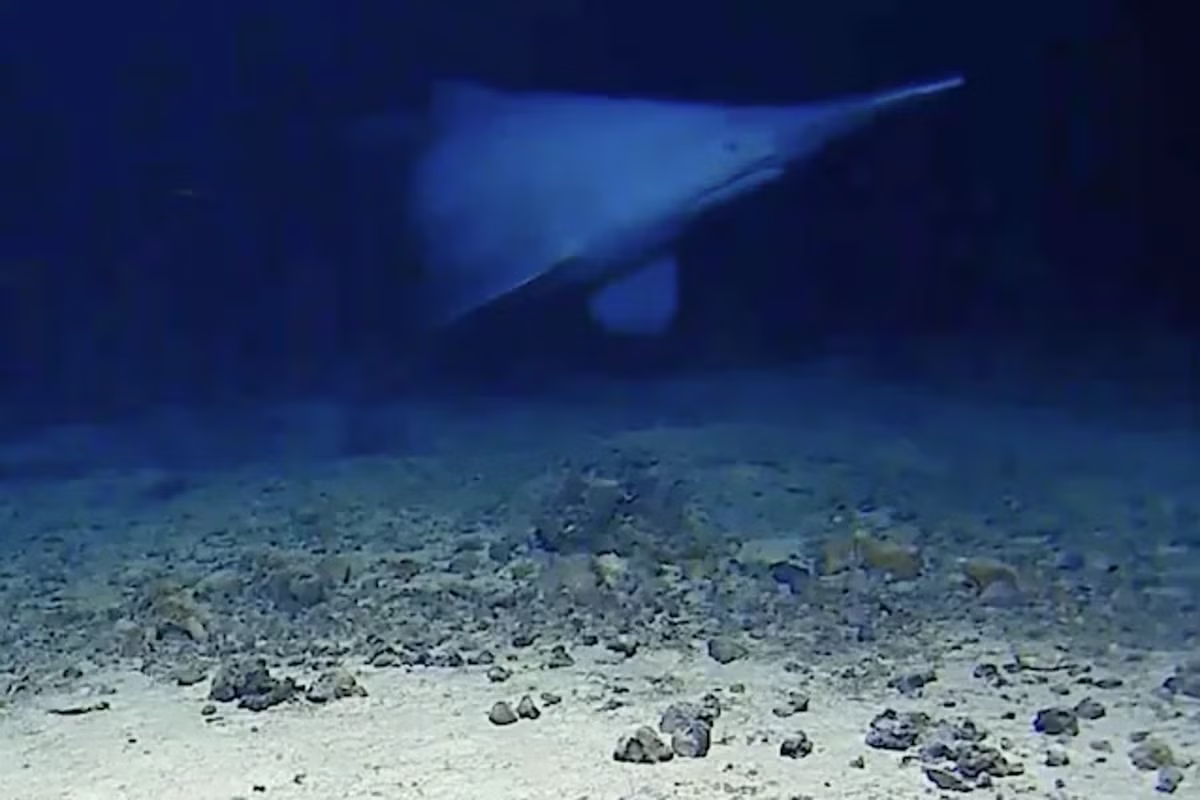
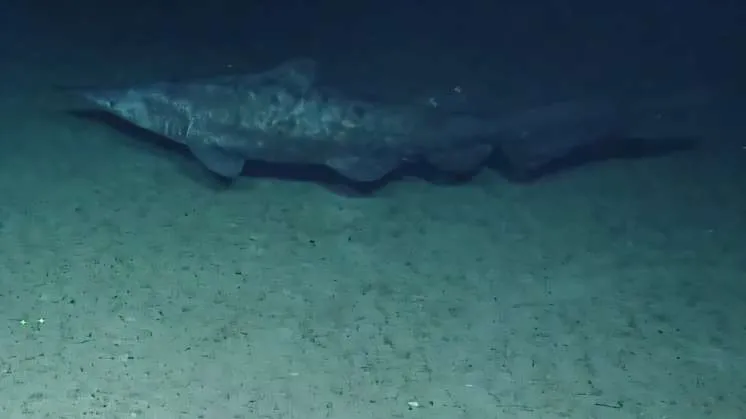
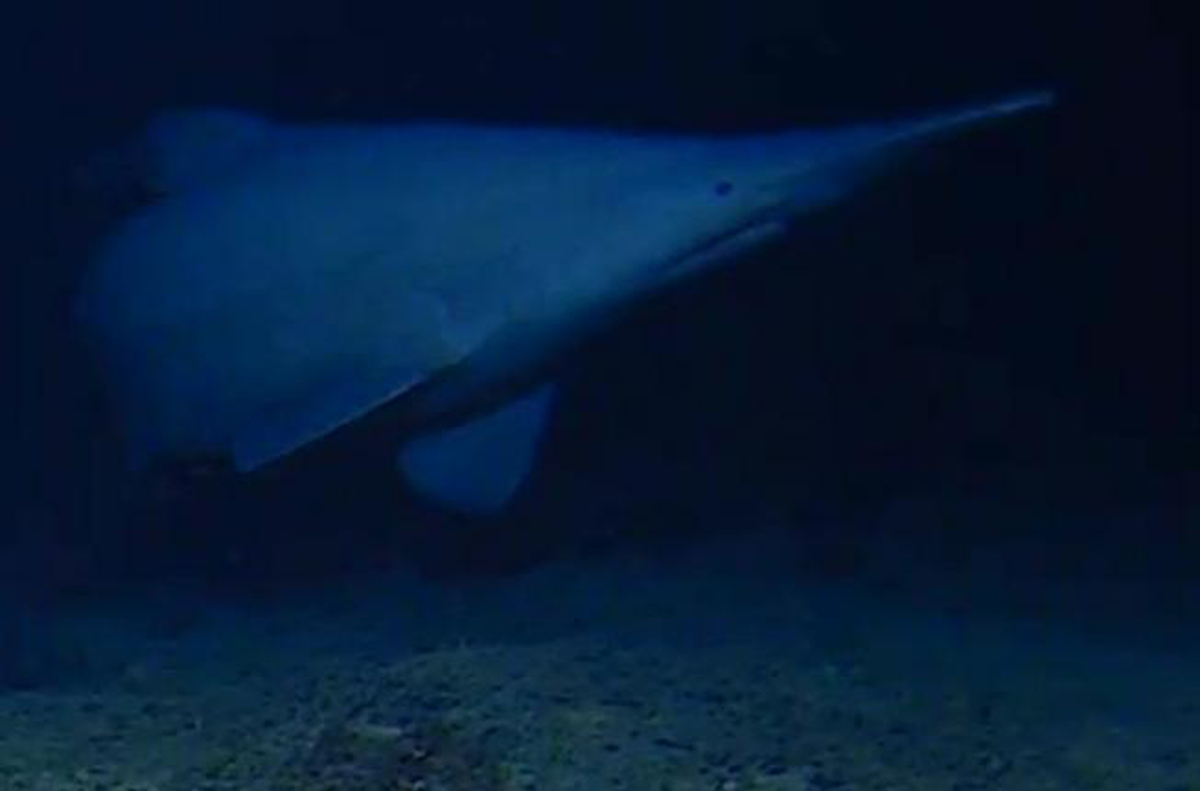
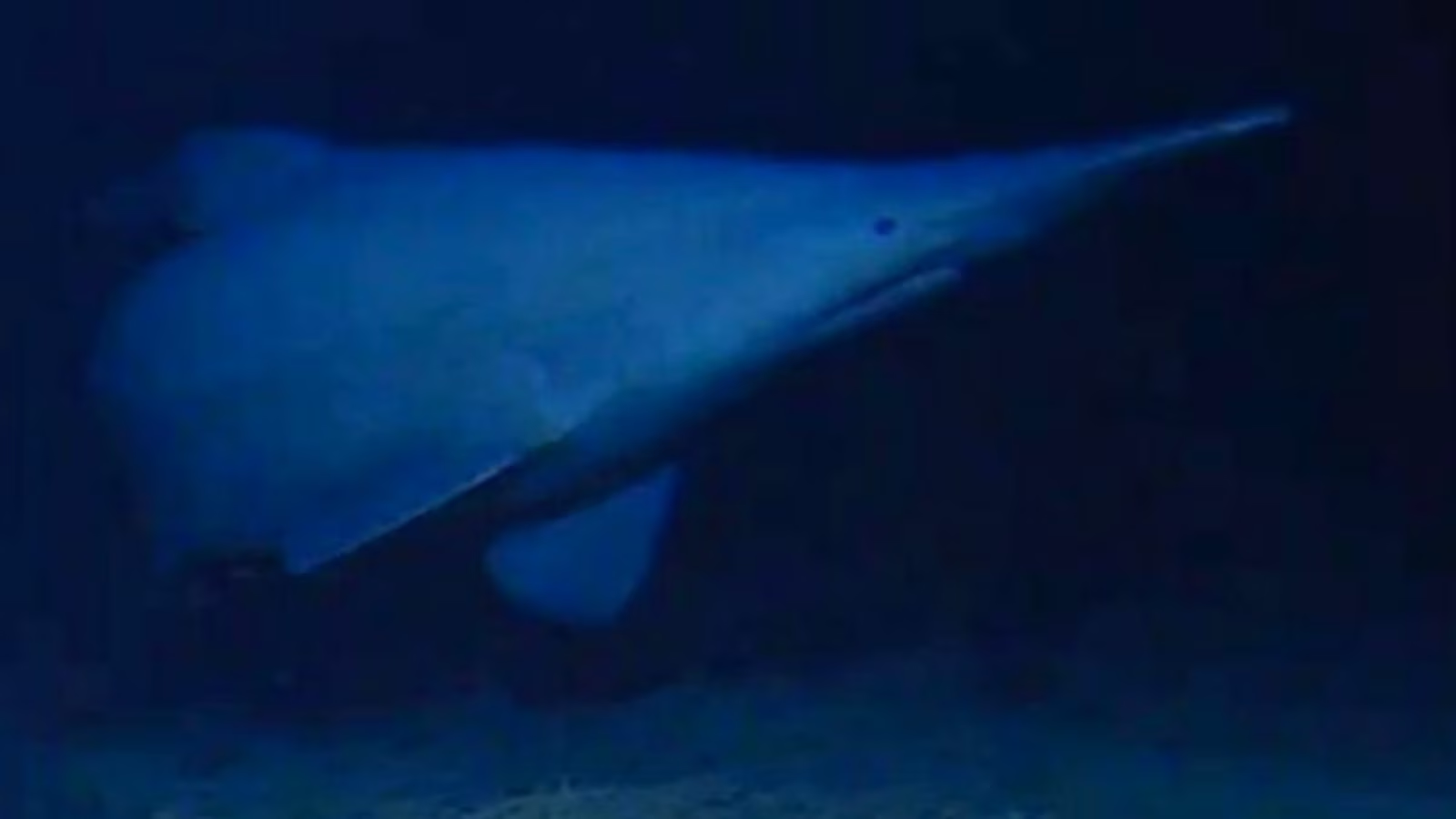
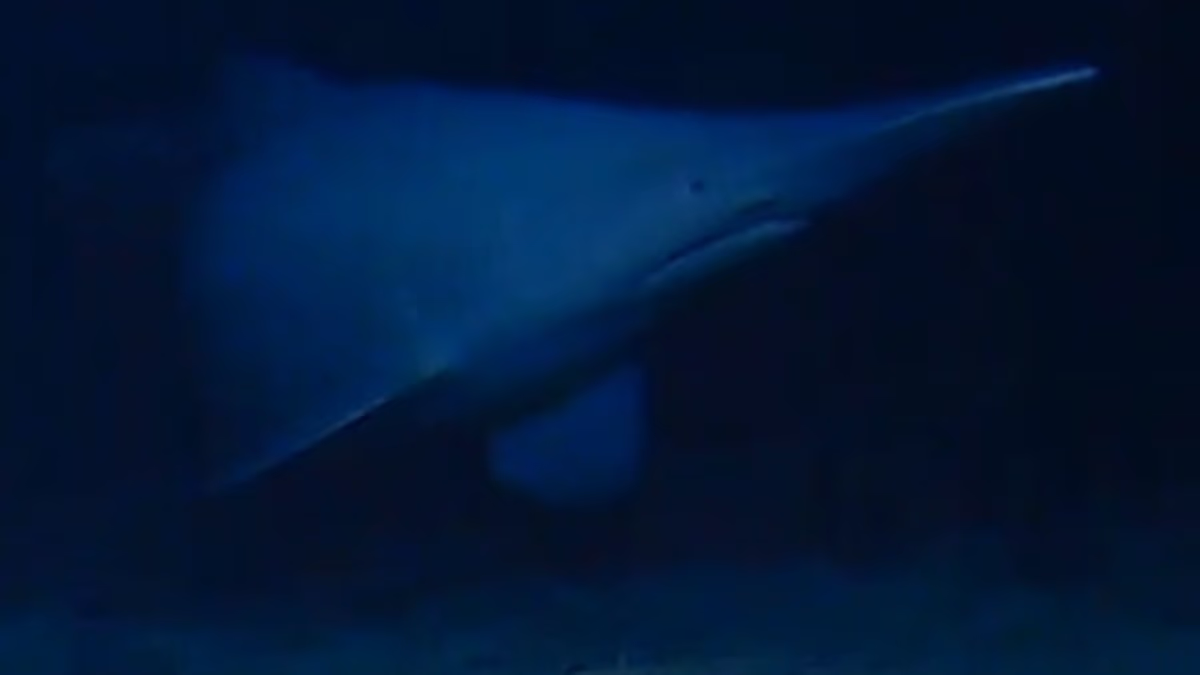
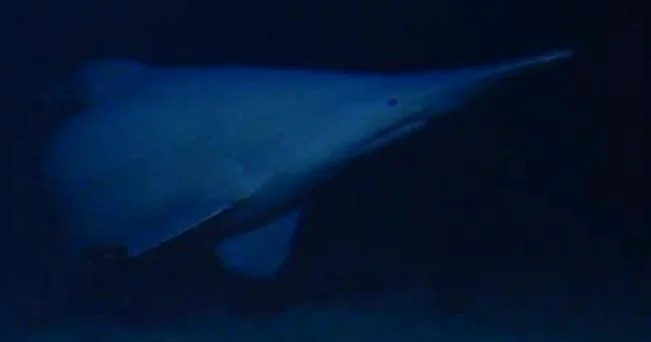
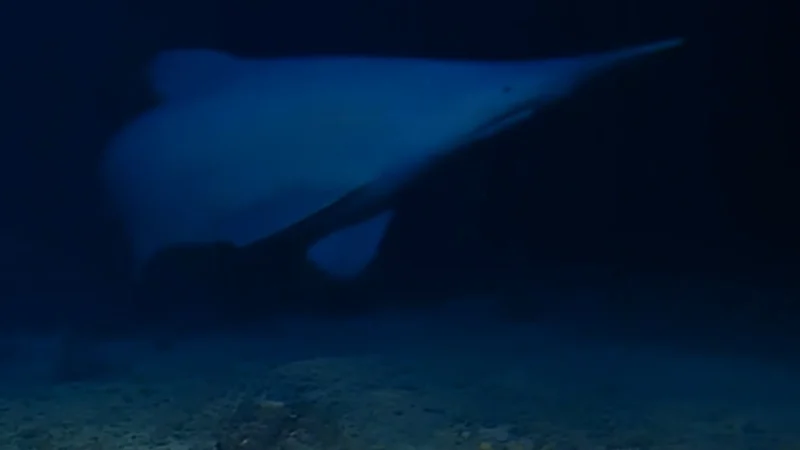
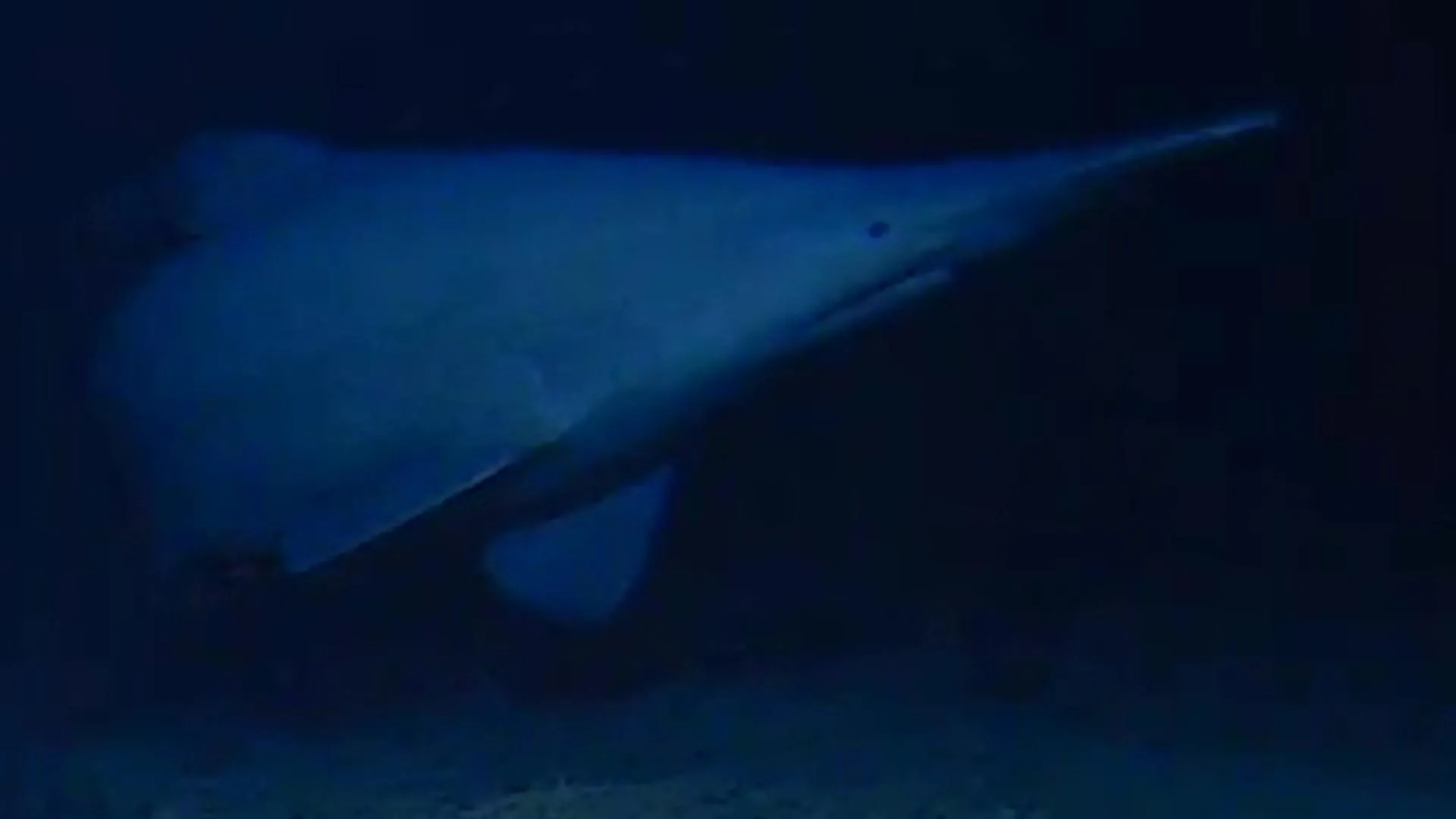
It’s exactly the kind of place, in other words, where one might expect to see an ancient creature named the goblin shark. And, in fact, this May, marine biologist Alan Jamieson, director of the Minderoo-UWA Deep-Sea Research Centre in Australia, and his colleagues have reported capturing the first-ever footage of this elusive shark lurking in the dark depths of its natural habitat. But, more significantly, this rare documentation expands upon what marine science knew about this rare species—widening its known territorial waters and plunging its known depths by thousands of feet. The team jointly published two confirmed instances of the shark alive and swimming: footage captured in 2019 along an unnamed seamount north-west of Jarvis Island at 4,058 feet (1,237 meters) below sea level and 2024 footage taken at an astounding 6,552 feet (1,997 m) deep within the Tonga Trench.