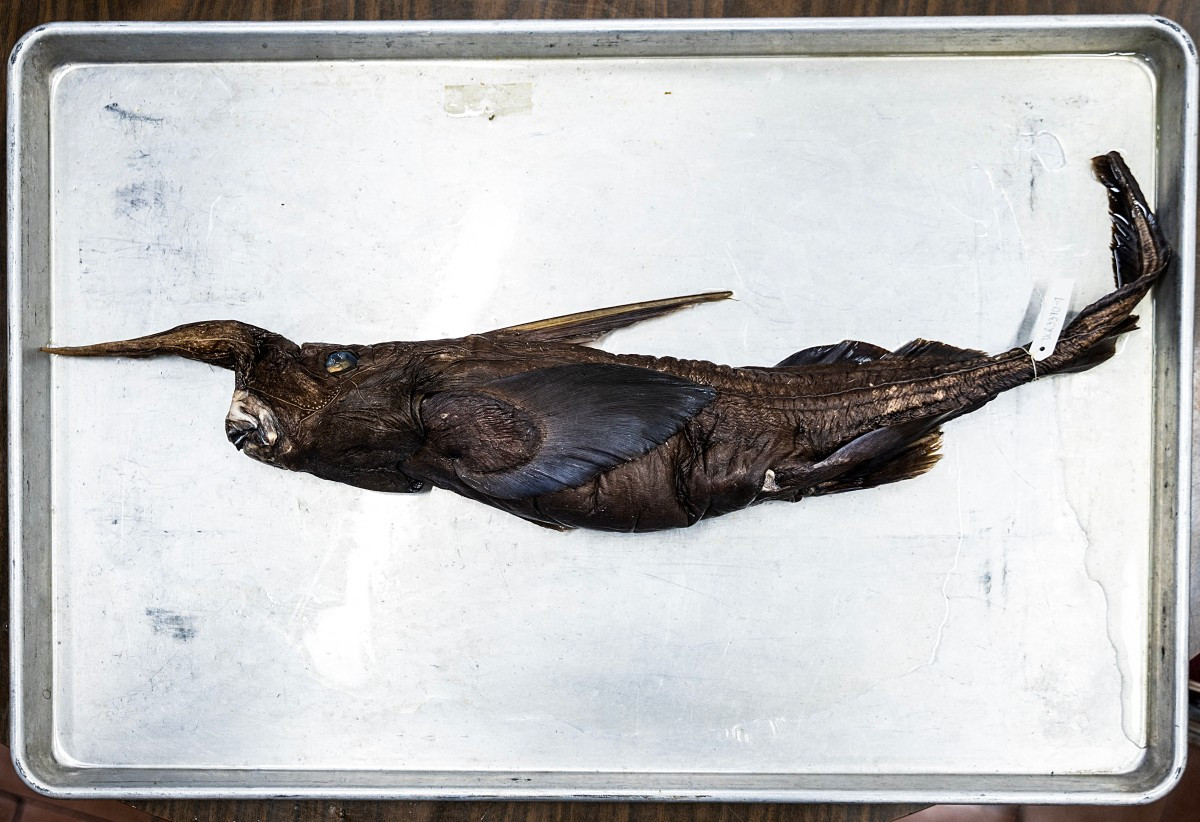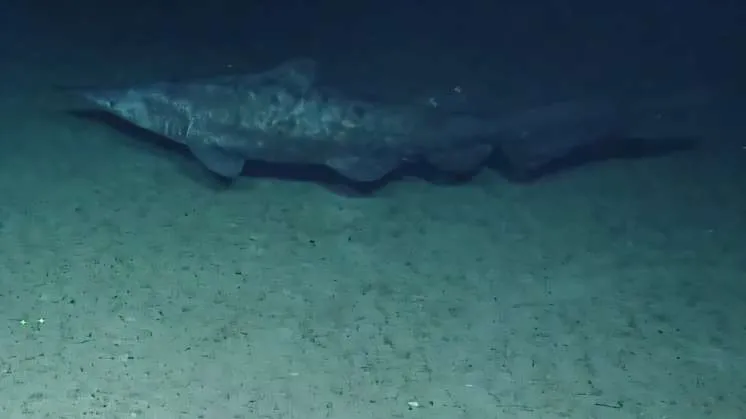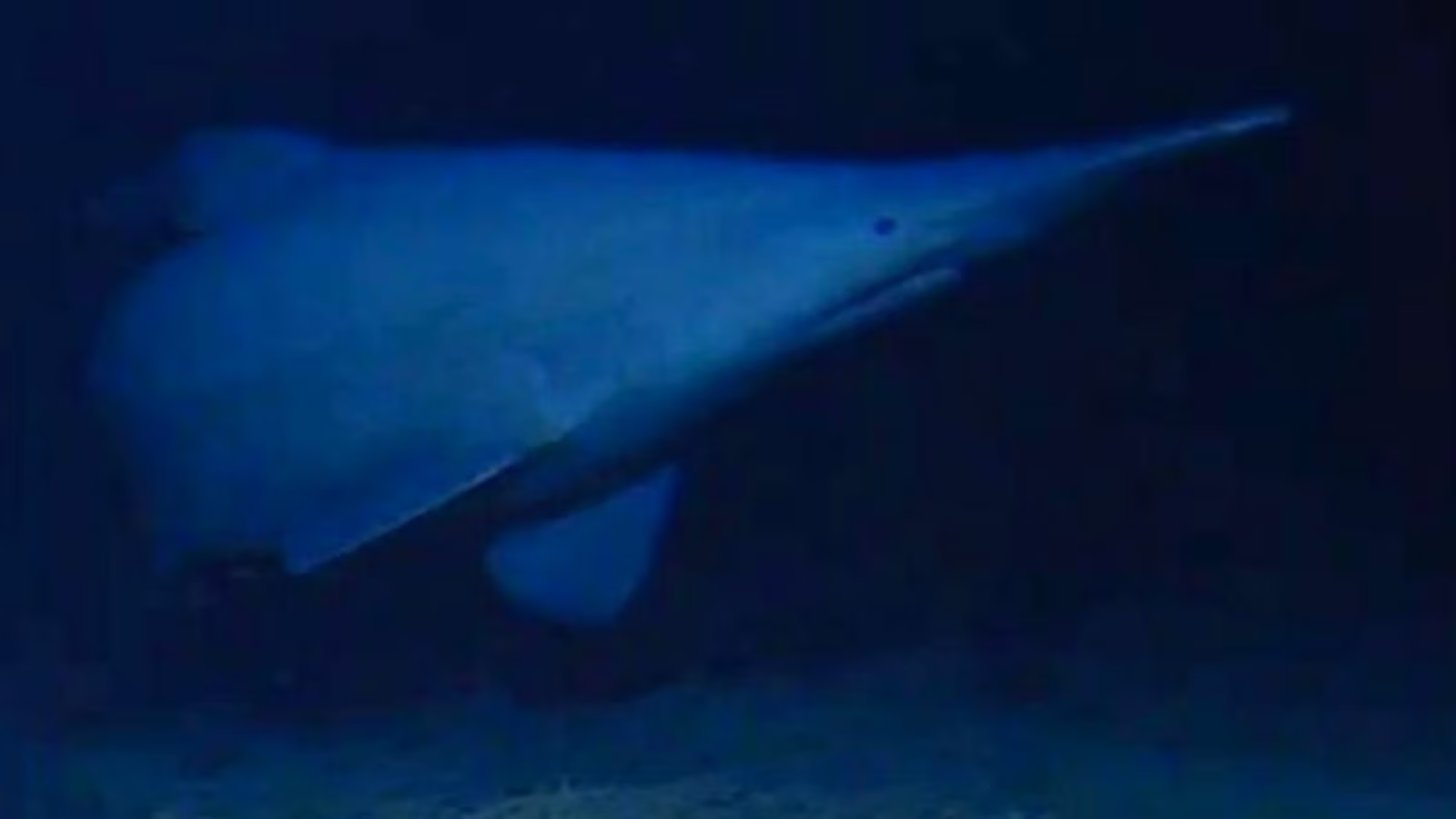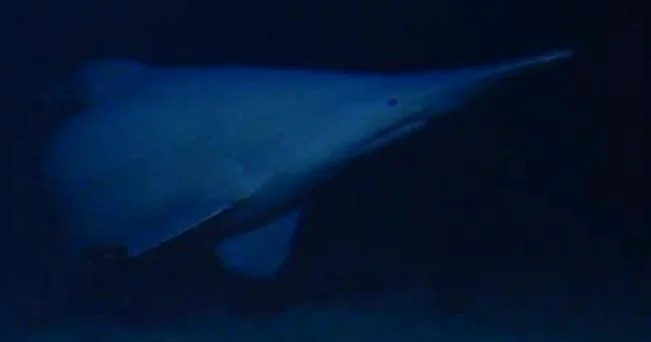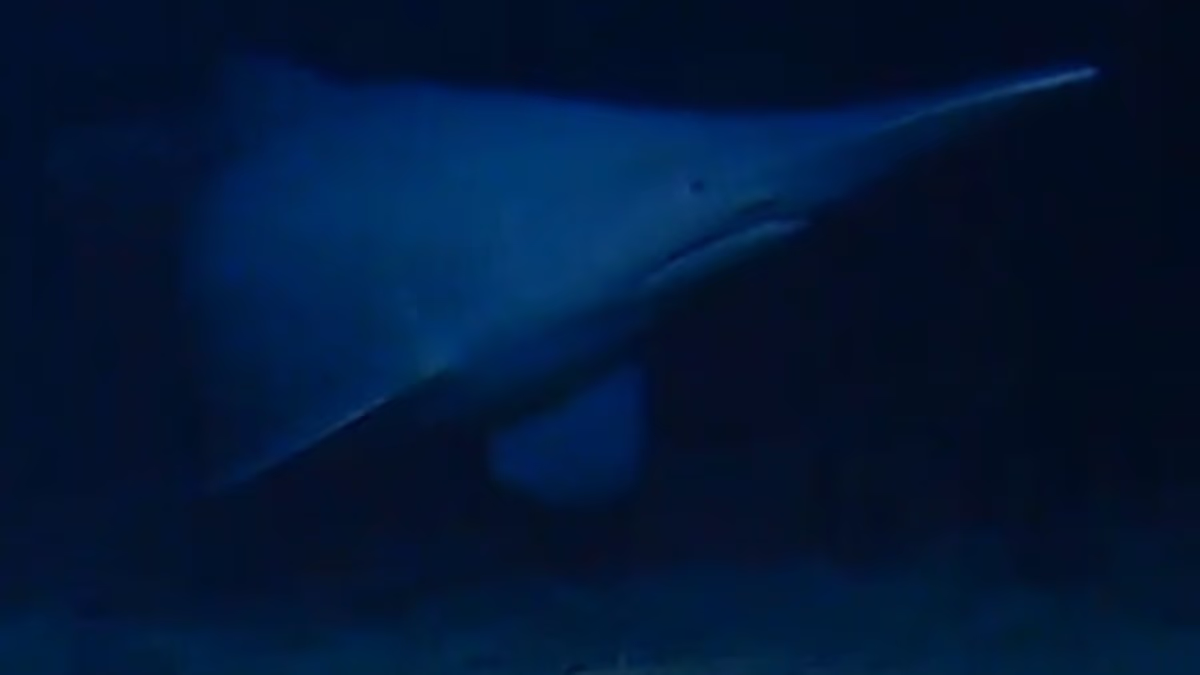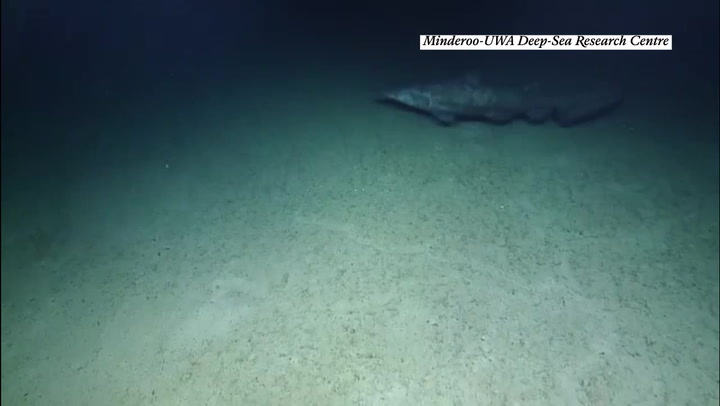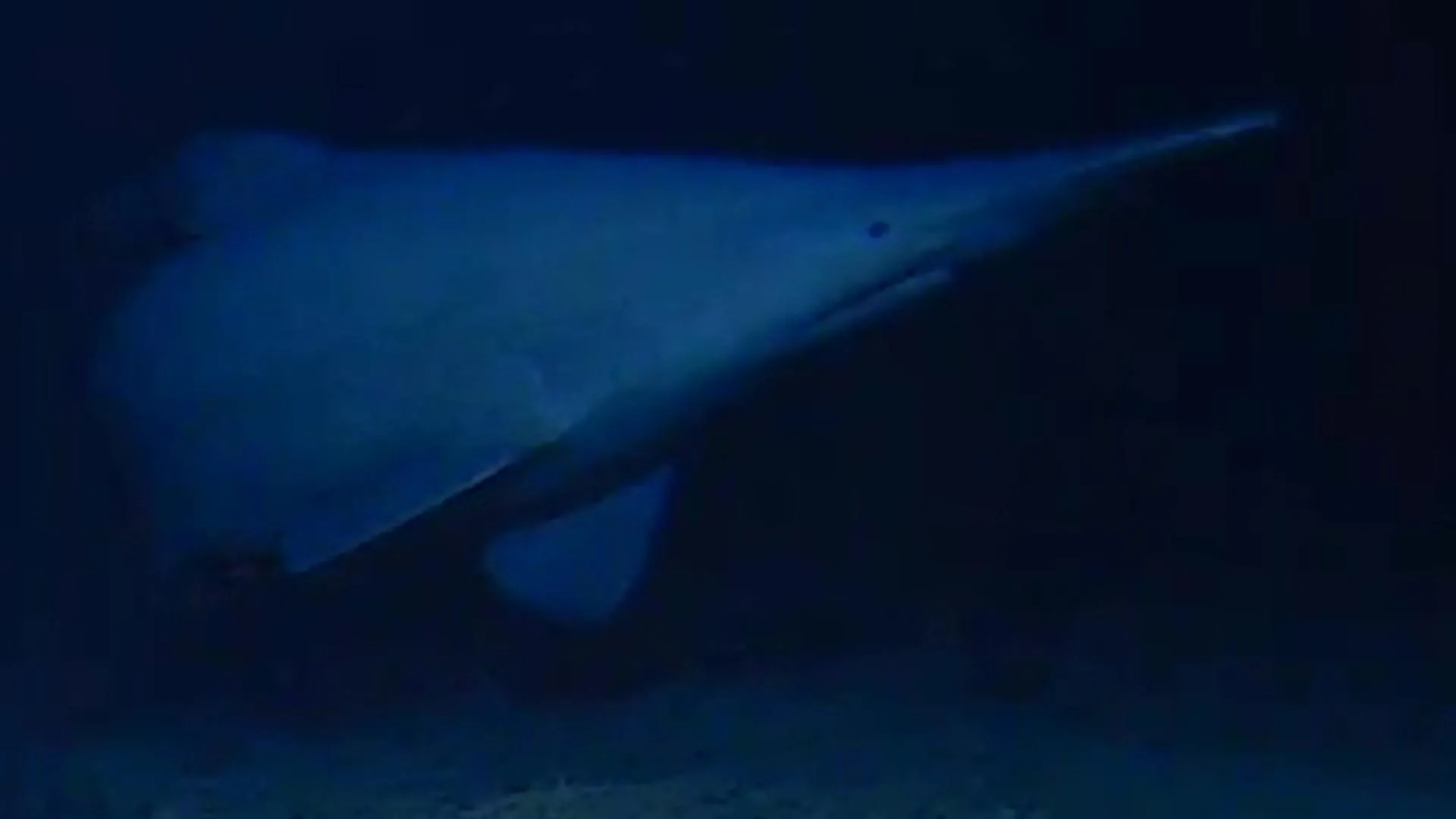
For the first time, scientists have documented live goblin sharks (Mitsukurina owstoni) thriving in their natural deep ocean environment. The historic observations, led by a University of Hawai'i at Mānoa research team, provide an unprecedented look at one of the world's rarest and most mysterious sharks without removing it from its habitat.
Until now, every confirmed video or observation of a live goblin shark came only after the animal had been accidentally caught on a fishing line and brought to the surface. Divers could briefly examine the sharks, but the animals typically died soon afterward. The new research, published in the Journal of Fish Biology, reports two healthy goblin sharks observed in the wild. One was seen near a seamount close to Jarvis Island, while the other was recorded along the slope of the Tonga Trench.
Often described as "living fossils," goblin sharks are the sole surviving members of a shark family that dates back nearly 125 million years. The newly documented encounters significantly expand both the species' known geographic distribution and the depths at which it is known to live.
Goblin Shark Breaks Depth Record
"Seeing the most iconic of all the deep-sea sharks alive and looking healthy in its natural habitat is a unique honor," said Aaron Judah, lead author of the paper and doctoral candidate working in the Deep-Sea Fish Ecology Lab and Deep-Sea Animal Research Center (DARC) in the Department of Oceanography at the UH Mānoa School of Ocean and Earth Science and Technology. "I was also very surprised about how deep this species was found. The observation from the slope of the Tonga Trench is nearly 700 meters deeper than this species was known to live."