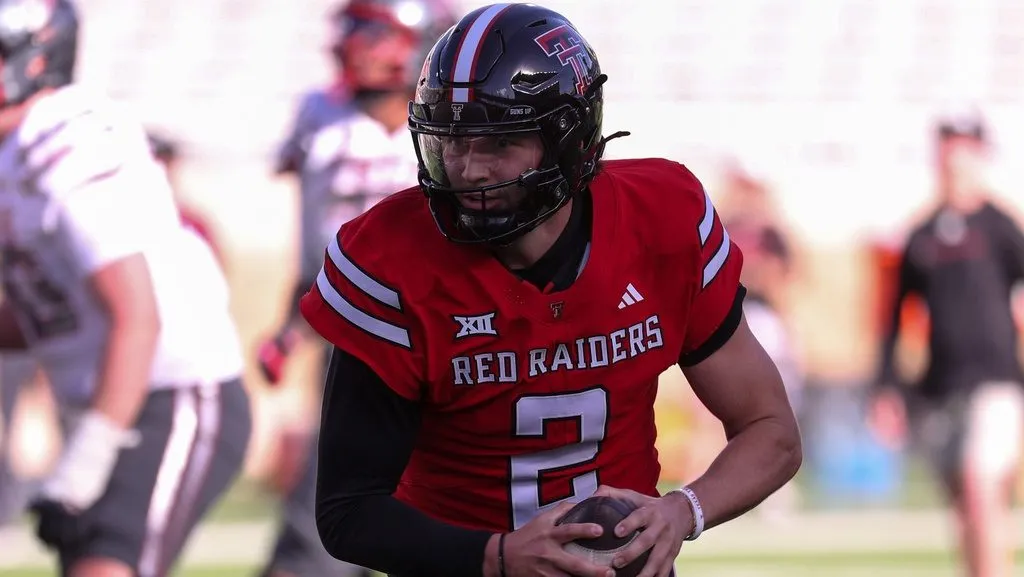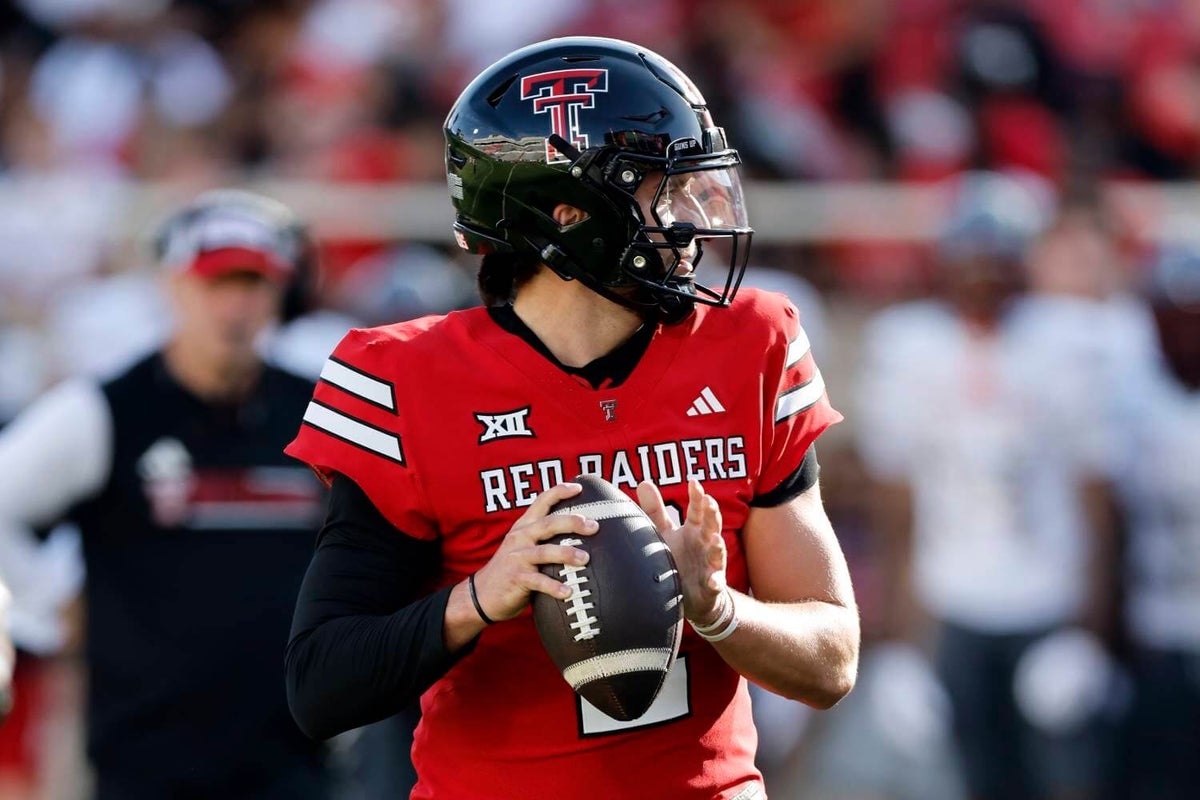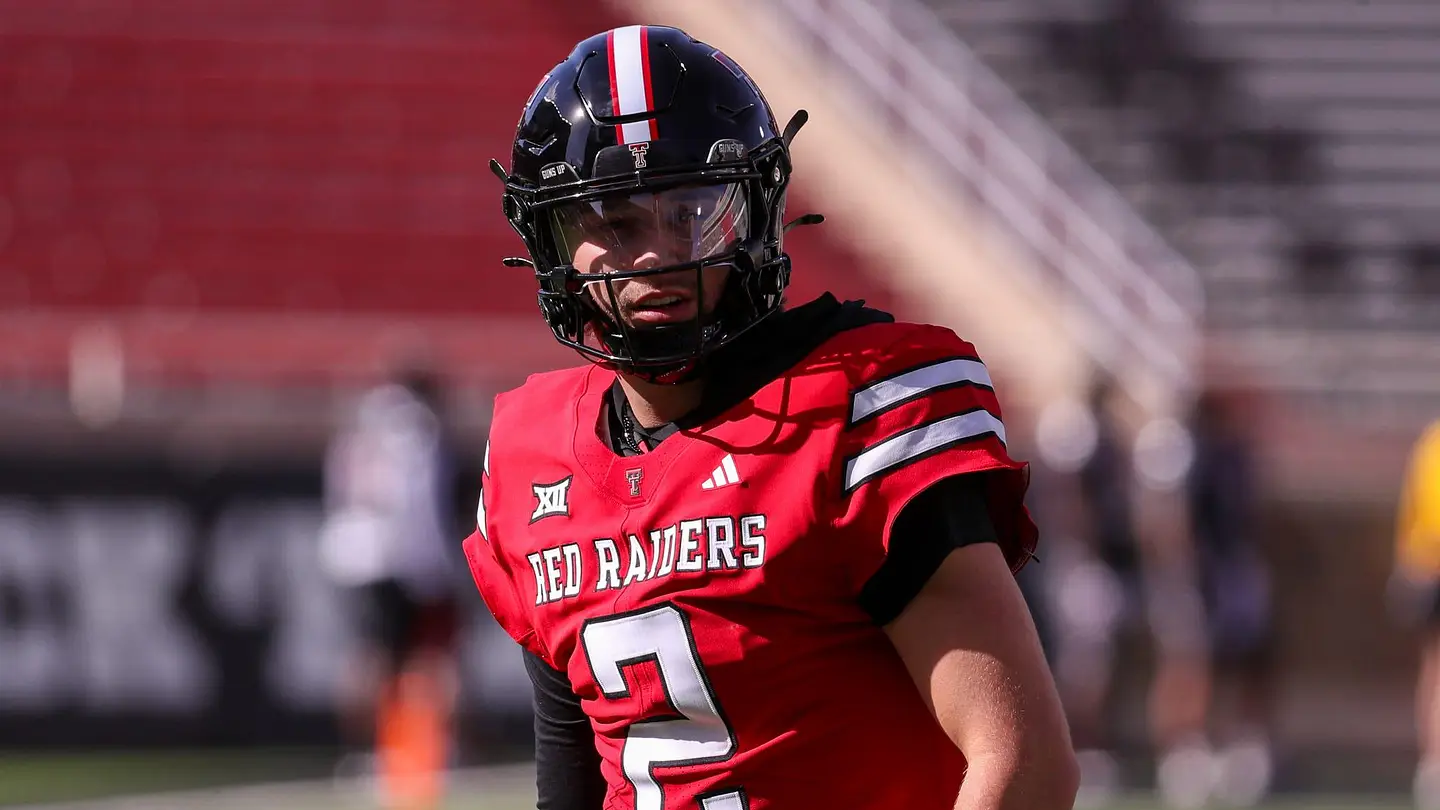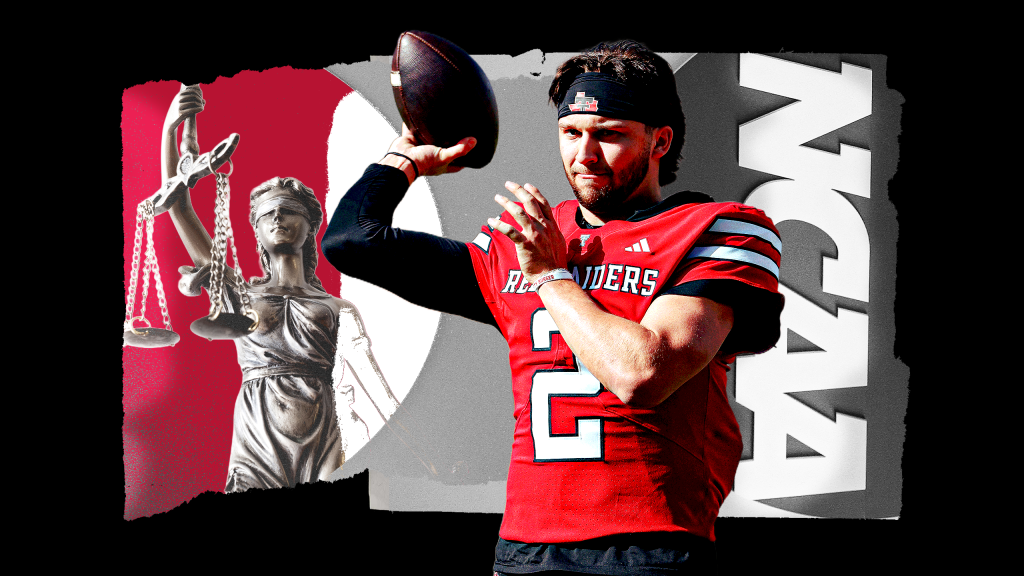
The legal saga featuring Texas Tech quarterback Brendan Sorsby has already disrupted college sports, with a judge this week ruling the 22-year-old can play despite having bet on his team—heretofore a cardinal sin in sports, and one that can lead to a permanent ban in the NCAA just like in other sports associations.
But the real fireworks in court are likely yet to come.
Sorsby, who is already a plaintiff in a lawsuit against the NCAA and a defendant in a lawsuit brought by the University of Cincinnati, could become a party or key witness in other litigation that ensnares colleges, a conference, the NCAA and even the State of Texas.
At the heart of the dispute is the ability of the NCAA, as a national member organization, to apply and enforce eligibility and gambling rules that protect the integrity of sports, the responsibilities of a conference to its members and a school’s desire to win.
As Sportico has documented, many of the legal problems facing college sports in this era stem from the unwillingness of member schools to follow their own rules, such as when they use NIL as pay-for-play. A corollary of that problem is member schools, which want to play the best players, cheering on their own athletes when they sue the NCAA to extend their eligibility past NCAA rules. Texas Tech is merely the most recent school in that category.