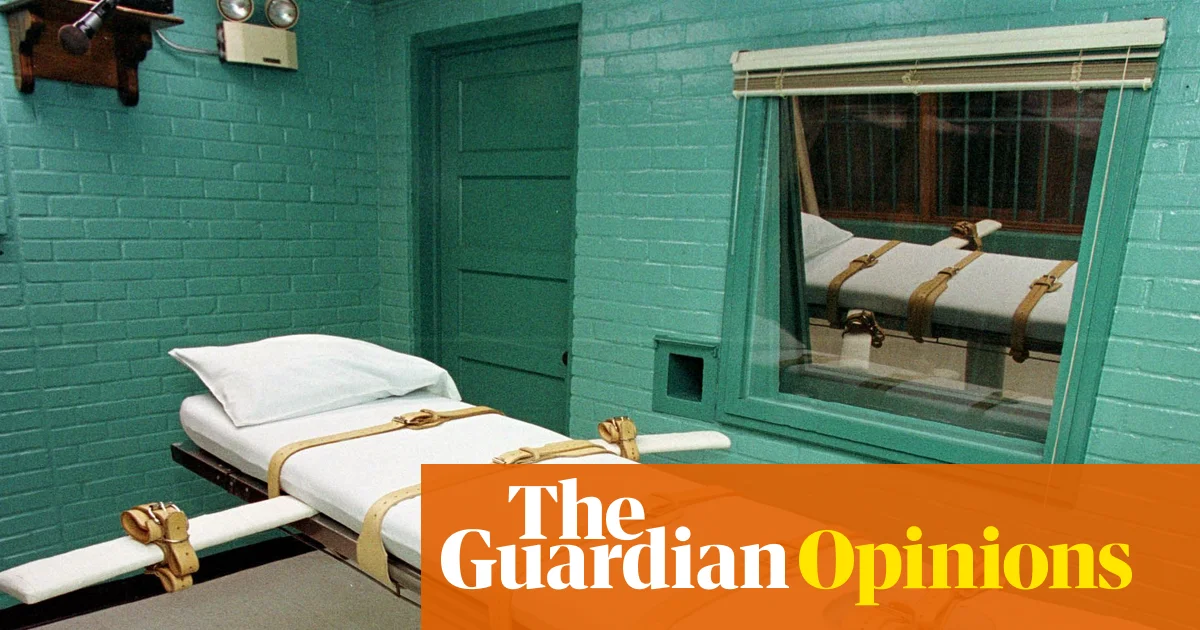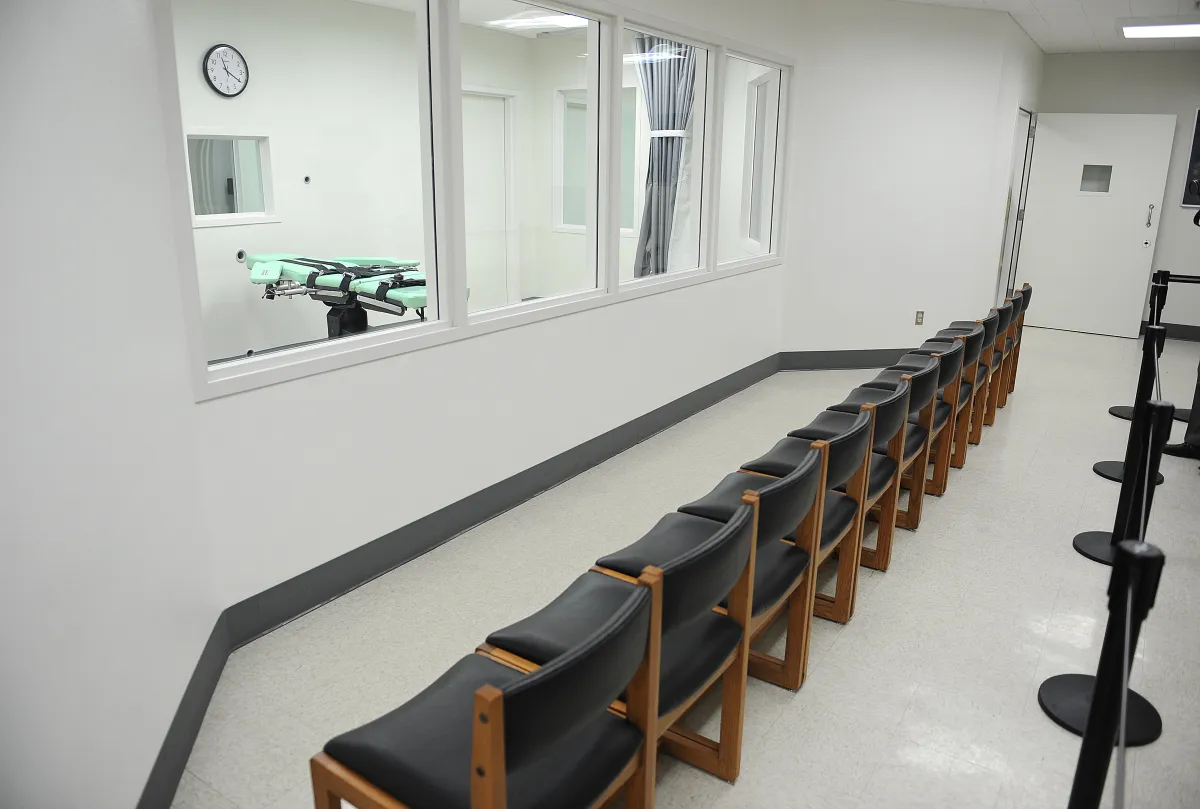
A witness area at the lethal injection chamber at California's San Quentin State Prison in 2010. Photo: Wally Skalij/Los Angeles Times via Getty Images
Jeremy Busby is a writer and activist incarcerated in Texas.
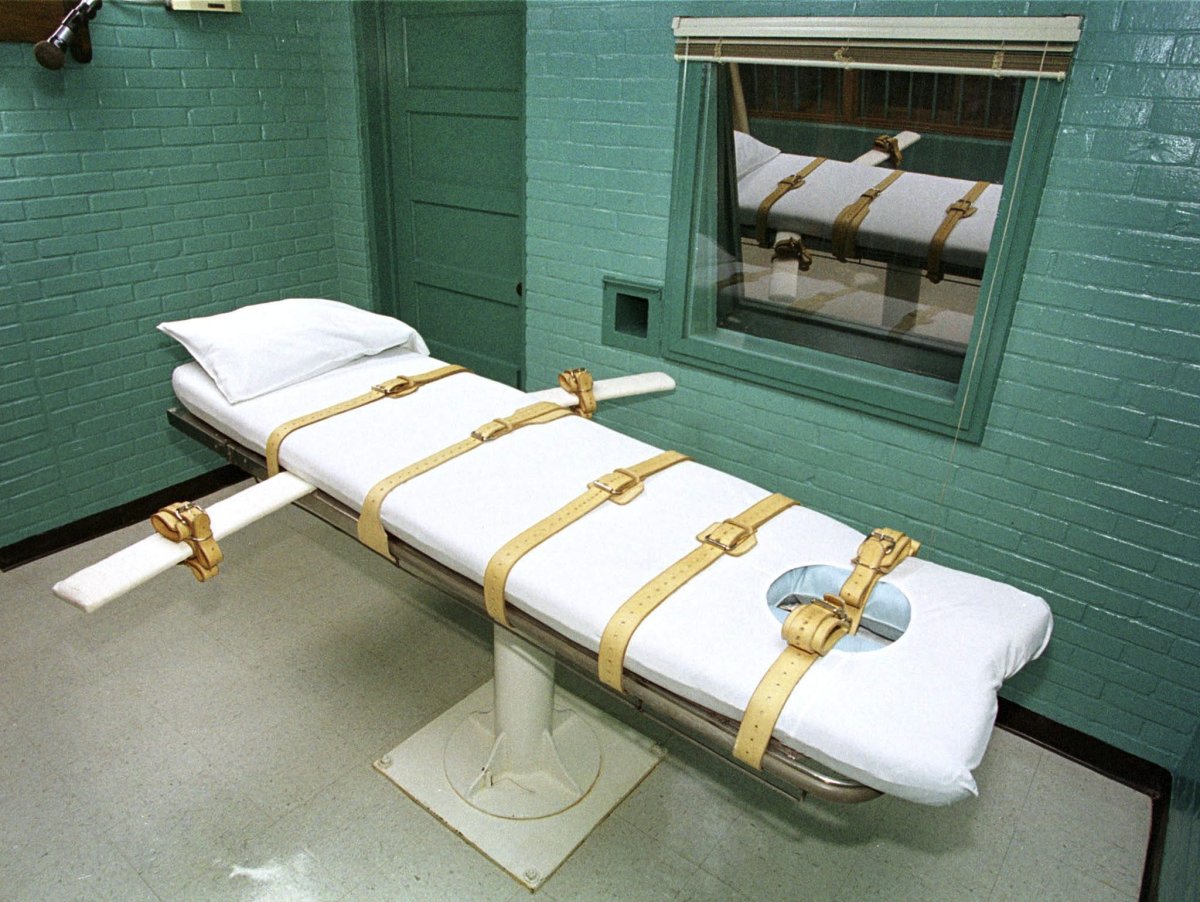
A few days before my best friend’s execution date in 2006, prison administrators granted me one last chance to see him in a legal visit. We discussed his concerns about the humaneness of the lethal injection that would kill him. I will never forget his terrified look.
The day of his execution, I paced my cell hoping for the best. Without access to a telephone, my only method to monitor if or how my friend had died was through radio reports from members of the media who were allowed to witness his final breath.
News reports have historically allowed us as a society to monitor our government when it exercises its greatest power: ending a person’s life. But the state of Indiana has decided to inhibit that public access by banning members of the media from attending executions — unless the condemned person chooses to give a reporter a spot that could instead have gone to their relatives or friends. An appellate court upheld the ban this week.