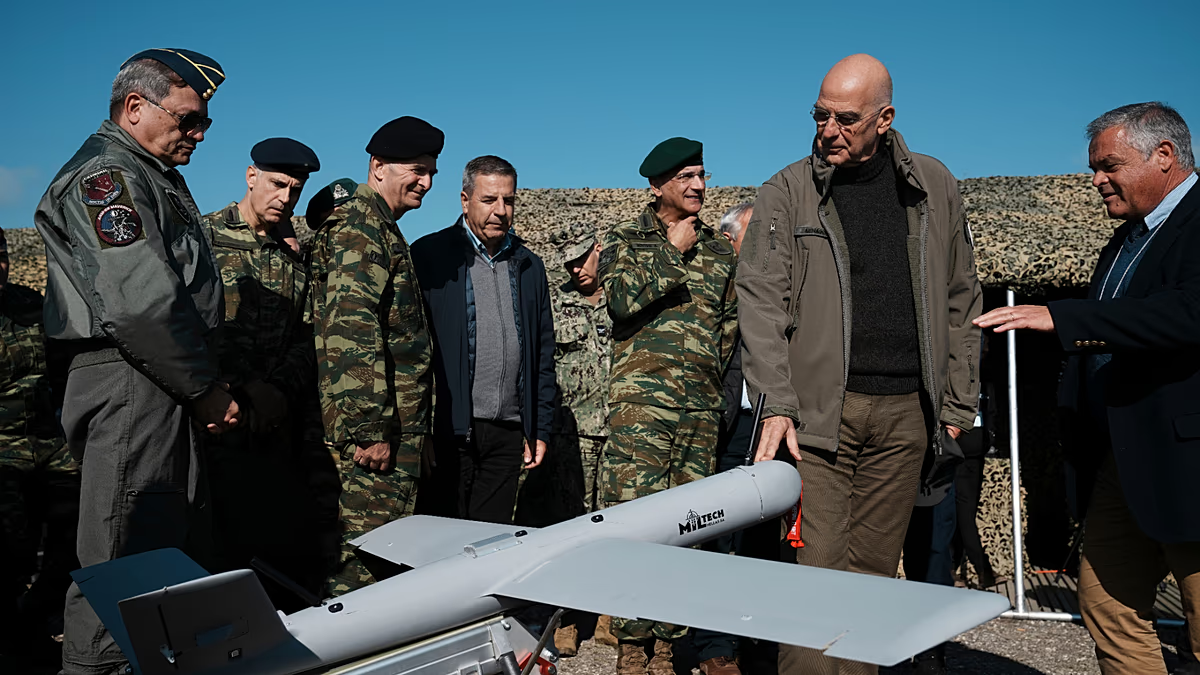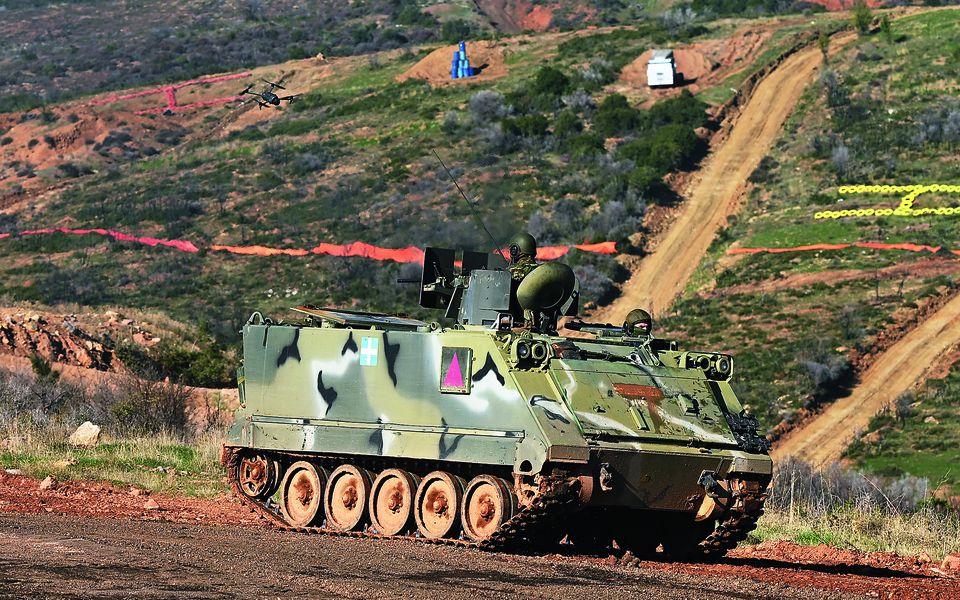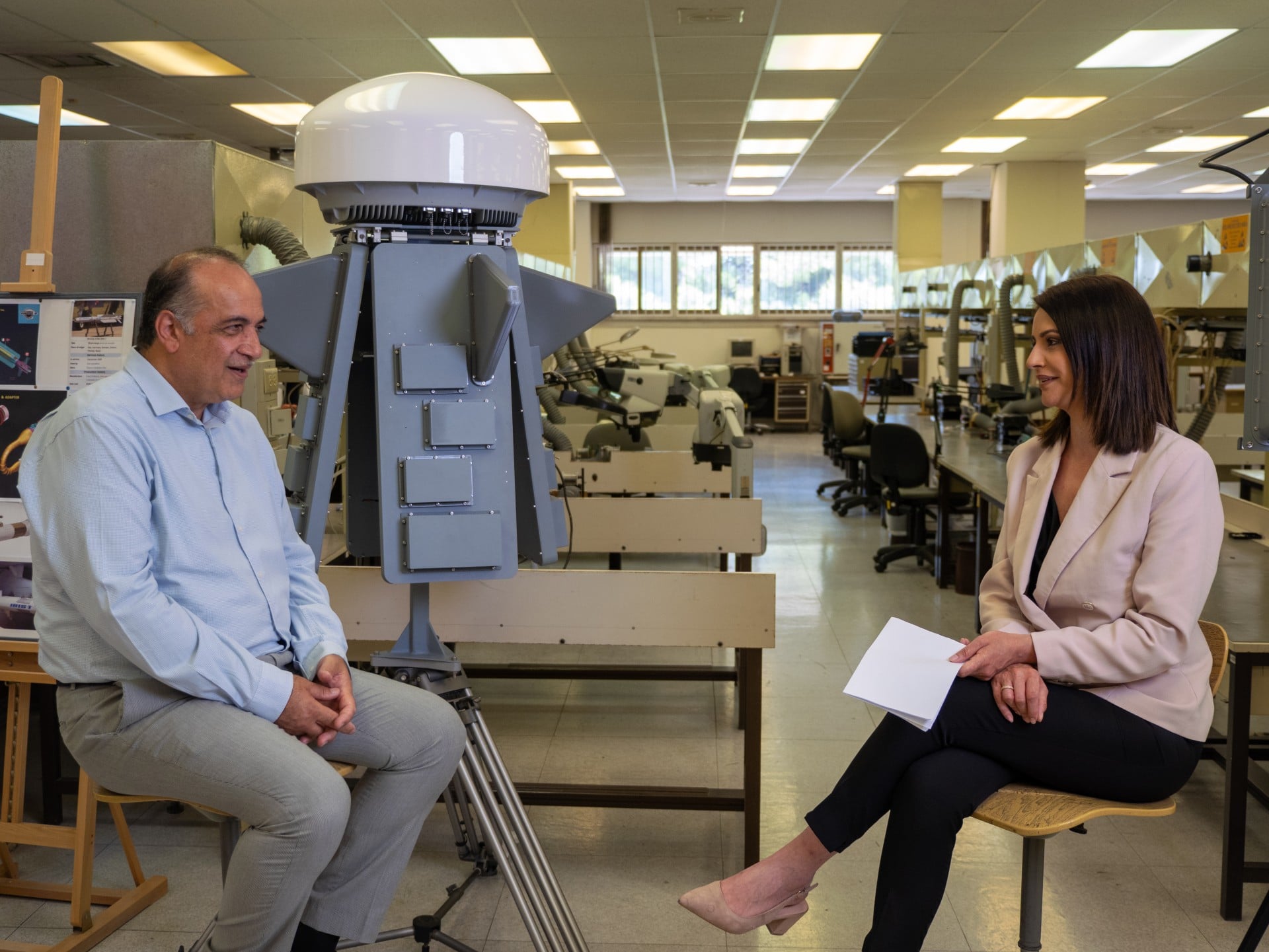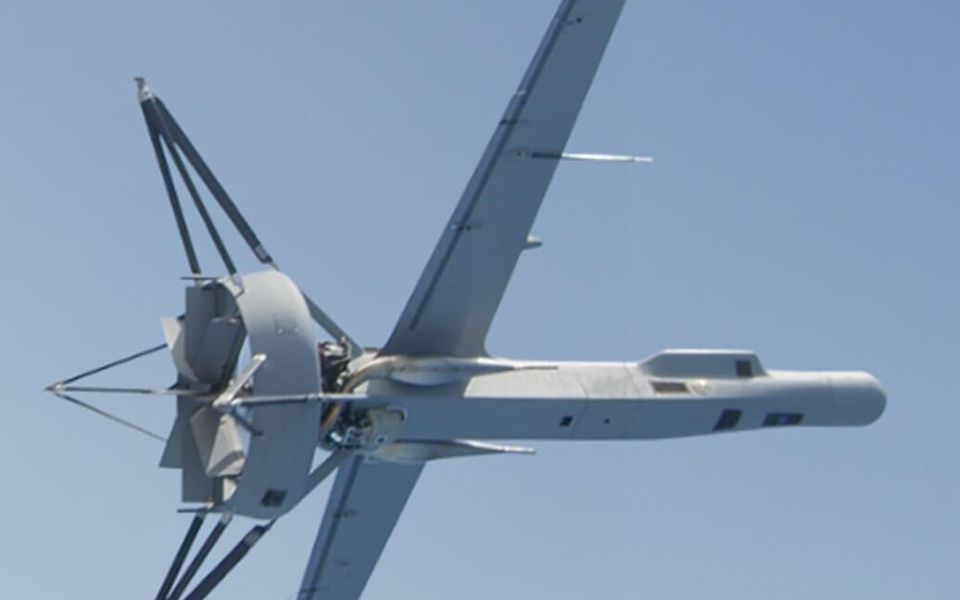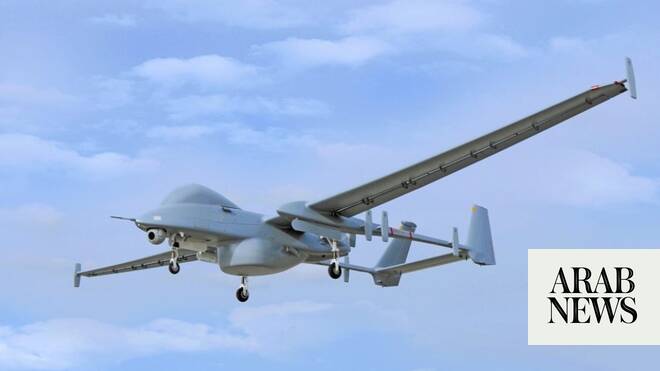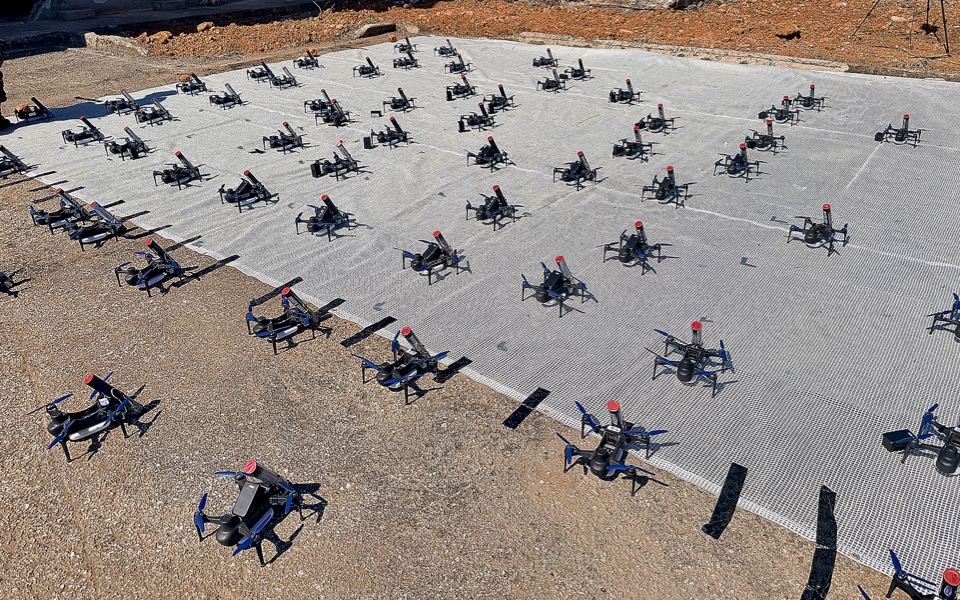
Greece’s armed forces have drawn key conclusions about the state of the country’s domestic unmanned-systems sector following the national joint exercise “Doureios Ippos (Trojan Horse) 2026,” which concluded Thursday after testing unmanned aerial vehicles, surface and underwater systems, as well as anti-drone technologies.
The exercise, designed by the Hellenic National Defense General Staff, evaluated a range of domestic innovations. It remains to be seen whether any of the systems tested will be selected for operational use or further trials by the armed forces.
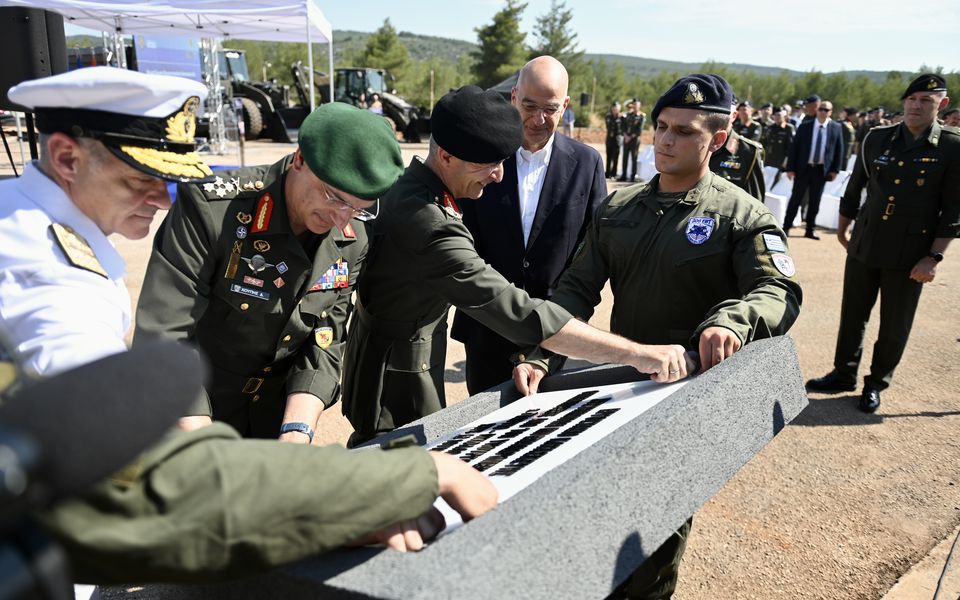
On Friday, Defense Minister Nikos Dendias laid the foundation stone for the military’s third and largest drone factory, at Malakasa.
The facility is expected to become fully operational this year after upgrades to existing infrastructure. It will produce Class I and Class II drones, while a research and development unit will focus on larger systems.
The Defense Ministry aims to increase annual production of Class I drones to at least 10,000 from 4,000 today. New schools for drone operators in the Air Force and Navy are also scheduled to open.