Is Vibe Coding Over?
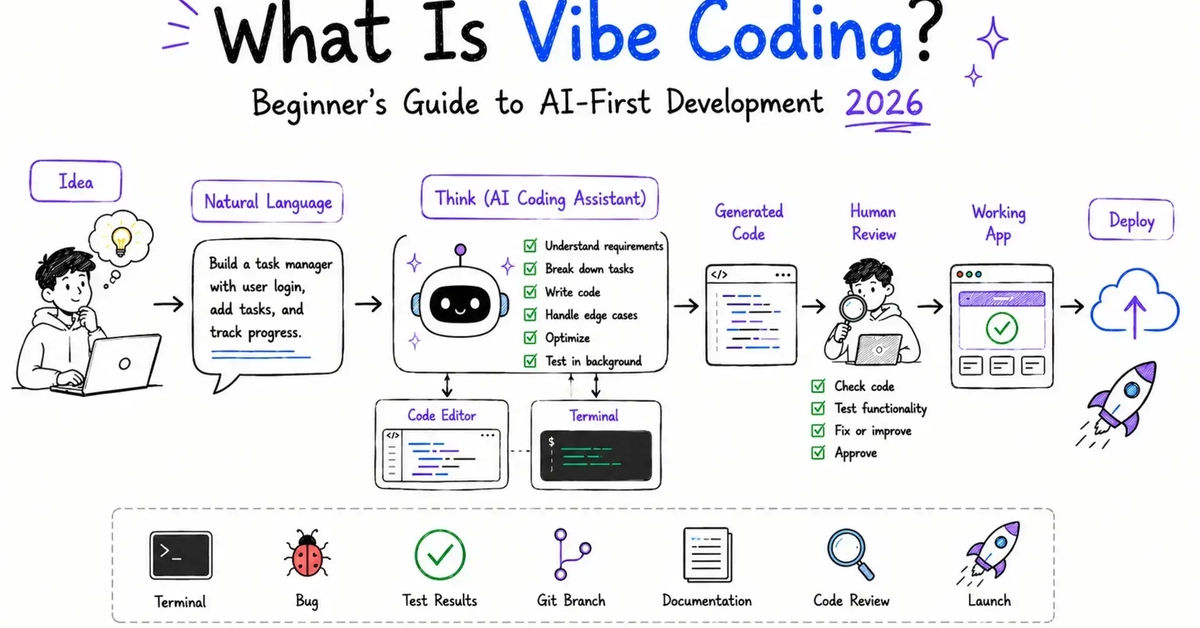
There was a term frequently heard in the software development world in recent years: "Vibe coding." This approach generally referred to a developer writing code based on their intuition, trial-and-error methods, and overall "vibe." It could be particularly effective for rapid prototyping or creative projects. However, with the dizzying advancements in artificial intelligence, I'm seeing this old-fashioned approach being replaced by a more systematic and intelligent method. Andrej Karpathy's concept of "Agentic Engineering" comes into play precisely at this point. This post will explain why vibe coding is outdated and what agentic engineering means, with concrete examples from my own experiences.
One reality I've observed in my own projects is that when developing large-scale or complex systems, it's no longer possible to proceed solely based on "vibe." Especially when AI integration is involved, a more structured approach is essential. For instance, a few months ago, I was developing a financial analysis tool to help users analyze complex market data, and I wanted to add an AI module. Initially, I tried a few different prompts with the "vibe coding" logic and reviewed the results. However, these random attempts weren't yielding the depth and reliability I desired. It was difficult to understand exactly what was working or why it wasn't.