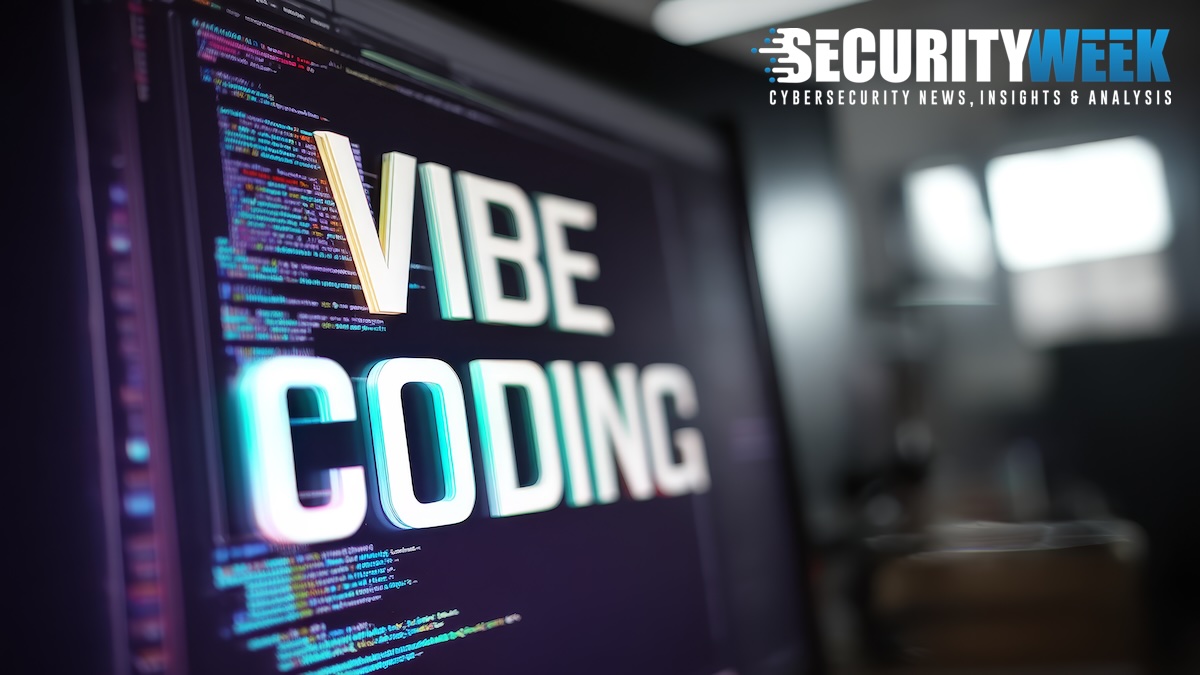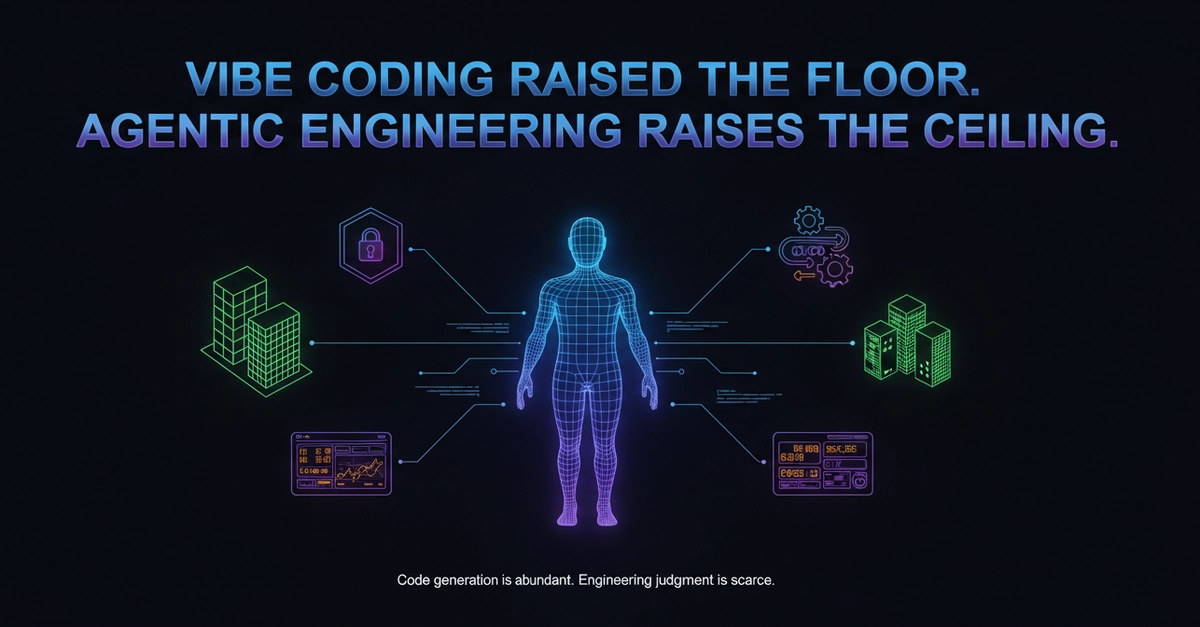
Is vibe coding dead? A year ago, most AI-heavy founders rode its wave, writing plain-English prompts and letting models do the rest. Now, with Andrej Karpathy publicly moving on and championing agentic engineering, a sharper, higher-impact approach has taken its place. This is more than hype-cycle churn — agentic engineering marks a genuine step-change in how AI builds software, and the signals are everywhere, from enterprise teams to Harvard labs. If you build with AI, understanding and adopting this shift isn’t optional; it’s table stakes for what happens next.
What is vibe coding and why did it gain popularity?
Vibe coding, popularized by Andrej Karpathy in February 2025, boils down to this: you describe what you want, in everyday English, and the AI returns code that mostly matches your intent. It’s the ChatGPT-ification of software: need a landing page? Type “Landing page for a video SaaS targeting podcasters, with features X and Y” — and get usable React or Next.js code in seconds. Prototype an MVP in a weekend. Ship iterative changes in hours, not weeks.
The core appeal was clear:
Speed: No boilerplate, no figuring out arcane API details before seeing progress.