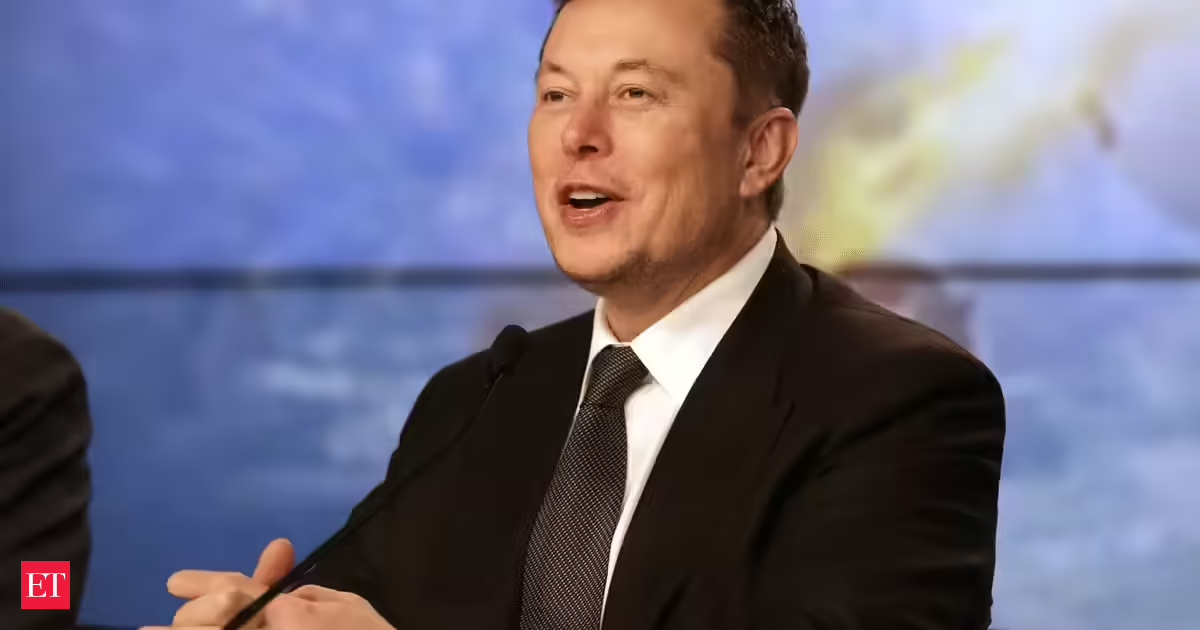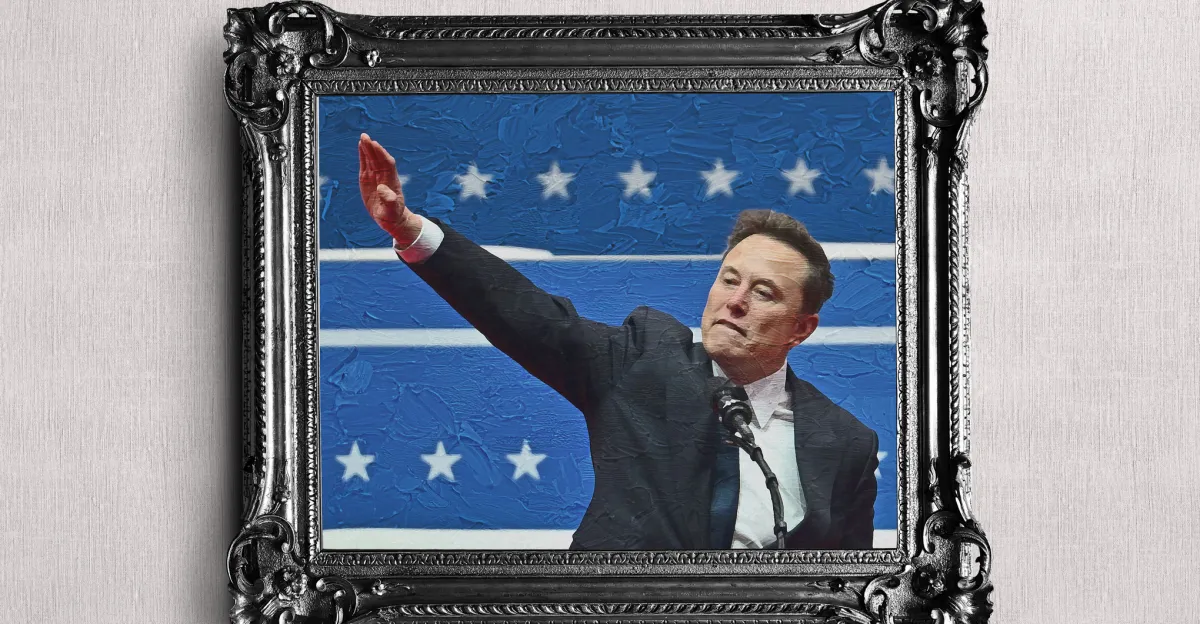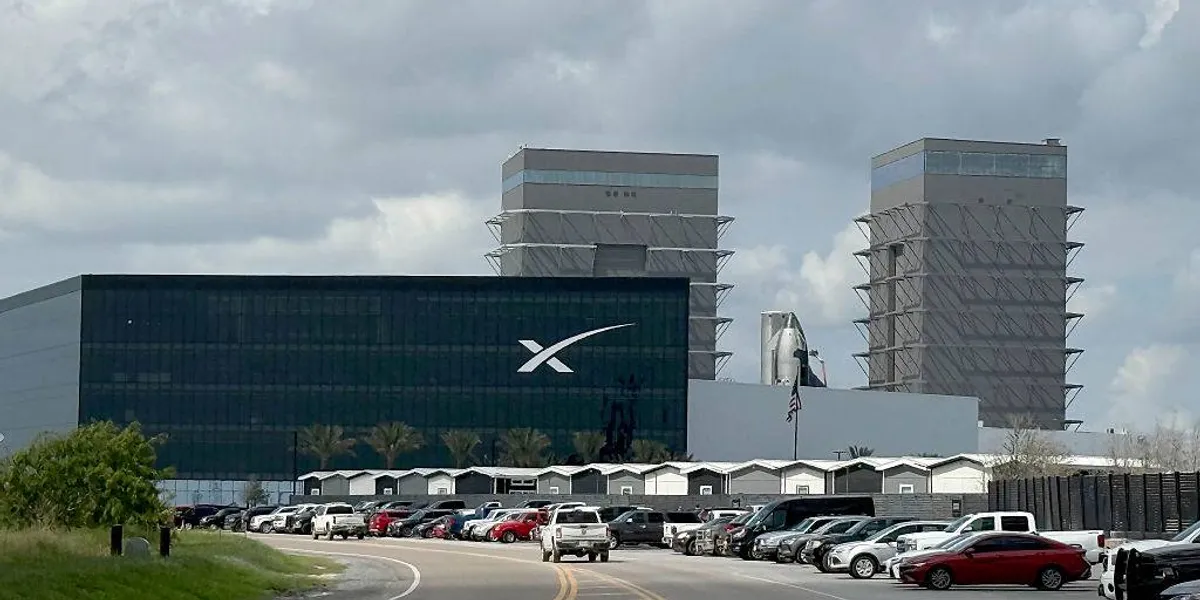
Success often makes people pay attention to what a person says long after the words were first spoken. That is exactly what is happening with Elon Musk. As the entrepreneur made history by becoming the world's first trillionaire, many social media users began revisiting some of his old comments and observations. Among them is a short but striking line that continues to resonate because of its blunt honesty about responsibility, choices and the consequences that follow.According to reports, Musk's wealth crossed the trillion-dollar mark after shares of SpaceX surged on their stock market debut. The world's richest person had already overtaken Amazon founder Jeff Bezos in January 2021, when a sharp rise in Tesla shares pushed his net worth beyond $185 billion. Years later, his financial success continues to place him under the spotlight, with even his old social media posts drawing renewed attention.One such post was a brief but memorable statement shared by Musk on X. In the tweet, he wrote that if someone buys a ticket to hell, it is not fair to blame hell.Meaning of the quote by Elon MuskAlthough only a single sentence, the remark carries a deeper message about accountability. At its core, the quote suggests that people must take ownership of the choices they willingly make. When someone knowingly enters a difficult situation, ignores warning signs or repeatedly makes poor decisions, blaming the outcome alone misses an important point. The destination may be unpleasant, but it was reached through a series of choices.— elonmusk (@elonmusk) The quote also speaks to a common human tendency. Many people are quick to point fingers at circumstances, workplaces, relationships, investments or opportunities that turned out badly. Yet Musk's observation encourages a harder question: what role did our own decisions play in creating that outcome?The line does not imply that every setback is self-inflicted. Life often presents challenges that are outside anyone's control. However, it highlights the importance of recognising the difference between unavoidable hardships and the consequences of choices we knowingly make. In that sense, the quote is less about blame and more about self-awareness.Elon Musk's quote about personal growthAnother way to interpret the statement is through the lens of personal growth. Accepting responsibility can be uncomfortable because it forces people to confront mistakes. Yet it is also the first step toward improvement. If a person understands how they arrived in an undesirable situation, they are better equipped to avoid repeating the same pattern in the future.That idea aligns with a broader theme often associated with high achievers. Whether in business, sports or personal life, success frequently comes from analysing decisions honestly rather than searching for excuses. By taking responsibility for outcomes, individuals gain the power to change future results.Musk's comment may be only a few words long, but it serves as a reminder that every decision carries consequences. The quote challenges people to look beyond the outcome itself and examine the path that led there, because accountability begins long before the destination is reached.
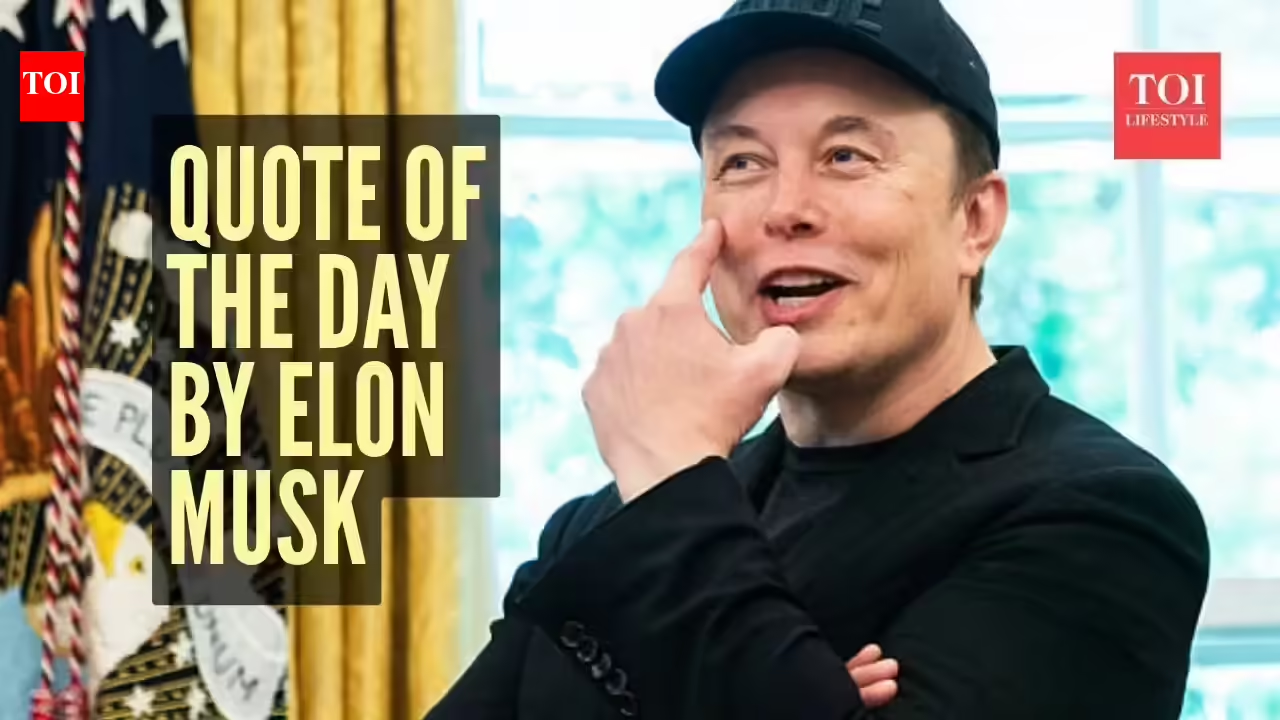
Quote of the day by trillionaire Elon Musk: 'If you buy a ticket to hell, it isn’t fair to blame hell …':A lesson on accountability and consequences
Elon Musk's quote of the day is about actions and consequences. His wealth surge brings renewed attention to his past statements. One quote highlights personal responsibility for choices. It suggests individuals should own their decisions and the resulting outcomes. This idea encourages self-awareness and is a key to personal growth and future success. Understanding how one arrives at a situation helps avoid repeating mistakes.
497 words~2 min read