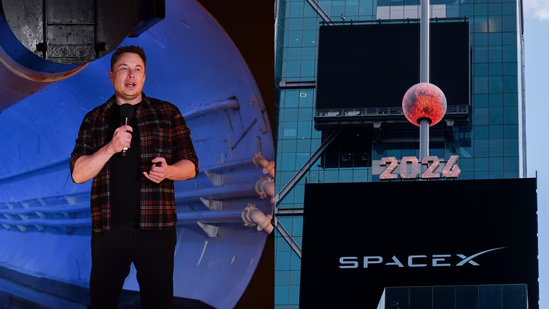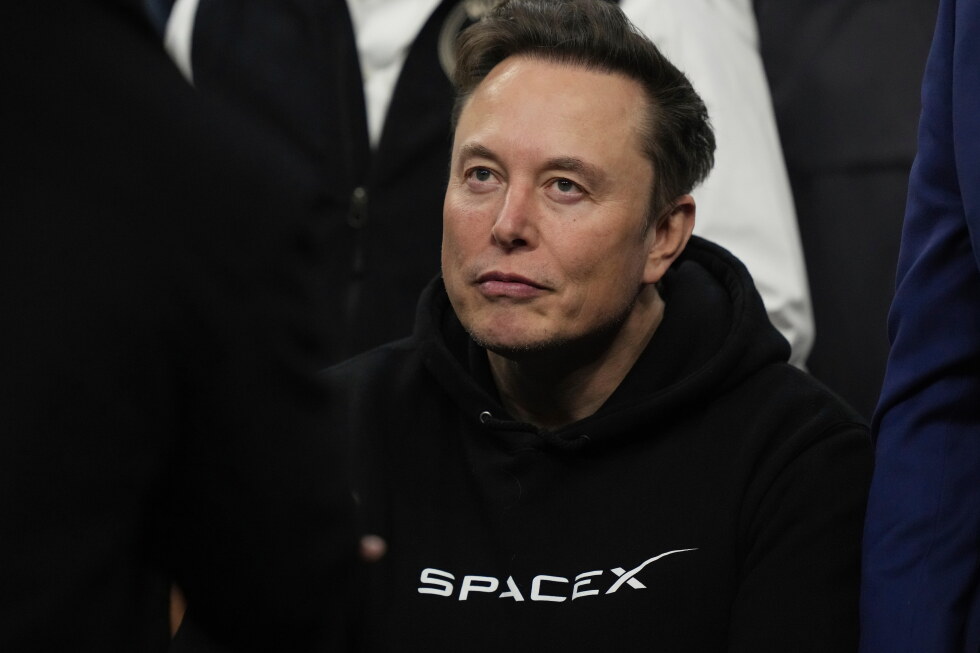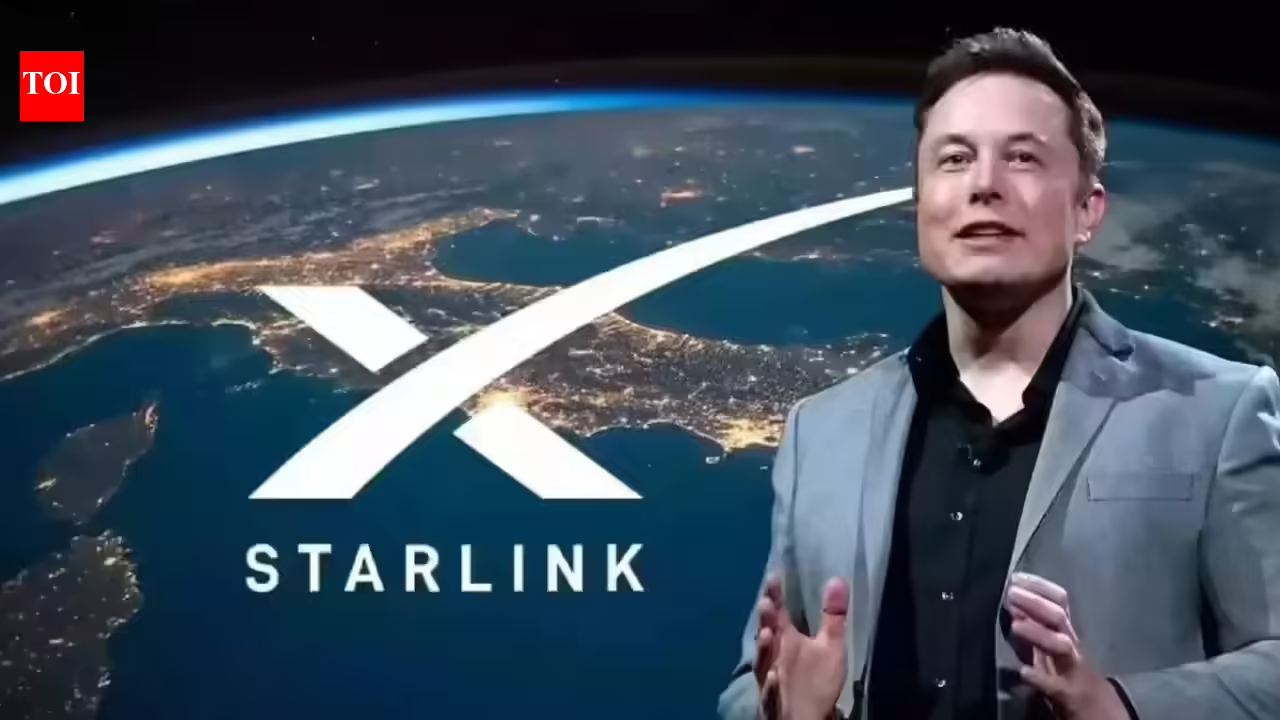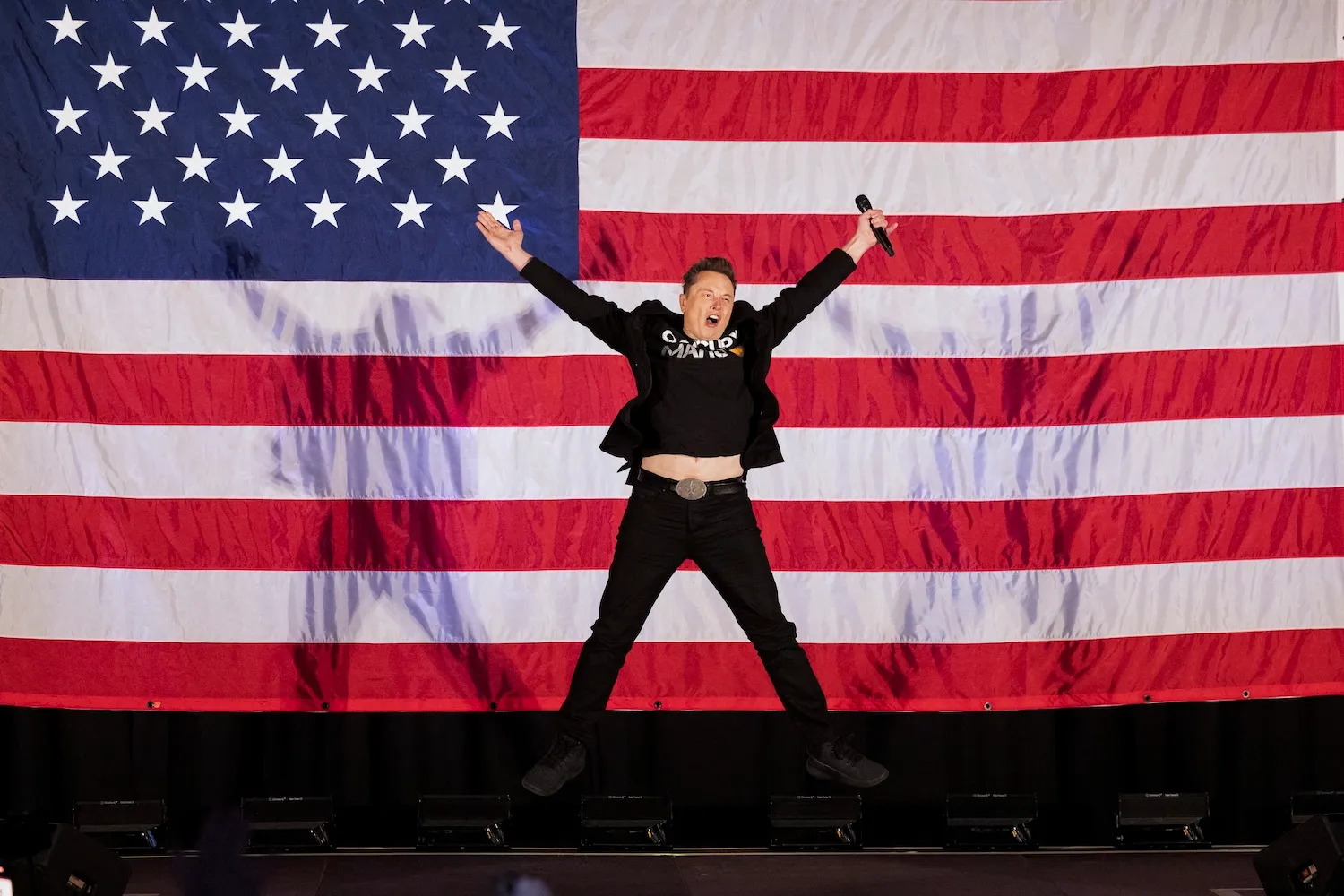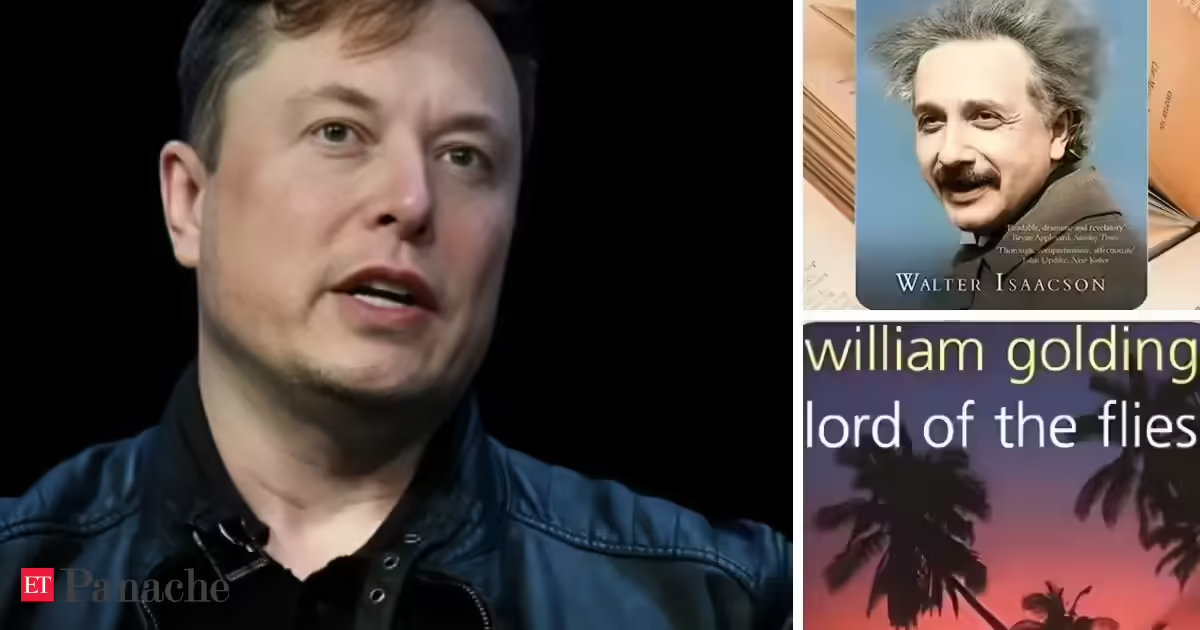
When it comes to learning about business, Elon Musk does not turn to popular management gurus or bestselling leadership books. The SpaceX and Tesla chief has long relied on reading as a source of knowledge, drawing lessons from history, science, engineering and the lives of great innovators rather than conventional business literature.Following that philosophy has helped Musk build one of the world's most valuable business empires. The entrepreneur recently became the world's first trillionaire after a blockbuster stock market debut by SpaceX sent the company's valuation soaring. Investors backed the space exploration giant despite its heavy spending, betting that its long-term investments in satellites, orbital infrastructure and artificial intelligence would drive future growth. The surge in SpaceX's value, combined with Musk's significant stake in Tesla, pushed his estimated net worth beyond the trillion-dollar mark, cementing his position as one of the most influential business leaders of the modern era.Business lesson from world's first trillionaire Elon Musk: 'Rely less on business gurus and their books and more on biographies'Business lesson from Elon Musk: What does it mean?While many entrepreneurs turn to bestselling management books and business gurus for guidance, Elon Musk has taken a different path. The SpaceX and Tesla chief, a lifelong reader whose interests range from comic books to biographies, says some of his most valuable lessons have come not from traditional business literature but from studying history and the lives of innovators.“I don’t read many general business books,” Musk said in the Foundation 20 interview. Rather than relying on a business mentor, Musk said he learned by seeking feedback from those around him and through “feedback from the historical context” — books, in other words. He gravitates toward stories of scientists, engineers and entrepreneurs who changed the world through innovation and persistence.“I like Franklin’s autobiography and a recent written biography on Franklin,” Musk said, referring to U.S. statesman and historical figure Benjamin Franklin.For business owners, Musk's approach offers an important lesson: some of the best insights do not come from business manuals but from understanding how great thinkers, inventors and leaders solved problems, navigated failures and created lasting impact. By looking beyond conventional management advice and learning from history, entrepreneurs can develop a broader perspective, make better decisions and build businesses designed for the long term.A look into Elon Musk's business empire As the world's richest person and the first individual to cross the trillion-dollar wealth mark, Elon Musk oversees a sprawling business empire that spans industries ranging from electric vehicles and artificial intelligence to space exploration, neuroscience and transportation.Over the years, many of Musk's ventures have become increasingly interconnected. Earlier this year, he combined SpaceX with artificial intelligence startup xAI, further expanding the reach of his business network. Despite this consolidation, Musk continues to serve in key leadership roles across several companies while maintaining significant ownership stakes in others.SpaceXFounded by Musk in 2002, SpaceX has evolved from a private rocket company into a diversified technology giant. In addition to its launch business, the company operates satellite internet service Starlink, which has emerged as a major revenue generator. SpaceX also houses X, the social media platform formerly known as Twitter, and xAI, the company behind the Grok chatbot.Although some of these businesses continue to invest heavily and operate at a loss, investor enthusiasm surrounding their long-term potential helped fuel SpaceX's blockbuster stock market debut. The company is betting on ambitious projects including advanced AI systems, space-based infrastructure and future missions aimed at making human life multiplanetary.TeslaMusk has led Tesla since 2008, transforming it into one of the world's most valuable automakers and a pioneer in electric mobility.While Tesla faces growing competition in the global EV market, particularly from Chinese manufacturers, Musk has consistently positioned the company as more than just a carmaker. Its future strategy revolves around autonomous driving technology, robotaxis and robotics. Tesla has also expanded into renewable energy through its solar and energy storage businesses, broadening its presence beyond transportation.NeuralinkNeuralink, co-founded by Musk in 2016, focuses on developing brain-computer interface technology designed to connect the human brain with machines.The company is conducting clinical trials involving patients with spinal cord injuries and neurological disorders. Its long-term goal is to enable direct communication between humans and computers, potentially opening new possibilities in healthcare and assistive technologies.The Boring CompanyLaunched in 2016, The Boring Company aims to reduce urban congestion through underground transportation networks.Its best-known project is the Vegas Loop, a tunnel-based transit system operating beneath Las Vegas. The company continues to explore opportunities in other cities while promoting high-speed underground travel as an alternative to traditional transport infrastructure.PayPal and Early VenturesBefore building his current empire, Musk made his fortune through a series of successful startups. He co-founded Zip2, a city-guide software company, before launching X.com, an online financial services platform that later became PayPal.The sale of PayPal provided Musk with the capital needed to pursue larger ambitions, including founding SpaceX and becoming an early investor in Tesla. Those ventures would eventually form the foundation of one of the most influential business empires in modern history.
Business lesson from world's first trillionaire Elon Musk: 'Rely less on business gurus and their books and more on biographies' What business owners can learn from world's richest man's success mindset
Elon Musk, the world's first trillionaire, eschews traditional business gurus, drawing wisdom from history and biographies of innovators. His approach, exemplified by SpaceX and Tesla, emphasizes long-term vision and persistence. This strategy has fueled his vast business empire, spanning electric vehicles, space exploration, and AI, demonstrating the power of learning from historical figures and unconventional sources.
836 words~4 min read