The most useful AI news this week is not another chatbot leaderboard. It is the signal that healthcare AI is moving toward models built around real clinical work, not generic demos dressed up with medical vocabulary.
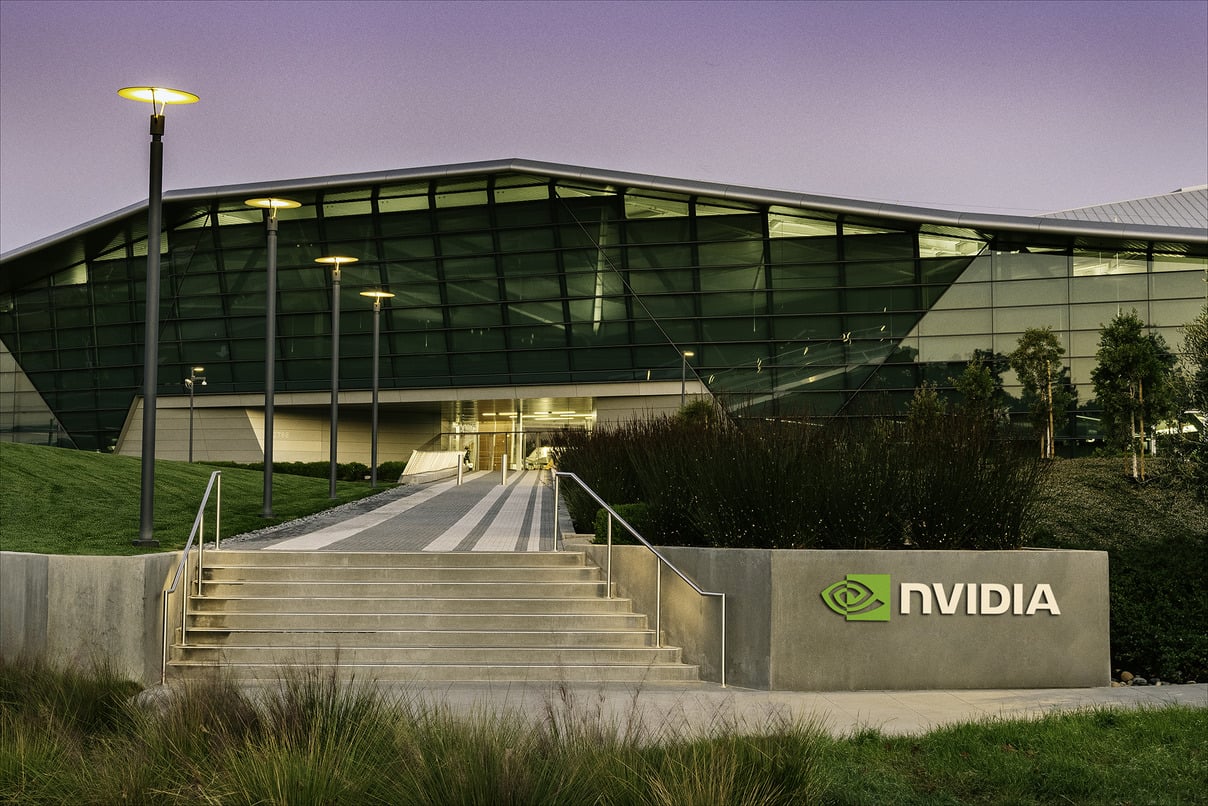
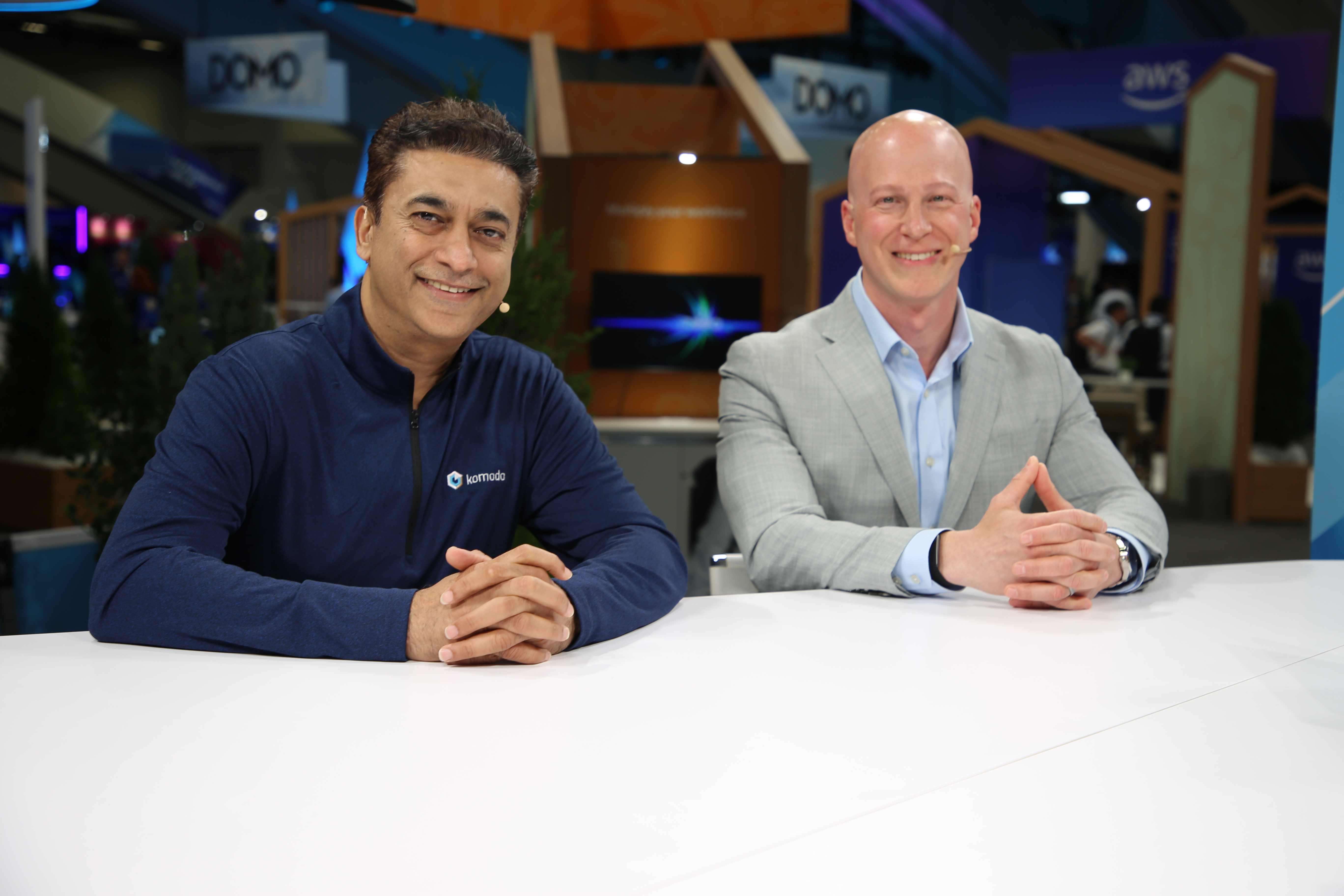
Reports from the last 48 hours say Nvidia and Abridge are working on a healthcare-specific AI model, with coverage also noting Abridge's broader expansion around clinical documentation and partnerships. That matters because healthcare is exactly where generic AI starts to show its limits: the language is specialized, the workflow is messy, and the cost of being confidently wrong is high.
For builders, the lesson is bigger than healthcare. The next durable AI products will not win only by calling the strongest foundation model. They will win by packaging domain context, workflow constraints, privacy expectations, evaluation, and human review into a product that professionals can actually trust.
Why a healthcare-specific model matters
Clinical notes are not normal text. They mix shorthand, patient history, medications, billing requirements, care plans, follow-up instructions, and institutional habits. A general model can summarize a conversation, but a useful clinical system has to understand what should be captured, what should be omitted, what needs clinician confirmation, and how the output fits into existing systems.