AI in healthcare improves patient outcomes through medical imaging, clinical documentation, and drug discovery. Learn applications, risks, and AI Act rules.
by Databricks Staff
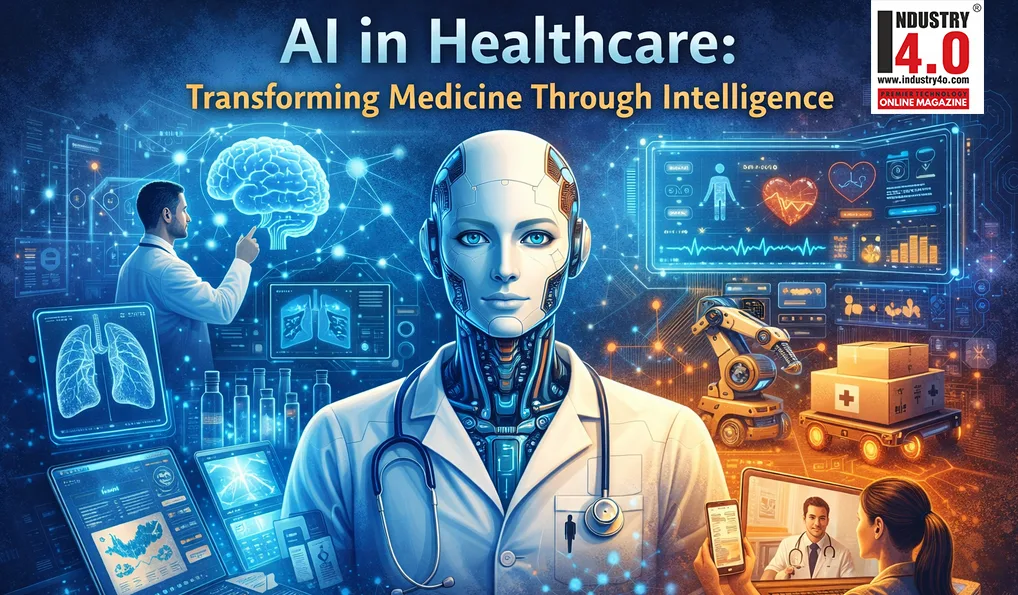
AI in healthcare refers to the application of artificial intelligence, including machine learning, deep learning, and generative AI, to clinical, administrative, and research workflows across healthcare systems. Healthcare AI systems ingest patient data, electronic health records, medical imaging, and clinical documentation to support diagnosis, treatment planning, and operational efficiency. This guide is written for healthcare professionals, health IT leaders, and clinical informatics teams evaluating AI solutions, prioritizing clinical use cases, data practices, and regulatory obligations over vendor comparisons.
Healthcare AI has a longer history than most clinical teams assume. AI began integrating into healthcare in the 1970s, when early rule-based expert systems attempted to replicate physician decision-making for narrow diagnostic tasks. Modern AI models bear little resemblance to those early systems, but the core objective remains the same: using patterns in data to support, not replace, clinical judgment. The sections below cover where AI tools are used today, how organizations manage the training data that powers them, and what regulatory frameworks govern clinical use.