Trusted healthcare AI hinges on data foundations, not models alone
Healthcare AI is moving out of the pilot phase and into production environments, where the gap between a compelling demo and a clinically trustworthy output has never been more consequential.
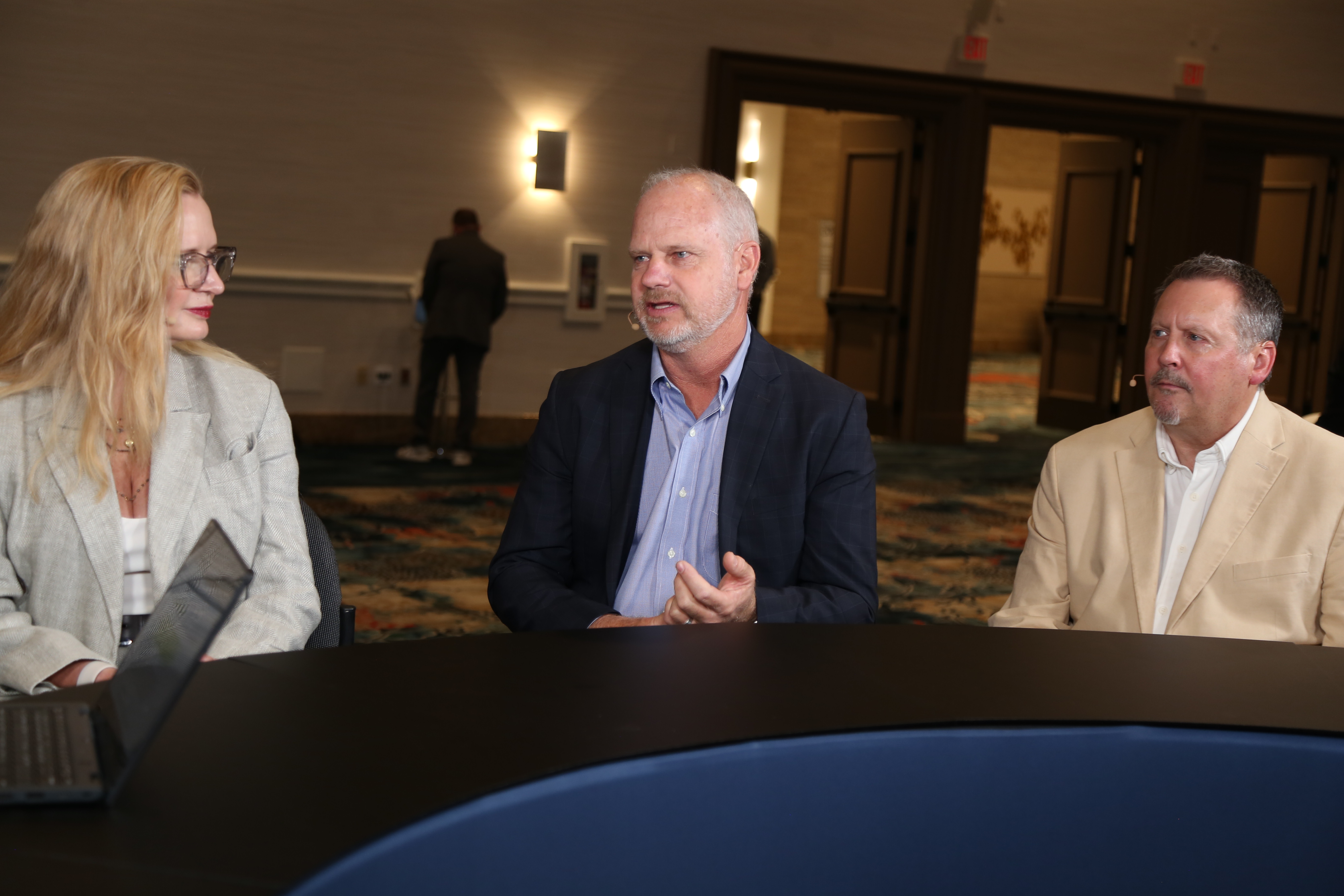
As AI agents take center stage, the healthcare and life sciences industry faces a defining question: How do you build AI that practitioners can actually trust? The answer, increasingly, begins with data — not models, according to Jesse Cugliotta (pictured, right), vice president, global head of healthcare and life sciences at Snowflake Inc. From fragmented patient records and fax-era workflows to the promise of AI-summarized charts, the industry’s most stubborn problems are structural, he explained, and solving them requires a data foundation built long before a model is ever trained.
“The average patient chart is 46,000 words,” Cugliotta said. “That’s the length of Fahrenheit 451. If you’re walking into an emergency room and the physician has 27 other patients, they’re not reading through your entire chart history, even if they could get access to it. The ability to leverage AI … is to provide a more complete picture, to understand what is the most accurate way to work up this particular patient … that really has a critical impact not just on the caregiver’s day-to-day experience, but on the patient outcome as well.”