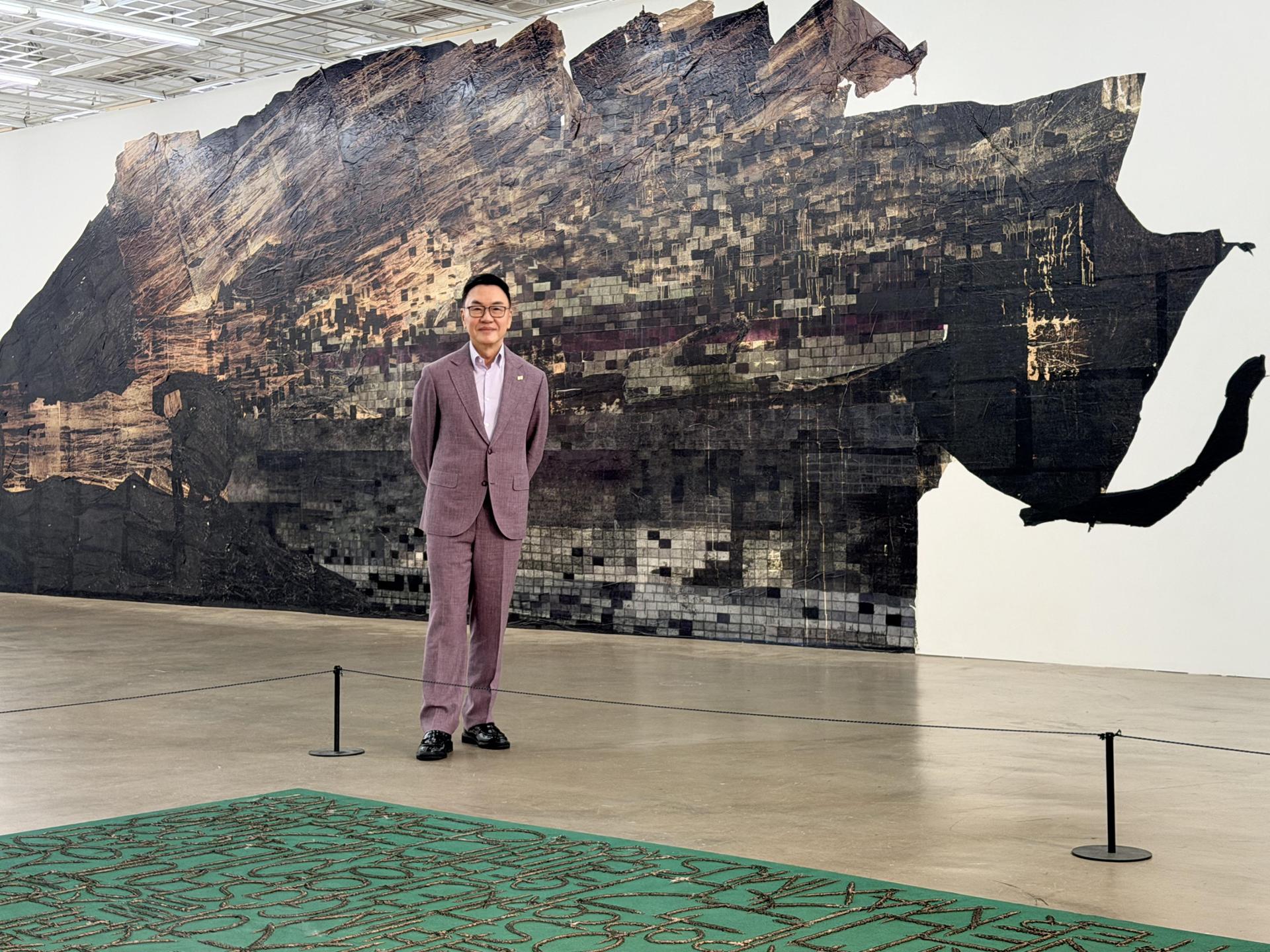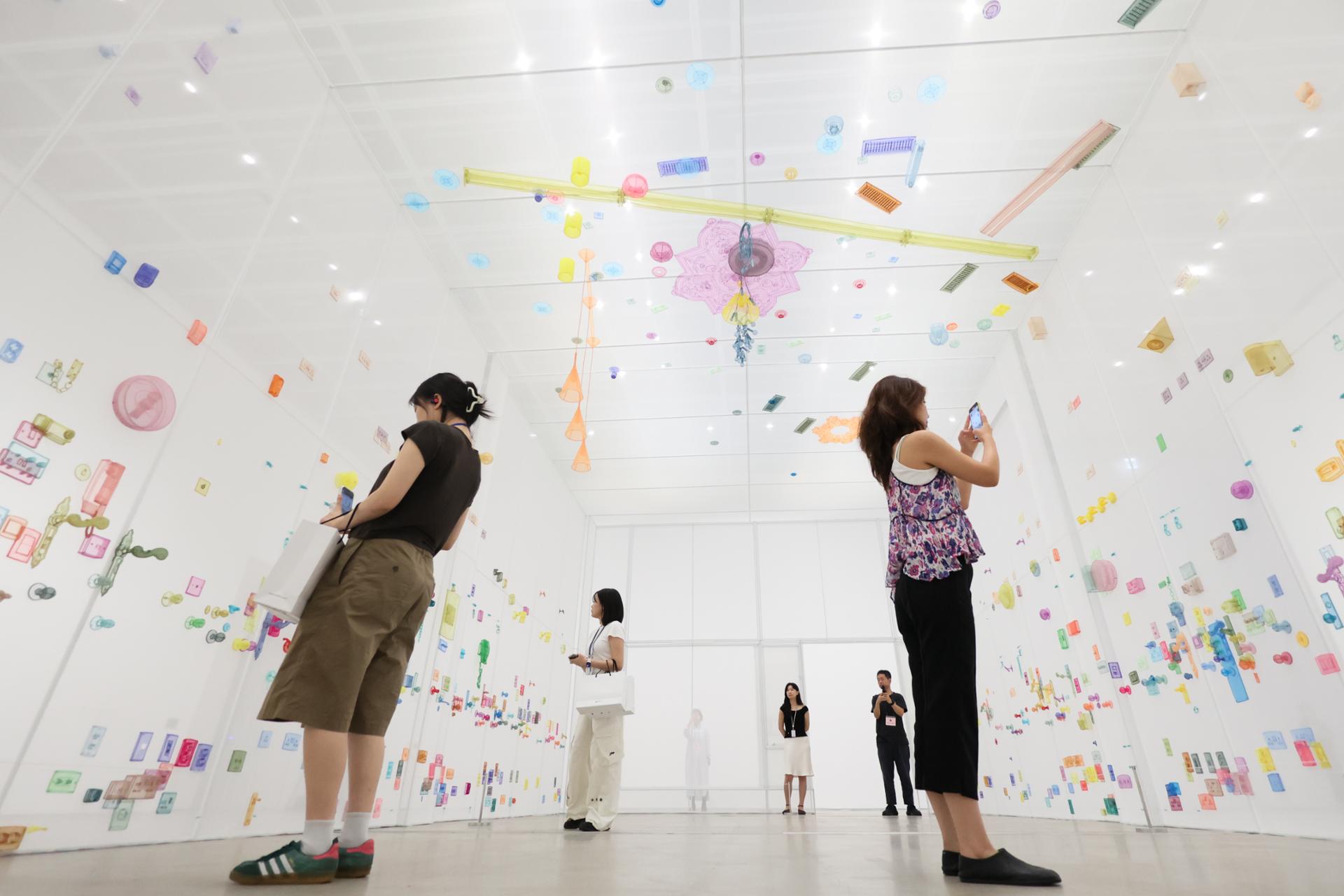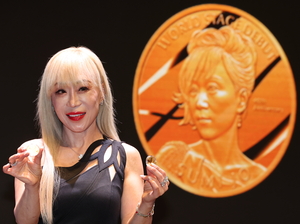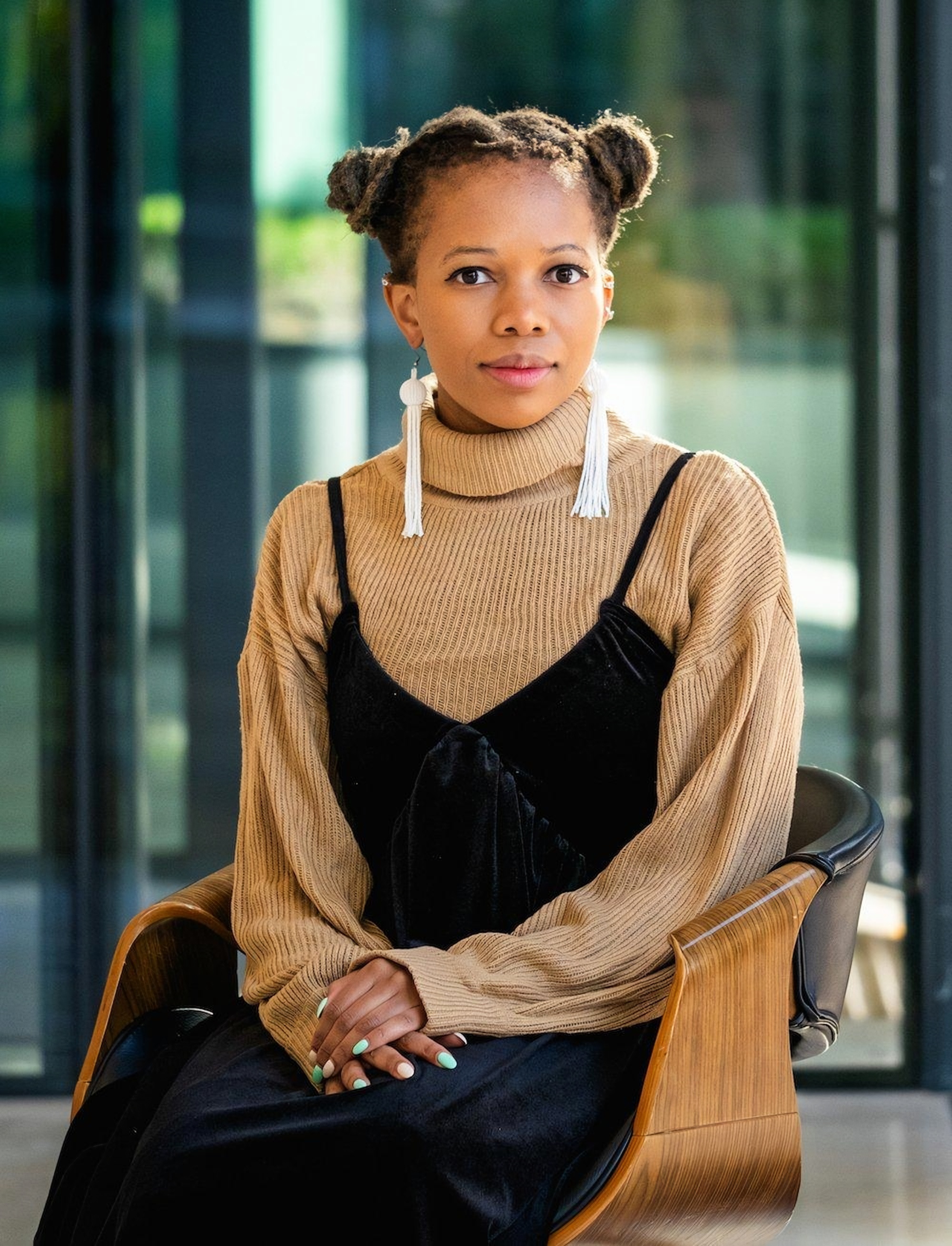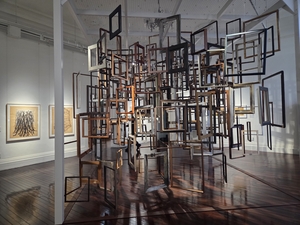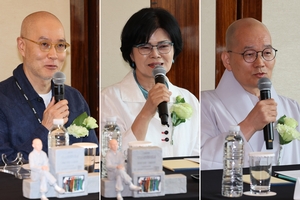
Sijo poet Jeong Soo-ja and the Cultural Corps of Korean Buddhism also honored at the third Musan Cultural Awards From left, installation artist Suh Do-ho, sijo poet Jeong Soo-ja and head of the Cultural Corps of Korean Buddhism the Ven. Ilhwa attend a press conference ahead of the Musan Cultural Awards ceremony at the Westin Josun Seoul on Tuesday. (Yonhap) Living abroad made installation artist Suh Do-ho think more deeply about the meaning of home, the internationally acclaimed artist said Tuesday as he received the arts award at the third Musan Cultural Awards."When I lived in Seoul, I didn't think much about it because it was simply there. It was only after leaving that I became much more aware of what home means," Suh said at a press conference ahead of the ceremony.Based in New York, London and Seoul, Suh has long explored themes of home, migration, diaspora, identity, memory and community, expanding his multidisciplinary practice through broader philosophical and artistic inquiry.Suh, who staged a major solo exhibition at London's Tate Modern last year, is set to open a large-scale retrospective at the National Museum of Modern and Contemporary Art, Korea, in Seoul in August. The exhibition will span his career, from early works to major installations and ongoing projects, offering a comprehensive look at the conceptual foundations and evolution of his practice.Suh said receiving the award brought both gratitude and a renewed sense of responsibility."I've always thought of myself as a somewhat reclusive artist," Suh said. "I'm grateful that the works I have quietly presented over the years have been recognized."The Musan Cultural Awards were established to honor the life and legacy of the late poet and Buddhist monk Cho Oh-hyun, better known by his pen name Musan. Each award carries a prize of 100 million won ($65,500).Suh received the award in the arts category. At the same ceremony, sijo poet Jeong Soo-ja was honored in the literature category, and the Cultural Corps of Korean Buddhism received the award in the social and cultural category.Receiving the literature award, Jeong said the honor served as another "jukbi" — the bamboo stick traditionally used by Buddhist masters to awaken disciples."I have long reflected on how to expand the possibilities of sijo, an ancient poetic form," Jeong said. "Receiving this award feels like another wake-up call."Sijo is a traditional Korean poetic form, typically composed of three lines, that emerged during the Goryeo Kingdom (918-1392) and flourished during the Joseon era (1392-1910).Jeong emphasized the value of restraint embodied in the poetic form."The essence of poetry is restraint. At a time when greed and excess are fueling violence around the world, I hope the aesthetics of restraint found in sijo can encourage reflection on excess and contribute to a world where people coexist."The Ven. Ilhwa, head of the Cultural Corps of Korean Buddhism, received the award in the social and cultural category. Founded in 2004, the organization promotes Korean Buddhist culture through programs such as temple stays and temple cuisine.Ilhwa said the growing global popularity of temple stays and Korean temple food has been made possible by 1,700 years of Korean Buddhist heritage and the dedication of the Buddhist community.He said the organization plans to expand the number of temples offering temple stay programs so that more people can experience rest and healing, while continuing long-term efforts with overseas culinary institutions to seek UNESCO recognition for Korean temple cuisine as an item of intangible cultural heritage.
Installation artist Suh Do-ho says living abroad deepened his sense of home
Living abroad made installation artist Suh Do-ho think more deeply about the meaning of home, the internationally acclaimed artist said Tuesday as he received t
TL;DRAI
Questo articolo non è rilevante per Warptech Tech News. Non contiene alcun elemento tech, AI, business o mercato IT — parla esclusivamente di arti visive, poesia tradizionale coreana e organizzazioni culturali buddhiste. Non dovrebbe essere in pipeline di estrazione per la testata. Se necessario classificarlo per filtro: **Categoria mancata — Arts & Culture**, non pertinente al focus tech/manager/CTO/AI della testata.
573 words~3 min read