Many people still insure based on what something cost yesterday, while claims are settled at what it costs today. That gap is becoming expensive, says the writer.
IF YOU grew up in a South African household, you probably heard phrases like: “We’ll deal with it when the time comes” or “Nothing will happen to us". For many families and businesses, insurance often lived in that category, being important, but postponed.
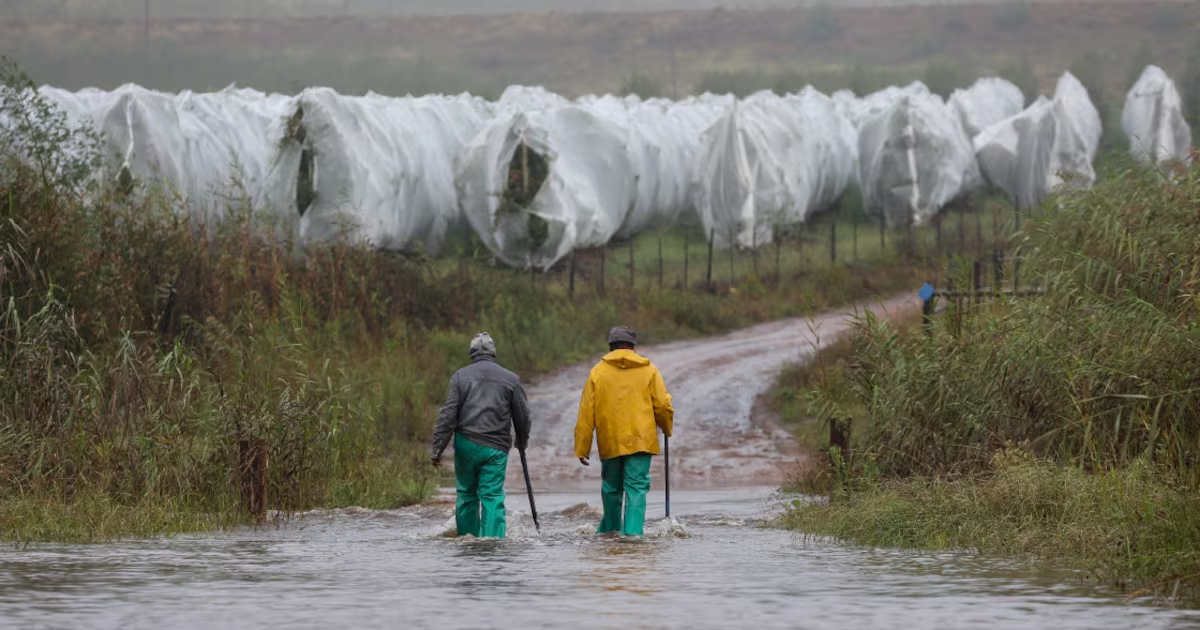
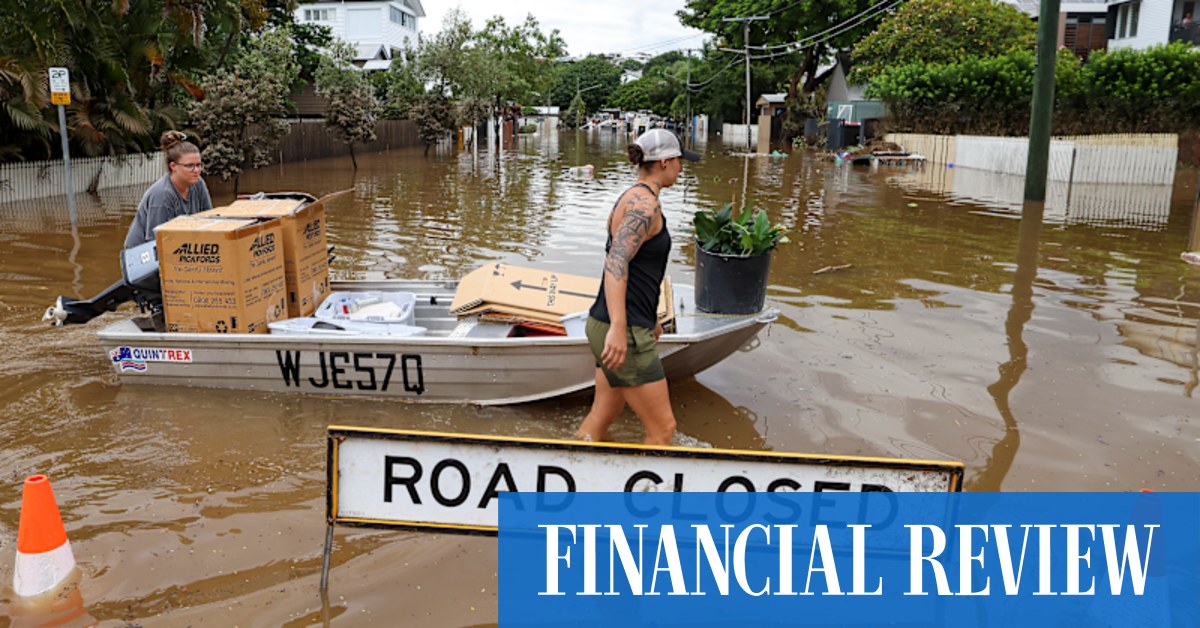
Wars that once seemed geographically distant now influence what South Africans pay for fuel, food, imported goods and transport. Global conflicts disrupt supply chains. Shipping routes become expensive. Exchange rates fluctuate. Electricity infrastructure remains under pressure. Climate events increase in severity.
In this environment, the question is no longer whether you can afford insurance. The question is whether you can afford not to have it. A conflict thousands of kilometres away now affects the price of bread in Durban, vehicle parts in Johannesburg, and building materials in Cape Town.
When shipping costs rise, repair costs rise. When inflation rises, replacement costs rise. When replacement costs rise, underinsurance becomes dangerous.