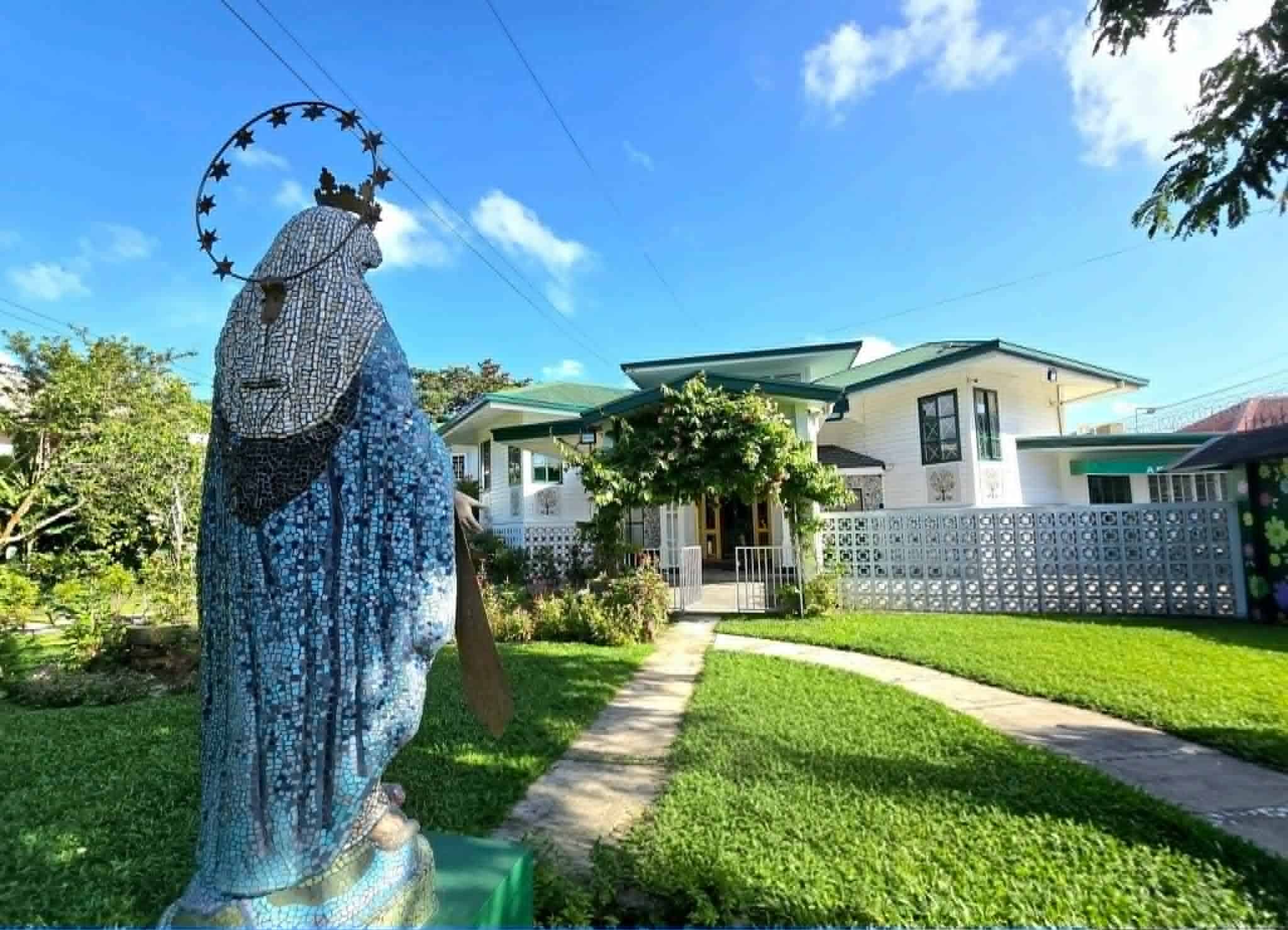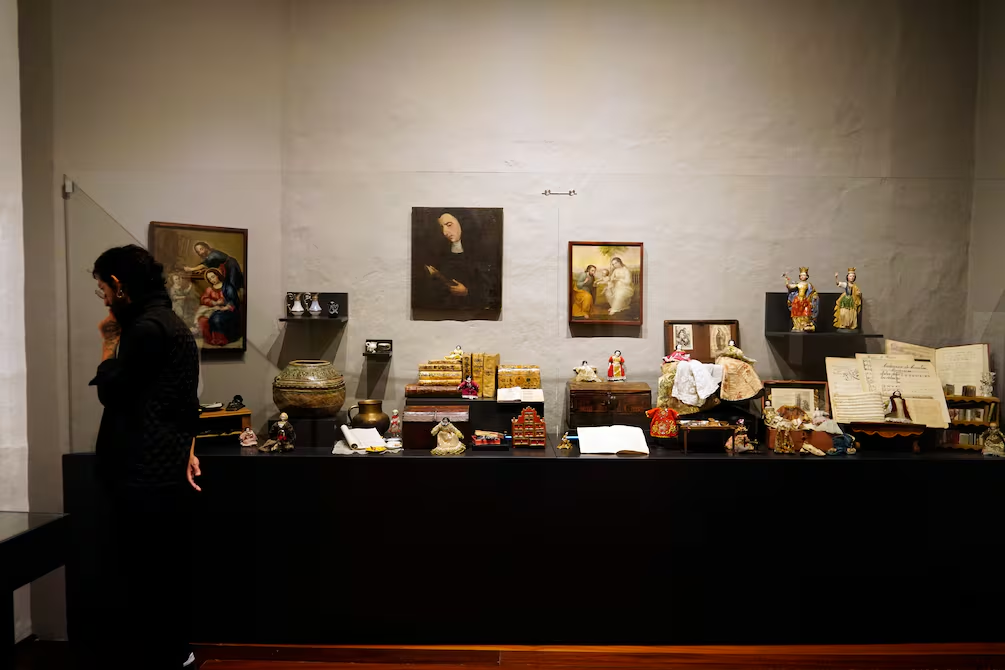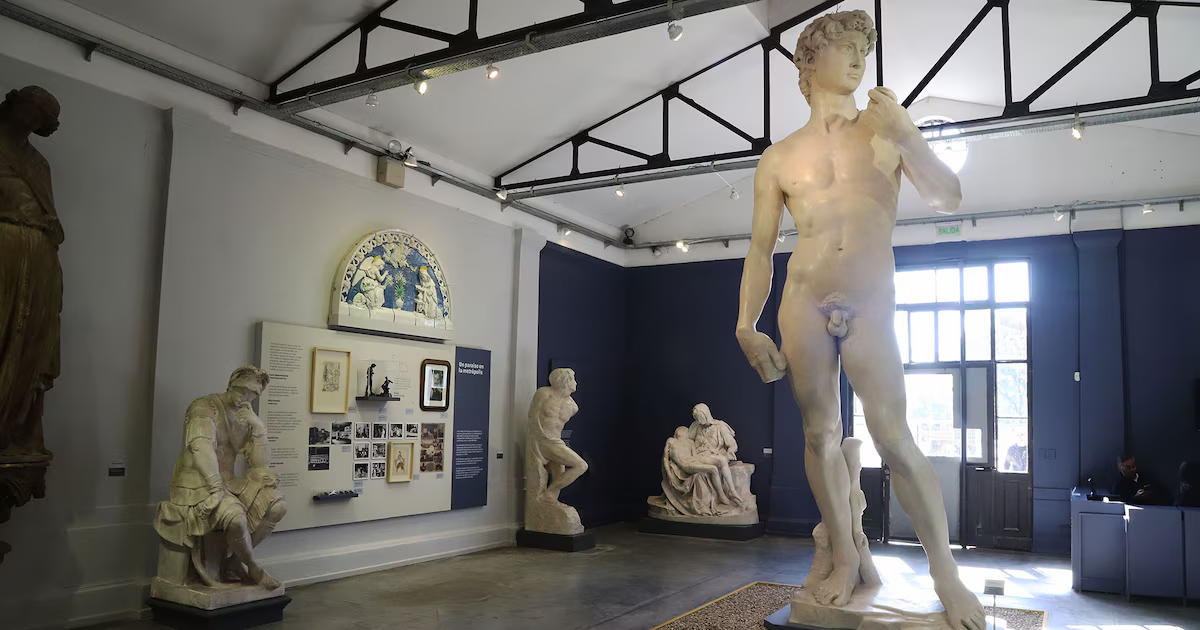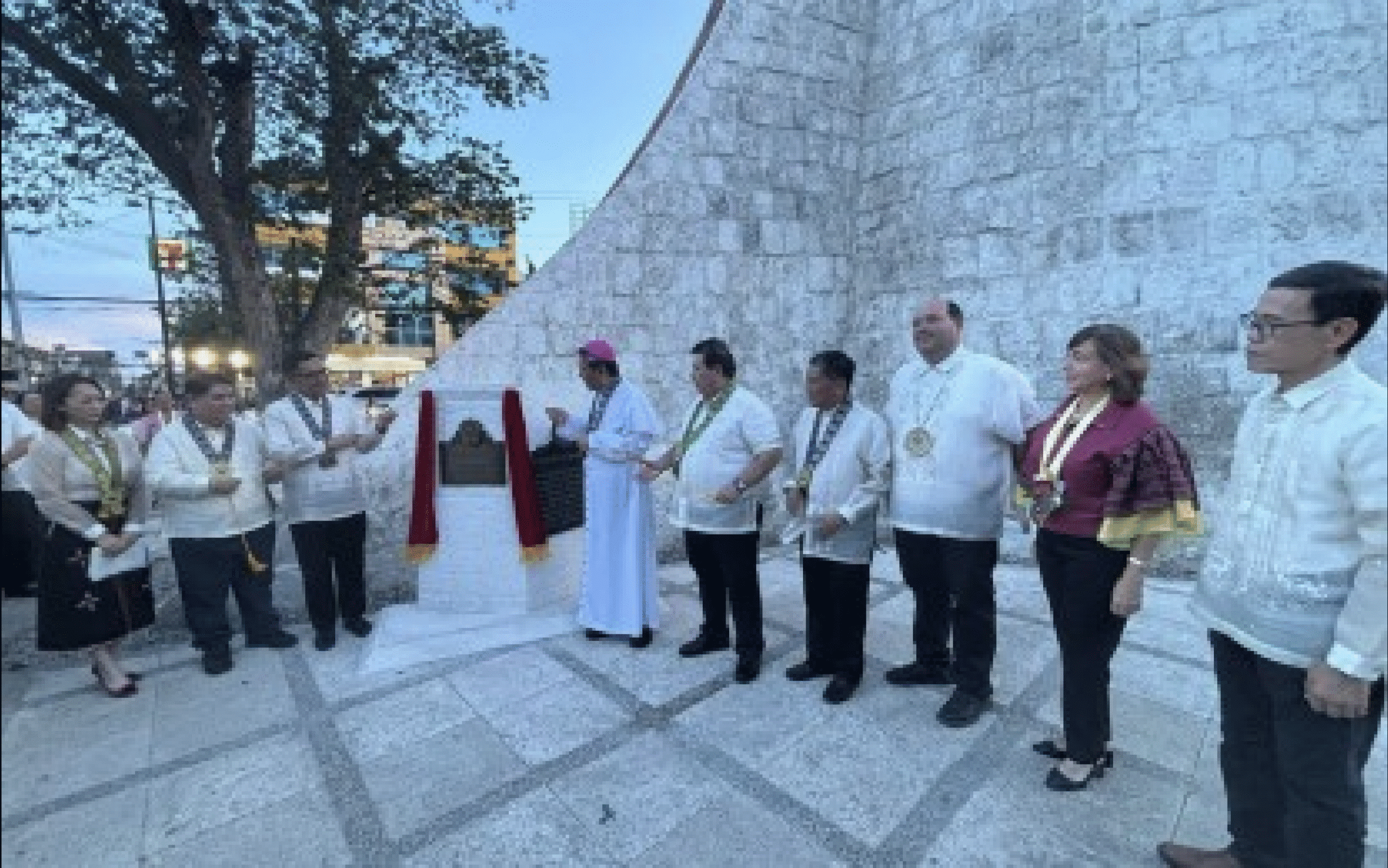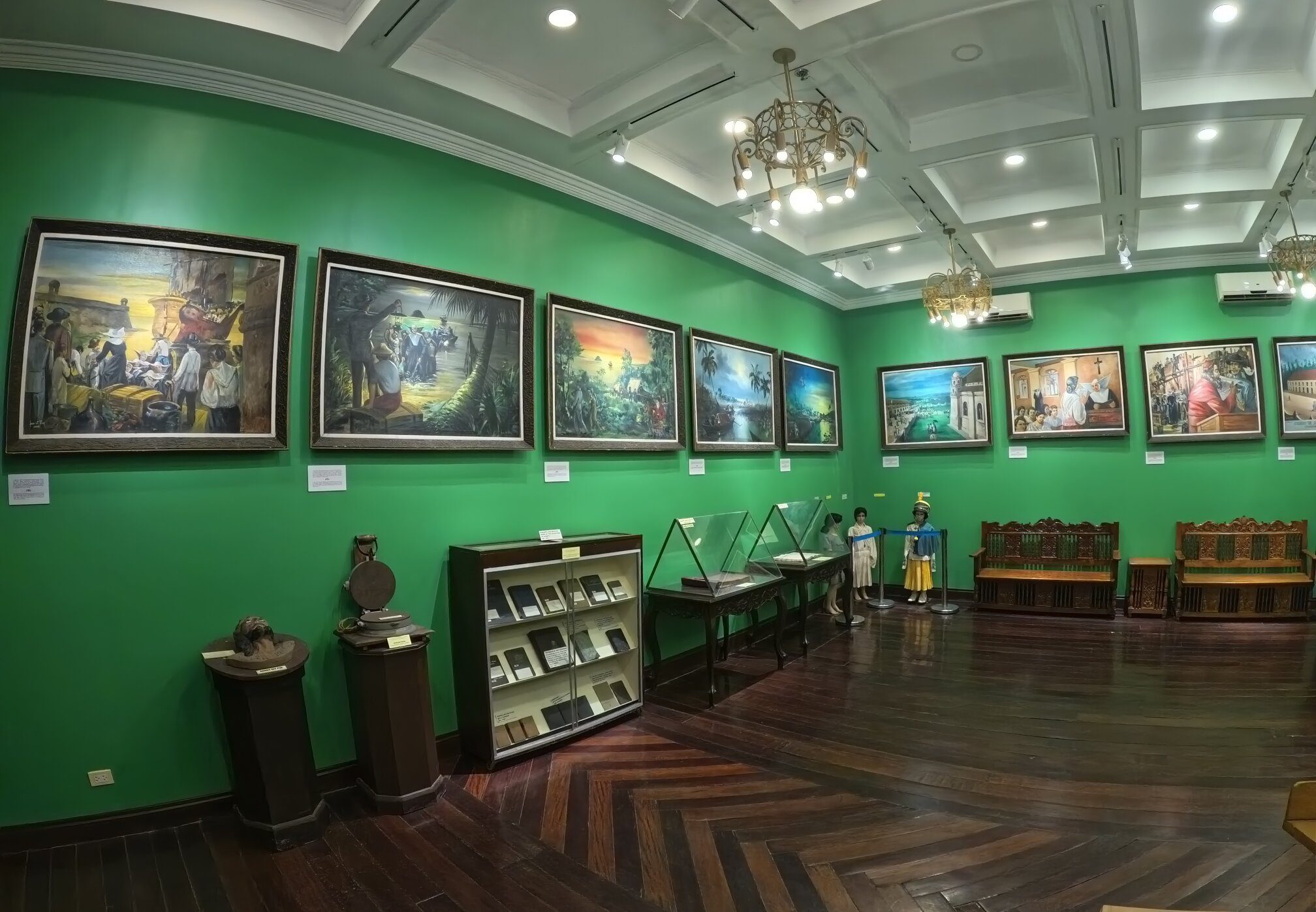
For most, the image of a museum appears to be fronted by a huge façade beaming in all white with giant columns and inside, spacious halls with giant galleries. Then there are those that remain almost hidden in plain sight, tucked behind old corridors, historic walls; and in the case of this surprising find in Naga City, inside the grounds of a trailblazing university.
Inside the campus of Universidad de Sta. Isabel in Naga City, the Museo Histórico de la Universidad de Sta. Isabel functions exactly like that: hiding a rich collection of artifacts related to faith, revolution, and women’s rights.
The museum does not simply narrate the history of a pioneering university. It also tells the story of a transforming country beginning in the latter decades of the 19th century.
University origins
Declared a National Historical Landmark, the university traces its origins to 1868, when Bishop Francisco Gainza, a Spanish Dominican bishop assigned to Nueva Cáceres, the old name of Naga, envisioned something radical for its time: a formal institution dedicated to the education of women. In an era when women were largely confined to domestic roles, the idea bordered on revolutionary.